


Iron Sheet Laser Cutting Machines vs. Traditional Methods
In the realm of metal fabrication, the introduction of iron sheet laser cutting machines has revolutionized the industry, challenging traditional methods and offering a multitude of advantages. This article delves into the fundamental differences between these cutting technologies, exploring their capabilities, efficiencies, and applications.
Precision and Detail
Laser Cutting
Laser cutting machines employ a tightly focused laser beam that melts and vaporizes the material, resulting in exceptionally precise cuts with minimal material distortion. This high level of precision enables complex designs, intricate curves, and small-scale features to be achieved with unparalleled accuracy.
Traditional Methods
Traditional cutting methods such as plasma cutting and waterjet cutting can also produce accurate cuts, but they often require more extensive post-processing to remove burrs and dross. Additionally, these methods tend to induce more thermal stress into the material, which can affect its integrity and stability.
Speed and Efficiency
Laser Cutting
Laser cutting machines operate at high speeds, significantly reducing production time compared to traditional methods. The concentrated laser beam quickly melts and vaporizes the material, enabling fast and efficient cutting through thick materials.
Traditional Methods
Plasma cutting and waterjet cutting typically have slower cutting speeds due to the need for additional cooling systems or abrasive agents. As a result, traditional methods may be less suitable for high-volume production runs or applications requiring rapid turnaround times.
Material Compatibility
Laser Cutting
Laser cutting machines are highly versatile and can cut a wide range of materials, including iron sheets, stainless steel, aluminum, and even non-metallic materials such as plastics. The ability to cut multiple materials with a single machine provides flexibility and eliminates the need for specialized equipment.
Traditional Methods
Plasma cutting is primarily suited for cutting conductive metals, while waterjet cutting can handle a broader range of materials, including non-metals. However, the use of different machines for different materials can increase production costs and operational complexity.
Applications
Laser Cutting
Iron sheet laser cutting machines are extensively used in various industries, including automotive, aerospace, medical, and electronics. They are ideal for applications requiring high precision, complex shapes, and precise hole cutting.
Traditional Methods
Plasma cutting and waterjet cutting remain essential for specific niche applications. Plasma cutting is often used for thicker materials, while waterjet cutting is preferred for cutting intricate parts from fragile or heat-sensitive materials.
Conclusion
Iron sheet laser cutting machines offer significant advantages over traditional methods in terms of precision, speed, efficiency, and material compatibility. While traditional methods may still have value in certain applications, the superior capabilities of laser cutting make it the preferred choice for high-precision, high-volume production of metal components. As technology continues to evolve, laser cutting machines are expected to further enhance their performance and expand their applications in the metal fabrication industry.
-
Choosing HVAC Duct Folding Machines for Flange-Safe Bending
2026/10/13 -
Precision Metal Forming Machines: What Separates Accurate Bends From Scrapped Sheet
2026/10/12 -
What to Look for in an HVAC Folding Machine Manufacturer
2026/10/11 -
Steel Strip Cutting Machine: Engineering Precision in Modern Metal Processing
2026/10/10
-
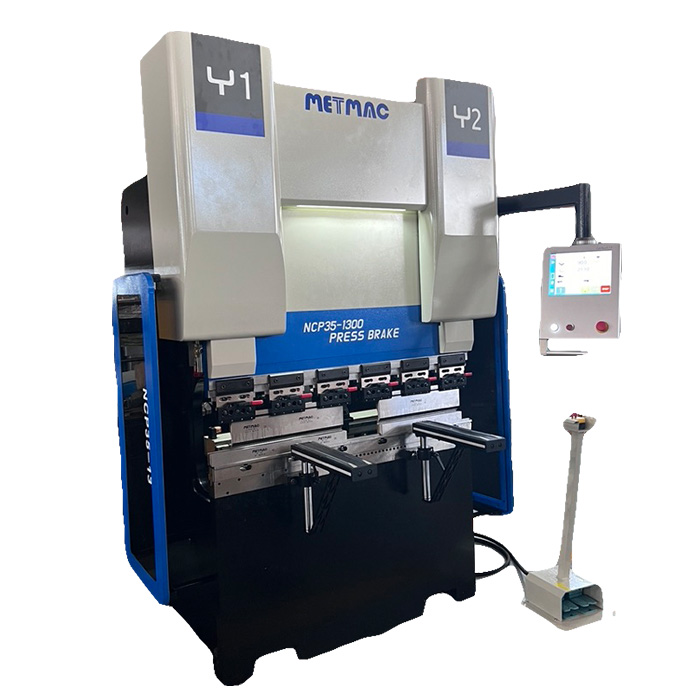
Sheet Metal Press Brake: Ultimate Guide to Precision Bending Technology in 2024
2026/03/13 -
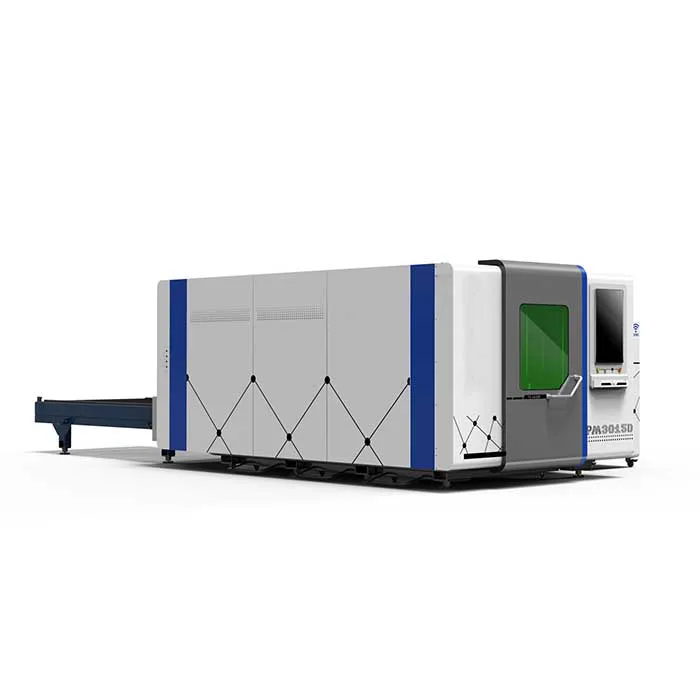
Metal Punching Machine: Ultimate Guide to Precision Manufacturing in 2024
2026/03/11 -
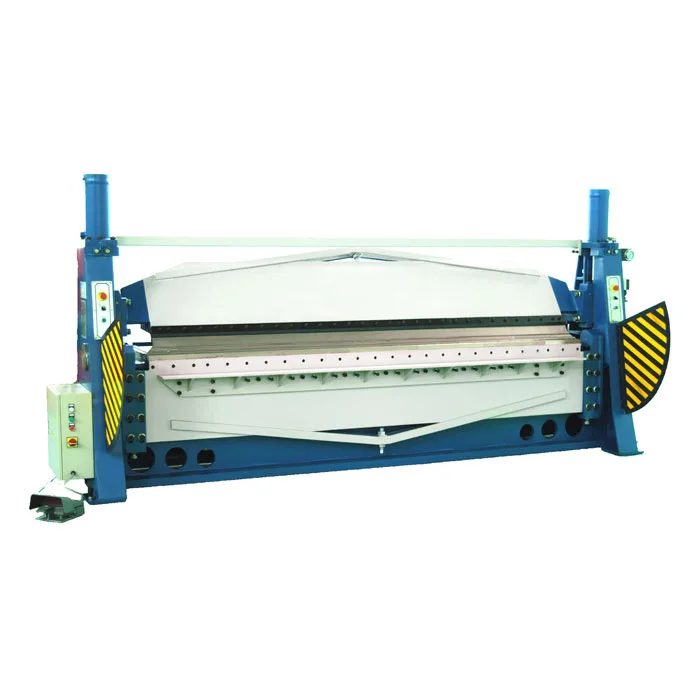
Metal Folding Machine: Comprehensive Guide to Precision Bending in 2024
2026/03/09 -
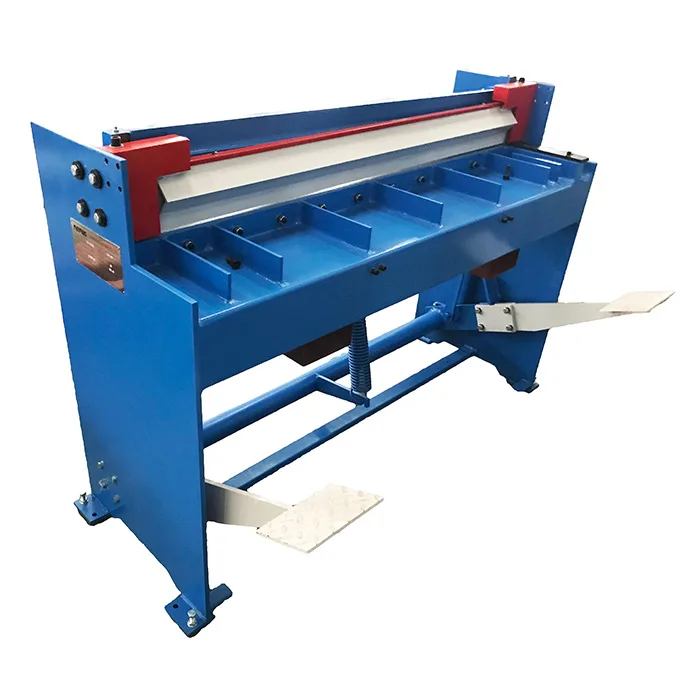
Sheet Metal Equipment: Ultimate Guide to Industrial Fabrication Solutions in 2026
2026/03/06
-
A Guide to the Latest Innovations in Sheet Metal Folding Machines
2024/11/29 -
Key Features to Consider When Investing in a Sheet Metal Folding Machine
2024/11/28 -
Enhancing Precision with Advanced Sheet Metal Folding Machines
2024/11/27 -
How to Choose the Right Sheet Metal Folding Machine for Your Workshop
2024/11/26
