

Introduction to Metal Plate Bending Machines
Metal plate bending machines play a crucial role in various industrial applications, shaping metal sheets into complex forms. This comprehensive guide introduces the fundamentals of metal plate bending machines, discussing their types, principles of operation, applications, and factors to consider when selecting and using them.
Types of Metal Plate Bending Machines
Press Brakes
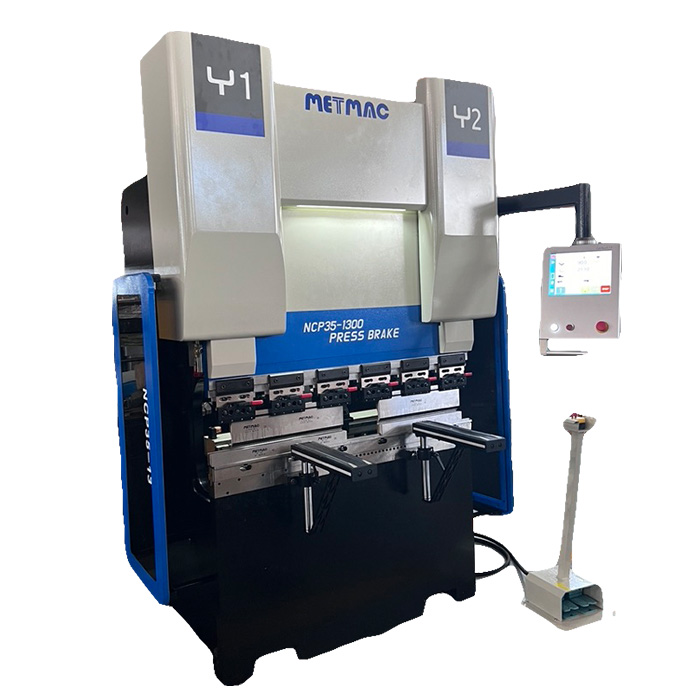
Press brakes utilize a hydraulic or mechanical force to press a metal sheet against a die, bending it along a straight line. They come in various capacities and bed lengths, catering to different workpiece sizes and bending forces.
Three-Roll Benders
Three-roll benders employ three powered rolls that rotate to bend metal sheets into cylindrical or conical shapes. They provide a continuous bending process, allowing for the creation of long, precise bends.
Four-Roll Benders
Four-roll benders feature an additional pinch roll, which helps support the workpiece during the bending process. They are particularly suitable for bending thick or delicate materials.
Principles of Operation
Metal plate bending machines generally operate on the principle of plastic deformation, where the material is forced to yield at the bending point. The machine applies pressure or force to overcome the material’s yield strength, causing it to bend permanently.
Applications
Metal plate bending machines are used in a wide range of industries, including:
– Aerospace: Fabrication of aircraft structural components
– Automotive: Production of car bodies, hoods, and other parts
– Construction: Shaping metal for buildings, bridges, and other structures
– Shipbuilding: Creation of hulls, decks, and other ship components
– Appliances: Manufacturing of refrigerator doors, oven panels, and other household appliances
Factors to Consider When Selecting and Using
Material Thickness and Type
The thickness and type of metal being bent determine the machine’s capacity requirements and bending capabilities. Thicker or harder materials require more powerful machines.
Bending Radius and Angle
The desired bending radius and angle influence the machine’s tooling and setup. Different machines have different capabilities in terms of the minimum and maximum bends they can produce.
Safety Precautions
Operating metal plate bending machines requires strict adherence to safety protocols. Operators should wear appropriate personal protective equipment (PPE), follow established procedures, and be aware of potential hazards, such as pinch points and moving machinery.
Conclusion
Metal plate bending machines are versatile and highly effective tools that enable the precise shaping of metal sheets. By understanding the different types, principles of operation, applications, and factors to consider when selecting and using these machines, individuals and businesses can optimize their metalworking processes and achieve desired results.
-
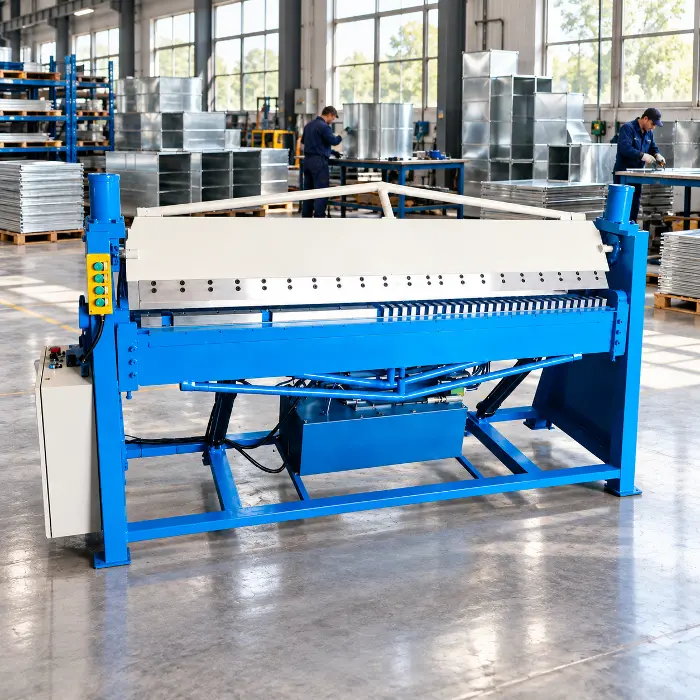
Choosing HVAC Duct Folding Machines for Flange-Safe Bending
2026/10/13 -
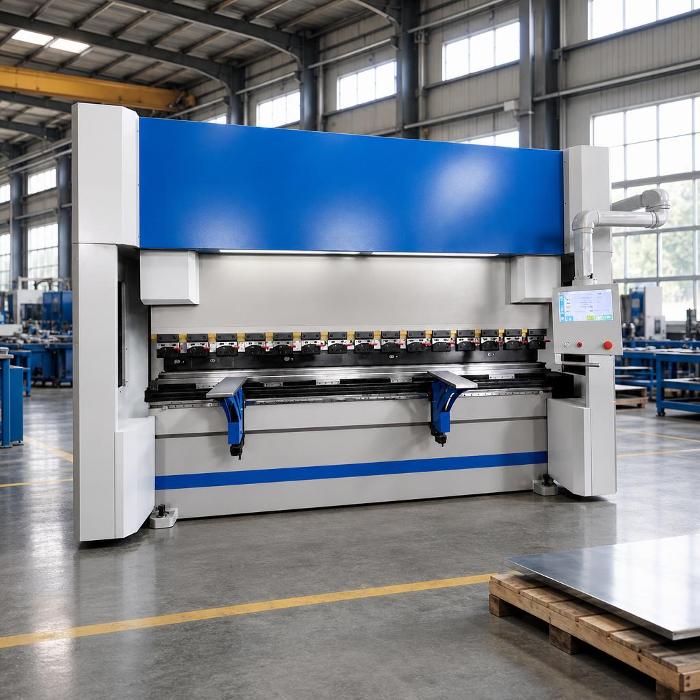
Precision Metal Forming Machines: What Separates Accurate Bends From Scrapped Sheet
2026/10/12 -
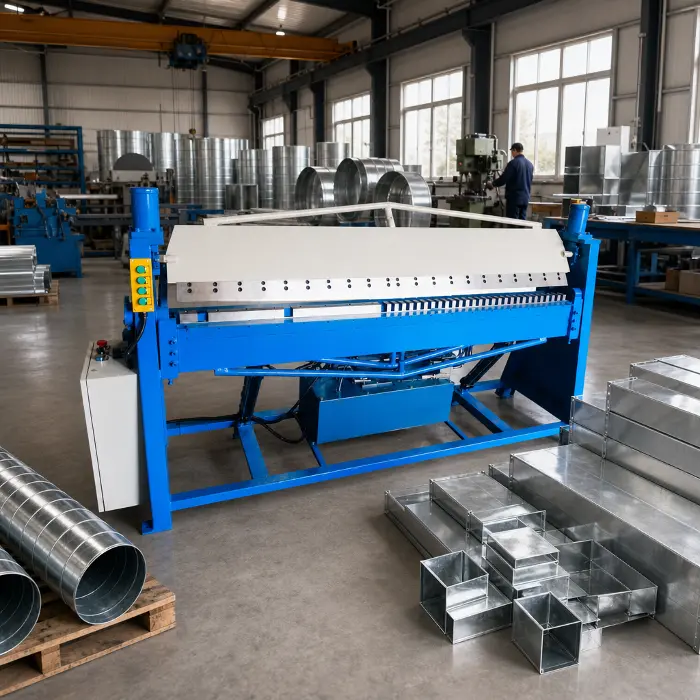
What to Look for in an HVAC Folding Machine Manufacturer
2026/10/11 -
Steel Strip Cutting Machine: Engineering Precision in Modern Metal Processing
2026/10/10
-
Sheet Metal Press Brake: Ultimate Guide to Precision Bending Technology in 2024
2026/03/13 -
Metal Punching Machine: Ultimate Guide to Precision Manufacturing in 2024
2026/03/11 -
Metal Folding Machine: Comprehensive Guide to Precision Bending in 2024
2026/03/09 -
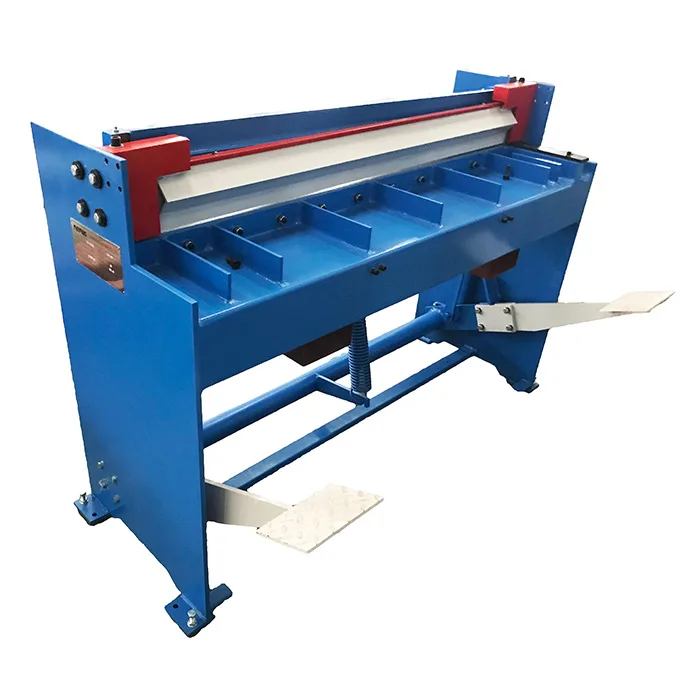
Sheet Metal Equipment: Ultimate Guide to Industrial Fabrication Solutions in 2026
2026/03/06
-
A Guide to the Latest Innovations in Sheet Metal Folding Machines
2024/11/29 -
Key Features to Consider When Investing in a Sheet Metal Folding Machine
2024/11/28 -
Enhancing Precision with Advanced Sheet Metal Folding Machines
2024/11/27 -
How to Choose the Right Sheet Metal Folding Machine for Your Workshop
2024/11/26
