


Integrating Sheet Profile Machines into Existing Production Lines
Introduction
Integrating sheet profile machines into existing production lines presents challenges and opportunities for manufacturers. These machines automate and streamline the cutting, bending, and shaping of sheet metal, enhancing production efficiency, accuracy, and versatility. Here is a comprehensive guide to integrating sheet profile machines into existing production lines effectively.
Planning and Assessment
Before integration, thorough planning is crucial. Assess the current production line and identify the processes that can be automated. Determine the required machine capabilities, such as cutting speeds, bending angles, and material compatibility. Consult with machine manufacturers and system integrators for expert advice and customized solutions.
Machine Selection
Choose a sheet profile machine that aligns with the specific requirements of the production line. Consider factors such as material thickness, bend radius, and production volume. Opt for machines with user-friendly controls, advanced software, and automation capabilities to ensure seamless integration and ease of operation.
Line Modification
Integrating the machine may require modifications to the production line. Ensure adequate space for the machine and its peripherals. Consider the placement of material handling systems, such as conveyors and stackers, to optimize workflow and minimize material waste. Electrical and pneumatic connections must be planned and executed safely and efficiently.
Process Integration
Integrate the machine’s software with the existing production control system. This allows for automated transfer of data and commands between the machine and other equipment on the line. Implement quality control measures to ensure the accuracy and consistency of cut and bent parts. Train operators on the new machine and software to maximize productivity and minimize downtime.
Optimization and Continuous Improvement
Monitor the performance of the integrated machine. Gather data on production rates, cycle times, and material utilization. Analyze the data to identify areas for improvement, such as optimizing cutting parameters, adjusting feed rates, and improving material flow. Continuously refine the processes to maximize efficiency and minimize waste.
Benefits of Integration
Integrating sheet profile machines into existing production lines offers significant benefits:
Increased Production Efficiency: Automated cutting and bending processes reduce manual labor and increase throughput.
Improved Accuracy and Precision: Computer-controlled machines ensure precision and consistency in cuts and bends, reducing scrap and rework.
Enhanced Versatility: Sheet profile machines enable manufacturers to produce complex shapes and geometries with ease, expanding their product offerings.
Reduced Labor Costs: Automation frees up operators for other tasks, leading to reduced labor costs and improved overall productivity.
Improved Material Utilization: Optimized cutting algorithms minimize material waste, resulting in cost savings and reduced environmental impact.
Conclusion
Integrating sheet profile machines into existing production lines is a strategic move that enhances efficiency, accuracy, and versatility. By carefully planning, selecting the right machine, and optimizing the integration process, manufacturers can reap the numerous benefits of this technology. Ongoing monitoring and continuous improvement efforts ensure that the integrated machine remains a valuable asset, driving productivity and profitability for years to come.
-
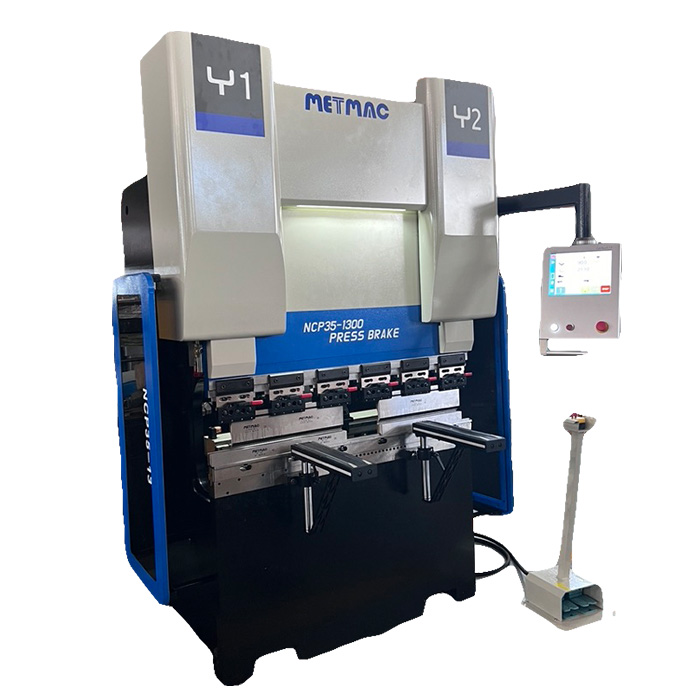
Press Metal Machine: The Definitive Guide to Precision Metal Forming
2026/03/12 -
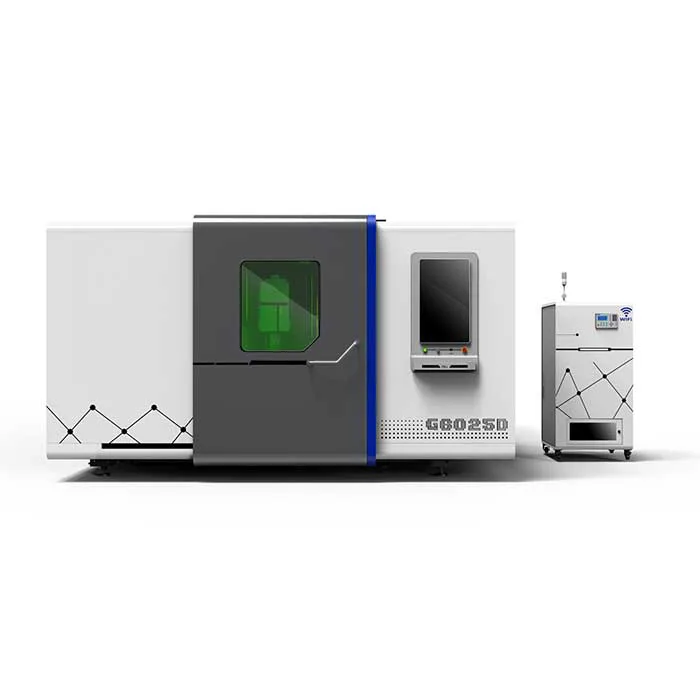
Metal Punching Machine: The Ultimate Guide to Precision Hole Punching
2026/03/10 -
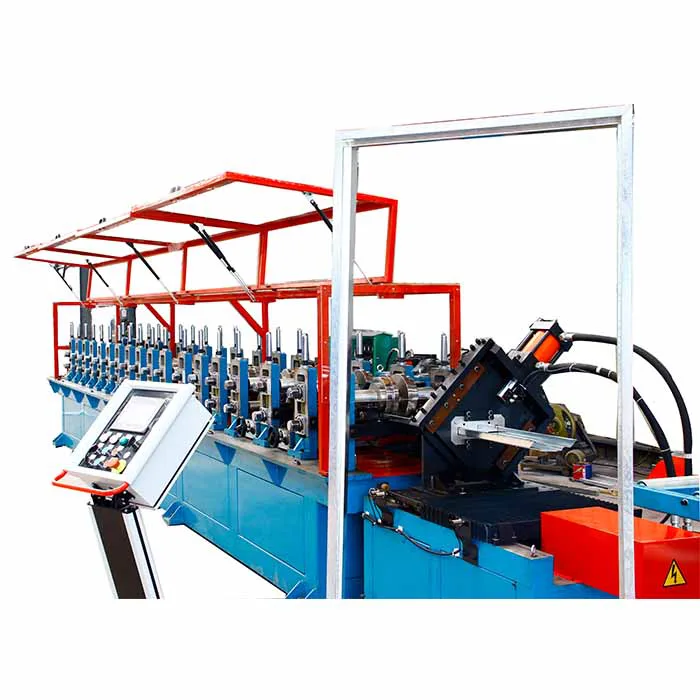
Sheet Metal Machinery: The Ultimate Guide to Industrial Fabrication Excellence
2026/03/04 -
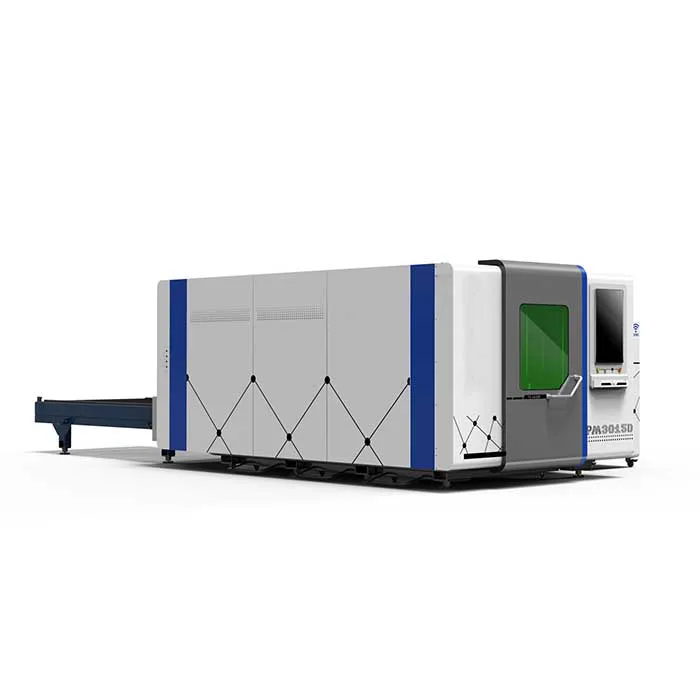
Iron Sheet Laser Cutting Machine: Unmatched Precision for Demanding Fabrication with METMAC
2026/01/06
-
Sheet Metal Press Brake: Ultimate Guide to Precision Bending Technology in 2024
2026/03/13 -
Metal Punching Machine: Ultimate Guide to Precision Manufacturing in 2024
2026/03/11 -
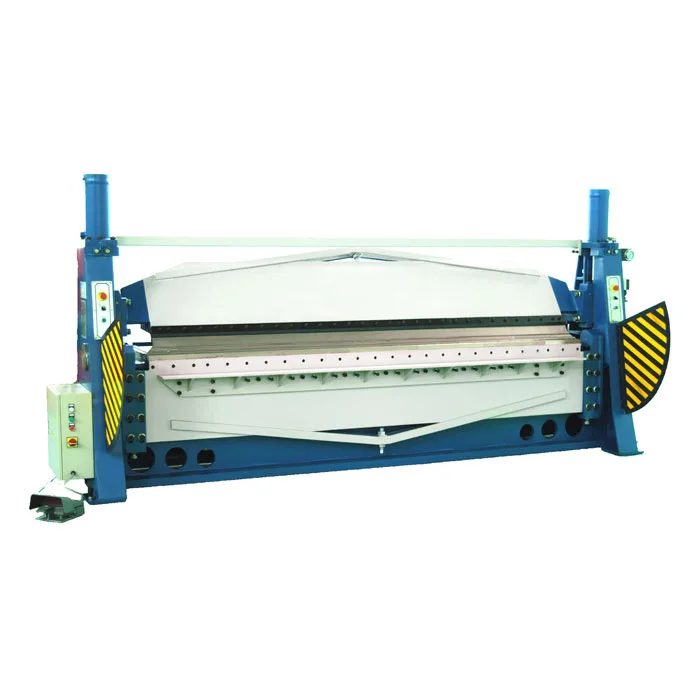
Metal Folding Machine: Comprehensive Guide to Precision Bending in 2024
2026/03/09 -
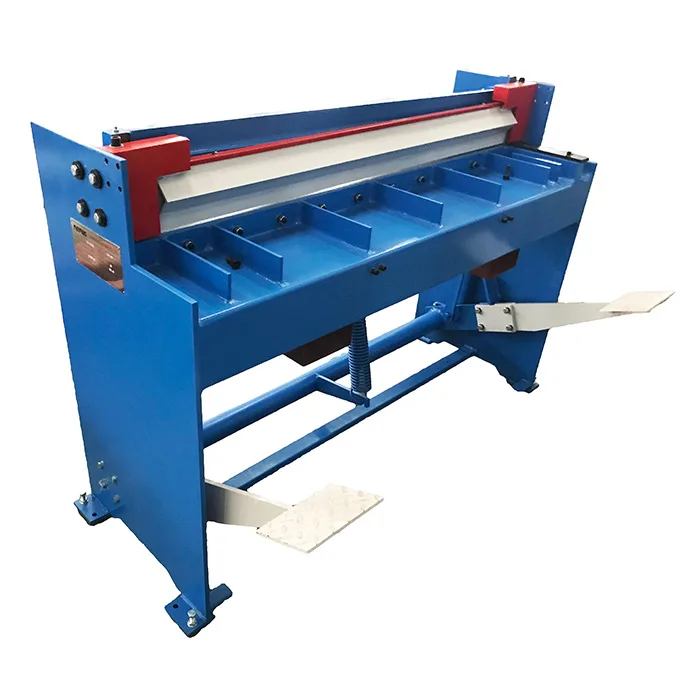
Sheet Metal Equipment: Ultimate Guide to Industrial Fabrication Solutions in 2026
2026/03/06
-
A Guide to the Latest Innovations in Sheet Metal Folding Machines
2024/11/29 -
Key Features to Consider When Investing in a Sheet Metal Folding Machine
2024/11/28 -
Enhancing Precision with Advanced Sheet Metal Folding Machines
2024/11/27 -
How to Choose the Right Sheet Metal Folding Machine for Your Workshop
2024/11/26
