


Installation and Setup Tips for Duct Forming Machines
Duct forming machines are essential tools for the fabrication of heating, ventilation, and air conditioning (HVAC) systems. Proper installation and setup of these machines are crucial to ensure optimal performance, safety, and longevity. This article provides comprehensive installation and setup tips for duct forming machines, addressing various aspects to guide users through the process effectively.
Site Selection and Preparation
1. Choose a suitable location: Select a well-ventilated area with sufficient space for the machine, its peripherals, and material handling. Ensure the floor is level and can support the weight of the machine.
2. Provide adequate power and utilities: The machine must have a dedicated electrical circuit with proper voltage, amperage, and grounding. Additionally, ensure access to compressed air and water if required.
3. Prepare the floor: Level and anchor the machine to the floor using bolts or other appropriate methods. This provides stability and minimizes vibrations during operation.
Machine Assembly and Setup
1. Assemble the machine components: Follow the manufacturer’s instructions carefully to assemble the machine’s main components, such as the frame, drive system, and tooling. Use proper tools and torque settings as specified.
2. Install tooling and accessories: Select the appropriate tooling for the duct sizes and materials to be formed. Install the tooling securely and align it precisely according to the manufacturer’s recommendations.
3. Connect peripherals and utilities: Connect the machine to peripherals such as a material feeder, dust collector, and control panel. Ensure that all electrical connections are secure and meet safety standards.
Operating Controls and Adjustments
1. Set up safety features: Familiarize yourself with the machine’s safety features, including emergency stops, guards, and interlocks. Ensure they are in proper working order before operating the machine.
2. Calibrate sensors and gauges: Check and calibrate sensors, gauges, and other measuring devices regularly. Accurate readings are essential for precise forming operations.
3. Adjust machine settings: Adjust machine settings such as speed, pressure, and material feed rate according to the specific duct design and material properties.
Maintenance and Troubleshooting
1. Regular cleaning and lubrication: Clean the machine regularly to remove dust, debris, and grease. Lubricate moving parts as per the manufacturer’s maintenance schedule.
2. Inspect and adjust tooling: Regularly inspect the forming rolls, blades, and other tooling for wear and damage. Adjust or replace tooling as necessary to maintain optimal performance.
3. Troubleshoot common issues: Familiarize yourself with common troubleshooting procedures for the machine. Address minor issues promptly to prevent more significant problems.
Additional Tips
1. Follow manufacturer’s instructions: Refer to the machine manufacturer’s instructions for detailed installation, setup, and maintenance procedures.
2. Train operators: Train operators on the safe and proper operation of the machine. Ensure they are aware of potential hazards and emergency procedures.
3. Maintain records: Keep a record of maintenance, repairs, and any modifications made to the machine. This documentation is valuable for troubleshooting and future reference.
-
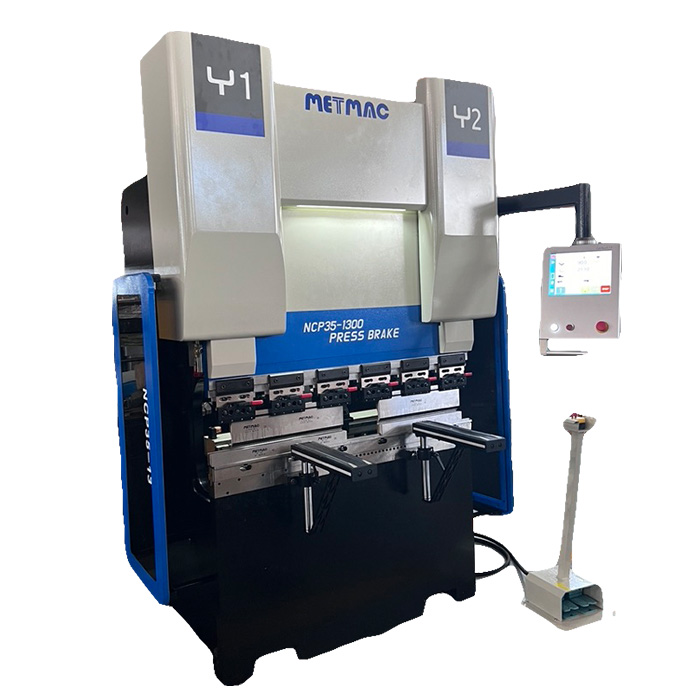
Press Metal Machine: The Definitive Guide to Precision Metal Forming
2026/03/12 -
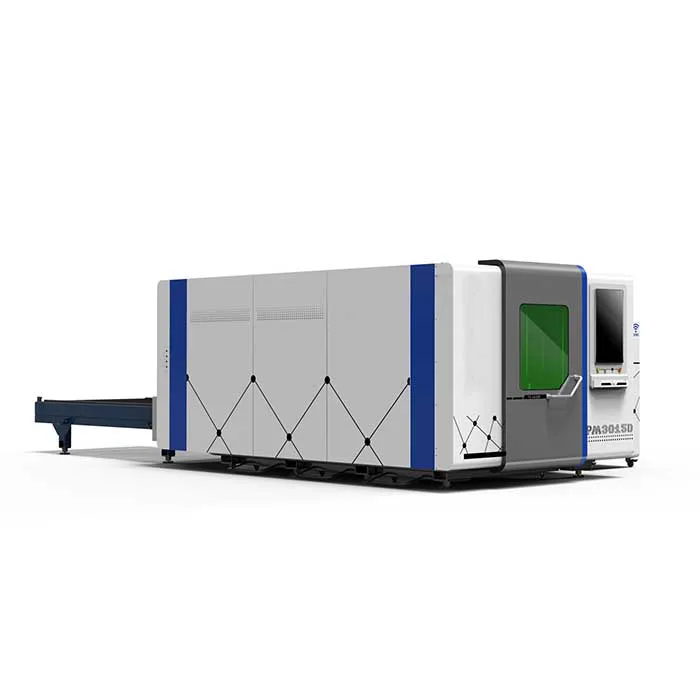
Metal Punching Machine: The Ultimate Guide to Precision Hole Punching
2026/03/10 -
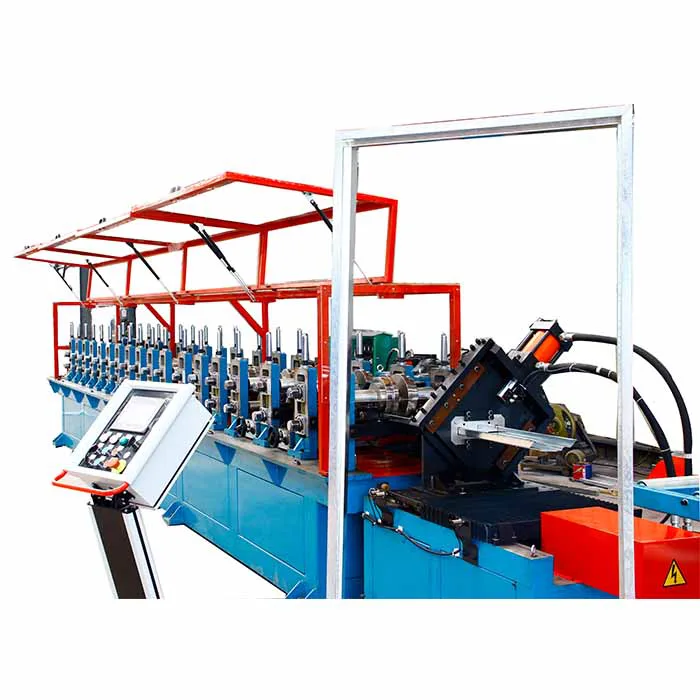
Sheet Metal Machinery: The Ultimate Guide to Industrial Fabrication Excellence
2026/03/04 -
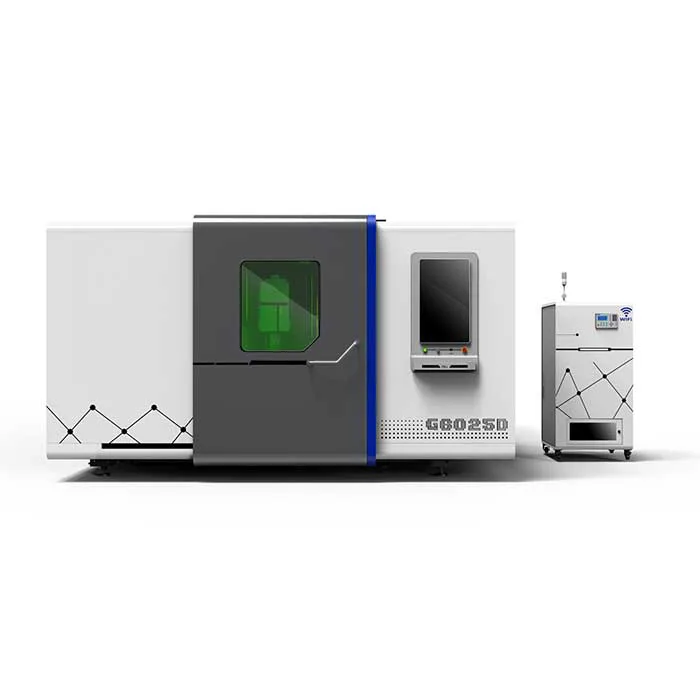
Iron Sheet Laser Cutting Machine: Unmatched Precision for Demanding Fabrication with METMAC
2026/01/06
-
Sheet Metal Press Brake: Ultimate Guide to Precision Bending Technology in 2024
2026/03/13 -
Metal Punching Machine: Ultimate Guide to Precision Manufacturing in 2024
2026/03/11 -
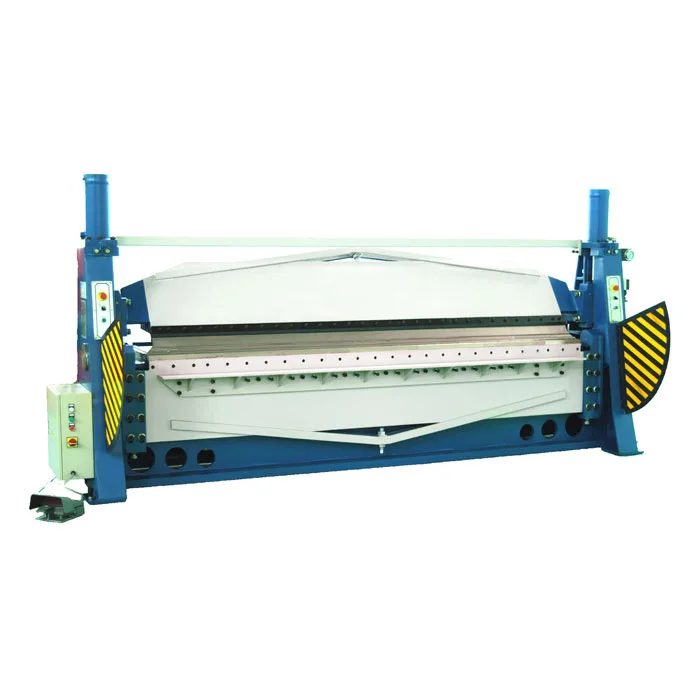
Metal Folding Machine: Comprehensive Guide to Precision Bending in 2024
2026/03/09 -
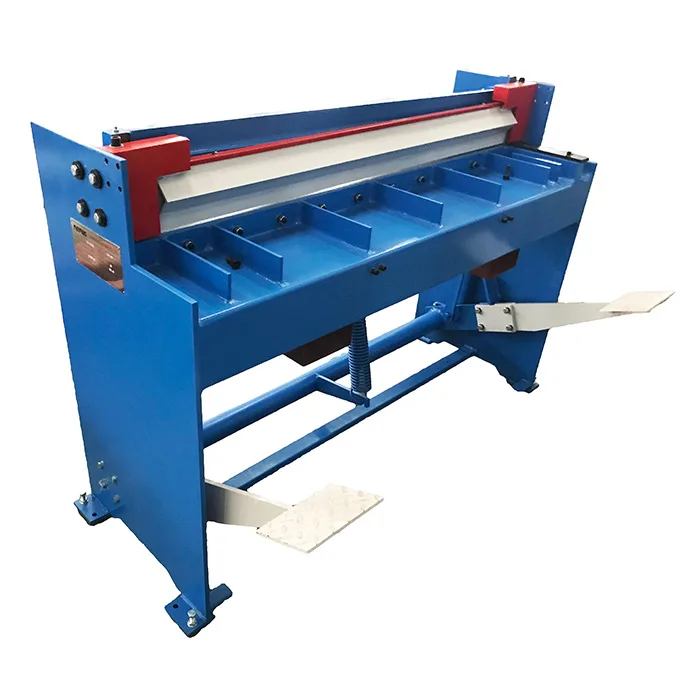
Sheet Metal Equipment: Ultimate Guide to Industrial Fabrication Solutions in 2026
2026/03/06
-
A Guide to the Latest Innovations in Sheet Metal Folding Machines
2024/11/29 -
Key Features to Consider When Investing in a Sheet Metal Folding Machine
2024/11/28 -
Enhancing Precision with Advanced Sheet Metal Folding Machines
2024/11/27 -
How to Choose the Right Sheet Metal Folding Machine for Your Workshop
2024/11/26
