


Innovations in Roll Forming- What’s Next for the Industry
In an ever-evolving landscape of manufacturing, roll forming has emerged as a beacon of innovation, transforming the way we shape metal into myriad products. From sleek automotive components to intricate architectural wonders, this versatile technology has left an indelible mark on countless industries.
As the industry continues to push the boundaries of possibility, we now stand at the cusp of transformative advancements that promise to reshape the future of roll forming. Here are some key innovations that are poised to revolutionize the landscape in the years to come:
1. Advanced Simulation and Modeling:
Sophisticated simulation and modeling tools are enabling engineers to optimize roll forming processes with unprecedented precision. These tools allow for accurate prediction of material behavior, surface finish, and dimensional stability, minimizing the need for costly trial-and-error runs.
2. Smart Roll Forming Systems:
Roll forming systems are becoming increasingly “smart,” equipped with sensors and actuators that monitor and adjust the forming process in real-time. This level of automation reduces waste, improves consistency, and allows for the production of complex shapes that were previously unattainable.
3. Hybrid Roll Forming Techniques:
Hybrid roll forming combines traditional roll forming with other techniques, such as tube bending and hydroforming. This opens up new possibilities for forming complex geometries, reducing the need for multiple forming processes and simplifying production.
4. Laser Welding Integration:
The integration of laser welding into roll forming lines enables the production of seam-welded products with exceptional strength and integrity. This technology eliminates the need for secondary welding operations, reducing production time and improving product quality.
5. High-Strength Advanced Materials:
Roll forming is evolving to accommodate the use of advanced materials, such as high-strength steels and composites. These materials enable the production of lightweight, durable, and corrosion-resistant products, expanding the application possibilities for roll formed components.
These innovations are not merely incremental improvements; they are fundamental shifts that will drive the industry forward. By embracing these advancements, manufacturers will be able to:
Increase productivity and reduce costs
Create new and innovative products
Improve product quality and consistency
Expand into new markets and applications
As the roll forming industry continues to advance, it is essential for manufacturers to stay abreast of these innovations and invest in the technologies that will shape the future of their operations. By doing so, they will not only remain competitive but also drive the industry to new heights of innovation.
-
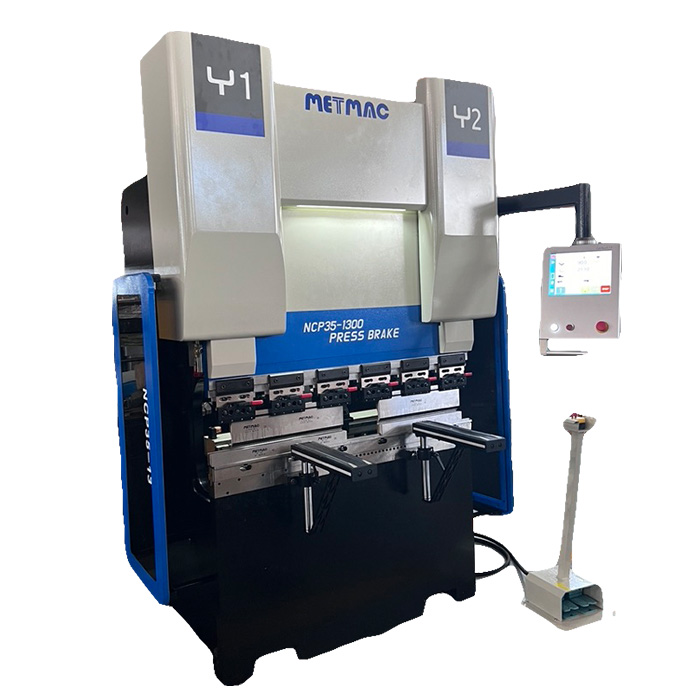
Press Metal Machine: The Definitive Guide to Precision Metal Forming
2026/03/12 -
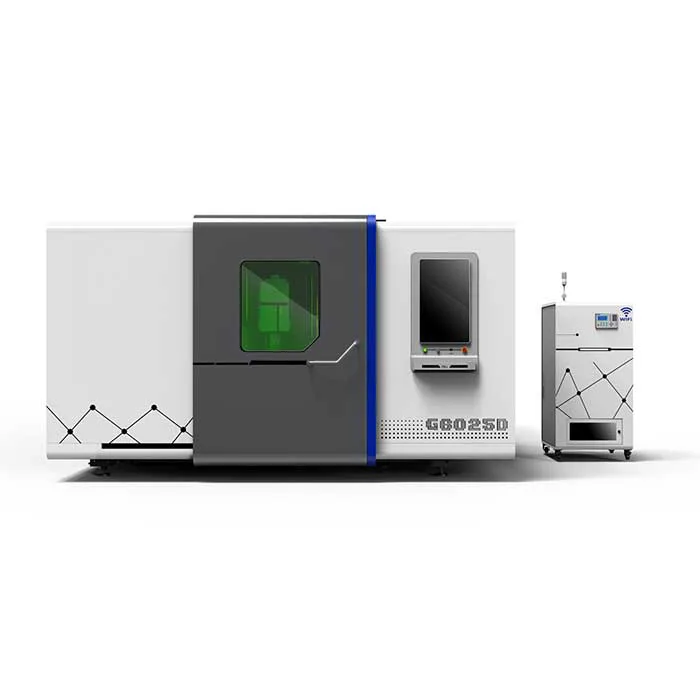
Metal Punching Machine: The Ultimate Guide to Precision Hole Punching
2026/03/10 -
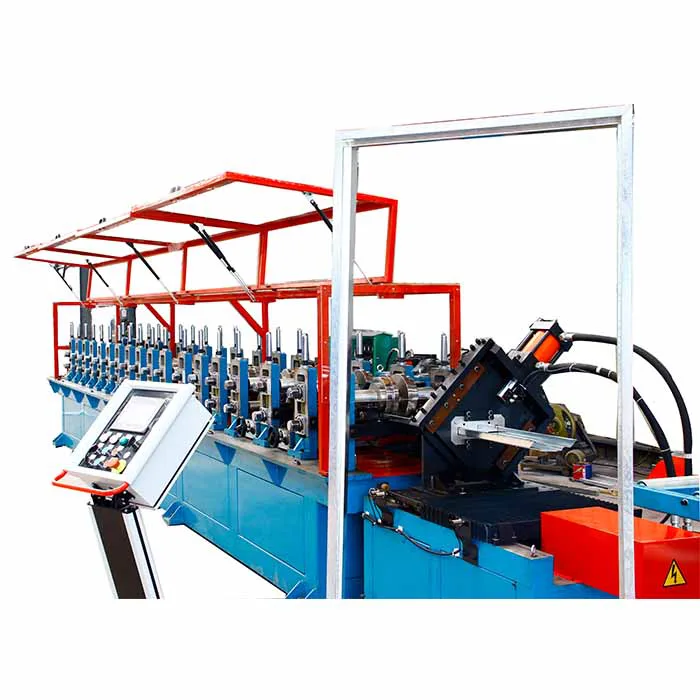
Sheet Metal Machinery: The Ultimate Guide to Industrial Fabrication Excellence
2026/03/04 -
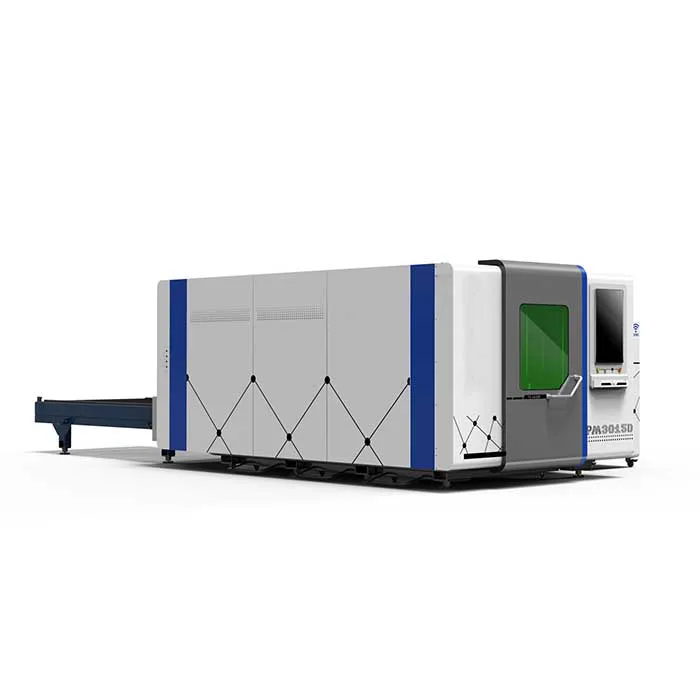
Iron Sheet Laser Cutting Machine: Unmatched Precision for Demanding Fabrication with METMAC
2026/01/06
-
Sheet Metal Press Brake: Ultimate Guide to Precision Bending Technology in 2024
2026/03/13 -
Metal Punching Machine: Ultimate Guide to Precision Manufacturing in 2024
2026/03/11 -
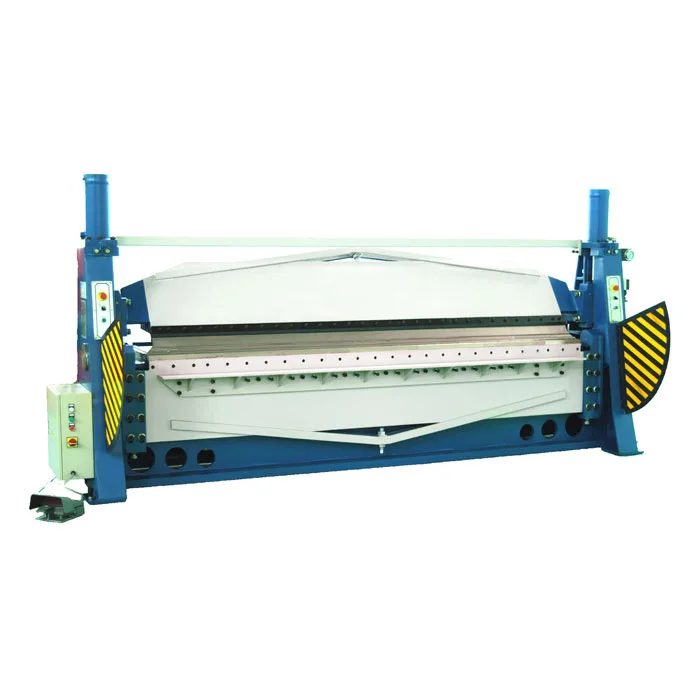
Metal Folding Machine: Comprehensive Guide to Precision Bending in 2024
2026/03/09 -
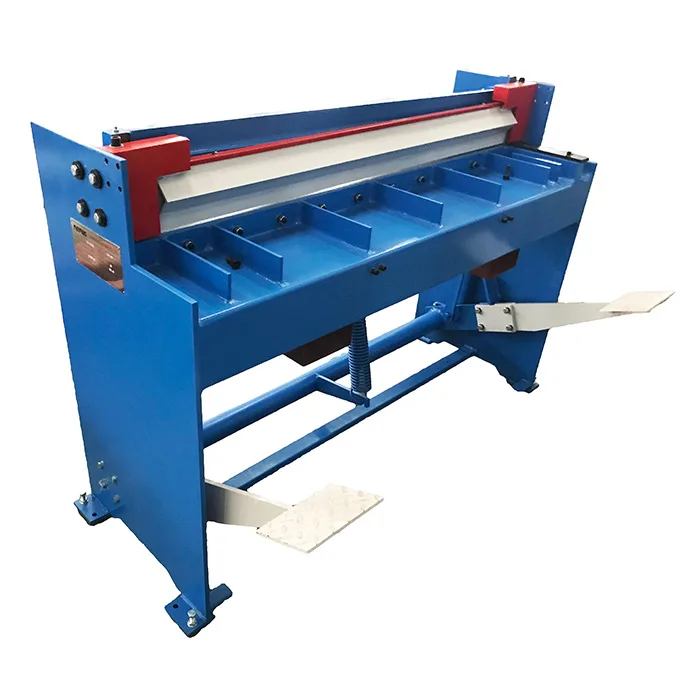
Sheet Metal Equipment: Ultimate Guide to Industrial Fabrication Solutions in 2026
2026/03/06
-
A Guide to the Latest Innovations in Sheet Metal Folding Machines
2024/11/29 -
Key Features to Consider When Investing in a Sheet Metal Folding Machine
2024/11/28 -
Enhancing Precision with Advanced Sheet Metal Folding Machines
2024/11/27 -
How to Choose the Right Sheet Metal Folding Machine for Your Workshop
2024/11/26
