

Hydraulic vs. Manual Metal Plate Bending Machines- Pros and Cons
In the realm of metalworking, precision and efficiency reign supreme. When it comes to bending metal plates, the choice between hydraulic and manual machines can have a significant impact on the outcome. Let’s delve into the pros and cons of each approach to help you forge the best decision for your bending needs.
Hydraulic Metal Plate Bending Machines
Power and Precision: Hydraulic machines harness the immense power of hydraulic cylinders, delivering consistent and precise bends even on thick metal plates. The adjustable pressure allows for fine-tuning the bending force, ensuring optimal results.
Automation and Speed: Hydraulic machines often feature programmable controls, enabling automated operation and increased productivity. The rapid cycle times enhance efficiency, allowing for mass production of bent metal components.
Heavy-Duty Capacity: These machines are designed to handle heavy loads, making them ideal for bending thick or reinforced metal plates used in industries such as construction and shipbuilding.
Manual Metal Plate Bending Machines
Simplicity and Cost: Manual machines offer a straightforward and cost-effective option for smaller-scale operations. They rely on manual force, eliminating the need for hydraulic systems and complex controls.
Portability: Manual machines are typically lightweight and compact, making them easy to transport and use in various locations. This flexibility is particularly advantageous for workshops or field applications.
Tactile Control: The direct physical interaction with the metal allows for a more intuitive bending process. Operators can feel the resistance of the material and adjust their force accordingly.
Choosing the Right Approach
The optimal choice between hydraulic and manual metal plate bending machines depends on your specific requirements.
For high-volume production, heavy-duty bending, or applications requiring precision and automation, hydraulic machines are the clear choice.
If cost, portability, or tactile control are paramount, manual machines provide a practical and economical solution for smaller-scale or field operations.
By carefully considering the pros and cons of each approach, you can forge the perfect tool for your metal bending needs. Whether you choose the raw power of hydraulics or the simplicity of manual labor, the choice is yours to make in this battle of bending behemoths.
-
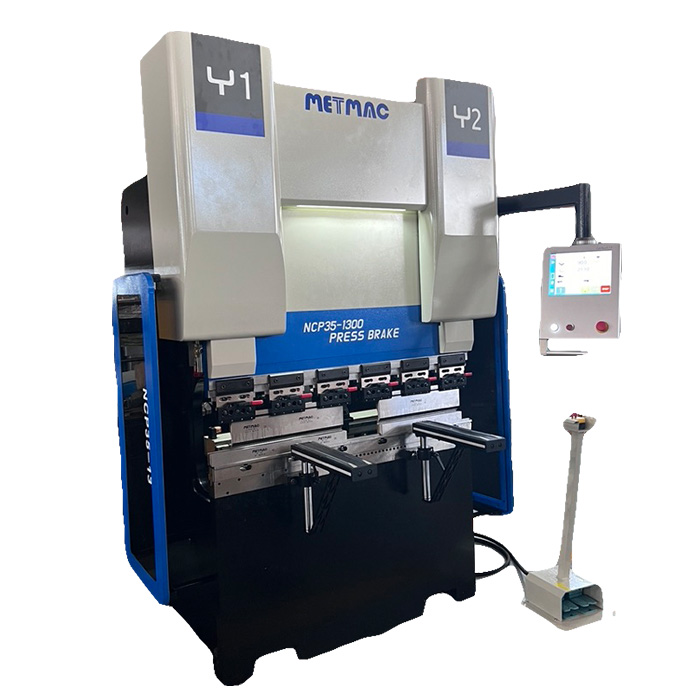
Press Metal Machine: The Definitive Guide to Precision Metal Forming
2026/03/12 -
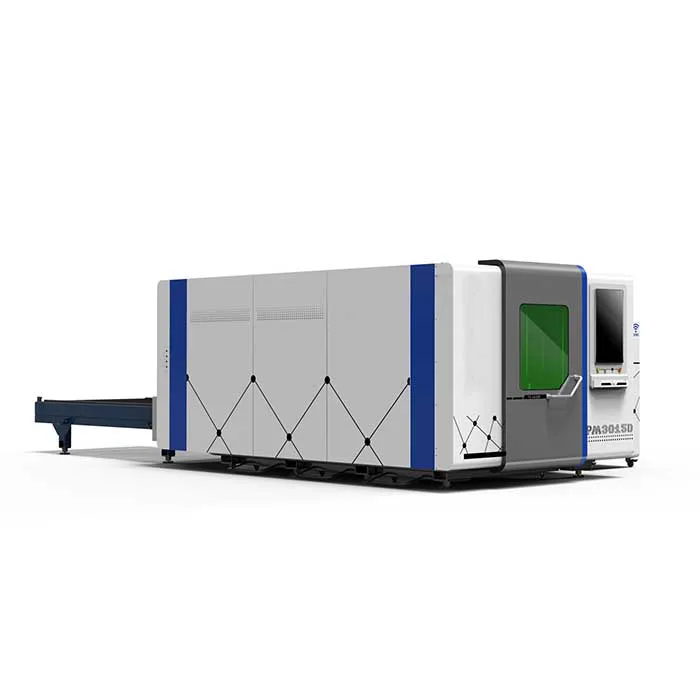
Metal Punching Machine: The Ultimate Guide to Precision Hole Punching
2026/03/10 -
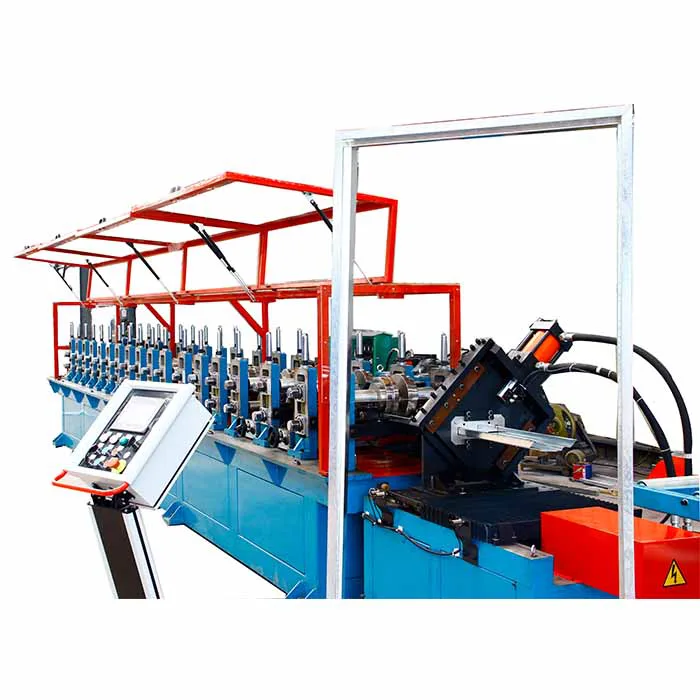
Sheet Metal Machinery: The Ultimate Guide to Industrial Fabrication Excellence
2026/03/04 -
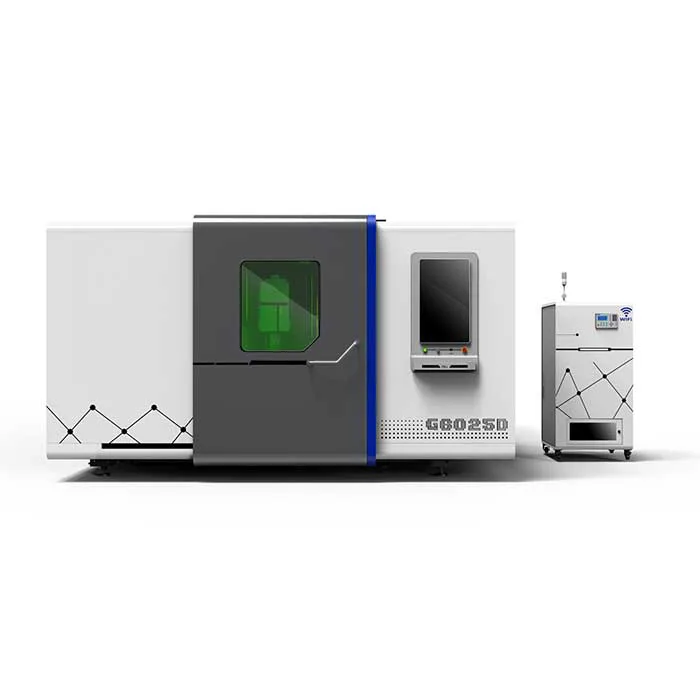
Iron Sheet Laser Cutting Machine: Unmatched Precision for Demanding Fabrication with METMAC
2026/01/06
-
Sheet Metal Press Brake: Ultimate Guide to Precision Bending Technology in 2024
2026/03/13 -
Metal Punching Machine: Ultimate Guide to Precision Manufacturing in 2024
2026/03/11 -
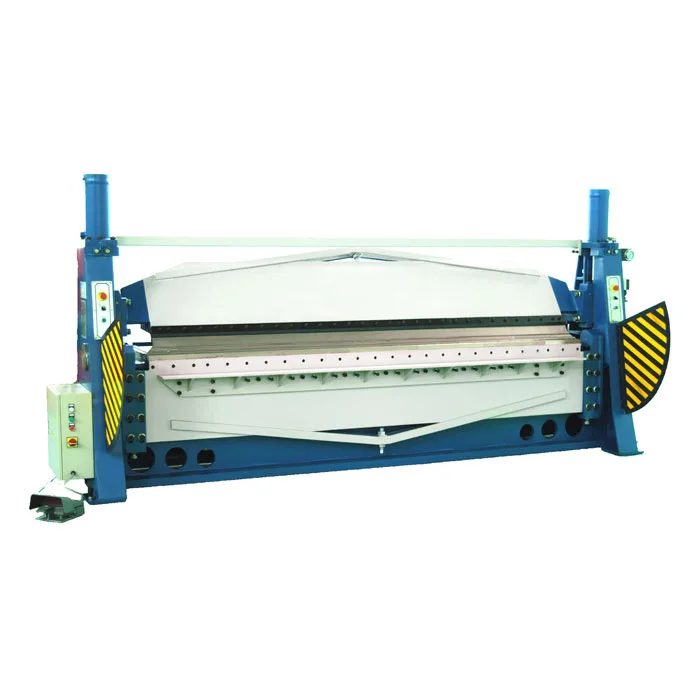
Metal Folding Machine: Comprehensive Guide to Precision Bending in 2024
2026/03/09 -
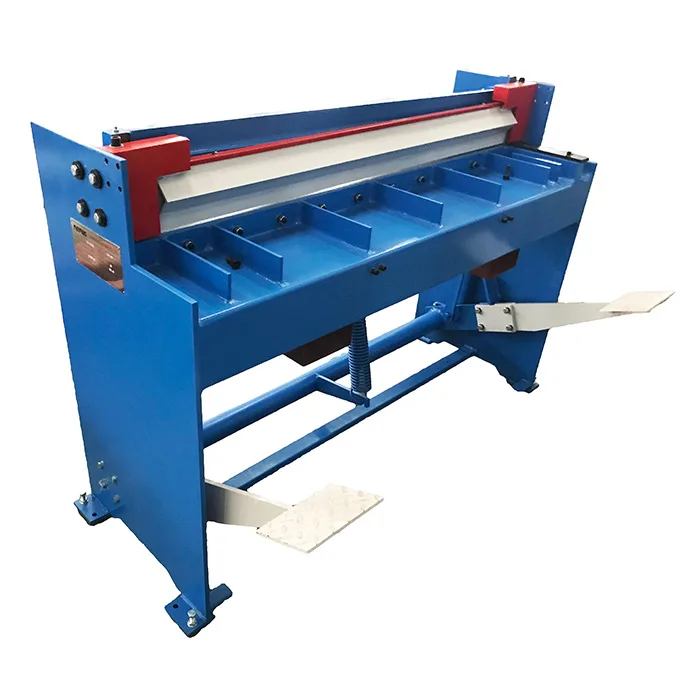
Sheet Metal Equipment: Ultimate Guide to Industrial Fabrication Solutions in 2026
2026/03/06
-
A Guide to the Latest Innovations in Sheet Metal Folding Machines
2024/11/29 -
Key Features to Consider When Investing in a Sheet Metal Folding Machine
2024/11/28 -
Enhancing Precision with Advanced Sheet Metal Folding Machines
2024/11/27 -
How to Choose the Right Sheet Metal Folding Machine for Your Workshop
2024/11/26
