


How to Troubleshoot Common Issues with Sheet Metal Rolling Machines
How to Troubleshoot Common Issues with Sheet Metal Rolling Machines: A Comprehensive Guide
Are you losing your sheet metal rolling rolls to the relentless march of metal mayhem? Don’t despair! This guide will arm you with the tools to diagnose and conquer the most prevalent ailments plaguing these mechanical behemoths.
Alignment Gone Awry: A Tale of Skewed Rolls
If your sheet metal is emerging from the rollers with an uneven or wavy surface, alignment issues may be the culprit. Inspect the rolls for any signs of misalignment, such as gaps or overlaps between them. Adjust the roll positions accordingly to restore optimal alignment.
Surface Imperfections: The Scourge of Dents and Scratches
When your rolled sheet metal exhibits dents or scratches, it’s time to scrutinize the rollers. Examine them closely for any imperfections that may be marring the metal’s surface. Resurface or replace the damaged rollers to ensure pristine results.
Torque Trouble: A Power Struggle
If your rolling machine struggles to bite into the sheet metal or produces insufficient force, torque issues may be at fault. Check the torque settings of the motor and adjust them to provide adequate power. Ensure that the belts or chains are properly tensioned to transmit torque efficiently.
Lubrication Breakdown: A Friction-Filled Nightmare
Insufficient lubrication can lead to friction and increased wear on the machine’s components. Lubricate all moving parts regularly, especially the bearings and gears. Choose lubricants that are compatible with the materials used in your machine.
Electrical Anomalies: A Spark of Concern
Electrical problems can range from faulty wiring to blown fuses. Inspect the electrical components for any signs of damage or loose connections. Consult an electrician if necessary to ensure the safety and proper functioning of the machine.
Safety First: Embracing Metalworking Prudence
Always wear appropriate safety gear when operating a sheet metal rolling machine. Clear the work area of obstacles and keep your hands away from the moving parts. Follow all safety protocols to minimize the risk of accidents.
By implementing these troubleshooting tips, you can resurrect your sheet metal rolling machine from the depths of despair and restore it to its former glory. Remember, the key to conquering these issues lies in a combination of vigilance, technical prowess, and an unwavering dedication to precision metalworking.
-
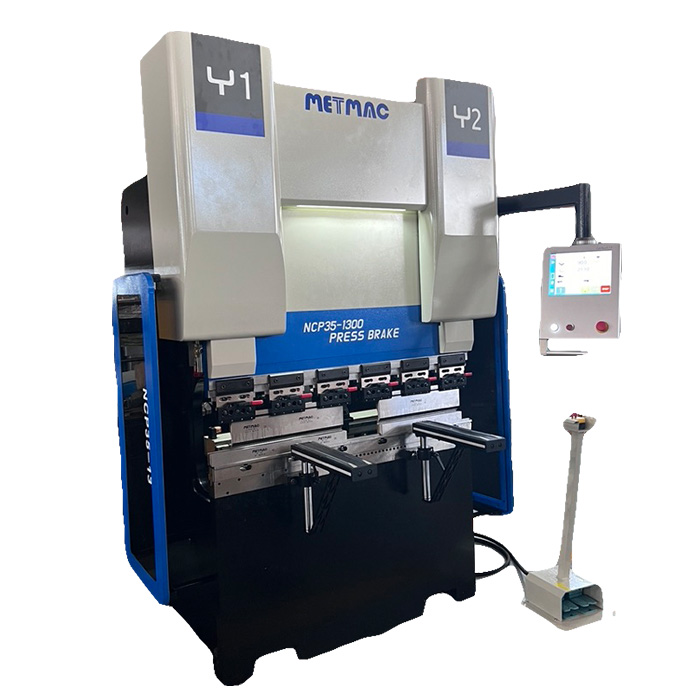
Press Metal Machine: The Definitive Guide to Precision Metal Forming
2026/03/12 -
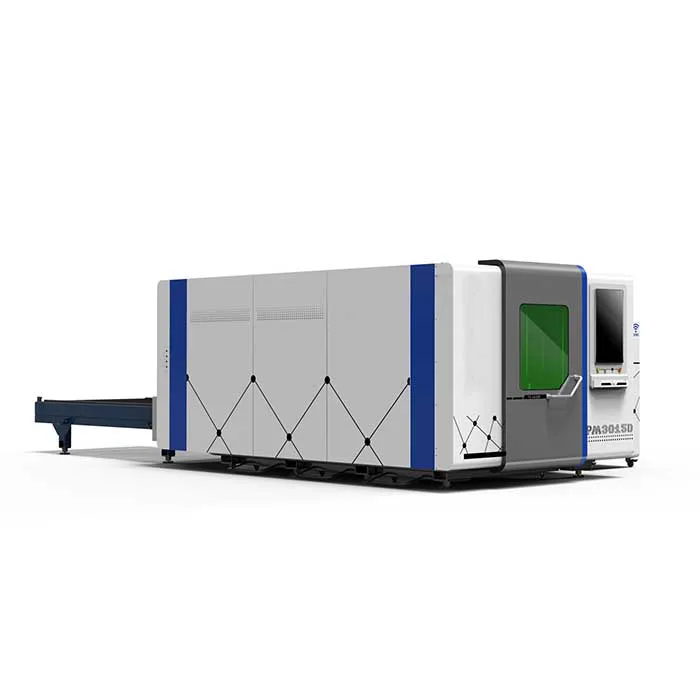
Metal Punching Machine: The Ultimate Guide to Precision Hole Punching
2026/03/10 -
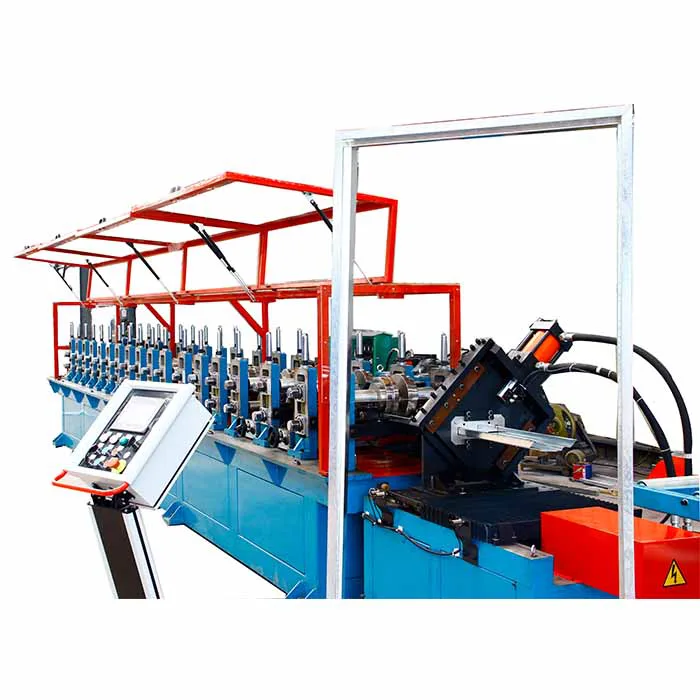
Sheet Metal Machinery: The Ultimate Guide to Industrial Fabrication Excellence
2026/03/04 -

Iron Sheet Laser Cutting Machine: Unmatched Precision for Demanding Fabrication with METMAC
2026/01/06
-
Sheet Metal Press Brake: Ultimate Guide to Precision Bending Technology in 2024
2026/03/13 -
Metal Punching Machine: Ultimate Guide to Precision Manufacturing in 2024
2026/03/11 -
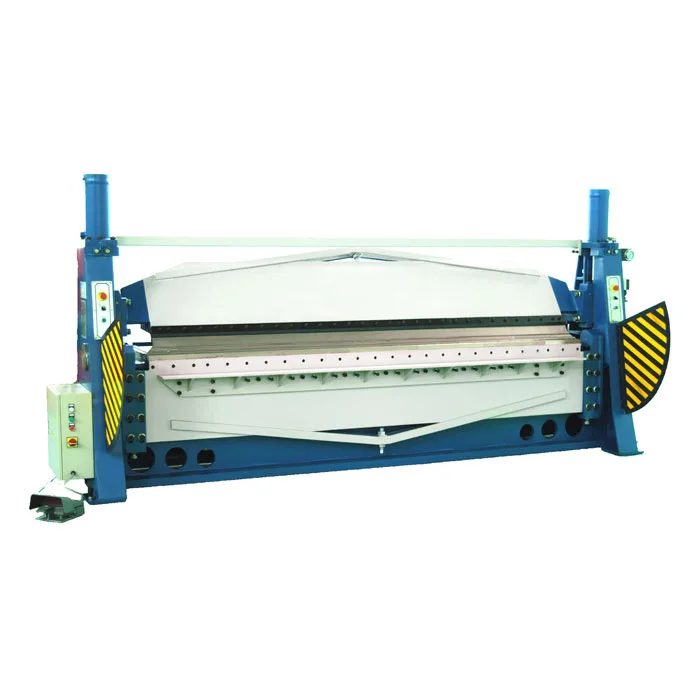
Metal Folding Machine: Comprehensive Guide to Precision Bending in 2024
2026/03/09 -
Sheet Metal Equipment: Ultimate Guide to Industrial Fabrication Solutions in 2026
2026/03/06
-
Understanding the Role and Function of Steel Strip Slitting Machines
2024/05/11 -
Maintenance Tips for Longevity of HVAC Duct Machines
2024/05/11 -
Innovations in Steel Strip Slitting Machine Design and Technology
2024/05/11 -
Improving Accuracy in Metal Fabrication with Laser Metal Shear Machines
2024/05/11
-
A Guide to the Latest Innovations in Sheet Metal Folding Machines
2024/11/29 -
Key Features to Consider When Investing in a Sheet Metal Folding Machine
2024/11/28 -
Enhancing Precision with Advanced Sheet Metal Folding Machines
2024/11/27 -
How to Choose the Right Sheet Metal Folding Machine for Your Workshop
2024/11/26
