


How to Troubleshoot Common Issues with Duct Bending Machines
Duct bending machines are essential tools in the HVAC industry. They are used to shape and form sheet metal into ducts that carry air throughout a building. However, even the most well-maintained duct bending machines can experience occasional issues. Here’s a comprehensive guide to troubleshooting the most common problems with duct bending machines:
Electrical Faults
Electrical faults are one of the most common issues with duct bending machines. These can range from minor issues, such as a loose wire, to major problems, such as a blown fuse or a malfunctioning motor. To troubleshoot electrical faults, start by checking the power supply and making sure that the machine is properly grounded. Then, inspect the wiring for any loose connections or damage. If you find any loose wires, tighten them securely. If you find any damaged wires, replace them. Finally, check the motor for any signs of damage or overheating. If the motor is damaged, it will need to be replaced.
Mechanical Problems
Mechanical problems are another common issue with duct bending machines. These can include problems with the bending rollers, the conveyor system, or the frame of the machine. To troubleshoot mechanical problems, start by inspecting the bending rollers for any signs of wear or damage. If the rollers are worn or damaged, they will need to be replaced. Next, check the conveyor system for any signs of misalignment or damage. If the conveyor system is misaligned, it can cause the sheet metal to buckle or tear. Finally, check the frame of the machine for any signs of damage or deformation. If the frame is damaged, it can cause the machine to malfunction.
Software Issues
In some cases, duct bending machines can experience software issues. These can range from minor glitches to major problems that can prevent the machine from operating. To troubleshoot software issues, start by updating the software to the latest version. If the software update does not resolve the issue, you may need to contact the manufacturer of the machine for support.
Material Issues
The type of material being bent can also cause issues with duct bending machines. For example, if the sheet metal is too thick or too thin, it can cause the bending rollers to slip or the machine to overheat. To avoid material-related issues, always use the correct type and thickness of sheet metal for your machine.
Improper Setup
Finally, improper setup can also cause issues with duct bending machines. To avoid improper setup, always follow the manufacturer’s instructions for setting up and operating the machine. Make sure that the machine is properly leveled and that the bending rollers are adjusted to the correct height.
-
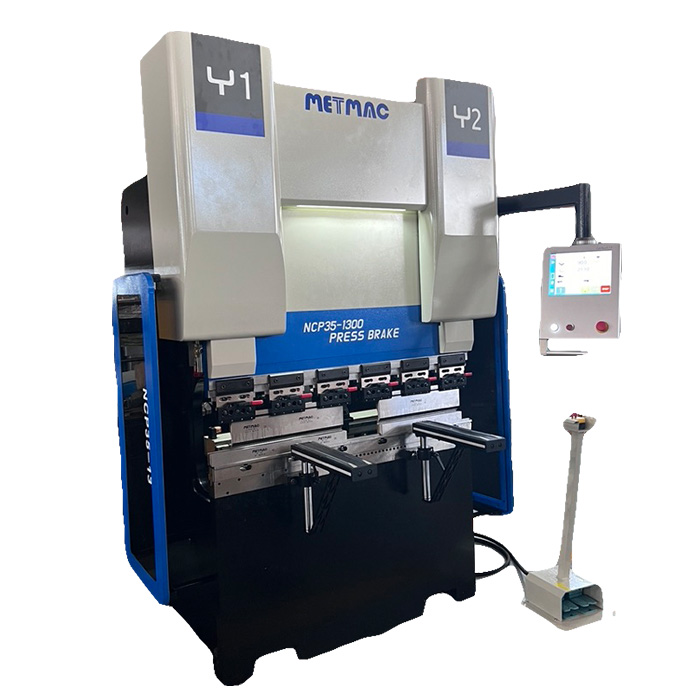
Press Metal Machine: The Definitive Guide to Precision Metal Forming
2026/03/12 -
Metal Punching Machine: The Ultimate Guide to Precision Hole Punching
2026/03/10 -
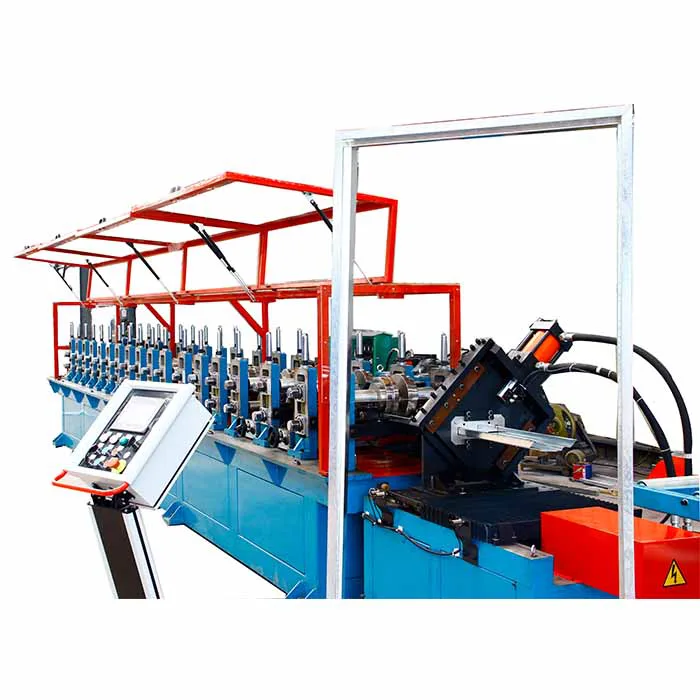
Sheet Metal Machinery: The Ultimate Guide to Industrial Fabrication Excellence
2026/03/04 -
Iron Sheet Laser Cutting Machine: Unmatched Precision for Demanding Fabrication with METMAC
2026/01/06
-
Sheet Metal Press Brake: Ultimate Guide to Precision Bending Technology in 2024
2026/03/13 -
Metal Punching Machine: Ultimate Guide to Precision Manufacturing in 2024
2026/03/11 -
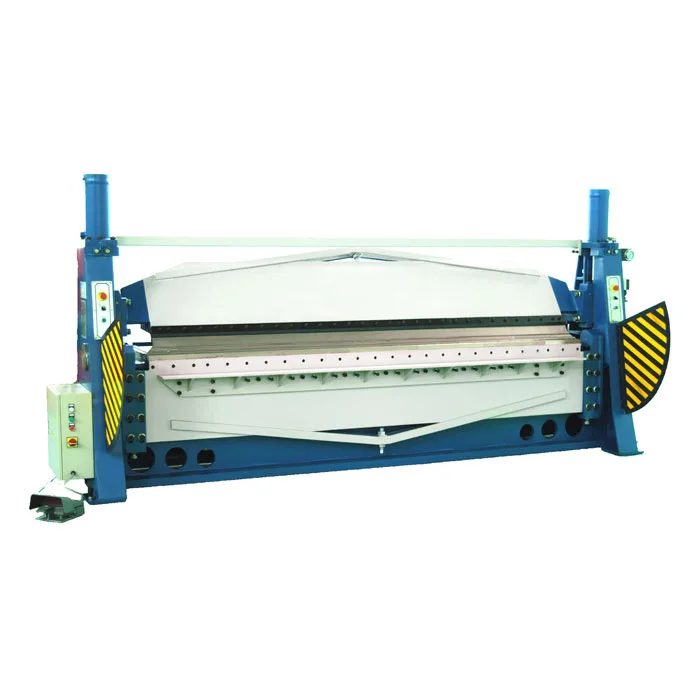
Metal Folding Machine: Comprehensive Guide to Precision Bending in 2024
2026/03/09 -
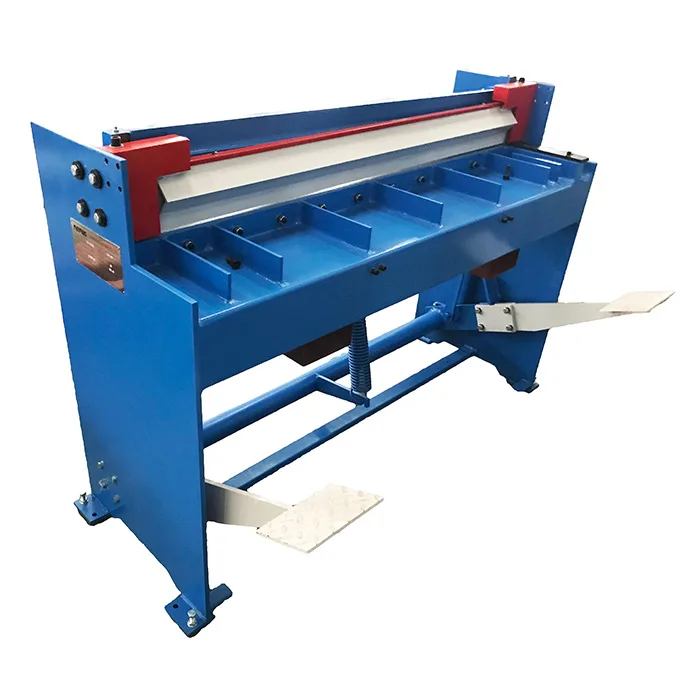
Sheet Metal Equipment: Ultimate Guide to Industrial Fabrication Solutions in 2026
2026/03/06
-
A Guide to the Latest Innovations in Sheet Metal Folding Machines
2024/11/29 -
Key Features to Consider When Investing in a Sheet Metal Folding Machine
2024/11/28 -
Enhancing Precision with Advanced Sheet Metal Folding Machines
2024/11/27 -
How to Choose the Right Sheet Metal Folding Machine for Your Workshop
2024/11/26
