


How to Optimize Your HVAC Duct Making Machine for Different Applications
The HVAC duct making machine is an essential tool for fabricating the ductwork in heating, ventilation, and air conditioning systems. To ensure optimal performance and efficiency, it is crucial to tailor the machine’s setup and operation to the specific application requirements.
Material Selection
The type of material being fabricated dictates the machine’s configuration.
Galvanized Steel: Most common material; requires specific knife settings and blade profiles.
Stainless Steel: Corrosion-resistant; requires higher cutting force and wider blade clearances.
Aluminum: Lightweight and easy to shape; needs specialized blades and reduced cutting speeds.
Duct Shape and Size
The size and shape of the ducts influence machine adjustments.
Round Ducts: Require roll formers with appropriate diameters; adjust roller spacing and pressure.
Rectangular Ducts: Utilize Pittsburgh-style lock or TDF flange seams; calibrate knife height and bender angle.
Oval Ducts: Employ specialized tooling and forming techniques; tweak machine settings for precise shaping.
Production Rate and Quality
Balancing speed with accuracy is essential.
Production Rate: Increase speeds by optimizing cutting, forming, and flanging parameters.
Quality Assurance: Maintain precision by regularly calibrating sensors, ensuring blade sharpness, and monitoring material quality.
Automation and Integration
Advanced machines offer automation and integration capabilities.
Auto-Adjusting: Sensors detect material thickness and automatically adjust machine settings for optimal results.
Data Tracking: Tracking software monitors production data, identifies bottlenecks, and optimizes efficiency.
Computerized Control: Integrates with other HVAC systems for streamlined operation and reduced downtime.
Maintenance and Troubleshooting
Proper maintenance and quick troubleshooting are vital for smooth operation.
Regular Maintenance: Schedule regular inspections, lubricate moving parts, and replace consumables.
Diagnostics: Utilize diagnostic tools to identify potential issues and resolve them promptly.
Training: Ensure operators are adequately trained on machine handling and maintenance procedures.
Conclusion
Optimizing the HVAC duct making machine for different applications requires careful consideration of material selection, duct specifications, production goals, automation capabilities, and maintenance practices. By tailoring the machine’s setup and operation to the specific application requirements, manufacturers can maximize efficiency, improve quality, and ensure the smooth and reliable production of HVAC ductwork.
-
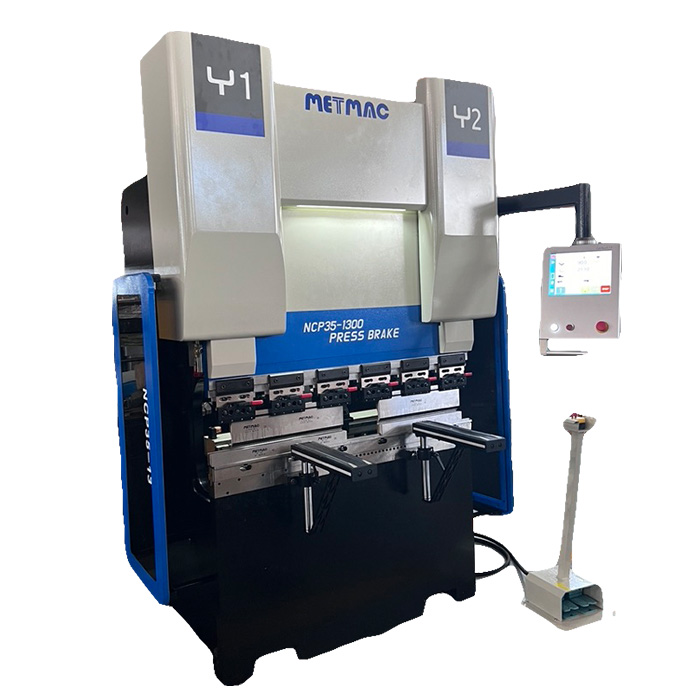
Press Metal Machine: The Definitive Guide to Precision Metal Forming
2026/03/12 -
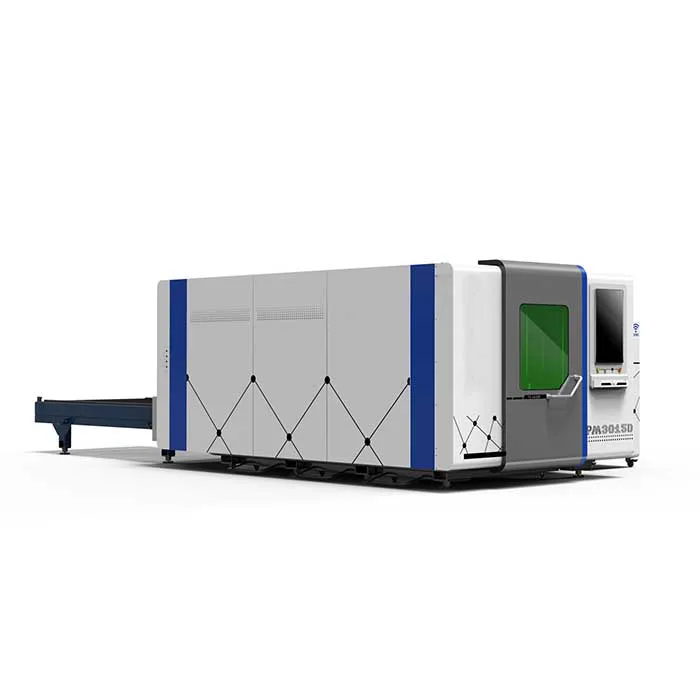
Metal Punching Machine: The Ultimate Guide to Precision Hole Punching
2026/03/10 -
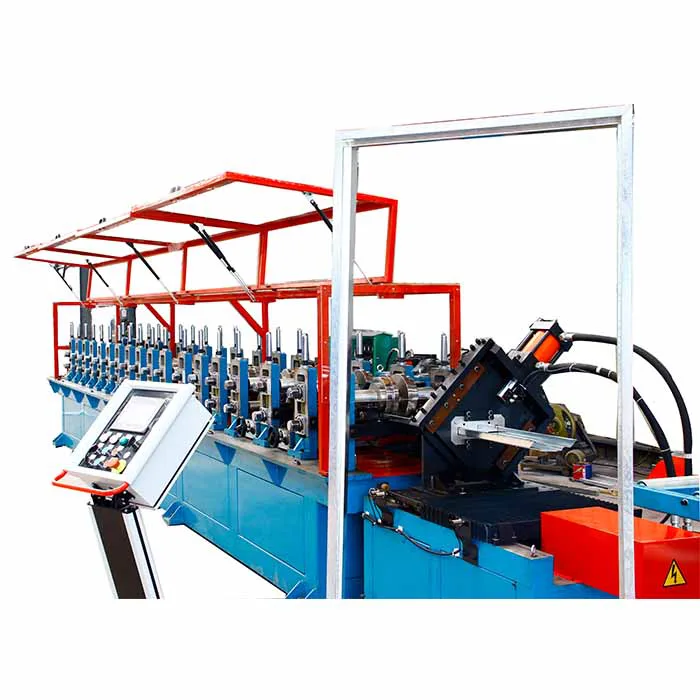
Sheet Metal Machinery: The Ultimate Guide to Industrial Fabrication Excellence
2026/03/04 -
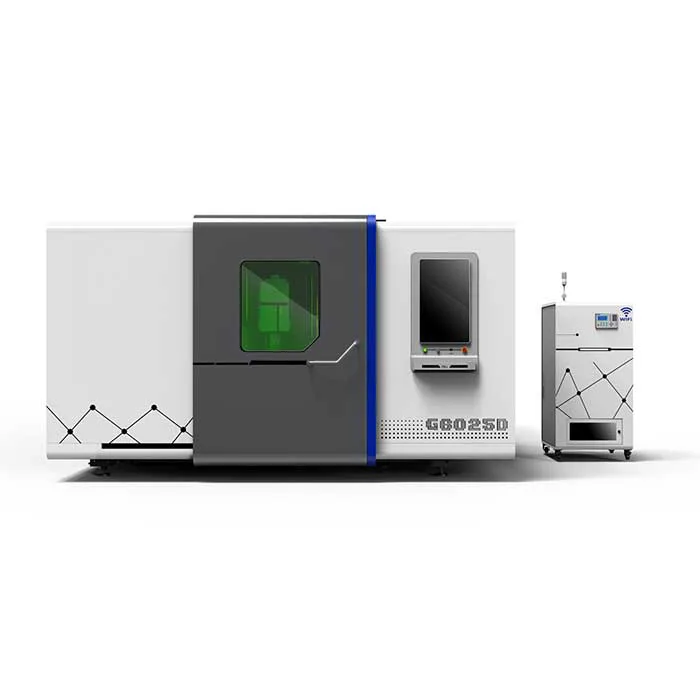
Iron Sheet Laser Cutting Machine: Unmatched Precision for Demanding Fabrication with METMAC
2026/01/06
-
Sheet Metal Press Brake: Ultimate Guide to Precision Bending Technology in 2024
2026/03/13 -
Metal Punching Machine: Ultimate Guide to Precision Manufacturing in 2024
2026/03/11 -
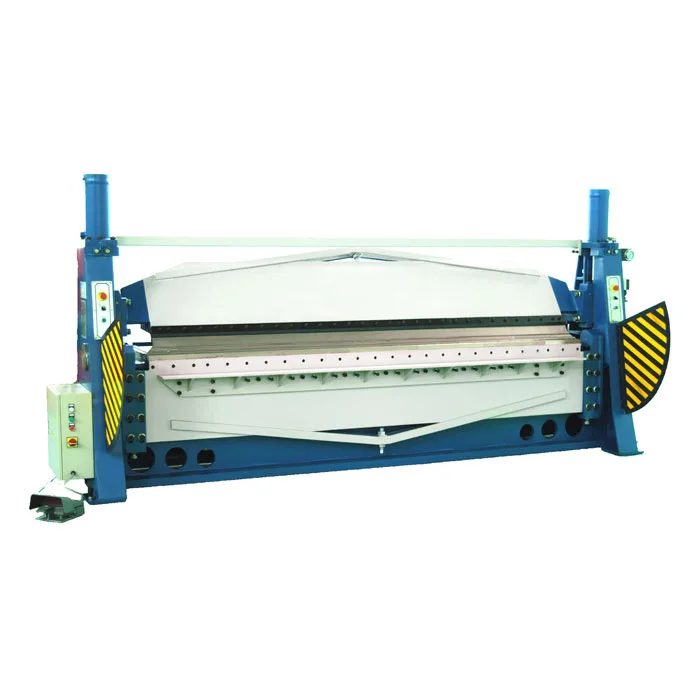
Metal Folding Machine: Comprehensive Guide to Precision Bending in 2024
2026/03/09 -
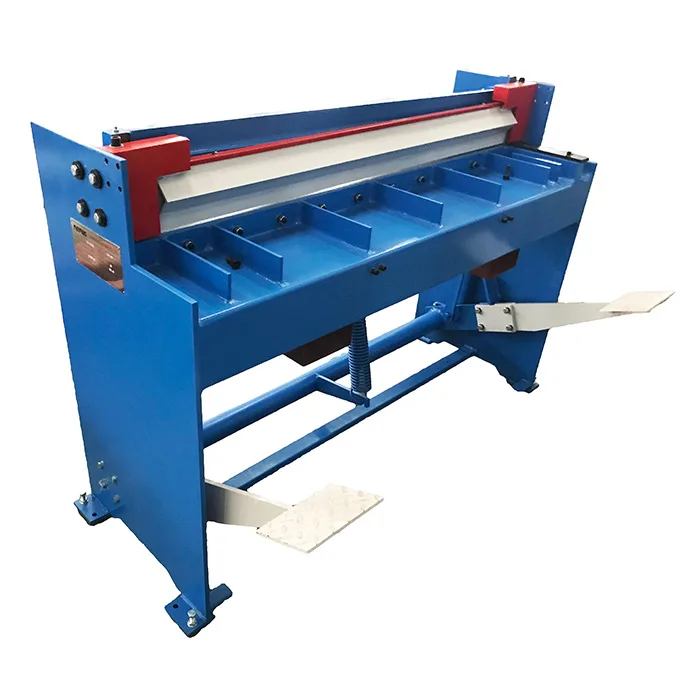
Sheet Metal Equipment: Ultimate Guide to Industrial Fabrication Solutions in 2026
2026/03/06
-
Understanding the Role and Function of Steel Strip Slitting Machines
2024/05/11 -
Maintenance Tips for Longevity of HVAC Duct Machines
2024/05/11 -
Innovations in Steel Strip Slitting Machine Design and Technology
2024/05/11 -
Improving Accuracy in Metal Fabrication with Laser Metal Shear Machines
2024/05/11
-
A Guide to the Latest Innovations in Sheet Metal Folding Machines
2024/11/29 -
Key Features to Consider When Investing in a Sheet Metal Folding Machine
2024/11/28 -
Enhancing Precision with Advanced Sheet Metal Folding Machines
2024/11/27 -
How to Choose the Right Sheet Metal Folding Machine for Your Workshop
2024/11/26
