


How to Integrate Metal Plate Bending Machines into Production Lines
Metal plate bending machines are essential equipment for forming and shaping metal plates into complex geometries. Integrating these machines into production lines streamlines manufacturing processes, improves productivity, and enhances product quality. Here’s a detailed guide on how to effectively integrate metal plate bending machines into your production lines:
1. Process Planning and Design
Thorough process planning is crucial to ensure seamless integration. Define the required bending operations, bending angles, and the sequence of steps involved. Consider factors such as material thickness, bend radii, and the desired final shape. Design the production line to accommodate the bending machine’s dimensions, weight, and operational requirements.
2. Machine Selection and Configuration
Carefully select a metal plate bending machine that meets the specific bending needs of your application. Consider factors such as bending capacity, speed, accuracy, and automation features. Configure the machine with the appropriate tooling, including dies, punches, and clamps, to achieve the desired bending results.
3. Automation and Integration
To maximize productivity, integrate the bending machine with other production line components, such as automated material handling systems, robots, and welding machines. Automate the loading, bending, and unloading processes to reduce cycle times, improve consistency, and eliminate manual errors.
4. Material Handling
Efficient material handling is essential to minimize downtime and ensure smooth operation of the bending machine. Implement automated material conveyors or robots to deliver metal plates to the bending area and remove finished parts. Optimize material flow to avoid bottlenecks and keep the machine running at optimal capacity.
5. Data Management and Control
Establish a data management system to monitor and control the bending machine’s performance. Integrate sensors to collect data on bending angles, material thickness, and machine status. Use this data to optimize bending parameters, identify potential issues, and improve overall process efficiency.
6. Safety Considerations
Safety is paramount when integrating bending machines into production lines. Ensure that the machine is properly guarded and equipped with safety devices to prevent accidents. Train operators on proper machine operation and safety procedures. Implement regular maintenance and inspection schedules to ensure the machine’s safe and reliable operation.
7. Operator Training and Development
Provide comprehensive training to operators on the safe and efficient operation of the bending machine. Ensure that operators understand the machine’s capabilities, limitations, and emergency procedures. Regular training and certification programs will enhance operator skills and improve machine utilization.
Conclusion
Integrating metal plate bending machines into production lines requires careful planning, engineering, and implementation. By following the strategies outlined in this article, manufacturers can achieve seamless integration, improve productivity, and enhance the overall quality of their metal forming processes. Continuous improvement, automation, and operator training will further optimize the integration and deliver ongoing benefits to the manufacturing operation.
-
Press Metal Machine: The Definitive Guide to Precision Metal Forming
2026/03/12 -
Metal Punching Machine: The Ultimate Guide to Precision Hole Punching
2026/03/10 -
Sheet Metal Machinery: The Ultimate Guide to Industrial Fabrication Excellence
2026/03/04 -
Iron Sheet Laser Cutting Machine: Unmatched Precision for Demanding Fabrication with METMAC
2026/01/06
-
Sheet Metal Press Brake: Ultimate Guide to Precision Bending Technology in 2024
2026/03/13 -
Metal Punching Machine: Ultimate Guide to Precision Manufacturing in 2024
2026/03/11 -
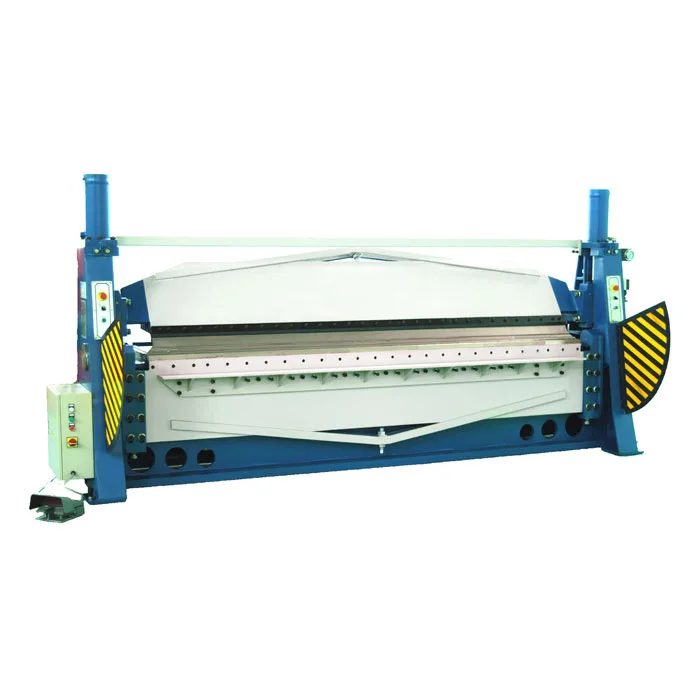
Metal Folding Machine: Comprehensive Guide to Precision Bending in 2024
2026/03/09 -
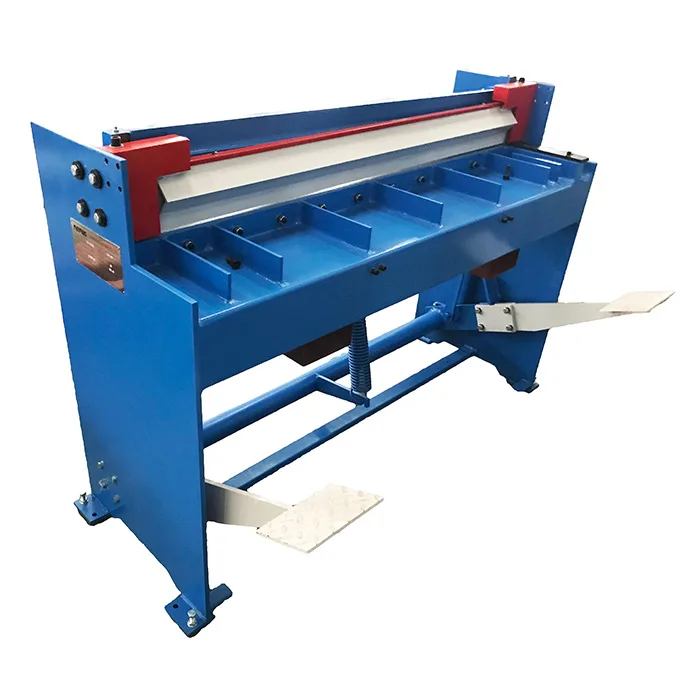
Sheet Metal Equipment: Ultimate Guide to Industrial Fabrication Solutions in 2026
2026/03/06
-
Integrating Automation with Rectangular Duct Machines for Enhanced Productivity
2024/05/11 -
Metal Shear Machines- Essential Tools for Precision Metal Cutting
2024/05/11 -
Understanding the Role and Function of Steel Strip Slitting Machines
2024/05/11 -
Maintenance Tips for Longevity of HVAC Duct Machines
2024/05/11
-
A Guide to the Latest Innovations in Sheet Metal Folding Machines
2024/11/29 -
Key Features to Consider When Investing in a Sheet Metal Folding Machine
2024/11/28 -
Enhancing Precision with Advanced Sheet Metal Folding Machines
2024/11/27 -
How to Choose the Right Sheet Metal Folding Machine for Your Workshop
2024/11/26
