


How to Evaluate and Choose the Best Metal Punching Machine
In the realm of metal fabrication, the metal punching machine reigns supreme as an indispensable tool for shaping and perforating sheet metal. Whether you’re a seasoned professional or a novice venturing into this field, selecting the ideal metal punching machine is a pivotal decision that can significantly impact your productivity and efficiency. This comprehensive guide will provide you with a step-by-step approach to evaluating and choosing the best metal punching machine to suit your specific needs and applications.
Factors to Consider
Selecting a metal punching machine involves carefully assessing several key factors:
Material Thickness:
Determine the maximum thickness of the sheet metal you plan to work with. This will dictate the required tonnage capacity of the machine.
Punching Force:
Expressed in tons, the punching force represents the machine’s ability to penetrate the metal. For thicker materials, a higher punching force is necessary.
Punching Speed:
Measured in strokes per minute (SPM), the punching speed indicates the machine’s productivity. Higher SPM values allow for faster processing.
Throat Depth:
This refers to the distance between the punching tool and the machine’s frame. A larger throat depth accommodates larger workpieces.
Accuracy and Precision:
The accuracy of a punching machine determines the consistency and quality of the punches. Precision refers to the repeatability of the punching process.
Types of Metal Punching Machines
Various types of metal punching machines cater to specific applications:
CNC Punching Machines:
Computer Numerical Control (CNC) machines are highly automated and offer precise punching with minimal operator intervention.
Turret Punching Machines:
These machines feature rotating turrets with multiple punch tools, enabling rapid and efficient punching of complex shapes.
Manual Punching Machines:
Suitable for small-scale operations, manual machines require manual operation and offer lower punching capacity.
Hydraulic Punching Machines:
Powered by hydraulic cylinders, these machines provide high punching force and are ideal for heavy-duty applications.
Pneumatic Punching Machines:
Using compressed air for power, pneumatic machines offer portability and are suitable for light-duty punching.
Additional Considerations
Beyond the main factors and types of punching machines, other considerations include:
Tooling Options:
The availability of a wide range of punching tools allows for versatility and customization.
Software and Controls:
Intuitive software and user-friendly controls enhance ease of operation and programming.
Maintenance and Support:
Access to reliable maintenance and support services is essential for long-term operation.
Cost:
The cost of the machine should align with your budget and return on investment.
Conclusion
Choosing the best metal punching machine involves a thorough evaluation of your needs, careful consideration of the available options, and an understanding of the technical aspects of the machine. By diligently following the steps outlined in this guide, you can make an informed decision that will optimize your metal fabrication process and elevate the quality of your end products. Remember, the right machine will empower you to punch with precision, efficiency, and confidence, empowering you to transform raw sheet metal into exceptional creations.
-
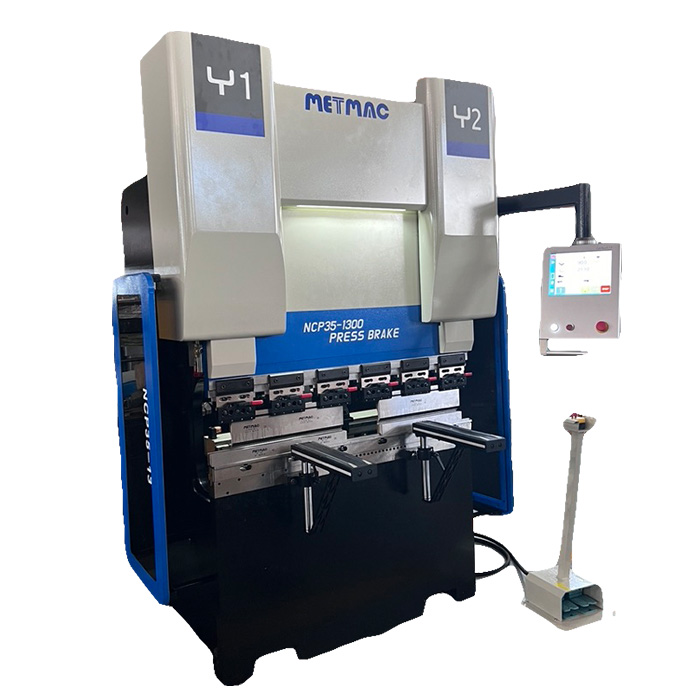
Press Metal Machine: The Definitive Guide to Precision Metal Forming
2026/03/12 -
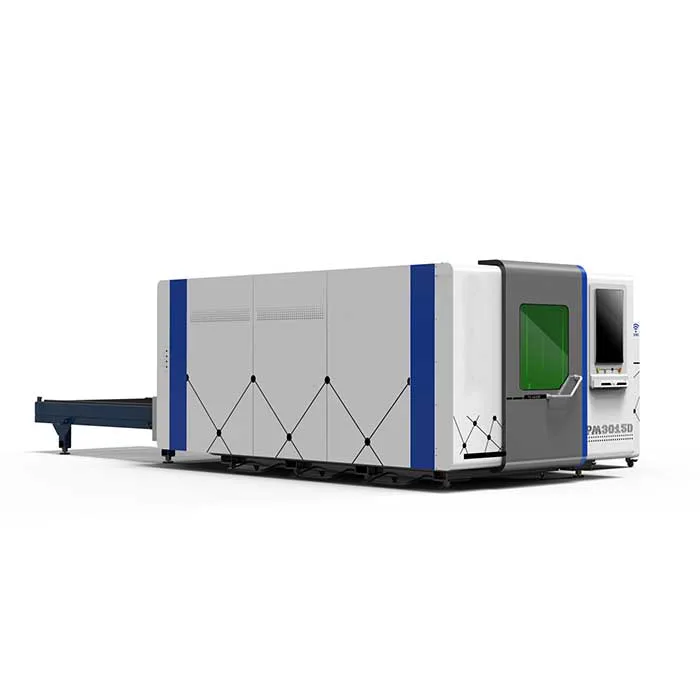
Metal Punching Machine: The Ultimate Guide to Precision Hole Punching
2026/03/10 -
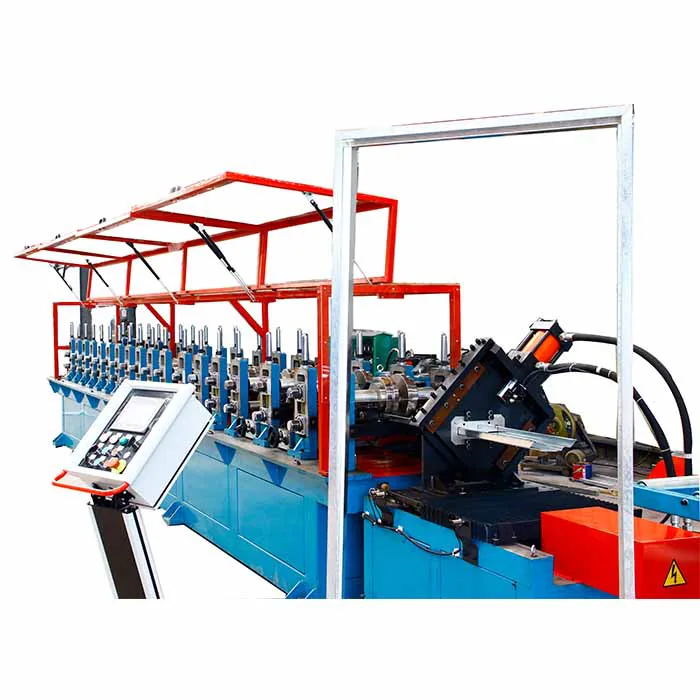
Sheet Metal Machinery: The Ultimate Guide to Industrial Fabrication Excellence
2026/03/04 -
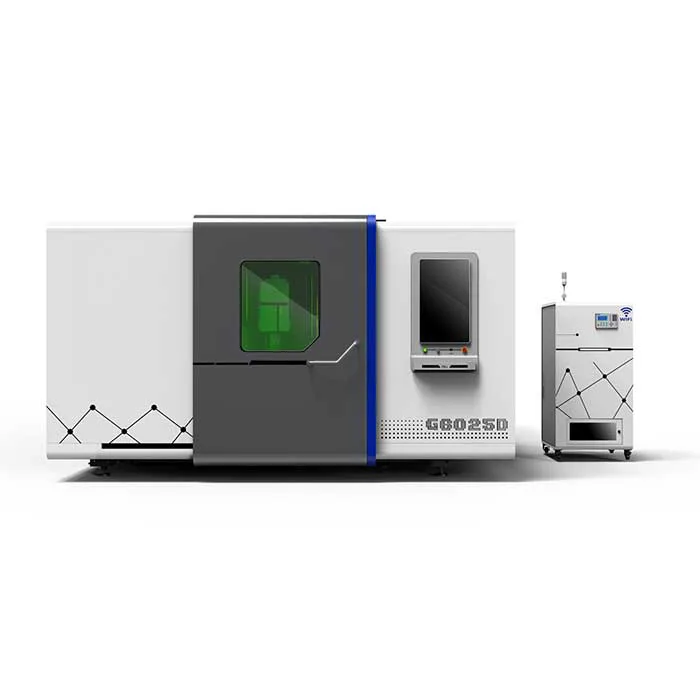
Iron Sheet Laser Cutting Machine: Unmatched Precision for Demanding Fabrication with METMAC
2026/01/06
-
Sheet Metal Press Brake: Ultimate Guide to Precision Bending Technology in 2024
2026/03/13 -
Metal Punching Machine: Ultimate Guide to Precision Manufacturing in 2024
2026/03/11 -
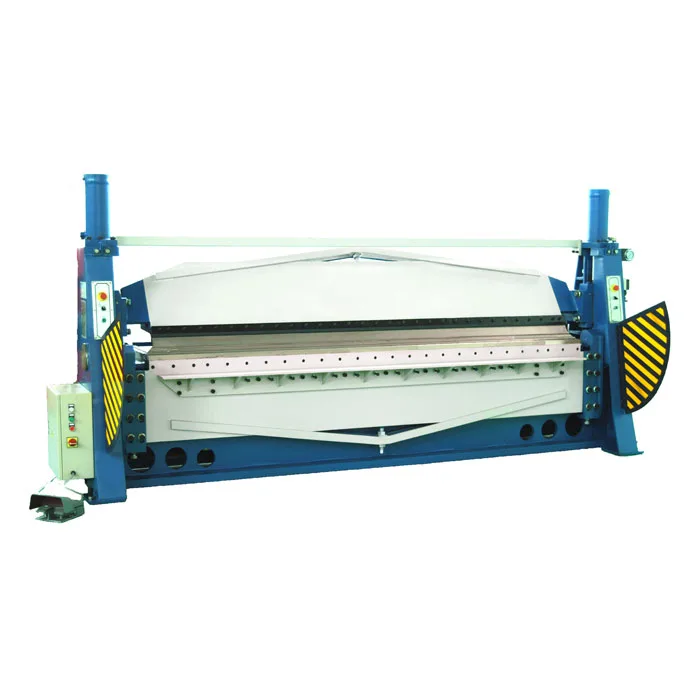
Metal Folding Machine: Comprehensive Guide to Precision Bending in 2024
2026/03/09 -
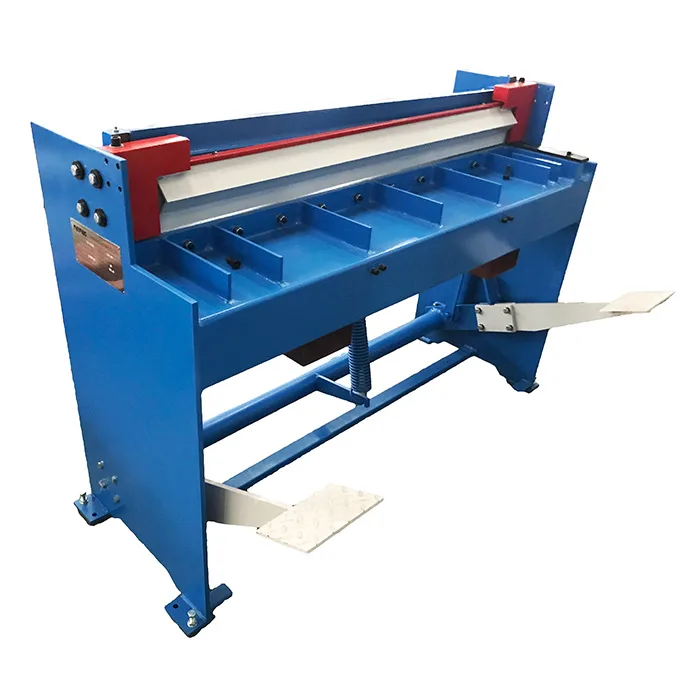
Sheet Metal Equipment: Ultimate Guide to Industrial Fabrication Solutions in 2026
2026/03/06
-
Integrating Automation with Rectangular Duct Machines for Enhanced Productivity
2024/05/11 -
Metal Shear Machines- Essential Tools for Precision Metal Cutting
2024/05/11 -
Understanding the Role and Function of Steel Strip Slitting Machines
2024/05/11 -
Maintenance Tips for Longevity of HVAC Duct Machines
2024/05/11
-
A Guide to the Latest Innovations in Sheet Metal Folding Machines
2024/11/29 -
Key Features to Consider When Investing in a Sheet Metal Folding Machine
2024/11/28 -
Enhancing Precision with Advanced Sheet Metal Folding Machines
2024/11/27 -
How to Choose the Right Sheet Metal Folding Machine for Your Workshop
2024/11/26
