


How to Choose Blades for Your Sheet Metal Cutting Machine
In the realm of sheet metal fabrication, selecting the right blades for your cutting machine is paramount to achieving optimal performance and precision. With a myriad of options available, it can be daunting to make the right choice. This comprehensive guide will delve into the intricacies of blade selection, empowering you to make an informed decision that will elevate your sheet metal cutting capabilities.
Blade Material
The choice of blade material directly influences the durability, longevity, and cutting performance of the blade. Common blade materials include:
High Carbon Steel (HCS)
– Affordable and widely available
– Moderate durability and cutting precision
– Suitable for general-purpose cutting applications
High Speed Steel (HSS)
– Enhanced durability and cutting speed
– Resistant to wear and tear
– Ideal for cutting thicker sheet metal and harder materials
Tungsten Carbide (TCT)
– Extremely hard and durable
– Maintains sharp cutting edges for longer
– Suitable for cutting abrasive materials and non-ferrous metals
Blade Geometry
The geometry of the blade plays a crucial role in its cutting efficiency and blade life. Key geometric factors to consider include:
Rake Angle
– Angle between the cutting edge and the surface of the sheet metal
– Positive rake angles facilitate smoother cutting
– Negative rake angles provide longer blade life but may require more force
Gullet
– Space between the teeth of the blade
– Wide gullets evacuate chips efficiently, reducing blade clogging
– Narrow gullets provide increased blade strength
Teeth
The teeth of the blade determine the quality of the cut and the blade’s lifespan. Important aspects include:
Teeth Per Inch (TPI)
– Number of teeth on the blade per linear inch
– Higher TPI produces finer cuts with reduced burring
– Lower TPI is suitable for thicker materials and aggressive cutting
Tooth Shape
– Varies depending on the type of material being cut
– Straight teeth for general-purpose cutting
– Alternating tooth patterns for improved chip removal
Other Considerations
Beyond material, geometry, and teeth, additional factors can also influence blade selection:
Blade Size
– Dependent on the size of the sheet metal and the machine’s capacity
– Use the correct blade size to ensure proper fit and cutting performance
Coating
– Coatings, such as titanium nitride, can enhance blade life and cutting performance
– Titanium nitride reduces friction and improves chip flow
Lubrication
– Proper lubrication of the blade is essential to extend its lifespan and reduce wear
– Use cutting fluids or anti-friction coatings to minimize friction and improve blade performance
-
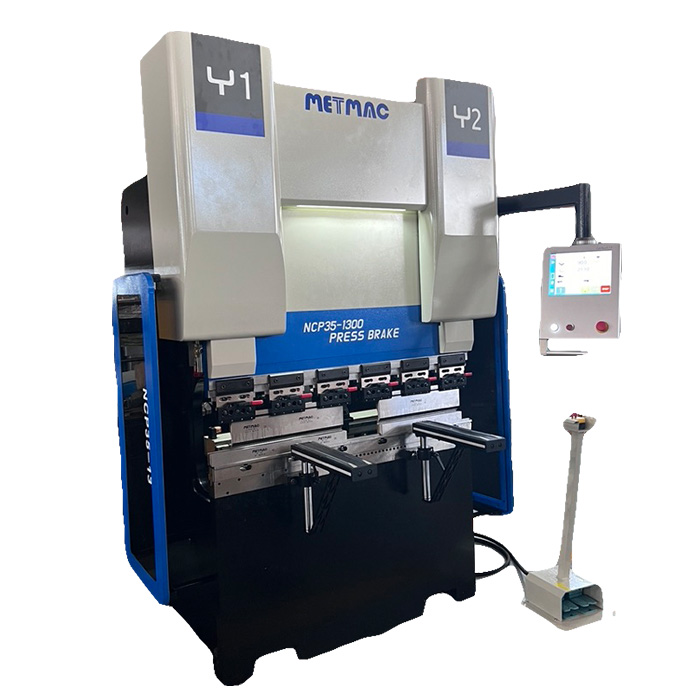
Press Metal Machine: The Definitive Guide to Precision Metal Forming
2026/03/12 -
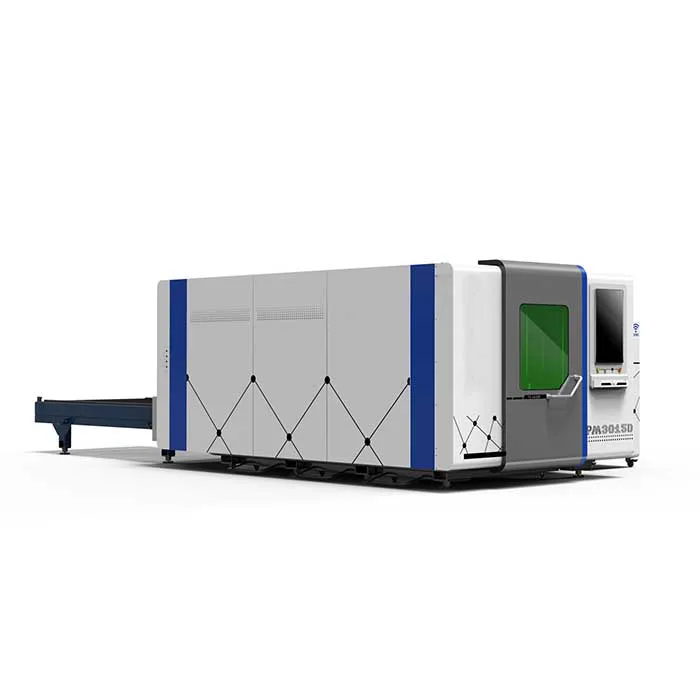
Metal Punching Machine: The Ultimate Guide to Precision Hole Punching
2026/03/10 -
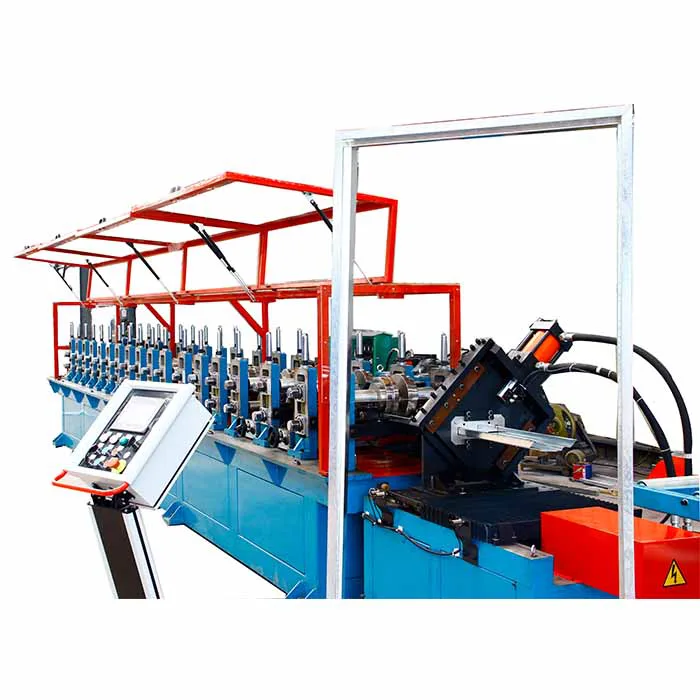
Sheet Metal Machinery: The Ultimate Guide to Industrial Fabrication Excellence
2026/03/04 -
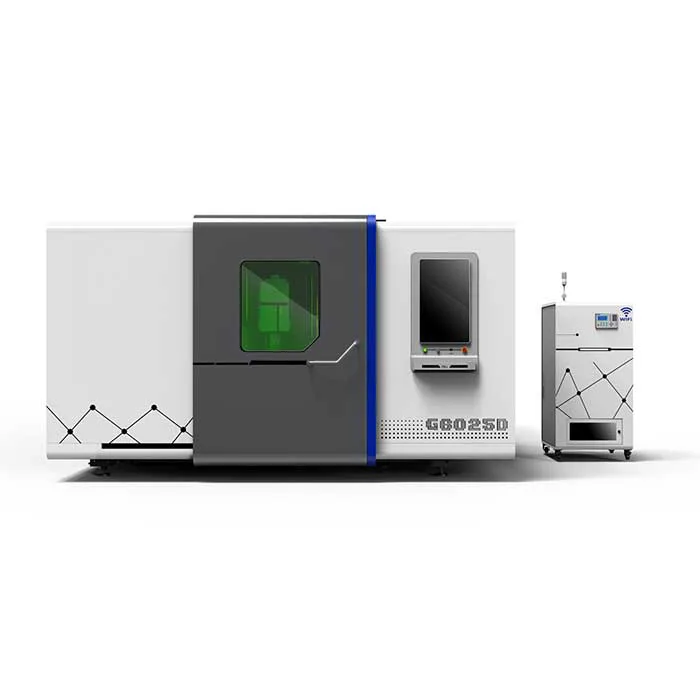
Iron Sheet Laser Cutting Machine: Unmatched Precision for Demanding Fabrication with METMAC
2026/01/06
-
Sheet Metal Press Brake: Ultimate Guide to Precision Bending Technology in 2024
2026/03/13 -
Metal Punching Machine: Ultimate Guide to Precision Manufacturing in 2024
2026/03/11 -
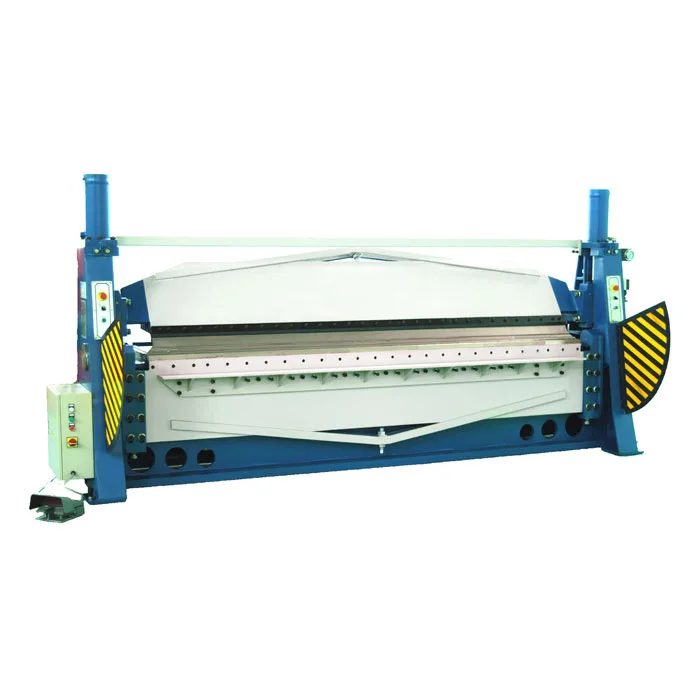
Metal Folding Machine: Comprehensive Guide to Precision Bending in 2024
2026/03/09 -
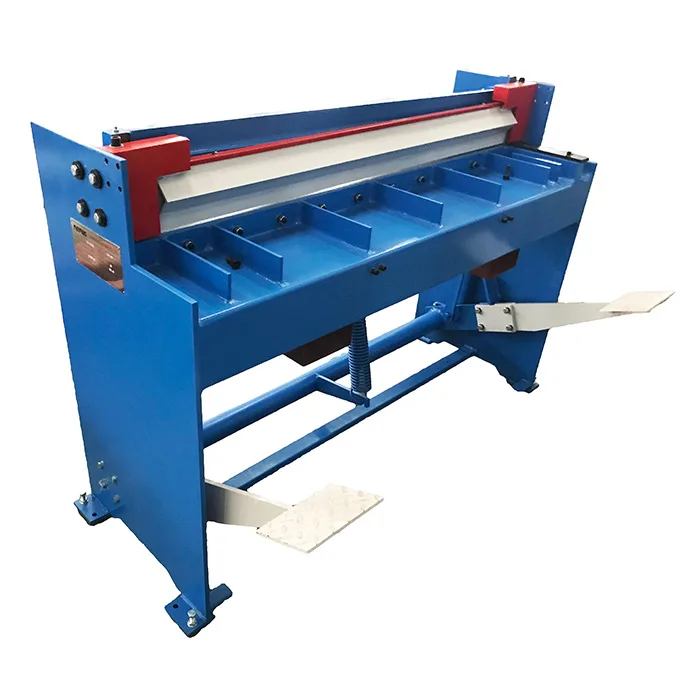
Sheet Metal Equipment: Ultimate Guide to Industrial Fabrication Solutions in 2026
2026/03/06
-
Latest Technological Advancements in Rectangular Duct Machines
2024/05/11 -
Integrating Automation with Rectangular Duct Machines for Enhanced Productivity
2024/05/11 -
Metal Shear Machines- Essential Tools for Precision Metal Cutting
2024/05/11 -
Understanding the Role and Function of Steel Strip Slitting Machines
2024/05/11
-
A Guide to the Latest Innovations in Sheet Metal Folding Machines
2024/11/29 -
Key Features to Consider When Investing in a Sheet Metal Folding Machine
2024/11/28 -
Enhancing Precision with Advanced Sheet Metal Folding Machines
2024/11/27 -
How to Choose the Right Sheet Metal Folding Machine for Your Workshop
2024/11/26
