


How to Choose Between Manual and Automatic Cold Roll Forming Machines
Cold roll forming is a manufacturing process that uses a series of rollers to bend and shape metal into various cross-sectional shapes. Cold roll forming machines are classified into two main types: manual and automatic. Choosing the right type of machine for your application is crucial to ensure efficiency, productivity, and product quality. This article provides a comprehensive guide to help you make an informed decision between manual and automatic cold roll forming machines.
Factors to Consider
Volume of Production
The volume of production is a primary factor to consider. Manual machines are ideal for low-volume production, such as prototyping or custom orders. They offer flexibility and cost-effectiveness for small batches. On the other hand, automatic machines are designed for mass production and can handle high volumes efficiently. They provide increased throughput and labor savings, making them suitable for large-scale operations.
Precision Requirements
The level of precision required in the finished product is another important consideration. Manual machines require skilled operators to achieve precise forming, which can be challenging for complex shapes. Automatic machines, on the other hand, are programmed with specific parameters that ensure consistent and accurate forming. They are ideal for applications where precise tolerances and high-quality standards are essential.
Labor Costs
Labor costs can significantly impact the overall cost of production. Manual machines require the presence of an operator to feed the material, adjust settings, and monitor the process. Automatic machines, however, can operate independently, reducing labor requirements. If labor costs are a major concern, automatic machines offer significant savings in the long run.
Automation Level
The automation level desired also influences the choice of machine. Manual machines require manual intervention throughout the process, while automatic machines can be fully automated. Automatic machines can be programmed to perform multiple tasks, such as material loading, forming, cutting-off, and stacking. They significantly reduce the need for human intervention, resulting in increased productivity.
Complexity of Parts
The complexity of the parts being formed also plays a role in the decision-making process. Manual machines are suitable for less complex parts that require minimal setup and adjustments. Automatic machines, however, are more efficient for complex parts that require multiple passes and tool changes. They can be programmed to handle intricate shapes and provide consistent forming across large batches.
Choosing between manual and automatic cold roll forming machines requires careful consideration of several factors, including volume of production, precision requirements, labor costs, automation level, and complexity of parts. Manual machines are suitable for low-volume production, complex parts, and applications where precision is not paramount. Automatic machines, on the other hand, are ideal for mass production, precise forming, labor savings, and complex parts requiring high automation. By weighing these factors and analyzing your specific needs, you can make an informed decision that optimizes efficiency, productivity, and product quality.
-
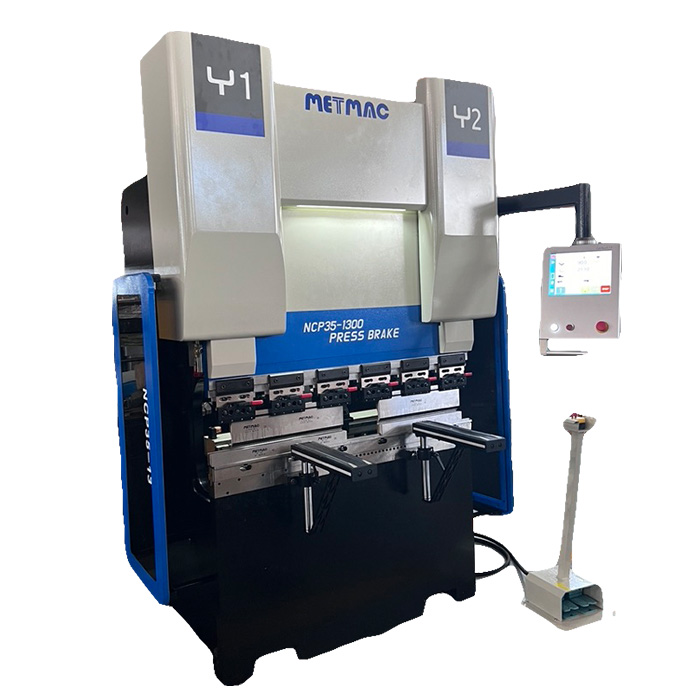
Press Metal Machine: The Definitive Guide to Precision Metal Forming
2026/03/12 -
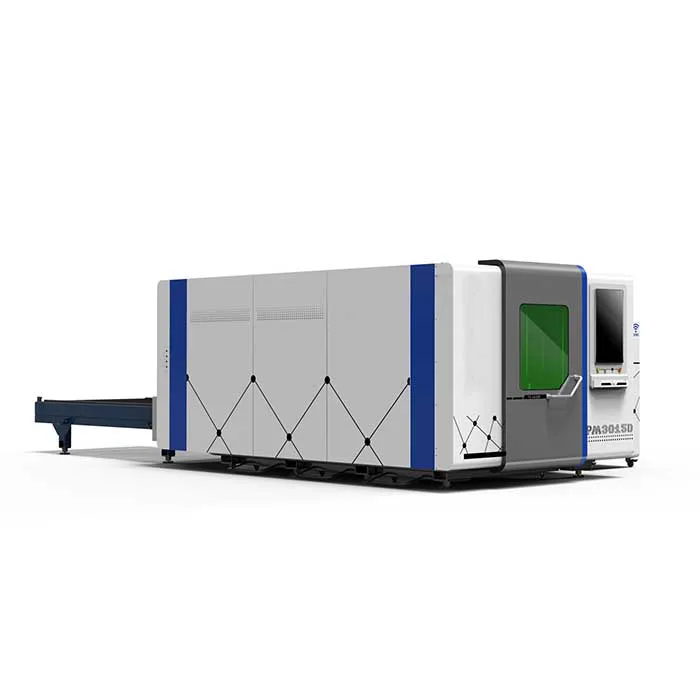
Metal Punching Machine: The Ultimate Guide to Precision Hole Punching
2026/03/10 -
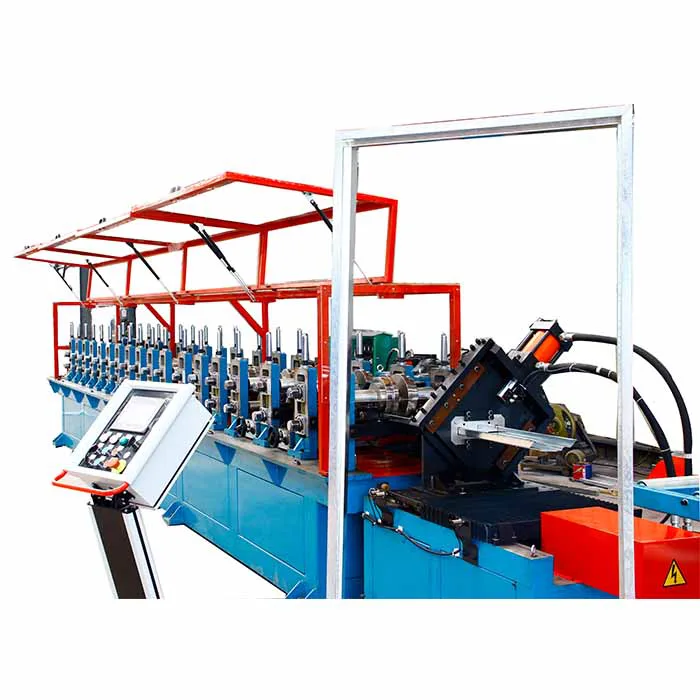
Sheet Metal Machinery: The Ultimate Guide to Industrial Fabrication Excellence
2026/03/04 -
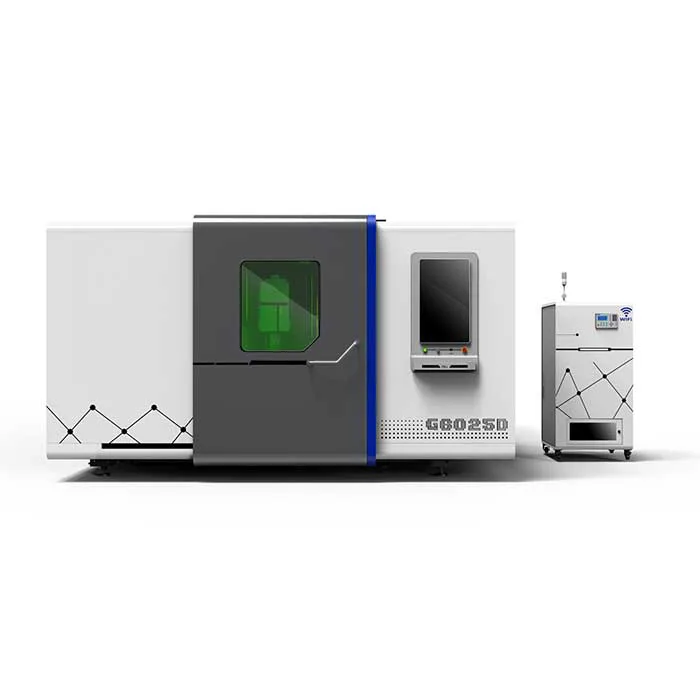
Iron Sheet Laser Cutting Machine: Unmatched Precision for Demanding Fabrication with METMAC
2026/01/06
-
Sheet Metal Press Brake: Ultimate Guide to Precision Bending Technology in 2024
2026/03/13 -
Metal Punching Machine: Ultimate Guide to Precision Manufacturing in 2024
2026/03/11 -
Metal Folding Machine: Comprehensive Guide to Precision Bending in 2024
2026/03/09 -
Sheet Metal Equipment: Ultimate Guide to Industrial Fabrication Solutions in 2026
2026/03/06
-
Latest Technological Advancements in Rectangular Duct Machines
2024/05/11 -
Integrating Automation with Rectangular Duct Machines for Enhanced Productivity
2024/05/11 -
Metal Shear Machines- Essential Tools for Precision Metal Cutting
2024/05/11 -
Understanding the Role and Function of Steel Strip Slitting Machines
2024/05/11
-
A Guide to the Latest Innovations in Sheet Metal Folding Machines
2024/11/29 -
Key Features to Consider When Investing in a Sheet Metal Folding Machine
2024/11/28 -
Enhancing Precision with Advanced Sheet Metal Folding Machines
2024/11/27 -
How to Choose the Right Sheet Metal Folding Machine for Your Workshop
2024/11/26
