


How to Achieve Perfect Bends with Sheet Round Bending Machines
Achieving perfect bends with sheet round bending machines requires meticulous attention to detail, precise machine operation, and understanding of material properties. This article delves into all aspects of the bending process, empowering readers to produce bends with the desired accuracy, aesthetics, and strength.
Machine Setup and Calibration
The foundation for perfect bends lies in proper machine setup. Calibrate the machine according to the manufacturer’s instructions, paying particular attention to:
– Roll Gap: Set the distance between the top and bottom rolls to match the material thickness being bent.
– Roll Alignment: Ensure the rolls are aligned parallel to each other and perpendicular to the bending direction.
– Material Feeding: Adjust the material feed rate to prevent slipping or crushing.
Material Selection and Preparation
The choice of material is crucial for achieving desired bend quality. Factors to consider include:
– Material Thickness: Thicker materials require higher bending force and wider roll gaps.
– Yield Strength: Yield strength determines the material’s resistance to bending. Choose materials with sufficient yield strength for the required bend radius.
– Surface Finish: Smooth surfaces result in cleaner bends. Remove any coatings or imperfections that may affect grip.
Bending Process
Execute the bending process meticulously to minimize defects:
– Lubrication: Apply lubrication to the rolls and material to reduce friction and prevent scratching.
– Bending Pressure: Apply appropriate bending pressure to create the desired bend radius without overbending.
– Speed: Control the bending speed to avoid vibration and ensure a smooth bend.
Finishing and Inspection
After bending, ensure the quality of the bend:
– De-Stress: If the material is prone to springback, de-stress the bend by applying a reverse bend and immediately releasing it.
– Quality Inspection: Inspect the bend for accuracy, surface quality, and overall shape. Use measuring tools to verify dimensions and detect any imperfections.
Troubleshooting Common Bending Issues
– Wrinkles: Reduce roll gap, slow down bending speed, or apply lubrication.
– Cracking: Use a smaller bending radius, reduce bending pressure, or select a material with higher yield strength.
– Buckling: Reduce feed rate, increase roll pressure, or use a backing bar for support.
Conclusion
Achieving perfect bends with sheet round bending machines requires a comprehensive approach that encompasses machine setup, material selection, precise bending technique, and attentive finishing and inspection. By following the guidelines outlined in this article, operators can consistently produce high-quality, aesthetically pleasing, and structurally sound bends for a wide range of applications.
-
Roll Forming Machines: How Sheet Metal Becomes Structural Shapes
2026/10/08 -
Duct Making Machines for High-Output Rectangular Duct Fabrication
2026/10/08 -
Sheet Metal Machine Selection for Precise Bending and Folding
2026/10/08 -
Metalworking Equipment: Choosing the Right Machinery for Modern Fabrication
2026/10/08
-
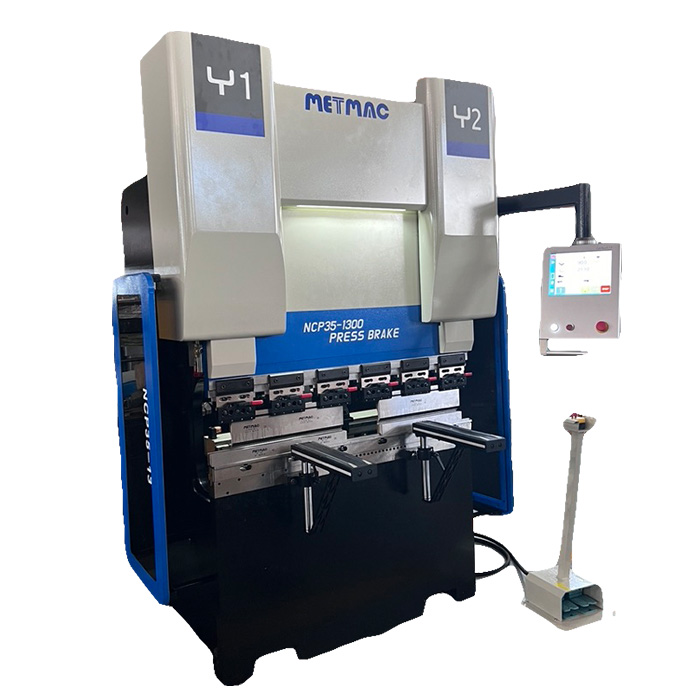
Sheet Metal Press Brake: Ultimate Guide to Precision Bending Technology in 2024
2026/03/13 -
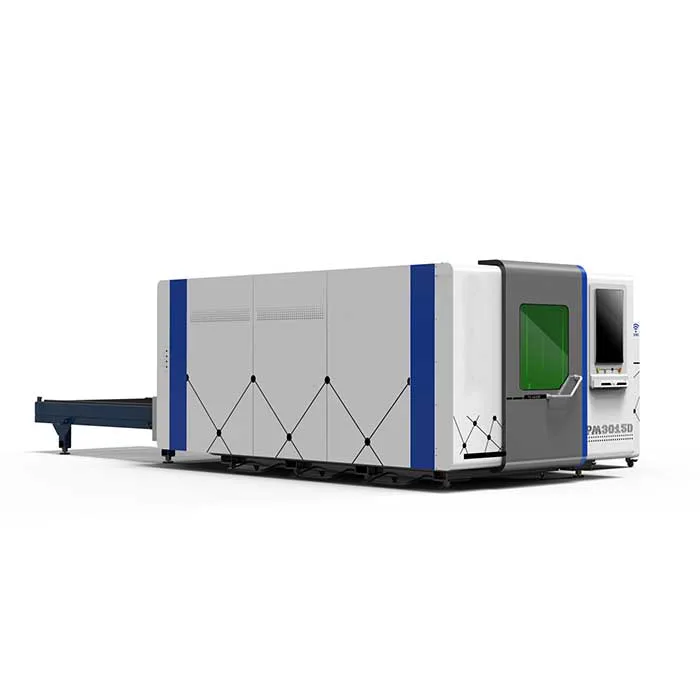
Metal Punching Machine: Ultimate Guide to Precision Manufacturing in 2024
2026/03/11 -
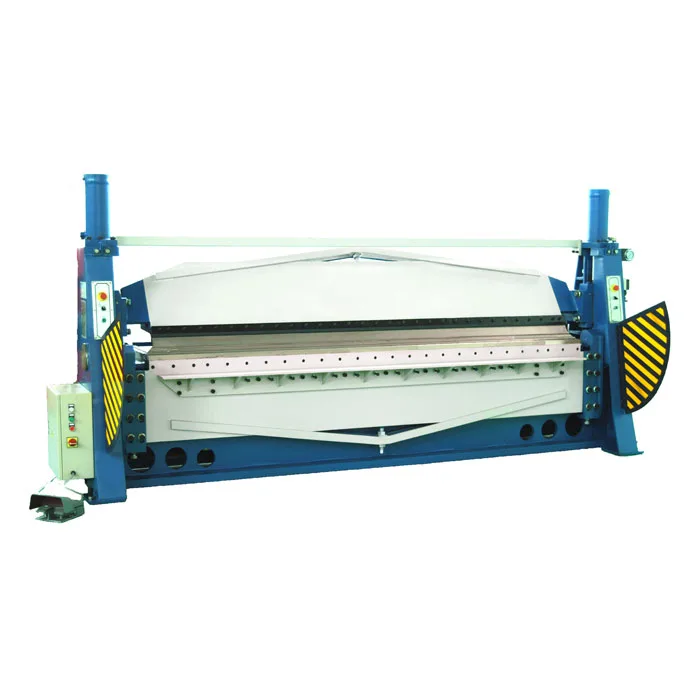
Metal Folding Machine: Comprehensive Guide to Precision Bending in 2024
2026/03/09 -
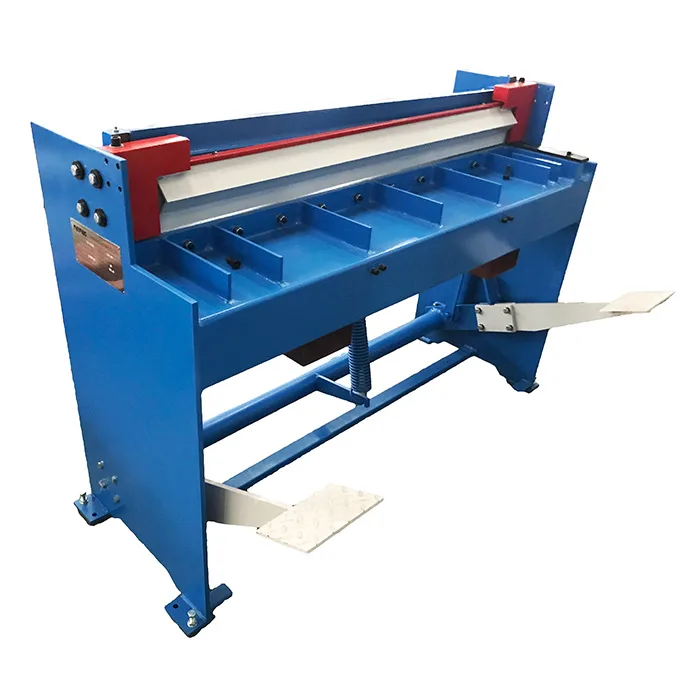
Sheet Metal Equipment: Ultimate Guide to Industrial Fabrication Solutions in 2026
2026/03/06
-
A Guide to the Latest Innovations in Sheet Metal Folding Machines
2024/11/29 -
Key Features to Consider When Investing in a Sheet Metal Folding Machine
2024/11/28 -
Enhancing Precision with Advanced Sheet Metal Folding Machines
2024/11/27 -
How to Choose the Right Sheet Metal Folding Machine for Your Workshop
2024/11/26
