

How Sheet Roll Forming Machines Handle Different Metal Types and Thicknesses
Unveiling the Versatility of Sheet Roll Forming Machines: Metal Mastery in Diverse Dimensions
In the realm of metal fabrication, sheet roll forming machines reign supreme, their versatility a testament to their engineering prowess. These machines possess the remarkable ability to transform raw metal sheets into intricate profiles, accommodating a wide array of metal types and thicknesses.
Metal Mastery: Catering to Diverse Alloys
Sheet roll forming machines are adept at handling various metal types, each with its unique properties and applications. Mild steel, known for its strength and formability, is a common choice for structural components and automotive parts. Aluminum, renowned for its lightness and corrosion resistance, finds its niche in industries such as aerospace and transportation. Stainless steel’s resistance to corrosion and heat makes it ideal for food processing equipment and medical devices.
Thickness Triumph: Embracing Variable Gauges
The ability to handle different metal thicknesses is another testament to the versatility of sheet roll forming machines. They can process thin sheets used in electronics and packaging, as well as thicker sheets employed in construction and heavy machinery. With precise control over the roll gap, these machines ensure consistent and accurate forming, regardless of the material’s gauge.
The Science Behind the Magic: Mechanical Force and Precise Tolerances
Sheet roll forming machines employ a series of rollers, each meticulously shaped to impart a specific deformation to the metal sheet. By carefully controlling the sequence and pressure of the rollers, these machines gradually transform the flat sheet into the desired profile. Sophisticated sensors and advanced control systems ensure precise tolerances, minimizing waste and maximizing the quality of the finished product.
Applications Galore: A Tapestry of Industries
The versatility of sheet roll forming machines has earned them a place in a diverse range of industries. They are indispensable in the production of building components, such as roofing, siding, and framing. In the automotive sector, they shape intricate body panels and structural members. They also find use in the manufacture of appliances, furniture, and medical equipment.
: Engineering Ingenuity at Its Finest
Sheet roll forming machines stand as a testament to the ingenuity of modern engineering. Their ability to handle different metal types and thicknesses enables them to meet the demands of a myriad of industries. As technology continues to evolve, these machines will undoubtedly play an increasingly vital role in shaping the future of metal fabrication.
-
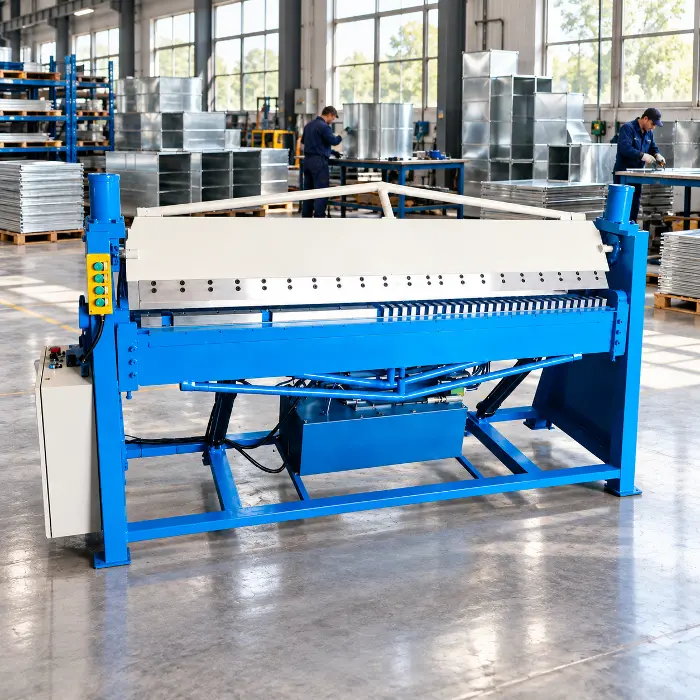
Choosing HVAC Duct Folding Machines for Flange-Safe Bending
2026/10/13 -
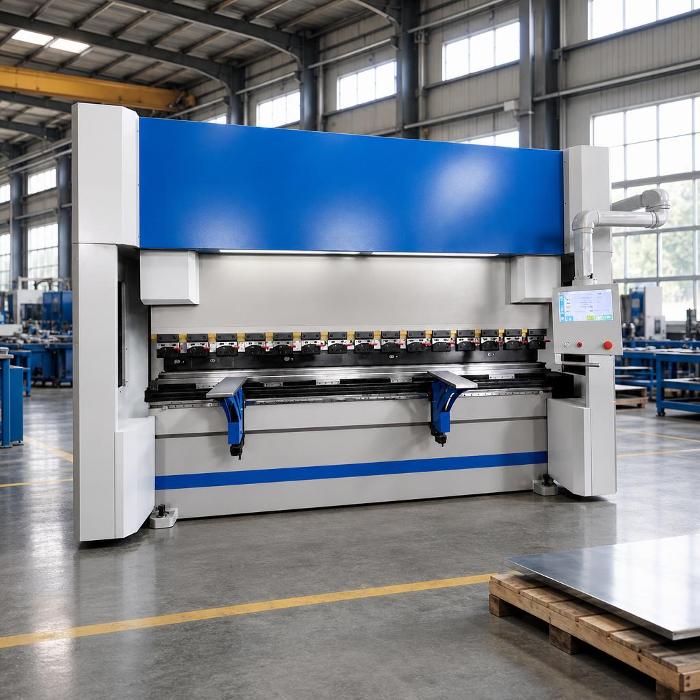
Precision Metal Forming Machines: What Separates Accurate Bends From Scrapped Sheet
2026/10/12 -
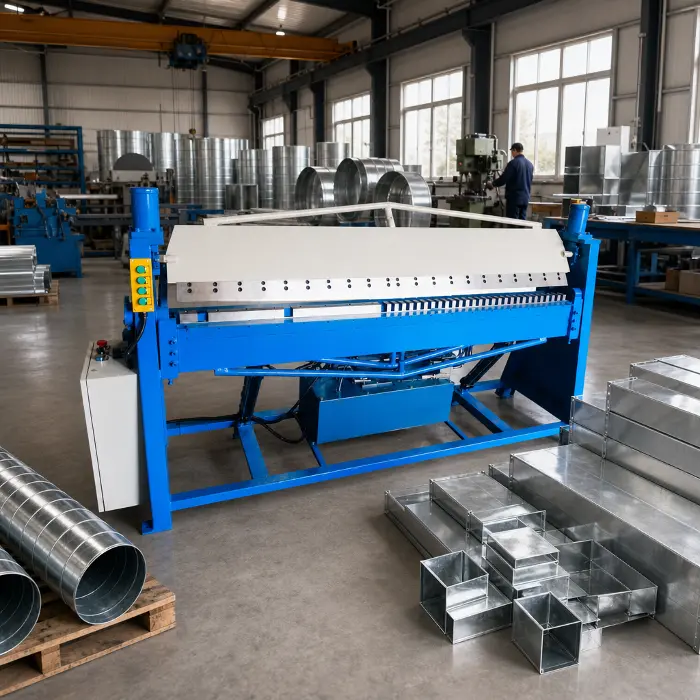
What to Look for in an HVAC Folding Machine Manufacturer
2026/10/11 -
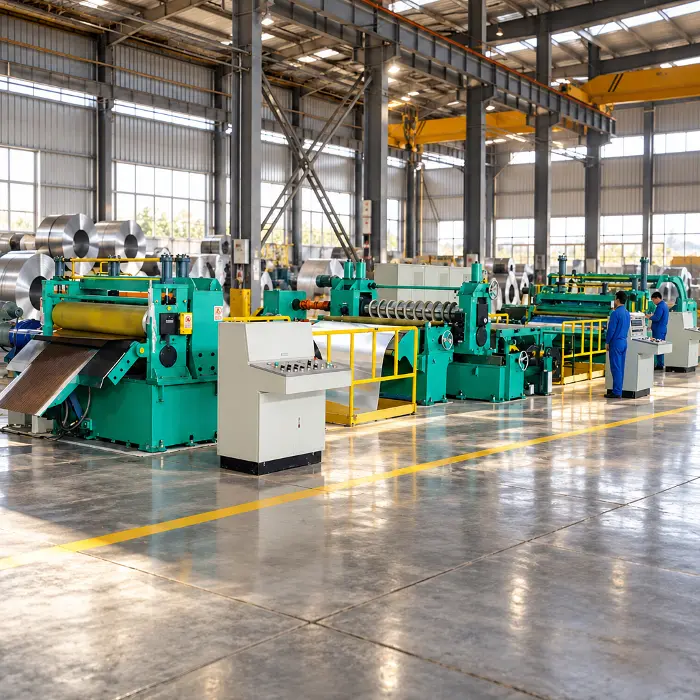
Steel Strip Cutting Machine: Engineering Precision in Modern Metal Processing
2026/10/10
-
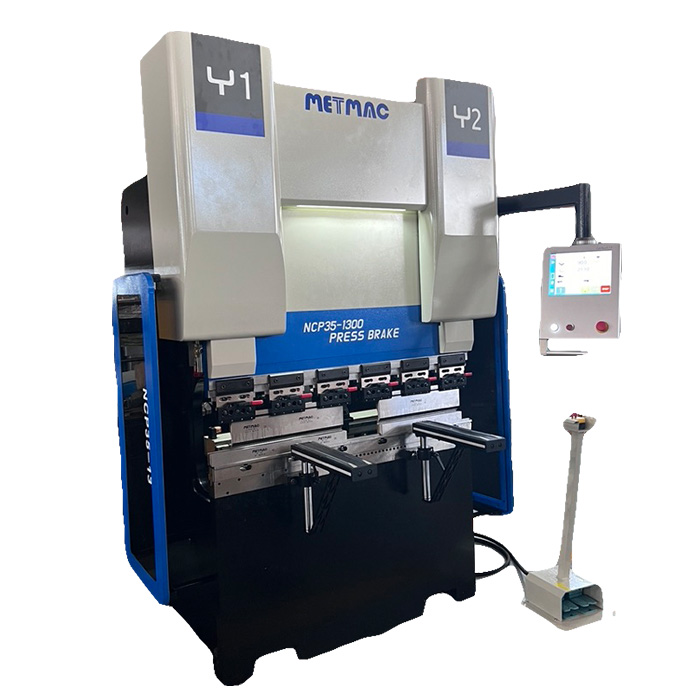
Sheet Metal Press Brake: Ultimate Guide to Precision Bending Technology in 2024
2026/03/13 -
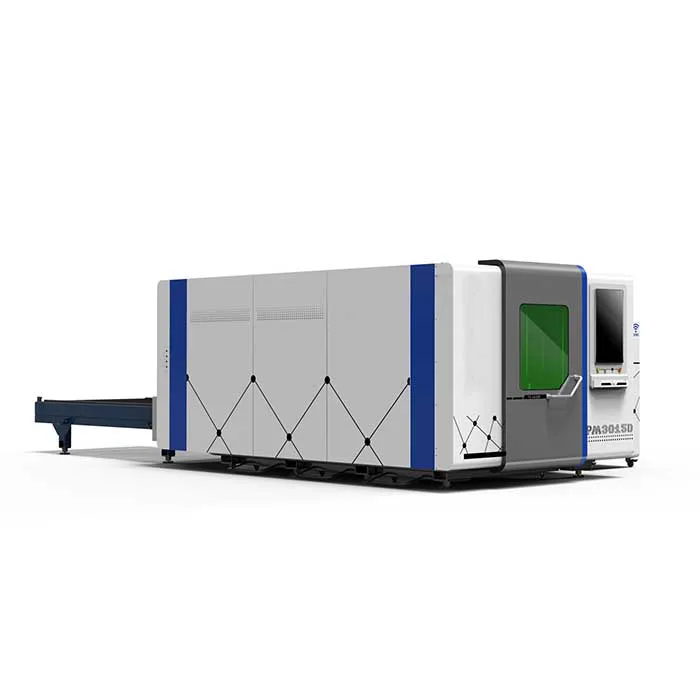
Metal Punching Machine: Ultimate Guide to Precision Manufacturing in 2024
2026/03/11 -
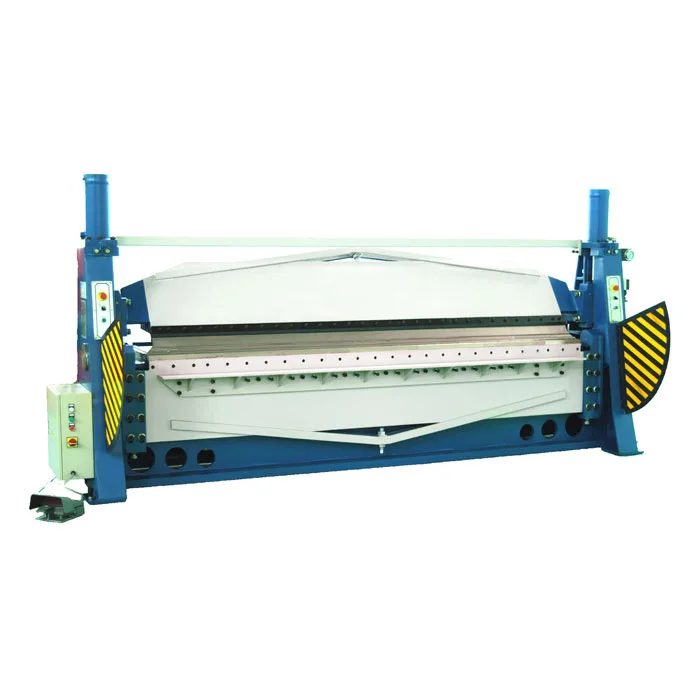
Metal Folding Machine: Comprehensive Guide to Precision Bending in 2024
2026/03/09 -
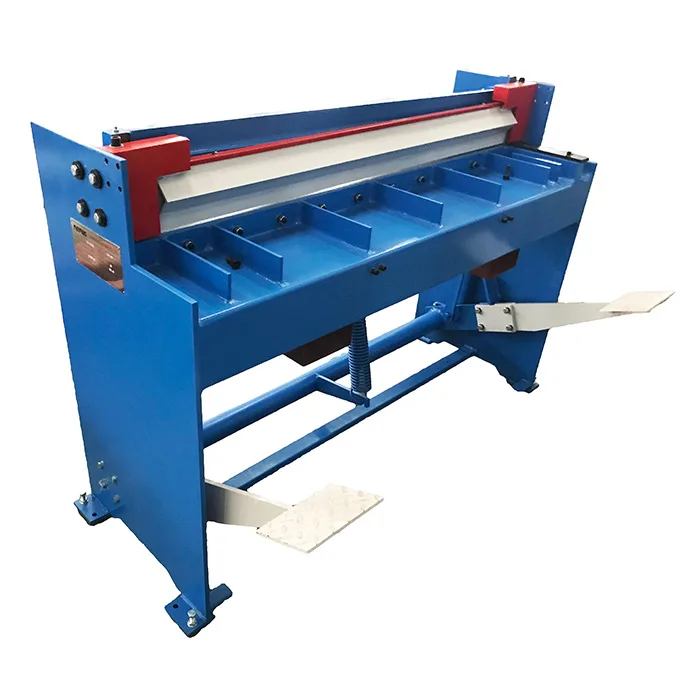
Sheet Metal Equipment: Ultimate Guide to Industrial Fabrication Solutions in 2026
2026/03/06
-
A Guide to the Latest Innovations in Sheet Metal Folding Machines
2024/11/29 -
Key Features to Consider When Investing in a Sheet Metal Folding Machine
2024/11/28 -
Enhancing Precision with Advanced Sheet Metal Folding Machines
2024/11/27 -
How to Choose the Right Sheet Metal Folding Machine for Your Workshop
2024/11/26
