

How Duct Forming Machines Improve Airflow Efficiency
Air duct systems are a crucial component of any building’s HVAC (heating, ventilation, and air conditioning) system. They distribute conditioned air throughout the building, ensuring a comfortable indoor environment. However, poorly designed or installed duct systems can lead to reduced airflow efficiency, resulting in higher energy consumption and decreased comfort levels. Duct forming machines play a vital role in optimizing airflow efficiency by producing high-quality, tailored air ducts that minimize pressure drops and air leaks.
Duct forming machines utilize advanced technology to shape and form duct components with exceptional accuracy. This precision ensures the ducts are manufactured to precise dimensions, eliminating gaps and misalignments that can cause airflow disruptions and energy loss. Accurate dimensions also enable seamless connections between duct sections, resulting in a tightly sealed system that prevents air leakage.
Duct forming machines create ducts with smooth interior surfaces. This minimizes friction between the air and the duct walls, reducing resistance to airflow. Smooth surfaces allow air to flow more freely, resulting in lower pressure drops and improved airflow efficiency. In contrast, rough or uneven duct surfaces can create turbulence and increase friction, hindering the efficient distribution of conditioned air.
Duct forming machines also enable the precise bending of ducts to create smooth transitions between sections. Proper bend radii ensure that air can flow around bends without encountering significant resistance. Sharp bends or abrupt changes in direction can create turbulence, disrupting airflow and reducing efficiency. The ability to form bends with optimal radii allows duct systems to maintain a consistent flow of air throughout the building.
Duct forming machines help create air-tight duct systems by minimizing leaks and gaps. Precision forming and proper connections ensure that duct sections fit together snugly, preventing air from escaping. The use of gaskets or sealants further enhances the tightness of the system, eliminating the infiltration of outside air and reducing energy waste.
Duct forming machines offer the flexibility to create custom-sized and shaped ducts to meet specific application requirements. This allows for the optimization of airflow efficiency in buildings with unique layouts or complex geometries. By designing ducts that fit the available space and conform to the airflow patterns, duct forming machines enhance airflow efficiency and provide a comfortable indoor environment.
Conclusion
In conclusion, duct forming machines play a pivotal role in improving airflow efficiency in buildings. By producing ducts with precise dimensions, smooth surfaces, proper bend radii, and minimal leaks, duct forming machines ensure that conditioned air is distributed throughout the building with minimal resistance. This results in reduced energy consumption, increased comfort levels, and improved indoor air quality. Investing in high-quality duct forming machines is essential for designing and installing efficient HVAC systems that meet the demands of modern buildings.
Duct forming machines utilize advanced technology to shape and form duct components with exceptional accuracy. This precision ensures the ducts are manufactured to precise dimensions, eliminating gaps and misalignments that can cause airflow disruptions and energy loss. Accurate dimensions also enable seamless connections between duct sections, resulting in a tightly sealed system that prevents air leakage.
Duct forming machines create ducts with smooth interior surfaces. This minimizes friction between the air and the duct walls, reducing resistance to airflow. Smooth surfaces allow air to flow more freely, resulting in lower pressure drops and improved airflow efficiency. In contrast, rough or uneven duct surfaces can create turbulence and increase friction, hindering the efficient distribution of conditioned air.
Duct forming machines also enable the precise bending of ducts to create smooth transitions between sections. Proper bend radii ensure that air can flow around bends without encountering significant resistance. Sharp bends or abrupt changes in direction can create turbulence, disrupting airflow and reducing efficiency. The ability to form bends with optimal radii allows duct systems to maintain a consistent flow of air throughout the building.
Duct forming machines help create air-tight duct systems by minimizing leaks and gaps. Precision forming and proper connections ensure that duct sections fit together snugly, preventing air from escaping. The use of gaskets or sealants further enhances the tightness of the system, eliminating the infiltration of outside air and reducing energy waste.
Duct forming machines offer the flexibility to create custom-sized and shaped ducts to meet specific application requirements. This allows for the optimization of airflow efficiency in buildings with unique layouts or complex geometries. By designing ducts that fit the available space and conform to the airflow patterns, duct forming machines enhance airflow efficiency and provide a comfortable indoor environment.
Conclusion
In conclusion, duct forming machines play a pivotal role in improving airflow efficiency in buildings. By producing ducts with precise dimensions, smooth surfaces, proper bend radii, and minimal leaks, duct forming machines ensure that conditioned air is distributed throughout the building with minimal resistance. This results in reduced energy consumption, increased comfort levels, and improved indoor air quality. Investing in high-quality duct forming machines is essential for designing and installing efficient HVAC systems that meet the demands of modern buildings.
Duct forming machines create ducts with smooth interior surfaces. This minimizes friction between the air and the duct walls, reducing resistance to airflow. Smooth surfaces allow air to flow more freely, resulting in lower pressure drops and improved airflow efficiency. In contrast, rough or uneven duct surfaces can create turbulence and increase friction, hindering the efficient distribution of conditioned air.
Duct forming machines also enable the precise bending of ducts to create smooth transitions between sections. Proper bend radii ensure that air can flow around bends without encountering significant resistance. Sharp bends or abrupt changes in direction can create turbulence, disrupting airflow and reducing efficiency. The ability to form bends with optimal radii allows duct systems to maintain a consistent flow of air throughout the building.
Duct forming machines help create air-tight duct systems by minimizing leaks and gaps. Precision forming and proper connections ensure that duct sections fit together snugly, preventing air from escaping. The use of gaskets or sealants further enhances the tightness of the system, eliminating the infiltration of outside air and reducing energy waste.
Duct forming machines offer the flexibility to create custom-sized and shaped ducts to meet specific application requirements. This allows for the optimization of airflow efficiency in buildings with unique layouts or complex geometries. By designing ducts that fit the available space and conform to the airflow patterns, duct forming machines enhance airflow efficiency and provide a comfortable indoor environment.
Conclusion
In conclusion, duct forming machines play a pivotal role in improving airflow efficiency in buildings. By producing ducts with precise dimensions, smooth surfaces, proper bend radii, and minimal leaks, duct forming machines ensure that conditioned air is distributed throughout the building with minimal resistance. This results in reduced energy consumption, increased comfort levels, and improved indoor air quality. Investing in high-quality duct forming machines is essential for designing and installing efficient HVAC systems that meet the demands of modern buildings.
Duct forming machines also enable the precise bending of ducts to create smooth transitions between sections. Proper bend radii ensure that air can flow around bends without encountering significant resistance. Sharp bends or abrupt changes in direction can create turbulence, disrupting airflow and reducing efficiency. The ability to form bends with optimal radii allows duct systems to maintain a consistent flow of air throughout the building.
Duct forming machines help create air-tight duct systems by minimizing leaks and gaps. Precision forming and proper connections ensure that duct sections fit together snugly, preventing air from escaping. The use of gaskets or sealants further enhances the tightness of the system, eliminating the infiltration of outside air and reducing energy waste.
Duct forming machines offer the flexibility to create custom-sized and shaped ducts to meet specific application requirements. This allows for the optimization of airflow efficiency in buildings with unique layouts or complex geometries. By designing ducts that fit the available space and conform to the airflow patterns, duct forming machines enhance airflow efficiency and provide a comfortable indoor environment.
Conclusion
In conclusion, duct forming machines play a pivotal role in improving airflow efficiency in buildings. By producing ducts with precise dimensions, smooth surfaces, proper bend radii, and minimal leaks, duct forming machines ensure that conditioned air is distributed throughout the building with minimal resistance. This results in reduced energy consumption, increased comfort levels, and improved indoor air quality. Investing in high-quality duct forming machines is essential for designing and installing efficient HVAC systems that meet the demands of modern buildings.
Duct forming machines help create air-tight duct systems by minimizing leaks and gaps. Precision forming and proper connections ensure that duct sections fit together snugly, preventing air from escaping. The use of gaskets or sealants further enhances the tightness of the system, eliminating the infiltration of outside air and reducing energy waste.
Duct forming machines offer the flexibility to create custom-sized and shaped ducts to meet specific application requirements. This allows for the optimization of airflow efficiency in buildings with unique layouts or complex geometries. By designing ducts that fit the available space and conform to the airflow patterns, duct forming machines enhance airflow efficiency and provide a comfortable indoor environment.
Conclusion
In conclusion, duct forming machines play a pivotal role in improving airflow efficiency in buildings. By producing ducts with precise dimensions, smooth surfaces, proper bend radii, and minimal leaks, duct forming machines ensure that conditioned air is distributed throughout the building with minimal resistance. This results in reduced energy consumption, increased comfort levels, and improved indoor air quality. Investing in high-quality duct forming machines is essential for designing and installing efficient HVAC systems that meet the demands of modern buildings.
Duct forming machines offer the flexibility to create custom-sized and shaped ducts to meet specific application requirements. This allows for the optimization of airflow efficiency in buildings with unique layouts or complex geometries. By designing ducts that fit the available space and conform to the airflow patterns, duct forming machines enhance airflow efficiency and provide a comfortable indoor environment.
Conclusion
In conclusion, duct forming machines play a pivotal role in improving airflow efficiency in buildings. By producing ducts with precise dimensions, smooth surfaces, proper bend radii, and minimal leaks, duct forming machines ensure that conditioned air is distributed throughout the building with minimal resistance. This results in reduced energy consumption, increased comfort levels, and improved indoor air quality. Investing in high-quality duct forming machines is essential for designing and installing efficient HVAC systems that meet the demands of modern buildings.
-
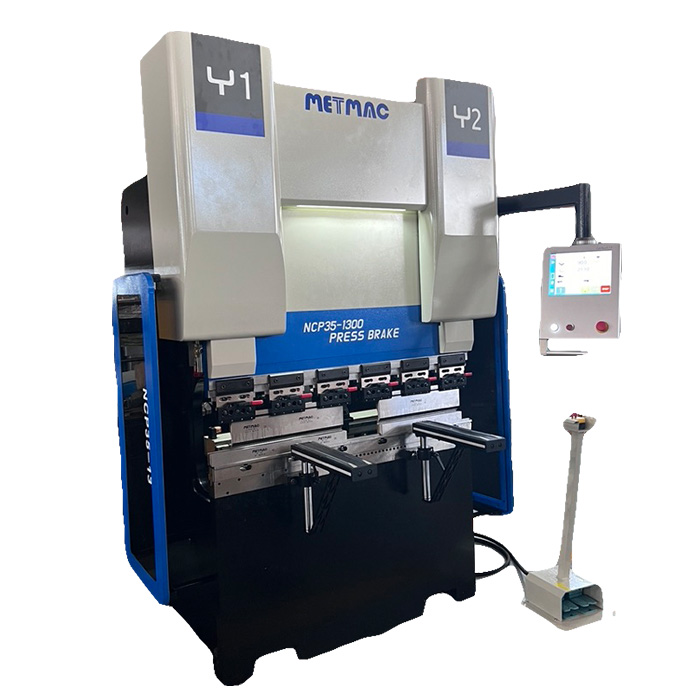
Press Metal Machine: The Definitive Guide to Precision Metal Forming
2026/03/12 -
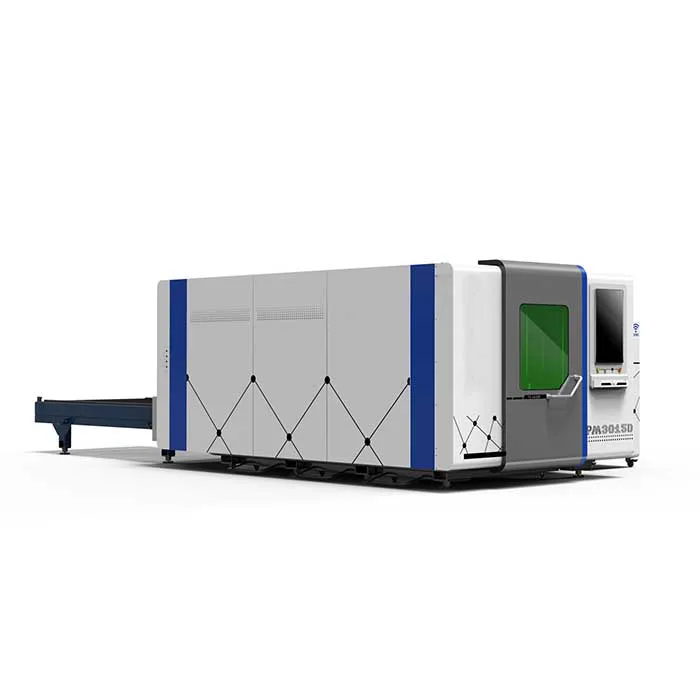
Metal Punching Machine: The Ultimate Guide to Precision Hole Punching
2026/03/10 -
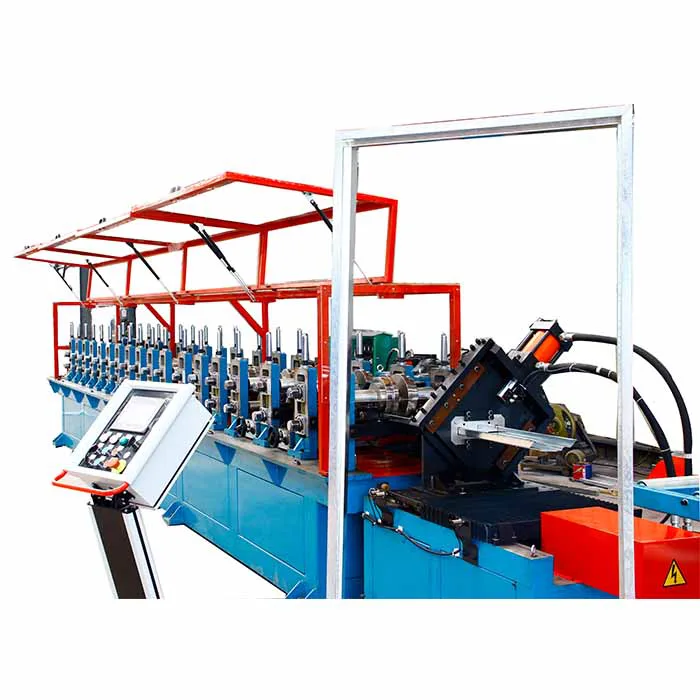
Sheet Metal Machinery: The Ultimate Guide to Industrial Fabrication Excellence
2026/03/04 -
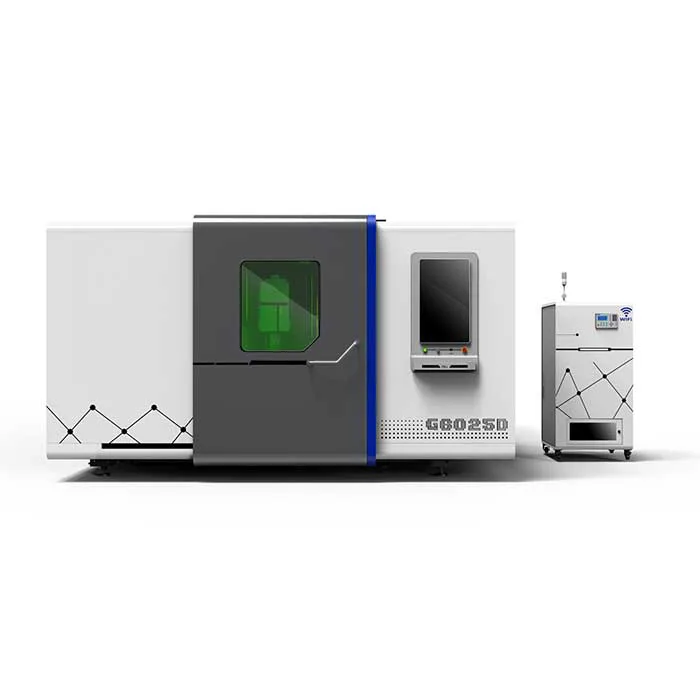
Iron Sheet Laser Cutting Machine: Unmatched Precision for Demanding Fabrication with METMAC
2026/01/06
-
Sheet Metal Press Brake: Ultimate Guide to Precision Bending Technology in 2024
2026/03/13 -
Metal Punching Machine: Ultimate Guide to Precision Manufacturing in 2024
2026/03/11 -
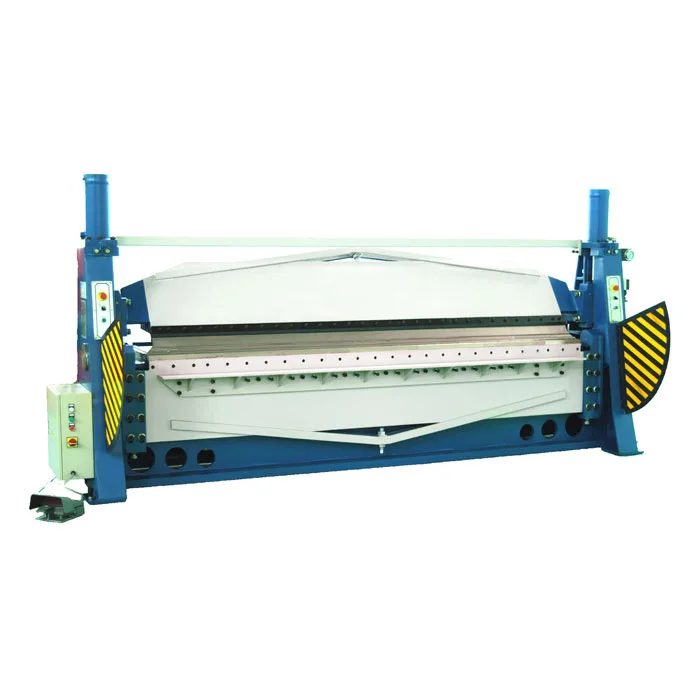
Metal Folding Machine: Comprehensive Guide to Precision Bending in 2024
2026/03/09 -
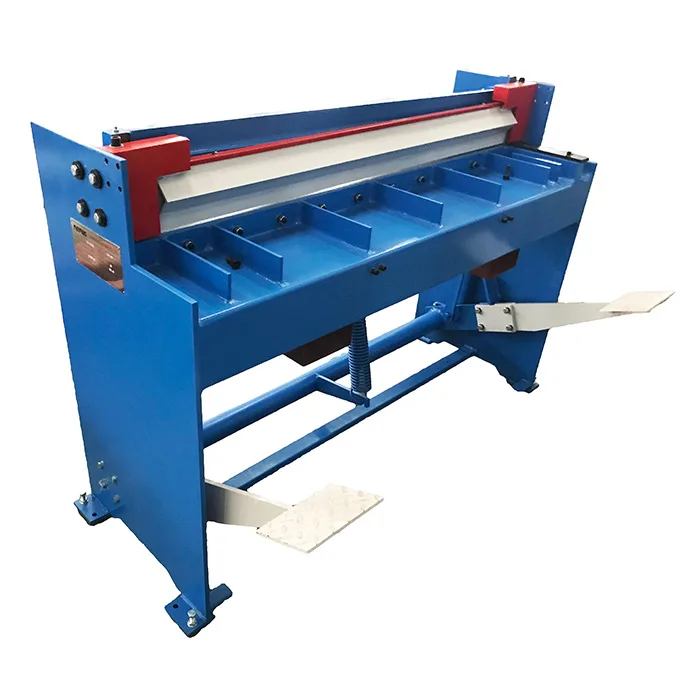
Sheet Metal Equipment: Ultimate Guide to Industrial Fabrication Solutions in 2026
2026/03/06
-
Understanding the Role and Function of Steel Strip Slitting Machines
2024/05/11 -
Maintenance Tips for Longevity of HVAC Duct Machines
2024/05/11 -
Innovations in Steel Strip Slitting Machine Design and Technology
2024/05/11 -
Improving Accuracy in Metal Fabrication with Laser Metal Shear Machines
2024/05/11
-
A Guide to the Latest Innovations in Sheet Metal Folding Machines
2024/11/29 -
Key Features to Consider When Investing in a Sheet Metal Folding Machine
2024/11/28 -
Enhancing Precision with Advanced Sheet Metal Folding Machines
2024/11/27 -
How to Choose the Right Sheet Metal Folding Machine for Your Workshop
2024/11/26
