


How Does a Duct Bending Machine Work?
A duct bending machine is a tool used to shape and bend sheet metal into ducts, which are used to transport air in HVAC systems. These machines are essential for creating custom ductwork that fits the unique requirements of a building’s layout. Understanding how a duct bending machine works will provide valuable insights into the process of fabricating ductwork.
Principles of Operation
Duct bending machines operate on the principle of applying controlled force to sheet metal to cause it to bend along a desired radius. The machine consists of a series of rollers or anvils that the sheet metal passes through, gradually bending it to the desired shape.
Types of Bending Machines
There are various types of duct bending machines designed for different applications. The two most common types are:
1. Rotary Bending Machine
A rotary bending machine uses a rotating mandrel and a series of rollers to bend the sheet metal. The mandrel rotates inside the rollers, causing the sheet metal to bend as it passes through. Rotary bending machines are suitable for bending long, straight ducts.
2. Press Brake Bending Machine
A press brake bending machine uses a hydraulic ram to apply pressure on the sheet metal, forcing it to bend against a die. Press brake bending machines are ideal for bending complex shapes and short, straight ducts.
Bending Process
The process of bending sheet metal using a duct bending machine involves several steps:
Feeding the Sheet Metal: The sheet metal is fed into the machine and positioned between the rollers or anvils.
Bending: The rollers or anvils apply force to the sheet metal, causing it to bend along a predetermined radius.
Guiding: The machine guides the sheet metal through the bending process, ensuring a precise and consistent bend.
Cutting: Once the bend is complete, the sheet metal is cut to the desired length.
Factors Affecting Bending Quality
The quality of the duct bend depends on several factors, including:
Sheet Metal Gauge: The thickness of the sheet metal affects its flexibility and the bend radius.
Bending Radius: The radius of the bend determines the angle and curvature of the duct.
Roller/Anvil Profile: The shape of the rollers or anvils influences the bend shape and surface finish.
Machine Precision: The accuracy of the machine’s components and calibration affects the precision of the bend.
-
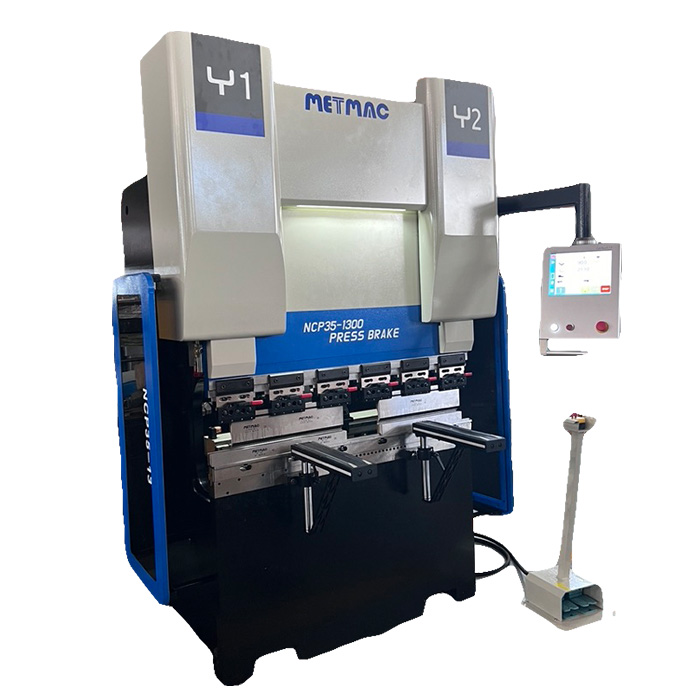
Press Metal Machine: The Definitive Guide to Precision Metal Forming
2026/03/12 -
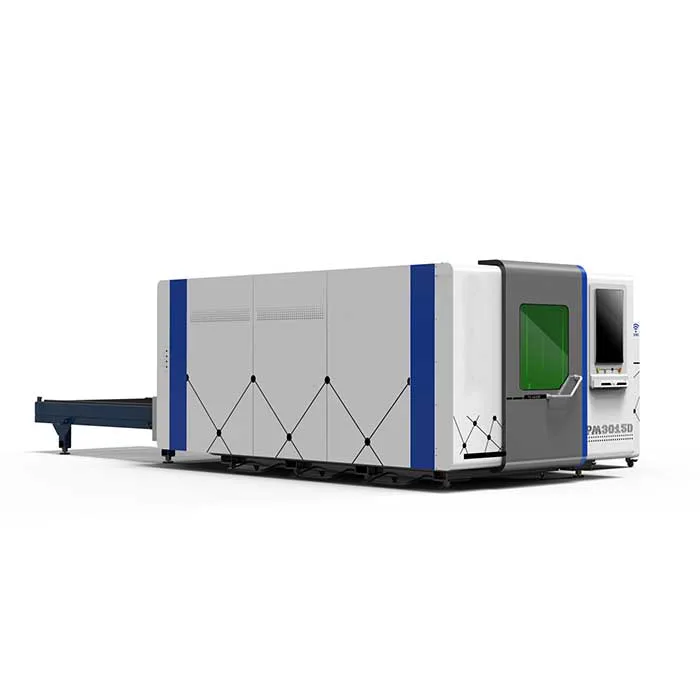
Metal Punching Machine: The Ultimate Guide to Precision Hole Punching
2026/03/10 -
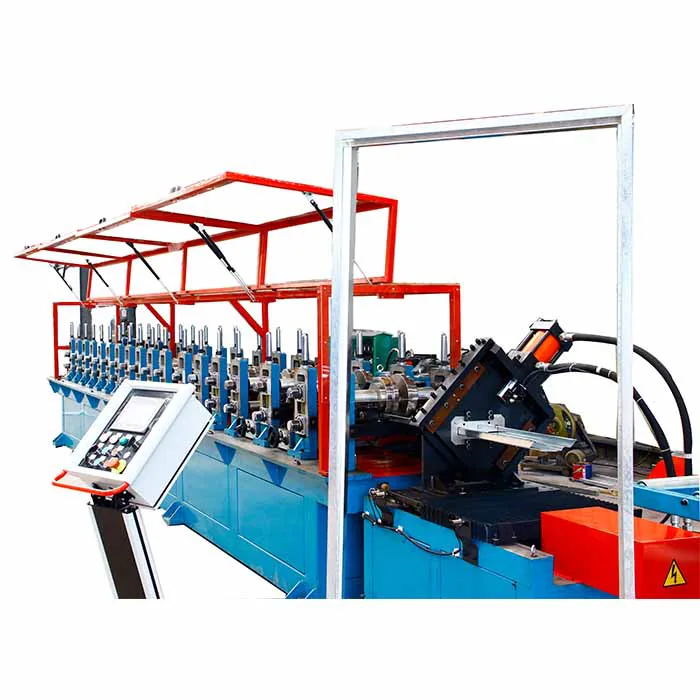
Sheet Metal Machinery: The Ultimate Guide to Industrial Fabrication Excellence
2026/03/04 -
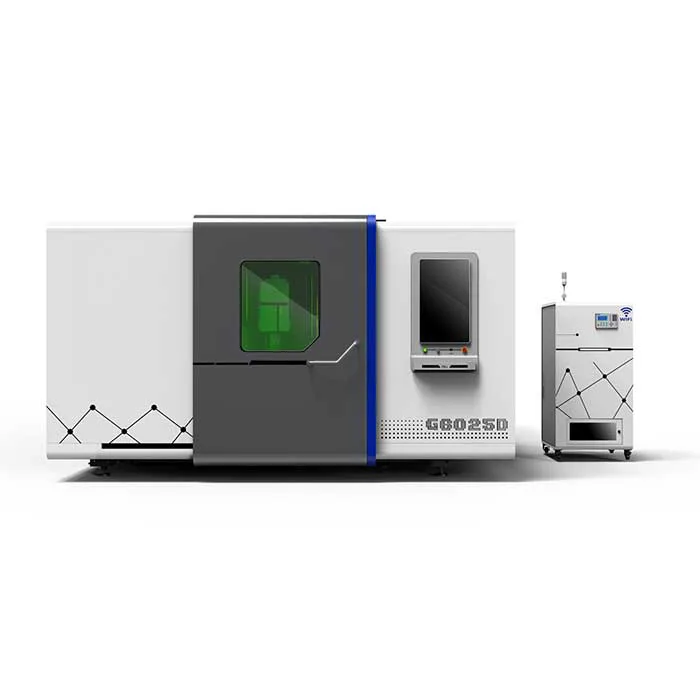
Iron Sheet Laser Cutting Machine: Unmatched Precision for Demanding Fabrication with METMAC
2026/01/06
-
Sheet Metal Press Brake: Ultimate Guide to Precision Bending Technology in 2024
2026/03/13 -
Metal Punching Machine: Ultimate Guide to Precision Manufacturing in 2024
2026/03/11 -
Metal Folding Machine: Comprehensive Guide to Precision Bending in 2024
2026/03/09 -
Sheet Metal Equipment: Ultimate Guide to Industrial Fabrication Solutions in 2026
2026/03/06
-
Integrating Automation with Rectangular Duct Machines for Enhanced Productivity
2024/05/11 -
Metal Shear Machines- Essential Tools for Precision Metal Cutting
2024/05/11 -
Understanding the Role and Function of Steel Strip Slitting Machines
2024/05/11 -
Maintenance Tips for Longevity of HVAC Duct Machines
2024/05/11
-
A Guide to the Latest Innovations in Sheet Metal Folding Machines
2024/11/29 -
Key Features to Consider When Investing in a Sheet Metal Folding Machine
2024/11/28 -
Enhancing Precision with Advanced Sheet Metal Folding Machines
2024/11/27 -
How to Choose the Right Sheet Metal Folding Machine for Your Workshop
2024/11/26
