


How do I determine the right tonnage for my sheet metal press brake?
Determining the correct tonnage for your sheet metal press brake is crucial for ensuring optimal performance and preventing damage to the machine or the material being formed. Here are several key factors to consider:
Material Thickness and Strength
The thickness and strength of the material you intend to form will significantly impact the tonnage required. Thicker and stronger materials, such as stainless steel or aluminum, require higher tonnage than thinner and weaker materials, such as mild steel.
Bend Radius and Angle
The bend radius (the distance from the inside edge of the bend to the center of the material) and the bend angle (the angle to which the material is bent) also affect the tonnage needed. Smaller bend radii and larger bend angles require higher tonnage to overcome the material’s resistance to bending.
Punch and Die Geometry
The geometry of the punch and die used in the press brake can influence the tonnage requirement. Sharper punches and narrower dies require higher tonnage to pierce and form the material cleanly.
Machine Characteristics
The capacity and capabilities of the press brake itself must be considered. The rated tonnage of the machine is the maximum force it can exert. Ensure that the press brake you choose has a tonnage that exceeds the requirements of the material and bending operations you intend to perform.
Safety Considerations
Always operate the press brake within its rated capacity. Exceeding the tonnage limit can cause damage to the machine, tooling, or material. It can also pose a safety hazard to the operator.
Calculating Tonnage
To calculate the approximate tonnage required for a specific bending operation, you can use the following formula:
“`
Tonnage = (Tensile Strength of Material) x (Material Thickness) x (Bend Factor) x (Length of Bend)
“`
Where:
Tensile Strength of Material is the ultimate tensile strength of the material in psi
Material Thickness is the thickness of the material in inches
Bend Factor is a factor that accounts for the geometry and material properties
(typically 0.33 for mild steel)
Length of Bend is the length of the bend in inches
Additional Considerations
In addition to the factors discussed above, other considerations may influence the tonnage required, such as lubrication, tooling wear, and temperature. It is always advisable to consult with the press brake manufacturer or an experienced metalworking professional for specific recommendations based on your individual requirements.
-
Press Metal Machine: The Definitive Guide to Precision Metal Forming
2026/03/12 -
Metal Punching Machine: The Ultimate Guide to Precision Hole Punching
2026/03/10 -
Sheet Metal Machinery: The Ultimate Guide to Industrial Fabrication Excellence
2026/03/04 -
Iron Sheet Laser Cutting Machine: Unmatched Precision for Demanding Fabrication with METMAC
2026/01/06
-
Sheet Metal Press Brake: Ultimate Guide to Precision Bending Technology in 2024
2026/03/13 -
Metal Punching Machine: Ultimate Guide to Precision Manufacturing in 2024
2026/03/11 -
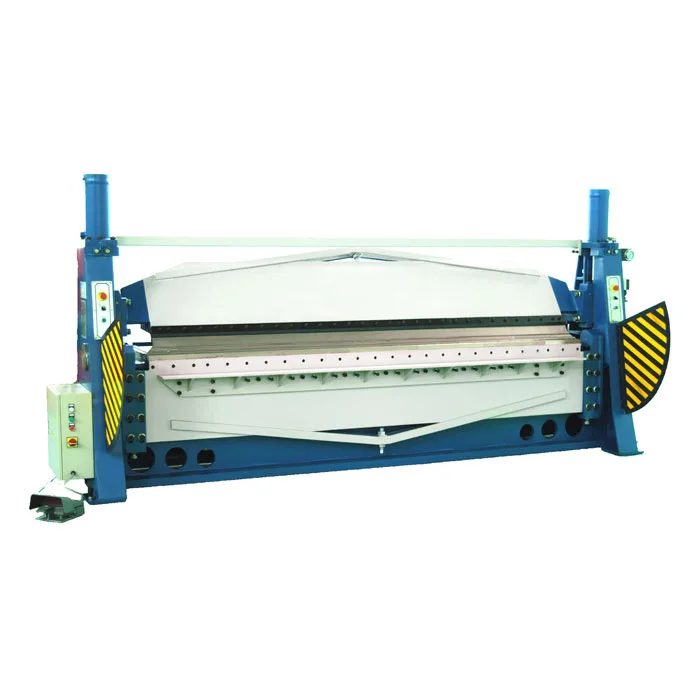
Metal Folding Machine: Comprehensive Guide to Precision Bending in 2024
2026/03/09 -
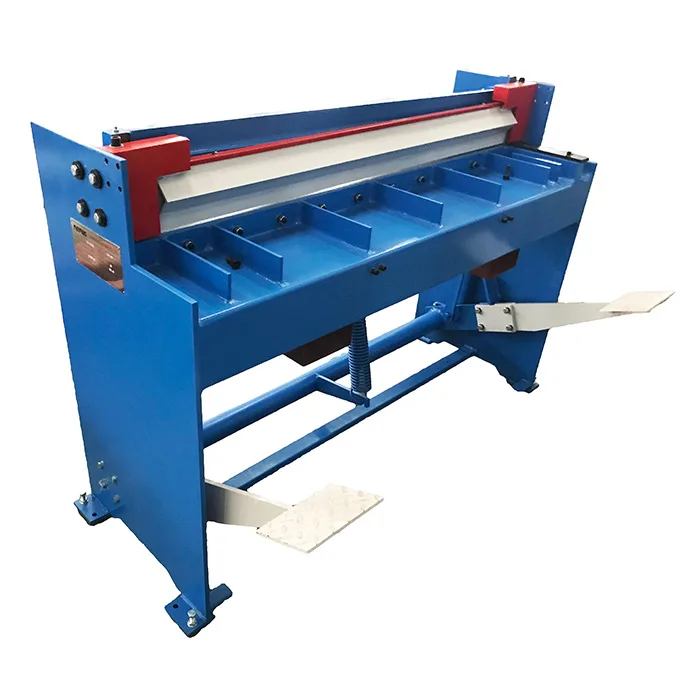
Sheet Metal Equipment: Ultimate Guide to Industrial Fabrication Solutions in 2026
2026/03/06
-
A Guide to the Latest Innovations in Sheet Metal Folding Machines
2024/11/29 -
Key Features to Consider When Investing in a Sheet Metal Folding Machine
2024/11/28 -
Enhancing Precision with Advanced Sheet Metal Folding Machines
2024/11/27 -
How to Choose the Right Sheet Metal Folding Machine for Your Workshop
2024/11/26
