

How Box and Pan Brake Machines Handle Different Metal Types and Thicknesses
In the world of metal fabrication, precision is paramount. When it comes to bending metal sheets into precise angles, box and pan brake machines are the tools of choice. These versatile machines can handle a wide range of metal types and thicknesses, delivering accurate and consistent results.
Metal Types:
Mild Steel: The most common metal used in brake bending, mild steel is known for its formability and affordability.
Stainless Steel: Harder and more corrosion-resistant than mild steel, stainless steel requires higher bending forces but offers exceptional durability.
Aluminum: Lightweight and malleable, aluminum is ideal for intricate bends and applications where weight is a concern.
Galvanized Steel: Protected by a zinc coating, galvanized steel resists corrosion and provides a clean finished appearance.
Thicknesses:
Brake machines are designed to handle varying metal thicknesses, typically expressed in gauge or millimeters.
Thin Metal (up to 10 gauge): Can be bent using a standard box brake.
Medium Thickness (10-16 gauge): Requires a heavier box brake or a pan brake.
Thick Metal (above 16 gauge): Specialized pan brakes with higher tonnage capacities are necessary.
How Brake Machines Handle Different Metals and Thicknesses:
Mild Steel: Easy to bend, requires relatively low bending forces and can withstand multiple bends without cracking or tearing.
Stainless Steel: Requires higher bending forces and specialized tooling to prevent damage or cracking.
Aluminum: Bends easily but requires support to prevent buckling or distortion. Higher gauge aluminum may require pre-heating.
Galvanized Steel: The zinc coating can be brittle, so care must be taken to avoid peeling or cracking during bending.
By selecting the appropriate brake machine for the metal type and thickness, fabricators can achieve precise and reliable bends, ensuring the integrity and aesthetics of their metalwork.
-
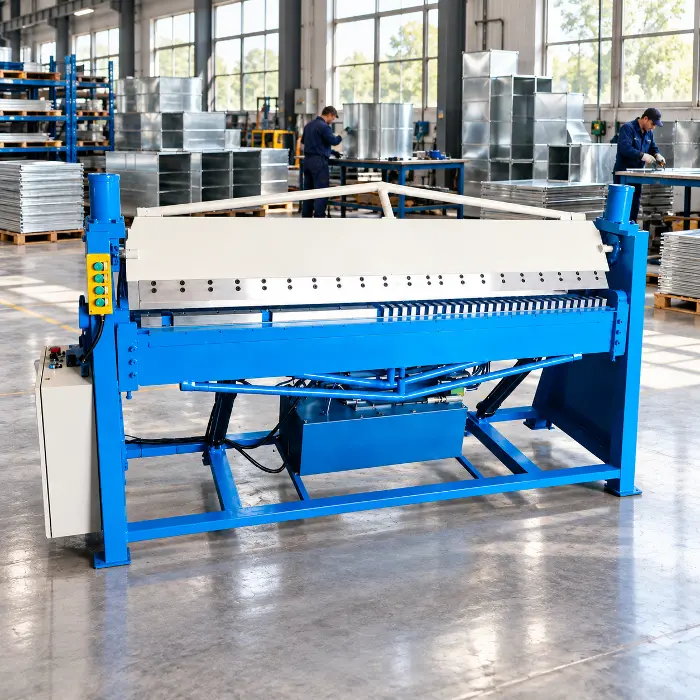
Choosing HVAC Duct Folding Machines for Flange-Safe Bending
2026/10/13 -
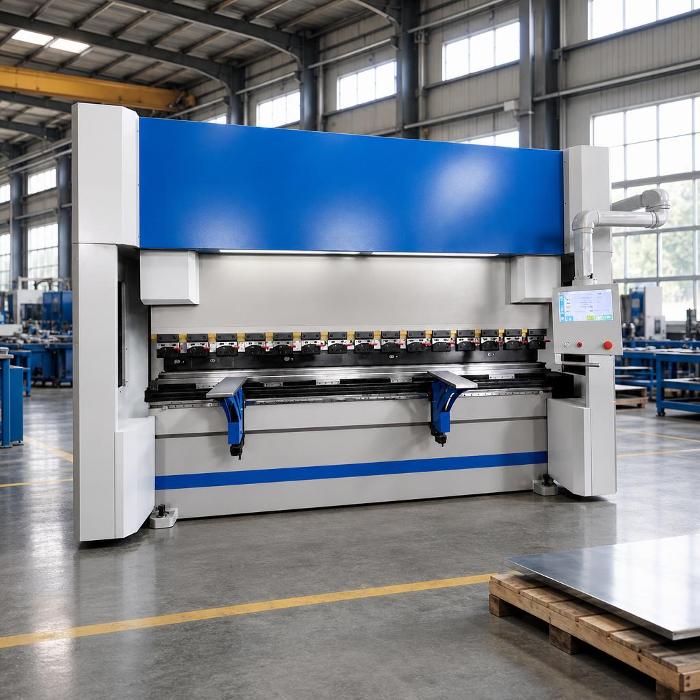
Precision Metal Forming Machines: What Separates Accurate Bends From Scrapped Sheet
2026/10/12 -
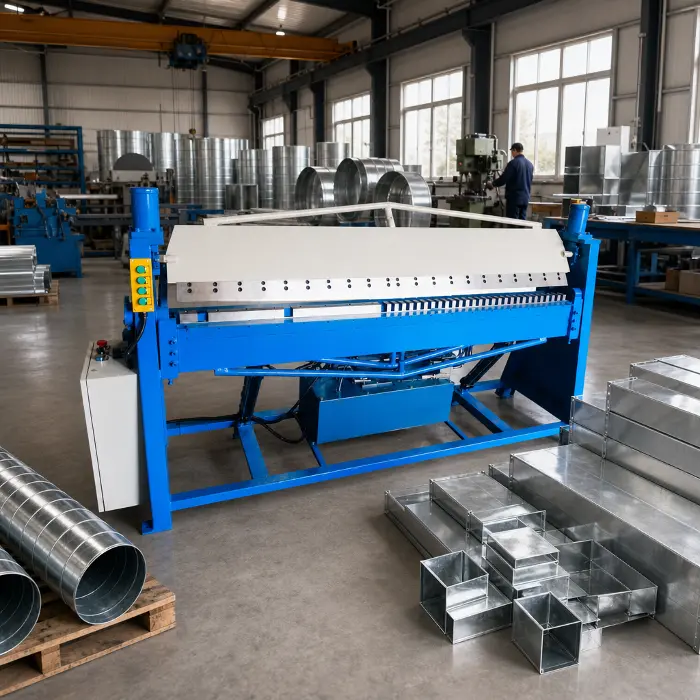
What to Look for in an HVAC Folding Machine Manufacturer
2026/10/11 -
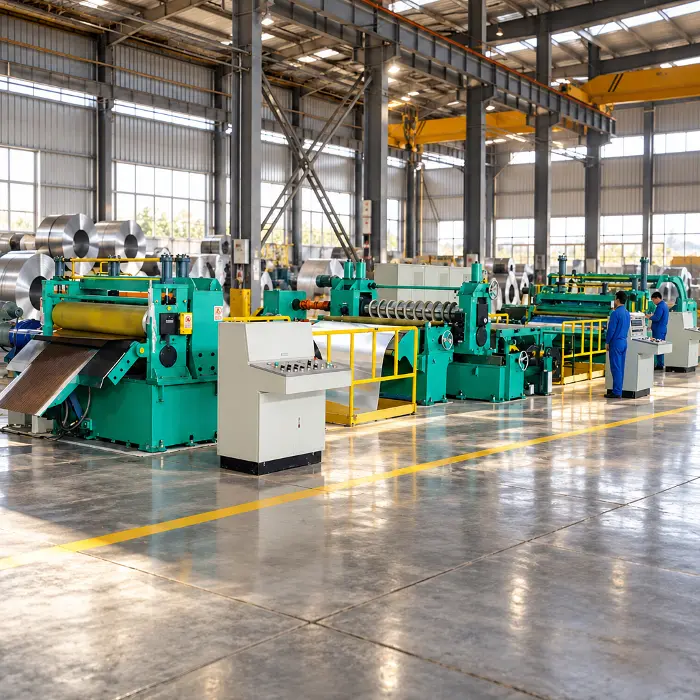
Steel Strip Cutting Machine: Engineering Precision in Modern Metal Processing
2026/10/10
-
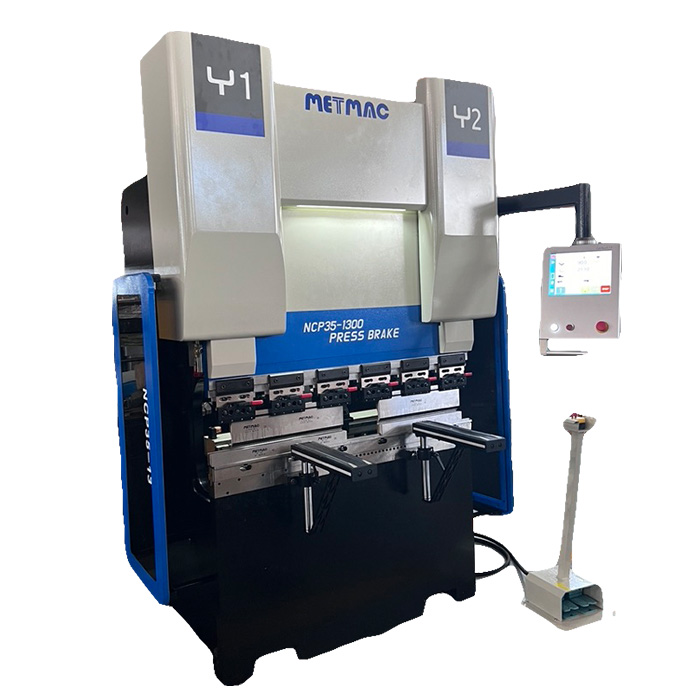
Sheet Metal Press Brake: Ultimate Guide to Precision Bending Technology in 2024
2026/03/13 -
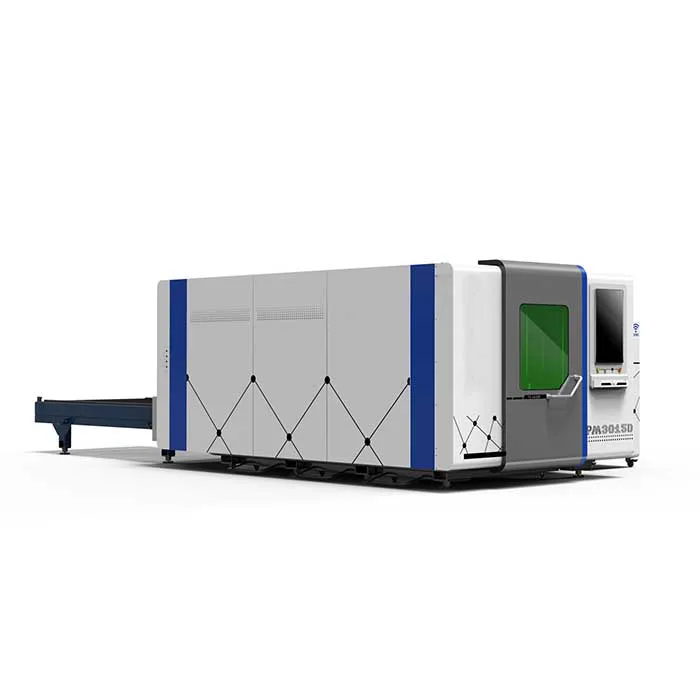
Metal Punching Machine: Ultimate Guide to Precision Manufacturing in 2024
2026/03/11 -
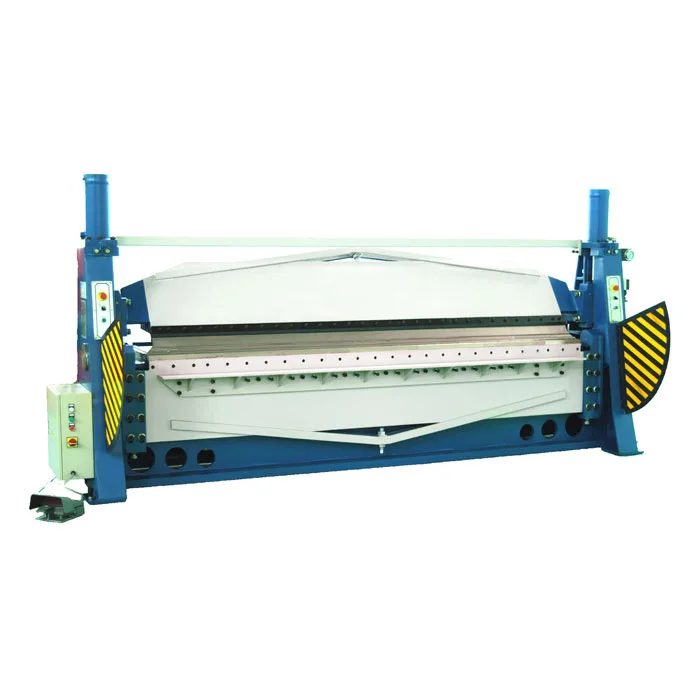
Metal Folding Machine: Comprehensive Guide to Precision Bending in 2024
2026/03/09 -
Sheet Metal Equipment: Ultimate Guide to Industrial Fabrication Solutions in 2026
2026/03/06
-
Understanding the Role and Function of Steel Strip Slitting Machines
2024/05/11 -
Maintenance Tips for Longevity of HVAC Duct Machines
2024/05/11 -
Innovations in Steel Strip Slitting Machine Design and Technology
2024/05/11 -
Improving Accuracy in Metal Fabrication with Laser Metal Shear Machines
2024/05/11
-
A Guide to the Latest Innovations in Sheet Metal Folding Machines
2024/11/29 -
Key Features to Consider When Investing in a Sheet Metal Folding Machine
2024/11/28 -
Enhancing Precision with Advanced Sheet Metal Folding Machines
2024/11/27 -
How to Choose the Right Sheet Metal Folding Machine for Your Workshop
2024/11/26
