


Future Trends and Innovations in Metal Plate Rolling Technology
Metal plate rolling technology, a crucial aspect of the sheet metal industry, has come a long way since its inception. In the pursuit of increased efficiency, accuracy, and cost-effectiveness, the industry is constantly evolving, paving the way for a plethora of future trends and innovations. This article explores some of the most prominent advancements and innovations poised to shape the future of metal plate rolling technology.
Advanced Automation and Robotics
Automation and robotics play a pivotal role in modern metal plate rolling processes. Collaborative robots (cobots) and advanced control systems work in tandem to streamline operations, minimize errors, and enhance productivity. Cobots, unlike traditional industrial robots, can safely interact with human workers, increasing flexibility and allowing for a customized approach to rolling operations.
Laser-Assisted Rolling
This innovative technology combines laser cutting with metal plate rolling. The laser cuts precise patterns into the metal sheet, reducing the need for subsequent machining or welding processes. Laser-assisted rolling not only improves material utilization but also increases precision and reduces waste. It is particularly advantageous in applications requiring intricate shapes or complex bending patterns.
Hybrid Forming Techniques
Hybrid forming techniques blend multiple manufacturing processes to achieve enhanced results. One notable example is the integration of metal plate rolling with additive manufacturing (AM). AM can be utilized to create customized or complex parts that are then integrated into the rolled sheet, offering increased design flexibility and enhanced material properties.
Sustainable Rolling Practices
Environmental consciousness is at the forefront of current manufacturing trends. In response to this, the metal plate rolling industry is adopting sustainable practices to reduce its carbon footprint. Advanced lubrication systems and energy-efficient roll designs minimize energy consumption. Additionally, the use of recycled materials and eco-friendly lubricants contribute to a more sustainable metal plate rolling process.
Sensor-Based Monitoring and Control
Sensors integrated into rolling mills provide real-time data on process parameters, allowing for precise control and optimization. Advanced sensors monitor variables such as temperature, pressure, and deformation, enabling operators to identify and address potential issues promptly. This sensor-based monitoring and control system improves product quality, reduces downtime, and minimizes material wastage.
Multifunctional Rolling Machines
The advent of multifunctional rolling machines offers a comprehensive solution for metal plate rolling operations. These machines combine various processes, such as rolling, bending, and forming, into a single unit. By eliminating the need for multiple machines and streamlining production, multifunctional rolling machines enhance efficiency and reduce lead times.
Conclusion
The future of metal plate rolling technology holds immense promise for the sheet metal industry. Advanced automation, laser-assisted rolling, hybrid forming techniques, sustainable rolling practices, sensor-based monitoring and control, and multifunctional rolling machines are revolutionizing the field. As these innovations continue to evolve, the industry can anticipate increased efficiency, accuracy, cost-effectiveness, and sustainability, driving the industry towards a brighter and more innovative future.
-
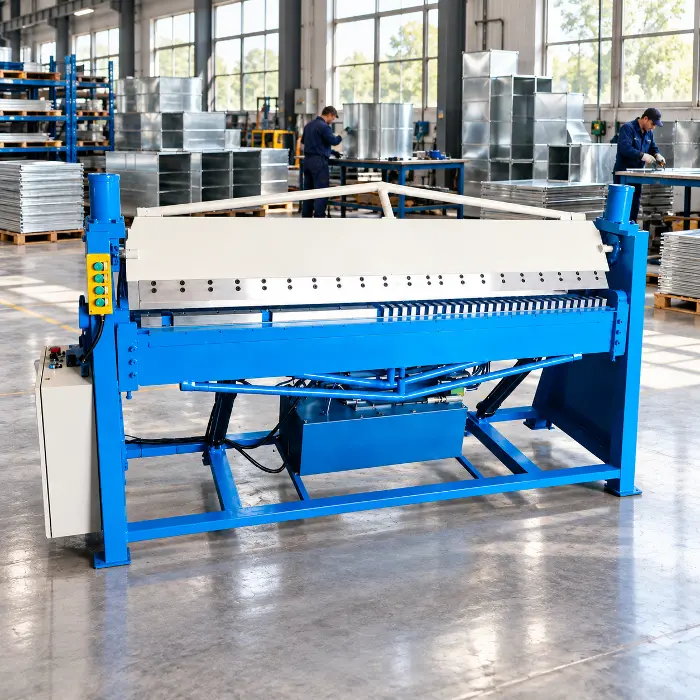
Choosing HVAC Duct Folding Machines for Flange-Safe Bending
2026/10/13 -
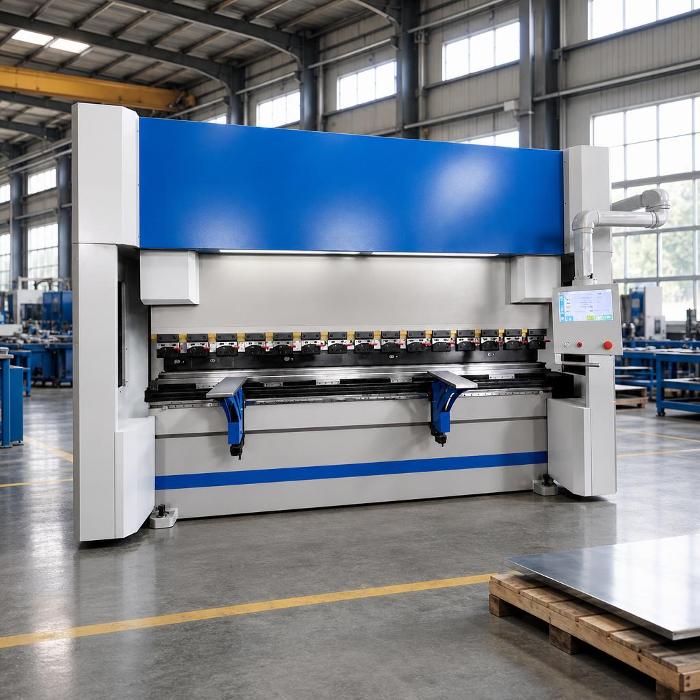
Precision Metal Forming Machines: What Separates Accurate Bends From Scrapped Sheet
2026/10/12 -
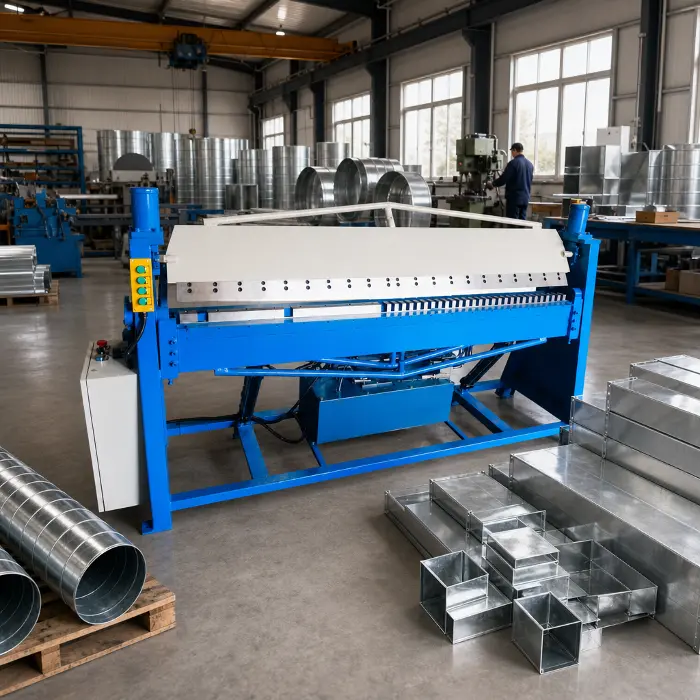
What to Look for in an HVAC Folding Machine Manufacturer
2026/10/11 -
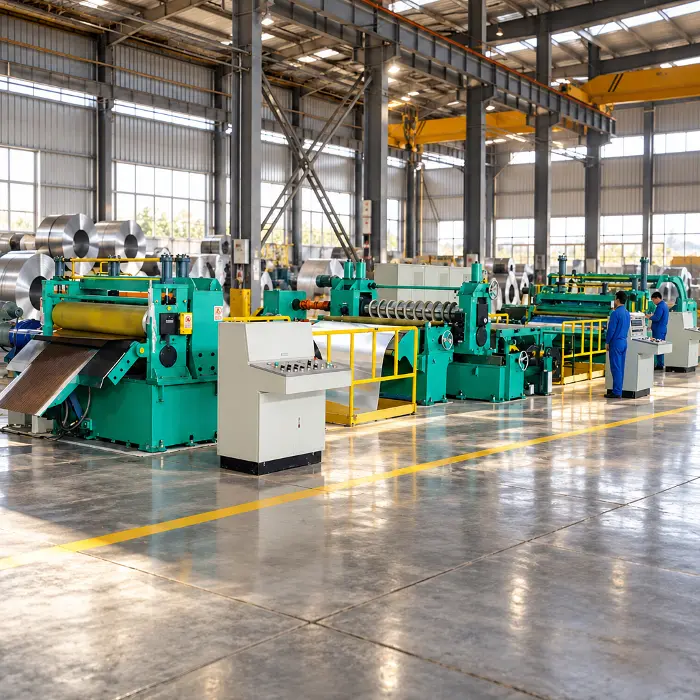
Steel Strip Cutting Machine: Engineering Precision in Modern Metal Processing
2026/10/10
-
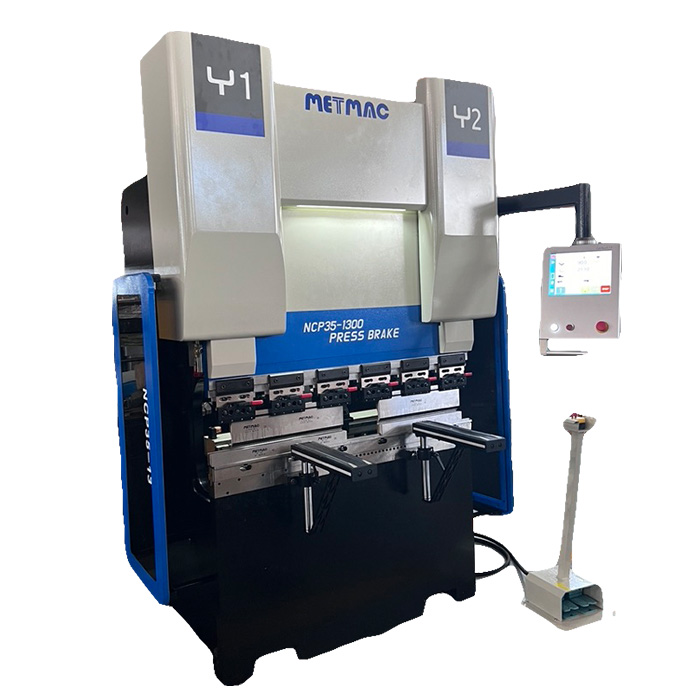
Sheet Metal Press Brake: Ultimate Guide to Precision Bending Technology in 2024
2026/03/13 -
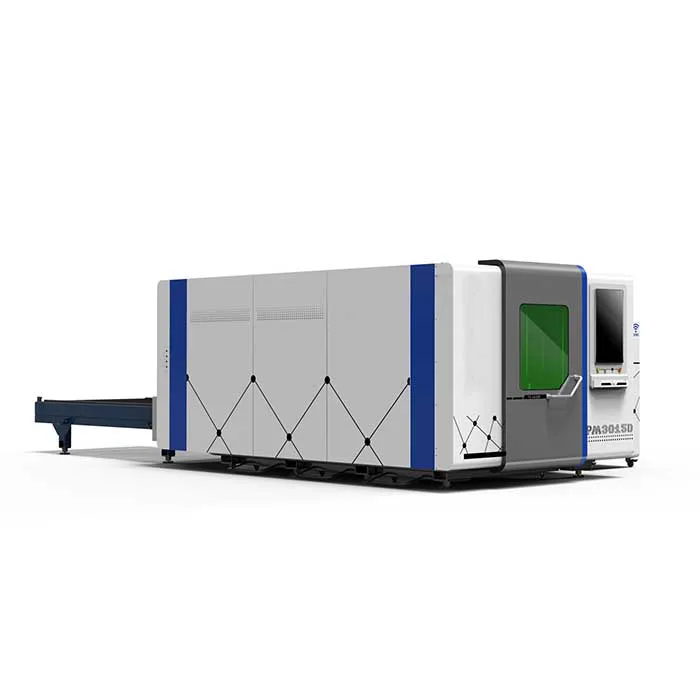
Metal Punching Machine: Ultimate Guide to Precision Manufacturing in 2024
2026/03/11 -
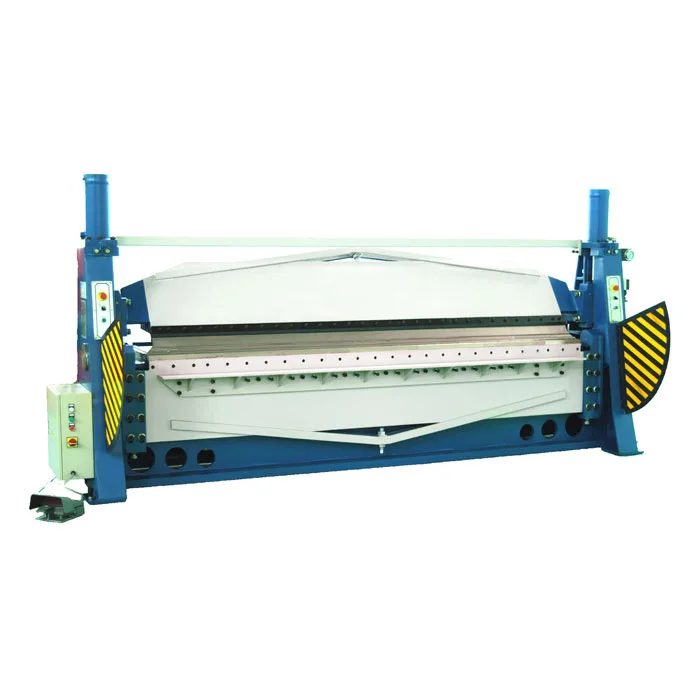
Metal Folding Machine: Comprehensive Guide to Precision Bending in 2024
2026/03/09 -
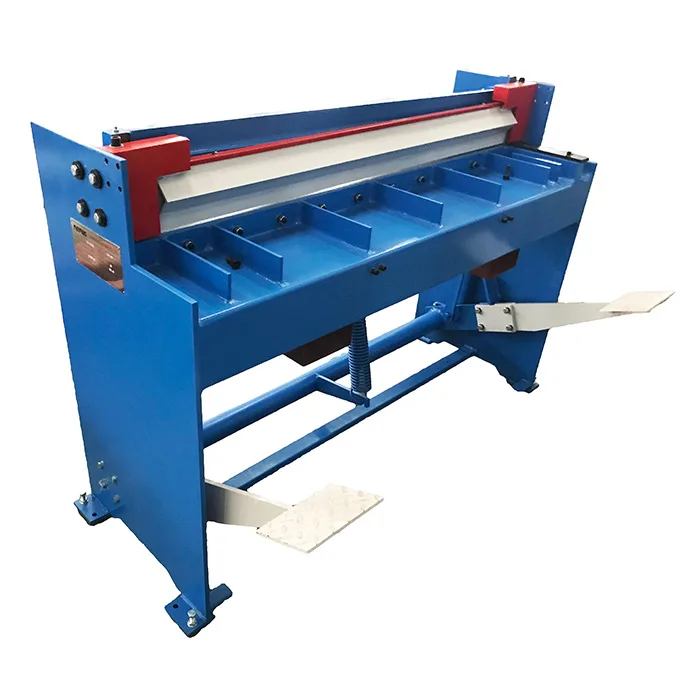
Sheet Metal Equipment: Ultimate Guide to Industrial Fabrication Solutions in 2026
2026/03/06
-
Latest Technological Advancements in Rectangular Duct Machines
2024/05/11 -
Integrating Automation with Rectangular Duct Machines for Enhanced Productivity
2024/05/11 -
Metal Shear Machines- Essential Tools for Precision Metal Cutting
2024/05/11 -
Understanding the Role and Function of Steel Strip Slitting Machines
2024/05/11
-
A Guide to the Latest Innovations in Sheet Metal Folding Machines
2024/11/29 -
Key Features to Consider When Investing in a Sheet Metal Folding Machine
2024/11/28 -
Enhancing Precision with Advanced Sheet Metal Folding Machines
2024/11/27 -
How to Choose the Right Sheet Metal Folding Machine for Your Workshop
2024/11/26
