

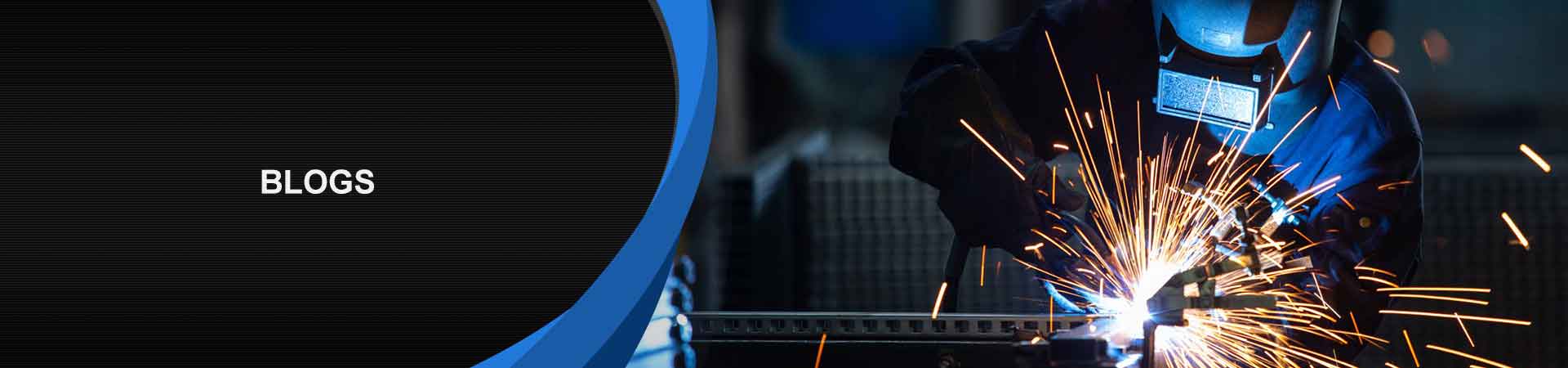
From Manual to Machine- How Steel Strip Cutting is Becoming More Automated
In the realm of industrial manufacturing, the relentless march of automation continues to transform even the most traditional practices. One such area undergoing a profound evolution is the cutting of steel strips, a task once performed entirely by human hands. Today, this process is rapidly being redefined by a fusion of cutting-edge technologies that promise greater efficiency, precision, and productivity.
The Dawn of Automated Strip Cutting
Traditionally, steel strips were cut manually using heavy-duty shears, a labor-intensive and error-prone process that often led to inconsistent results. The introduction of semi-automatic machines marked a significant leap forward, replacing manual shearing with a more controlled and accurate method. However, these machines still relied heavily on human operators for setup and adjustments.
The Machine Takes Over
The advent of fully automated strip cutting machines represented a quantum leap. These machines operate independently, utilizing advanced software and sensors to precisely control the cutting process. This level of automation eliminates the need for human intervention, reducing the risk of errors and ensuring consistent, high-quality results.
Benefits of Automation
The automation of steel strip cutting offers a myriad of benefits, including:
Increased Efficiency: Automated machines can operate continuously, reducing downtime and increasing production capacity.
Improved Precision: Advanced sensors and control systems ensure precise cutting to exact specifications, minimizing waste and improving product quality.
Enhanced Safety: Removing human operators from the cutting zone reduces the risk of accidents and injuries.
Cost Savings: The long-term cost-effectiveness of automated machines is evident in reduced labor costs and increased productivity.
Future Outlook
The future of automated steel strip cutting holds even more promise. Artificial intelligence (AI) and machine learning (ML) are poised to further revolutionize the process, enabling machines to adapt and optimize their performance in real time. This level of autonomy will not only enhance efficiency but also allow for the development of even more sophisticated and specialized cutting applications.
Conclusion
The automation of steel strip cutting represents a paradigm shift in industrial manufacturing. By harnessing the power of technology, we can unlock new levels of productivity, precision, and safety. As automation continues to evolve, the potential for further advancements in this critical process remains boundless.
-
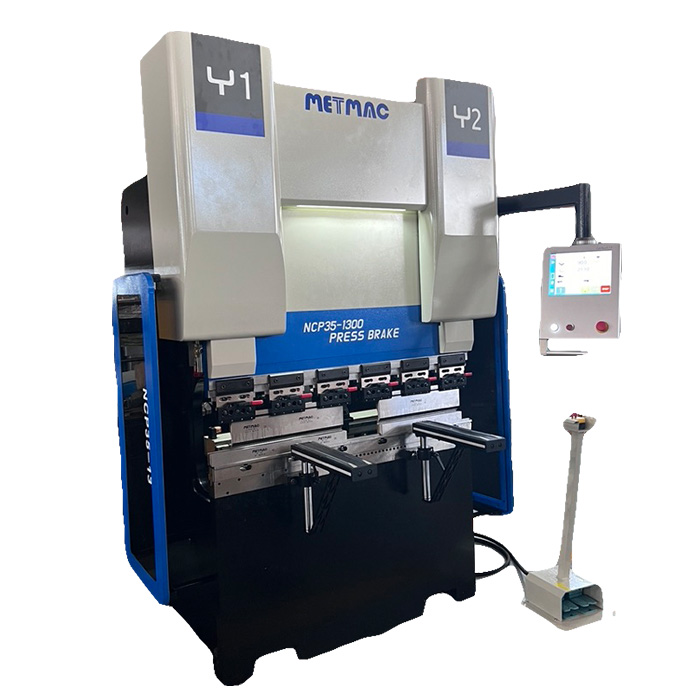
Press Metal Machine: The Definitive Guide to Precision Metal Forming
2026/03/12 -
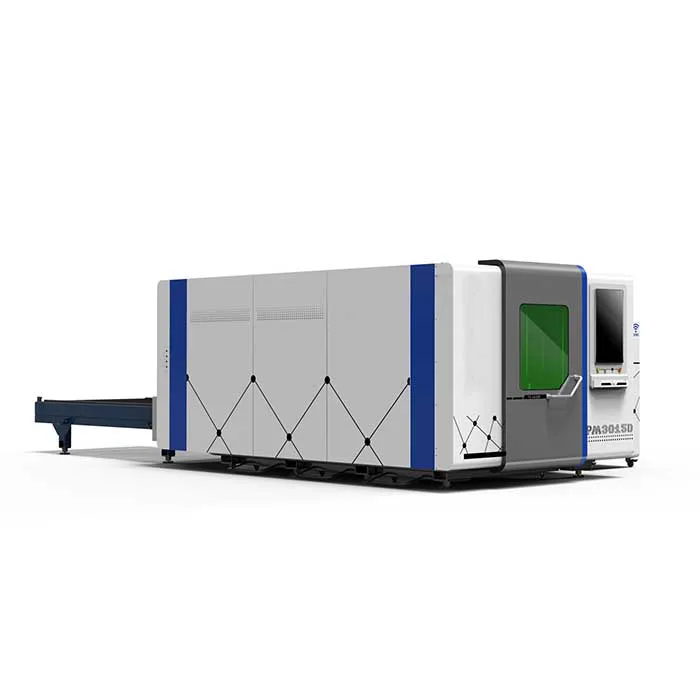
Metal Punching Machine: The Ultimate Guide to Precision Hole Punching
2026/03/10 -
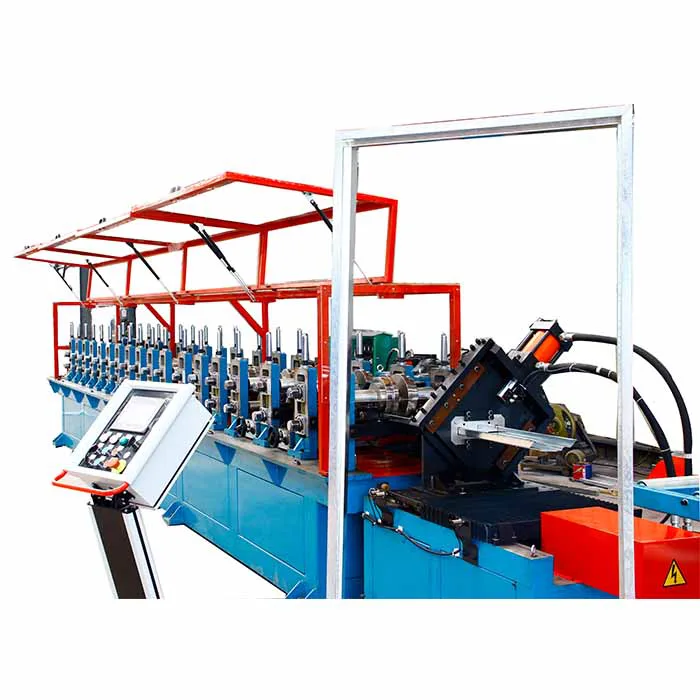
Sheet Metal Machinery: The Ultimate Guide to Industrial Fabrication Excellence
2026/03/04 -
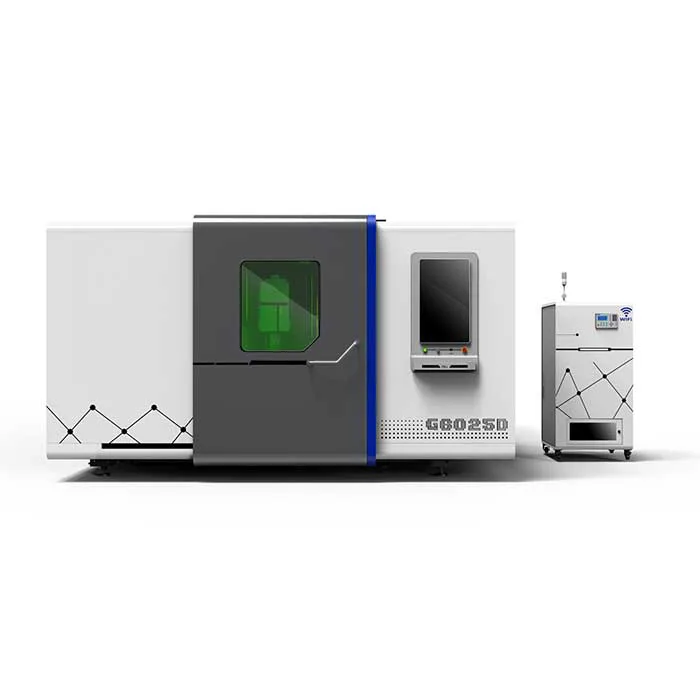
Iron Sheet Laser Cutting Machine: Unmatched Precision for Demanding Fabrication with METMAC
2026/01/06
-
Sheet Metal Press Brake: Ultimate Guide to Precision Bending Technology in 2024
2026/03/13 -
Metal Punching Machine: Ultimate Guide to Precision Manufacturing in 2024
2026/03/11 -
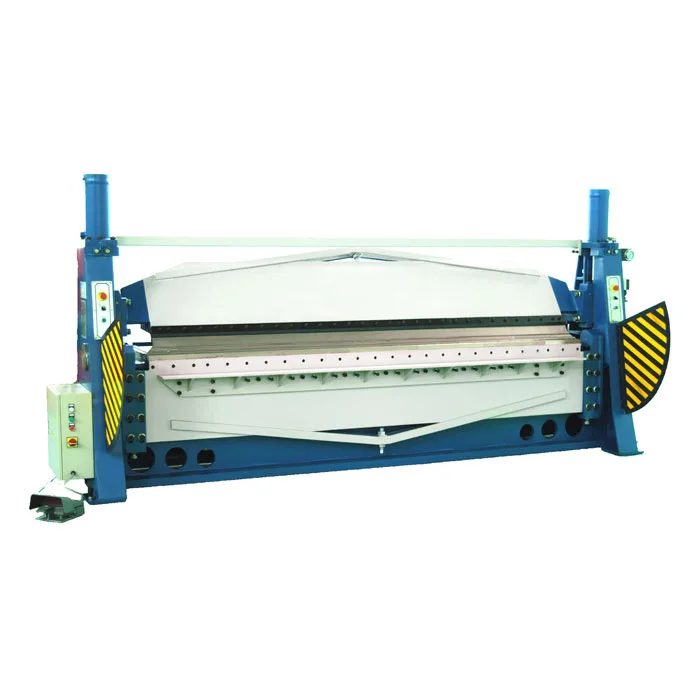
Metal Folding Machine: Comprehensive Guide to Precision Bending in 2024
2026/03/09 -
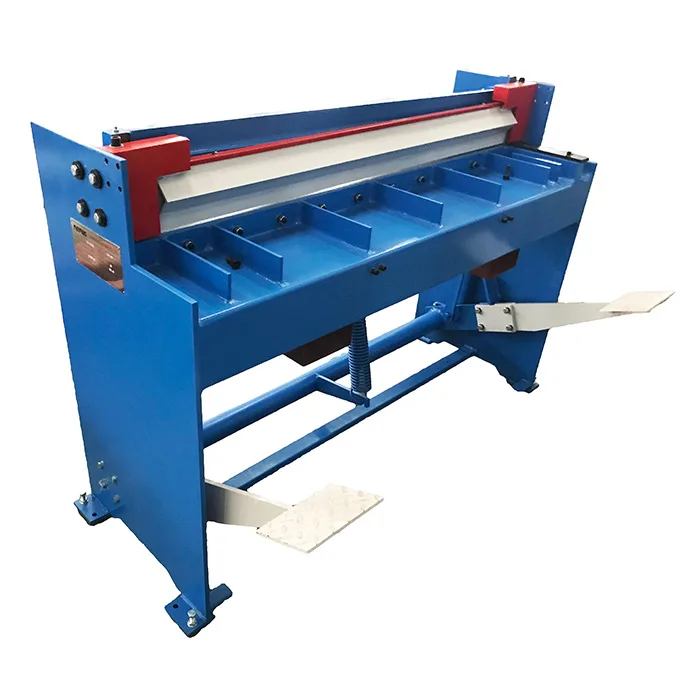
Sheet Metal Equipment: Ultimate Guide to Industrial Fabrication Solutions in 2026
2026/03/06
-
A Guide to the Latest Innovations in Sheet Metal Folding Machines
2024/11/29 -
Key Features to Consider When Investing in a Sheet Metal Folding Machine
2024/11/28 -
Enhancing Precision with Advanced Sheet Metal Folding Machines
2024/11/27 -
How to Choose the Right Sheet Metal Folding Machine for Your Workshop
2024/11/26
