


Factors to Consider When Buying a Duct Bending Machine
Factors to Consider When Buying a Duct Bending Machine: A Definitive Guide to Precision Metalworking
In the realm of metal fabrication, duct bending machines reign supreme as indispensable tools for shaping sheet metal into intricate ducts and fittings. As you embark on your quest to acquire this crucial equipment, a comprehensive understanding of the key factors to consider is paramount to ensuring your investment translates into exceptional outcomes:
1. Production Capacity
Consider the volume and complexity of ductwork projects you anticipate handling. Machines with higher tonnage ratings can handle thicker materials and produce tighter bends. Determine the maximum duct size and bend radius your operations demand.
2. Bend Angle Range
The bend angle range of a machine determines the versatility of your operations. Machines with a wider angle range enable the production of more complex shapes, reducing the need for additional fabrication steps.
3. Material Compatibility
Ensure the machine you choose is compatible with the type of materials you plan to work with. Some machines specialize in bending specific metals, such as aluminum or stainless steel.
4. Precision and Accuracy
Precision bending is essential for ensuring proper airflow and avoiding air leaks. Look for machines with high-resolution encoders and servo drives that guarantee repeatable bending precision.
5. Automation Features
Automation can significantly enhance productivity and reduce labor costs. Machines with automatic feeding systems, tool changers, and nesting software can streamline operations and free up workers for other tasks.
6. User Interface
A user-friendly interface is crucial for efficient operation. Intuitive control panels with clear displays, simple programming, and remote monitoring capabilities can expedite workflow.
7. Warranty and Support
A reliable warranty and comprehensive support from the manufacturer are essential for peace of mind. Look for companies that provide prompt technical assistance, spare parts availability, and training programs.
8. Reputation and Reviews
Research the reputation of different machine manufacturers. Read online reviews, consult with industry experts, and attend trade shows to gather firsthand insights into the performance and reliability of various models.
9. Cost
While cost is an important factor, it should not be the sole determinant. Consider the long-term value of the machine, its efficiency gains, and the potential impact on your bottom line.
10. Future Considerations
Anticipate your future needs. Consider machines with modular designs that allow for future upgrades and expansion capabilities to meet evolving production demands.
By carefully considering these factors, you can make an informed decision that aligns with your specific duct bending requirements, ensuring optimal performance, productivity, and profitability for your metalworking operations.
-
Press Metal Machine: The Definitive Guide to Precision Metal Forming
2026/03/12 -
Metal Punching Machine: The Ultimate Guide to Precision Hole Punching
2026/03/10 -
Sheet Metal Machinery: The Ultimate Guide to Industrial Fabrication Excellence
2026/03/04 -
Iron Sheet Laser Cutting Machine: Unmatched Precision for Demanding Fabrication with METMAC
2026/01/06
-
Sheet Metal Press Brake: Ultimate Guide to Precision Bending Technology in 2024
2026/03/13 -
Metal Punching Machine: Ultimate Guide to Precision Manufacturing in 2024
2026/03/11 -
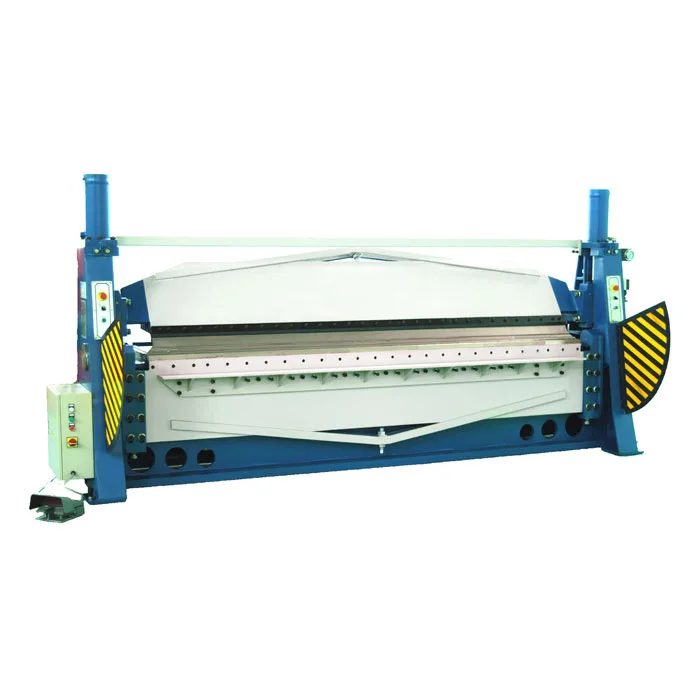
Metal Folding Machine: Comprehensive Guide to Precision Bending in 2024
2026/03/09 -
Sheet Metal Equipment: Ultimate Guide to Industrial Fabrication Solutions in 2026
2026/03/06
-
A Guide to the Latest Innovations in Sheet Metal Folding Machines
2024/11/29 -
Key Features to Consider When Investing in a Sheet Metal Folding Machine
2024/11/28 -
Enhancing Precision with Advanced Sheet Metal Folding Machines
2024/11/27 -
How to Choose the Right Sheet Metal Folding Machine for Your Workshop
2024/11/26
