

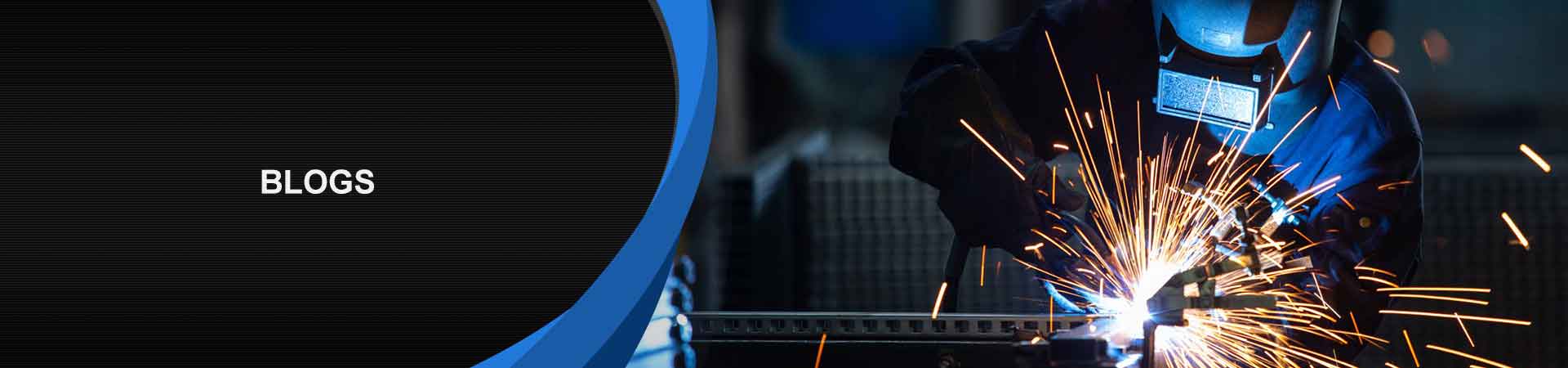
Exploring Sheet Press Machines- Types, Uses, and Applications
In the realm of metalworking, sheet press machines stand as indispensable stalwarts, their thunderous sounds echoing through industrial landscapes. Unleashing immense force, these machines mold and shape metal sheets, transforming them into a myriad of everyday objects that enrich our lives.
Types of Sheet Press Machines
The world of sheet press machines encompasses a diverse array of subtypes, each tailored to specific needs:
Mechanical Press: A robust workhorse, this type relies on a flywheel and crankshaft to generate motion. Ideal for high-volume production and heavy-duty applications.
Hydraulic Press: Combining fluid power with precision, hydraulic presses apply uniform force across large surfaces. Suitable for intricate forming and deep drawing operations.
Pneumatic Press: Compressed air powers these machines, making them ideal for automated processes and quick-cycle applications.
Servo Press: Featuring advanced technology, servo presses offer precise control over press operation, enabling complex part geometries and improved efficiency.
Uses and Applications
Sheet press machines find countless uses in various industries, including:
Automotive: Shaping body panels, doors, and hoods.
Aerospace: Fabricating aircraft components, such as engine covers and wing spars.
Consumer Products: Producing appliances, cookware, and furniture.
Industrial Equipment: Manufacturing machines, tools, and components.
Construction: Forming roof and siding panels.
Benefits of Sheet Press Machines
Mass Production: Enable efficient production of high volumes of parts.
Precision and Accuracy: Delivers consistent, precise forming operations.
Material Versatility: Can work with various metals, including steel, aluminum, and stainless steel.
Durability and Longevity: Built to withstand the rigors of industrial environments.
Choosing the Right Sheet Press Machine
Selecting the appropriate sheet press machine depends on several factors:
Production volume: Determine the number of parts to be produced.
Part complexity: Consider the geometry and precision requirements of the parts.
Material: Identify the type of metal being used.
Budget: Establish the financial constraints.
Conclusion
Sheet press machines are indispensable tools for shaping the metal world around us. Their versatility, efficiency, and precision make them essential for a vast array of industries. Understanding the different types, uses, and benefits of sheet press machines empowers manufacturers to make informed decisions and harness this transformative technology to its full potential.
-
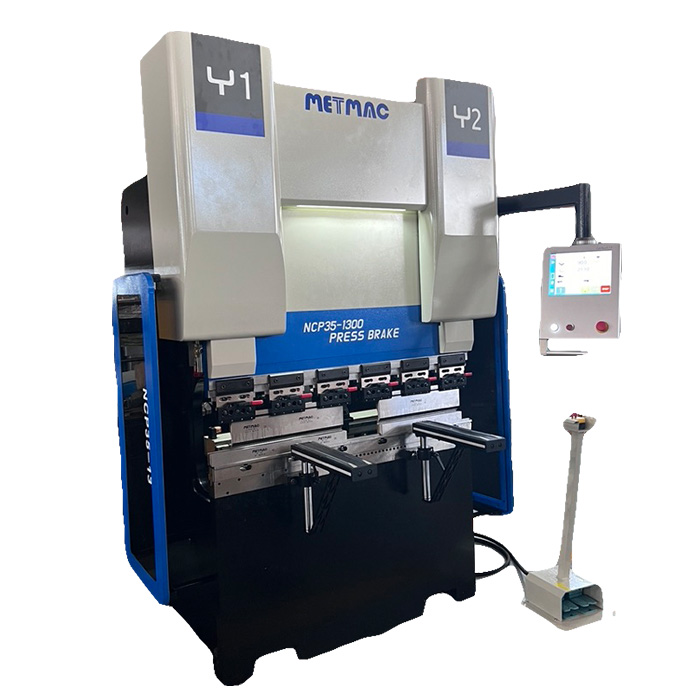
Press Metal Machine: The Definitive Guide to Precision Metal Forming
2026/03/12 -
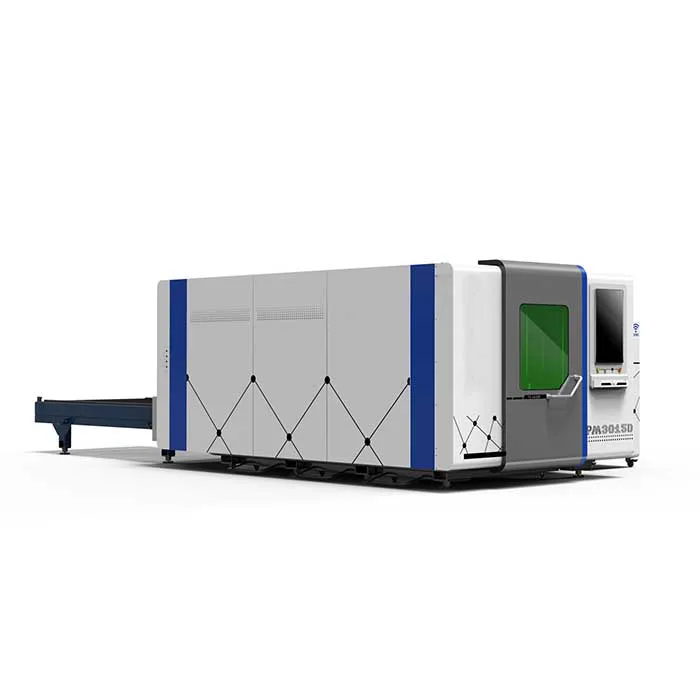
Metal Punching Machine: The Ultimate Guide to Precision Hole Punching
2026/03/10 -
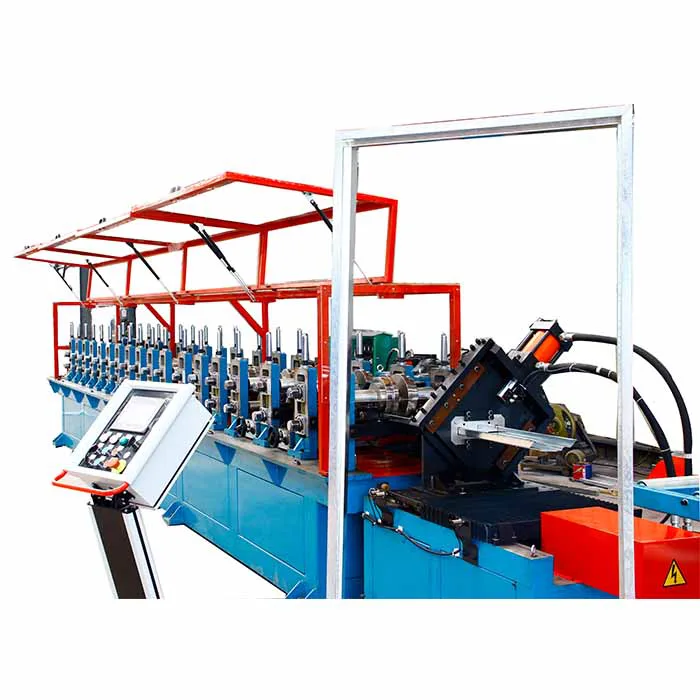
Sheet Metal Machinery: The Ultimate Guide to Industrial Fabrication Excellence
2026/03/04 -
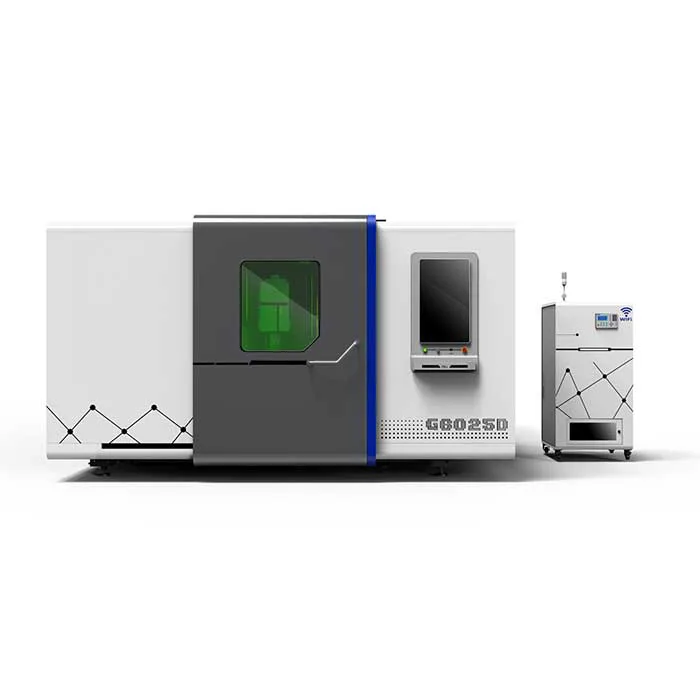
Iron Sheet Laser Cutting Machine: Unmatched Precision for Demanding Fabrication with METMAC
2026/01/06
-
Sheet Metal Press Brake: Ultimate Guide to Precision Bending Technology in 2024
2026/03/13 -
Metal Punching Machine: Ultimate Guide to Precision Manufacturing in 2024
2026/03/11 -
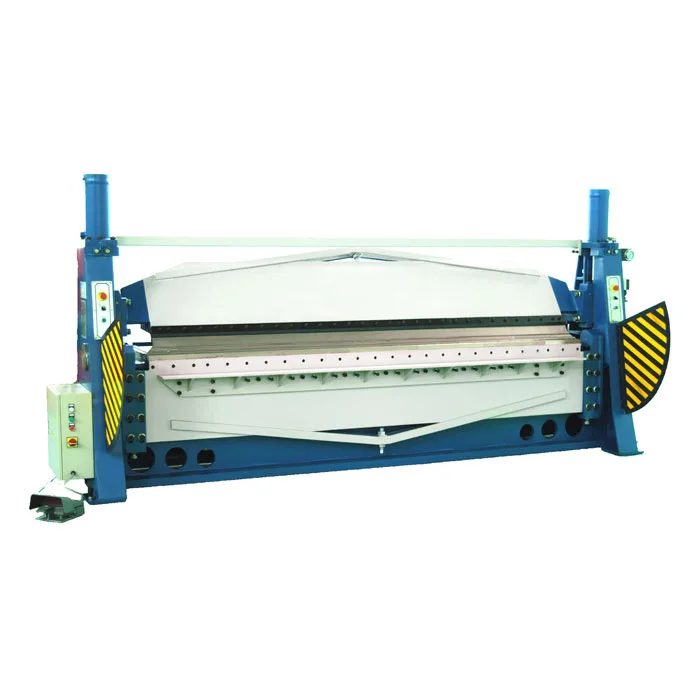
Metal Folding Machine: Comprehensive Guide to Precision Bending in 2024
2026/03/09 -
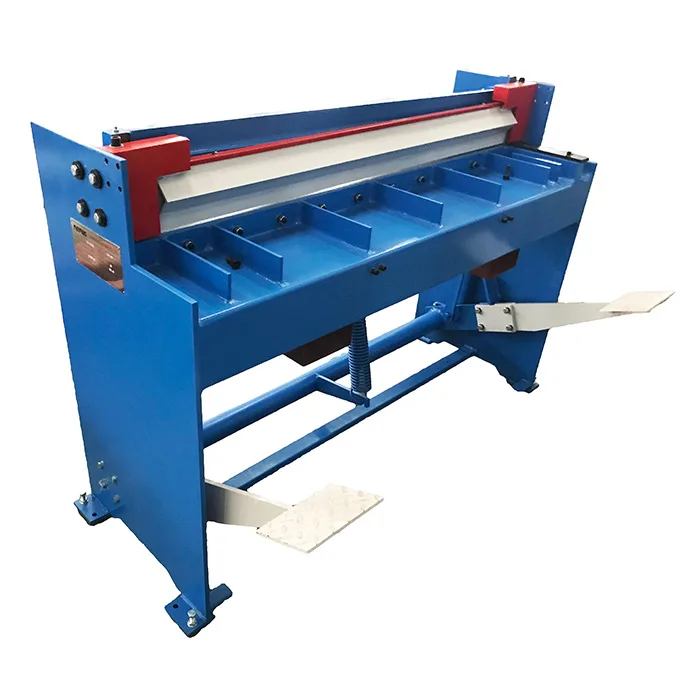
Sheet Metal Equipment: Ultimate Guide to Industrial Fabrication Solutions in 2026
2026/03/06
-
A Guide to the Latest Innovations in Sheet Metal Folding Machines
2024/11/29 -
Key Features to Consider When Investing in a Sheet Metal Folding Machine
2024/11/28 -
Enhancing Precision with Advanced Sheet Metal Folding Machines
2024/11/27 -
How to Choose the Right Sheet Metal Folding Machine for Your Workshop
2024/11/26
