


Exploring Different Models of Sheet Bending Machines
Sheet bending machines, also known as press brakes, are invaluable tools in metalworking, enabling the creation of complex metal shapes with precision and efficiency. With a wide range of models available, understanding the different types of sheet bending machines is crucial to selecting the machine that best suits your specific needs. This article explores the various models of sheet bending machines, focusing on their key features, capabilities, and applications.
Hydraulic Sheet Bending Machines
Hydraulic sheet bending machines utilize hydraulic pressure to generate the force required for bending. They are known for their high bending force, making them suitable for heavy-duty applications. Hydraulic machines typically offer a wider frame to accommodate larger workpieces and allow for more precise control over the bending process. They are often equipped with programmable controllers for automated operation and consistent bending results.
Mechanical Sheet Bending Machines
Mechanical sheet bending machines use mechanical linkages, such as gears and cams, to generate bending force. They are generally more compact and affordable than hydraulic machines but have a lower bending capacity. Mechanical machines are suitable for lighter-duty applications and are often used in workshops or small-scale production environments. They offer a straightforward design, making them easier to operate and maintain.
CNC Sheet Bending Machines
CNC (computer numerical control) sheet bending machines combine a standard sheet bending machine with a computer-controlled system. This allows for highly automated and precise bending operations. CNC machines can store and execute complex bending programs, ensuring consistent and repeatable results. They are ideal for high-volume production or applications requiring complex bends.
Servo-Electric Sheet Bending Machines
Servo-electric sheet bending machines utilize electric motors and servo drives for bending. They offer several advantages, including high precision, energy efficiency, and environmental friendliness. Servo-electric machines provide fast and accurate control over the bending process, enabling intricate bends and reduced cycle times. They are suitable for a wide range of applications, from light-duty to high-production environments.
Factors to Consider When Selecting a Sheet Bending Machine
When selecting a sheet bending machine, consider the following factors:
Bending Force:
Determine the maximum thickness and strength of the materials you intend to bend.
Bending Length:
The length of the bending machine’s bed determines the maximum length of sheet metal you can bend.
Control System:
Decide whether you need a manual, CNC, or servo-electric control system based on the desired precision and automation level.
Speed and Accuracy:
Consider the speed and precision requirements of your application. Servo-electric machines offer the highest speed and accuracy.
Budget:
Establish a budget and compare the prices of different models and manufacturers.
Applications:
Determine the specific applications you will be using the machine for. This will help narrow down the type of machine best suited to your needs.
By carefully considering these factors, you can select the optimal sheet bending machine model that meets your specific requirements and ensures efficient and precise bending operations.
-
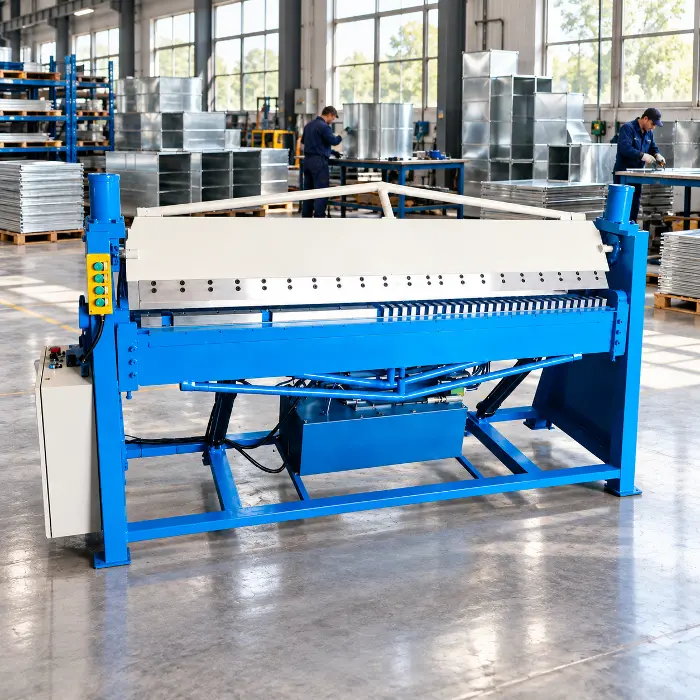
Choosing HVAC Duct Folding Machines for Flange-Safe Bending
2026/10/13 -
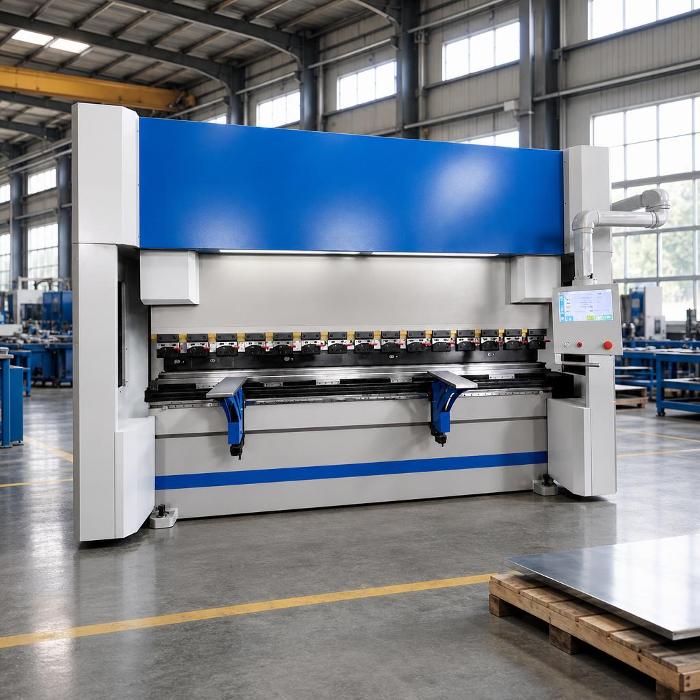
Precision Metal Forming Machines: What Separates Accurate Bends From Scrapped Sheet
2026/10/12 -
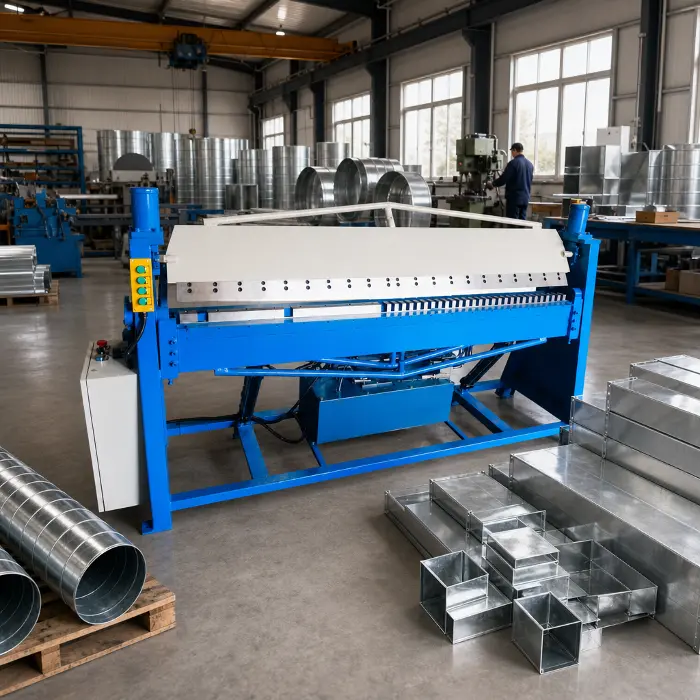
What to Look for in an HVAC Folding Machine Manufacturer
2026/10/11 -
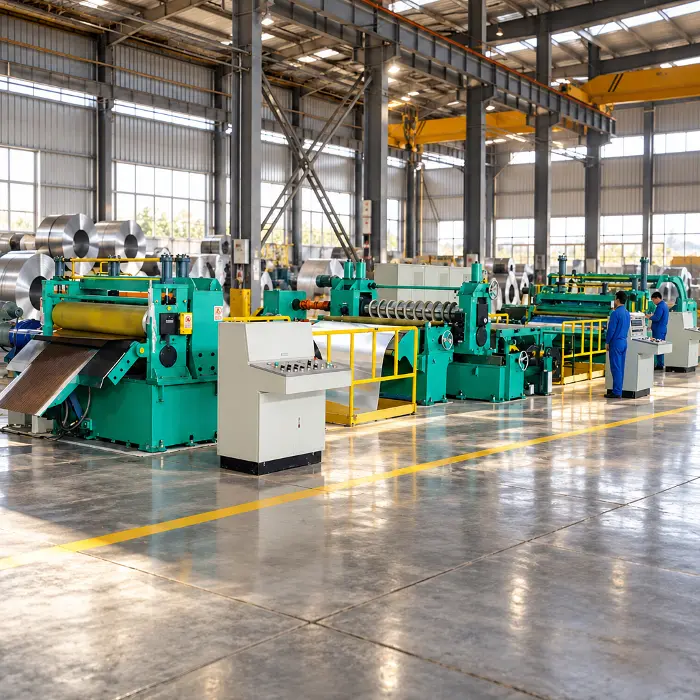
Steel Strip Cutting Machine: Engineering Precision in Modern Metal Processing
2026/10/10
-
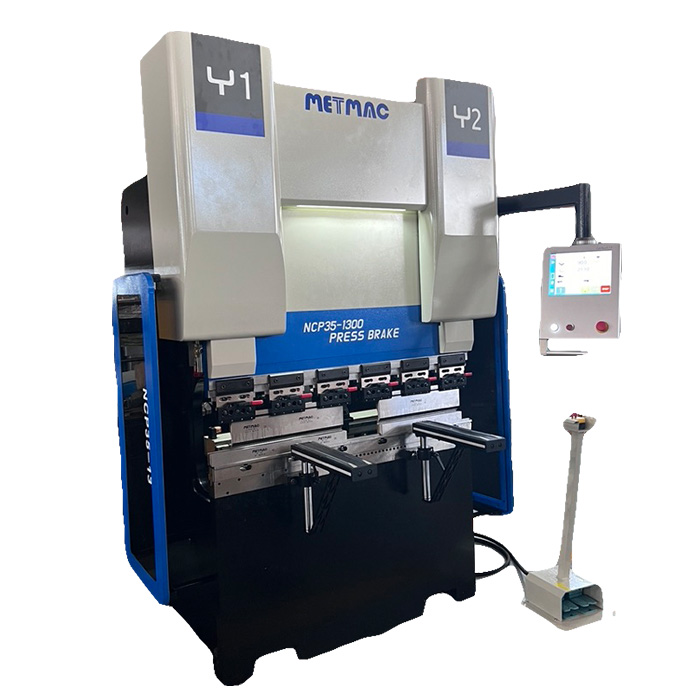
Sheet Metal Press Brake: Ultimate Guide to Precision Bending Technology in 2024
2026/03/13 -
Metal Punching Machine: Ultimate Guide to Precision Manufacturing in 2024
2026/03/11 -
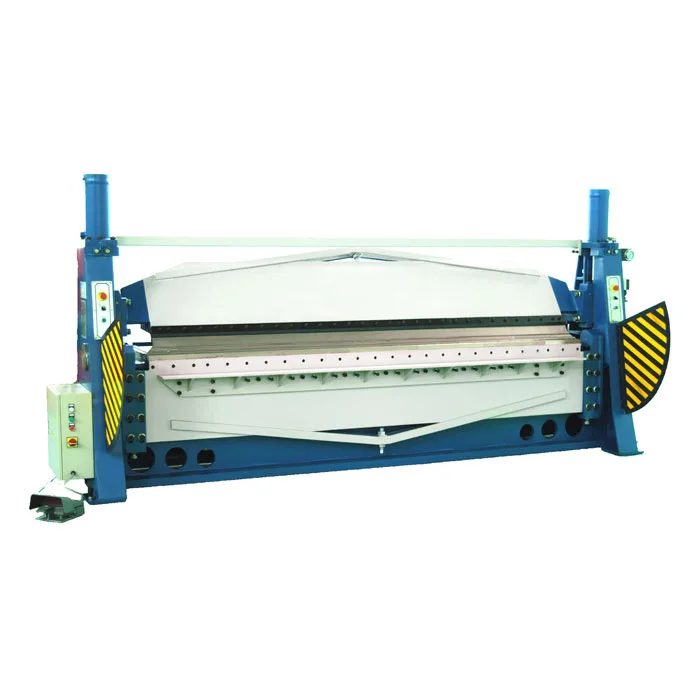
Metal Folding Machine: Comprehensive Guide to Precision Bending in 2024
2026/03/09 -
Sheet Metal Equipment: Ultimate Guide to Industrial Fabrication Solutions in 2026
2026/03/06
-
A Guide to the Latest Innovations in Sheet Metal Folding Machines
2024/11/29 -
Key Features to Consider When Investing in a Sheet Metal Folding Machine
2024/11/28 -
Enhancing Precision with Advanced Sheet Metal Folding Machines
2024/11/27 -
How to Choose the Right Sheet Metal Folding Machine for Your Workshop
2024/11/26
