


Exploring Different Models of Rectangular Duct Machines
Rectangular duct machines are indispensable tools in the manufacturing industry, enabling the production of ventilation systems, air conditioning ducts, and other essential components. With varying designs and capabilities, choosing the appropriate model for specific needs can be a daunting task. This article delves into the different models of rectangular duct machines, highlighting their key features and applications to guide informed decision-making.
Single-Head Machines
Single-head machines are the most basic type of rectangular duct machine, employing a single cutting head to form the duct. They are commonly used in small workshops or for low-volume production. These machines offer a cost-effective solution for fabricating ducts in a wide range of sizes. Single-head machines are easy to operate and maintain, making them ideal for beginners or businesses with limited expertise.
Multi-Head Machines
Multi-head machines are designed with multiple cutting heads, typically two or three, allowing for simultaneous operations. This significantly increases production efficiency, making them suitable for high-volume manufacturing. By optimizing cutting and bending processes, multi-head machines deliver faster throughput and reduce overall production time. The precise alignment of multiple heads ensures consistent duct quality and minimizes material waste.
CNC Machines
CNC (computer numerically controlled) rectangular duct machines leverage advanced technology to automate the cutting and forming processes. Controlled by a computer program, these machines offer unmatched precision and repeatability. CNC machines can be programmed to handle complex duct designs, enabling the production of intricate shapes and profiles. Their user-friendly interfaces make them accessible to both experienced and novice operators.
Fully Automated Machines
Fully automated rectangular duct machines represent the pinnacle of manufacturing efficiency. These machines integrate multiple production steps into a single automated system, including material feeding, cutting, bending, and stacking. By eliminating manual intervention, they maximize productivity and minimize lead times. Fully automated machines are particularly advantageous for mass production environments and high-capacity requirements.
Factors to Consider
Selecting the appropriate rectangular duct machine involves considering several key factors:
Production Volume: The anticipated production volume will determine the required machine capacity and number of heads.
Duct Size and Complexity: The dimensions and complexity of the ducts being produced influence the machine’s capabilities and cutting head configuration.
Material Type: Different materials, such as galvanized steel, aluminum, or stainless steel, require specialized cutting tools and machine settings.
Budget and Expertise: The cost and operational complexity of different models should be aligned with available resources and operator skill level.
Exploring the different models of rectangular duct machines empowers manufacturers to make informed choices based on their specific production needs. Whether it’s a single-head machine for small-scale operations or a fully automated system for high-volume production, there is a machine tailored to every requirement. By understanding the capabilities and advantages of each model, businesses can optimize their manufacturing processes, enhance efficiency, and deliver high-quality ducts.
-
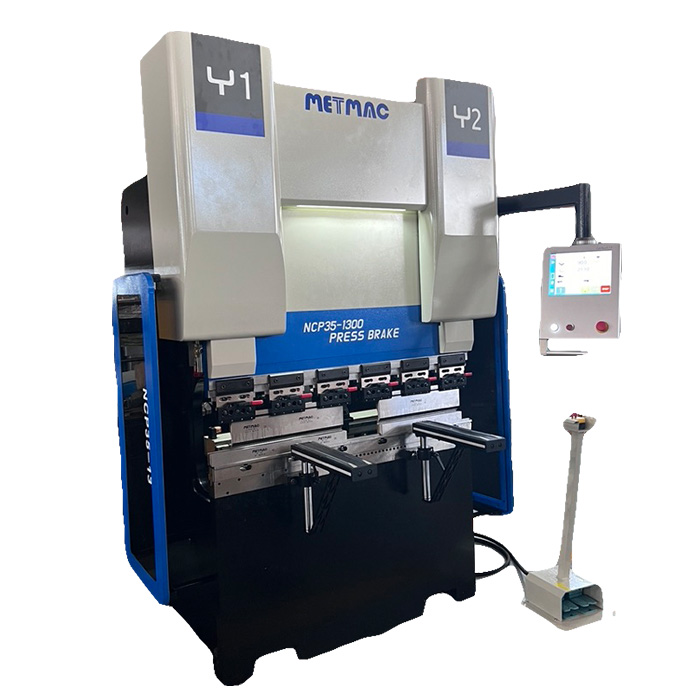
Press Metal Machine: The Definitive Guide to Precision Metal Forming
2026/03/12 -
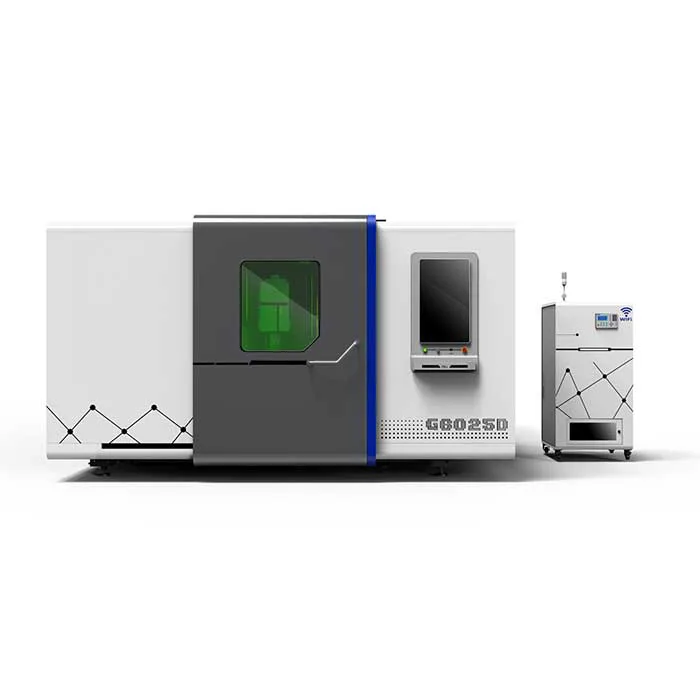
Metal Punching Machine: The Ultimate Guide to Precision Hole Punching
2026/03/10 -
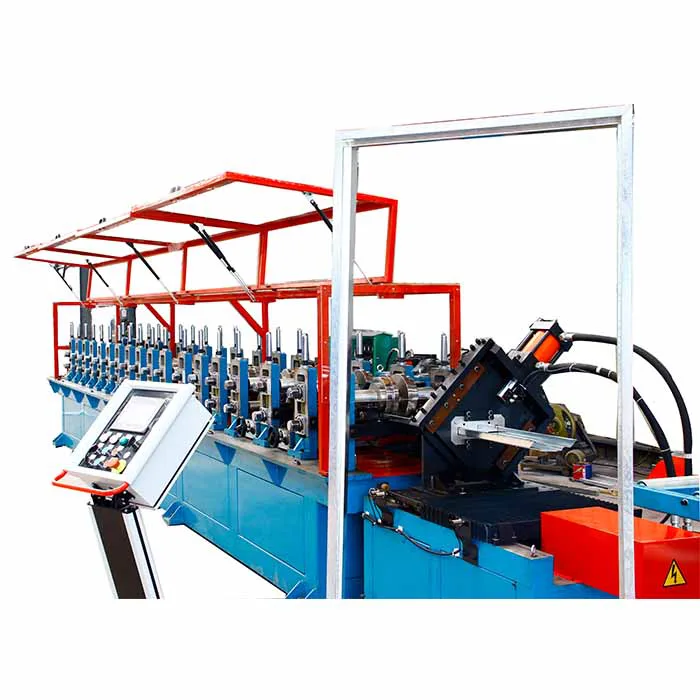
Sheet Metal Machinery: The Ultimate Guide to Industrial Fabrication Excellence
2026/03/04 -
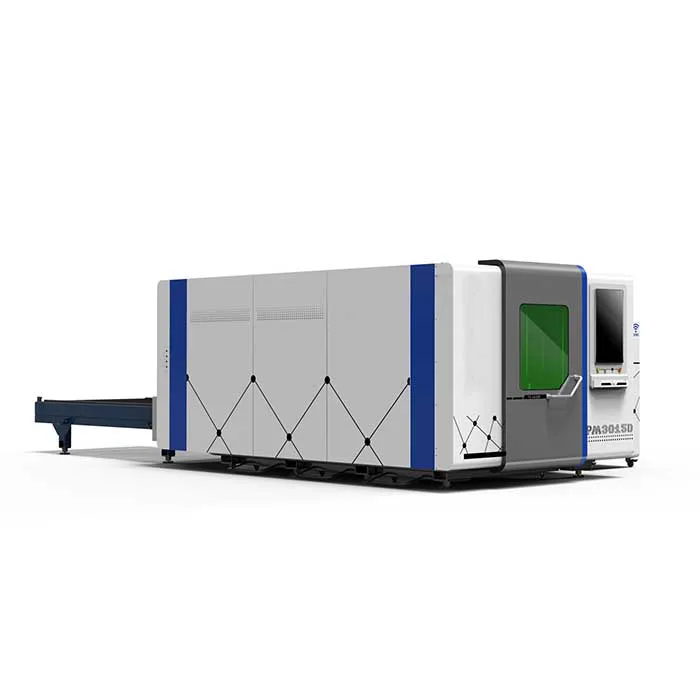
Iron Sheet Laser Cutting Machine: Unmatched Precision for Demanding Fabrication with METMAC
2026/01/06
-
Sheet Metal Press Brake: Ultimate Guide to Precision Bending Technology in 2024
2026/03/13 -
Metal Punching Machine: Ultimate Guide to Precision Manufacturing in 2024
2026/03/11 -
Metal Folding Machine: Comprehensive Guide to Precision Bending in 2024
2026/03/09 -
Sheet Metal Equipment: Ultimate Guide to Industrial Fabrication Solutions in 2026
2026/03/06
-
A Guide to the Latest Innovations in Sheet Metal Folding Machines
2024/11/29 -
Key Features to Consider When Investing in a Sheet Metal Folding Machine
2024/11/28 -
Enhancing Precision with Advanced Sheet Metal Folding Machines
2024/11/27 -
How to Choose the Right Sheet Metal Folding Machine for Your Workshop
2024/11/26
