

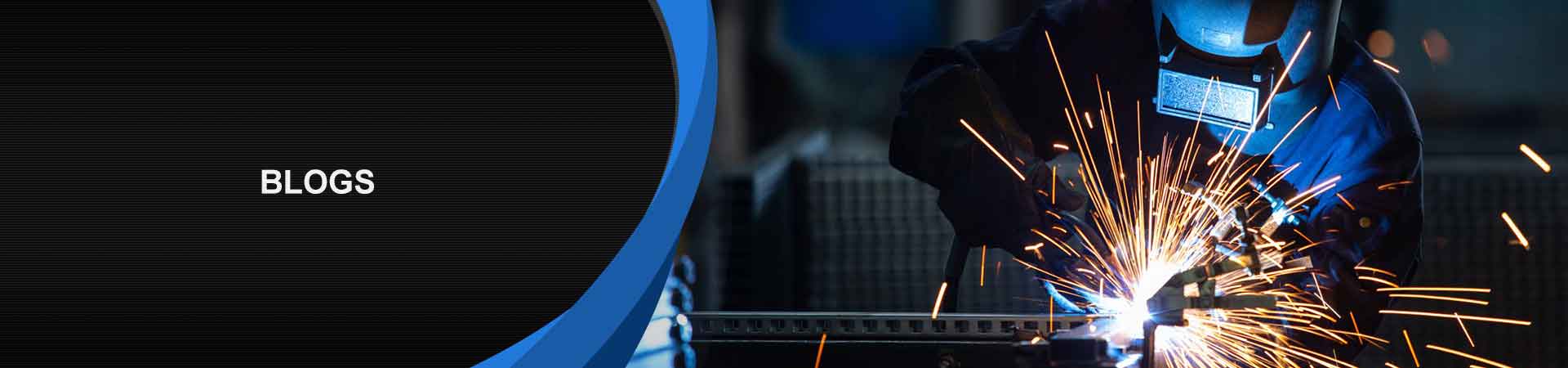
Exploring Different Models of Plate Bender Machines
The intricate world of metalworking necessitates the use of specialized machinery, and plate bending machines stand out as essential tools for shaping and manipulating metal sheets. From simple manual models to sophisticated CNC-controlled systems, exploring the various models of plate bender machines unveils a world of versatility and precision.
Manual Plate Benders
Manual plate benders are the most basic models, relying on manual force to bend metal sheets. These machines typically consist of a bed, a bending beam, and a clamping mechanism. The operator positions the metal sheet on the bed and uses the bending beam to apply force, manually bending the sheet to the desired angle.
Hydraulic Plate Benders
Hydraulic plate benders utilize hydraulic pressure to generate bending force. The hydraulic cylinder powers the bending beam, providing a more powerful and consistent bend compared to manual models. Hydraulic benders offer higher bending capacity and can handle thicker metal sheets.
CNC Plate Benders
CNC (Computer Numerical Control) plate benders represent the pinnacle of bending technology. These machines are fully automated and controlled by a computer program, ensuring precise and repeatable bending operations. CNC benders offer a range of advanced features, including automatic angle adjustment, programmable bending sequences, and collision avoidance.
Electric Plate Benders
Electric plate benders rely on electric motors to power the bending beam. They offer a cost-effective alternative to hydraulic models, providing a balance between power and energy efficiency. Electric benders are suitable for bending thinner metal sheets and are often used in smaller workshops.
Versatility and Applications
The versatility of plate bender machines extends across various industries and applications. These machines are used in metal fabrication, shipbuilding, automotive manufacturing, and construction. They can produce bends in sheet metal for structural components, enclosures, tanks, and a myriad of other products.
Conclusion
Exploring different models of plate bender machines reveals the diverse capabilities and applications in the field of metalworking. From manual to hydraulic, CNC to electric, each model offers unique advantages and caters to specific bending requirements. Understanding the nuances of these machines empowers metalworkers to select the most suitable model for their project needs, ensuring efficient, precise, and cost-effective bending operations.
-
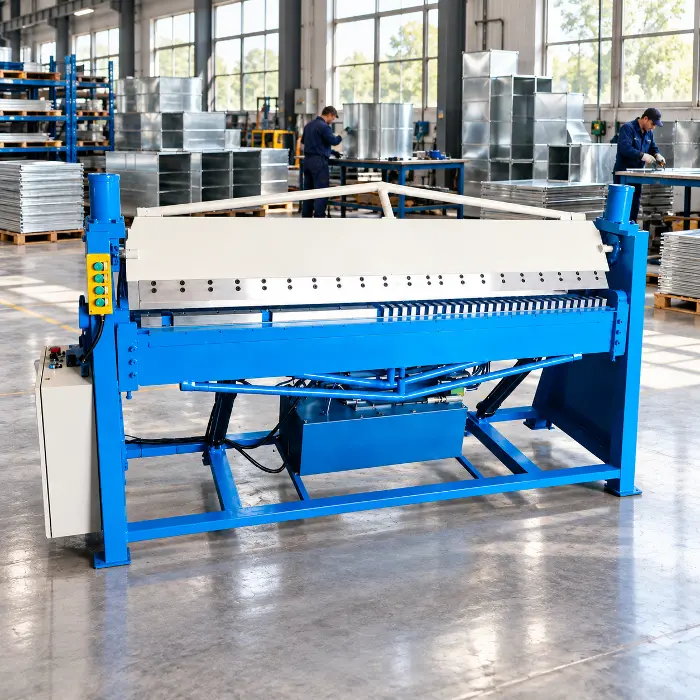
Choosing HVAC Duct Folding Machines for Flange-Safe Bending
2026/10/13 -
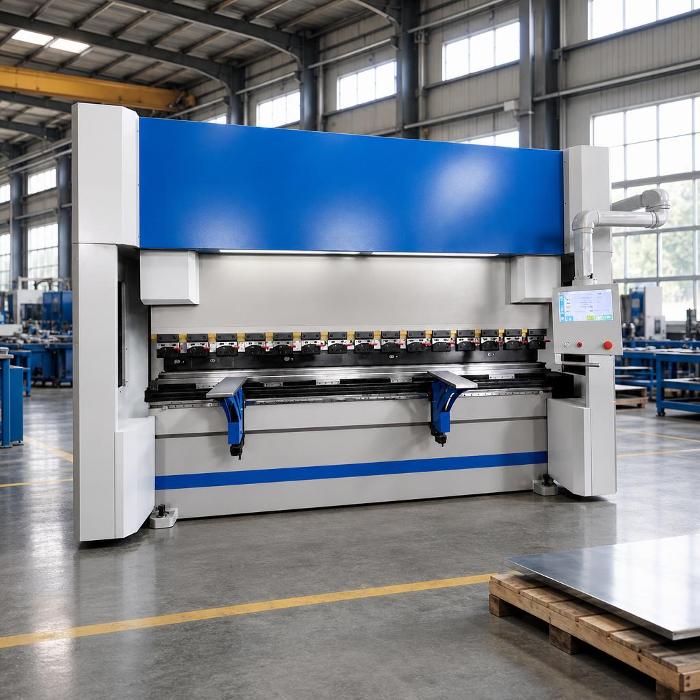
Precision Metal Forming Machines: What Separates Accurate Bends From Scrapped Sheet
2026/10/12 -
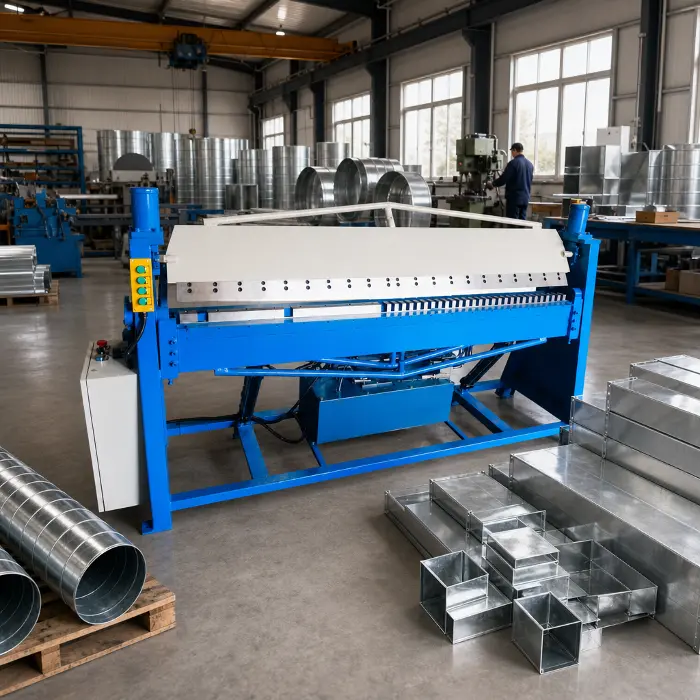
What to Look for in an HVAC Folding Machine Manufacturer
2026/10/11 -
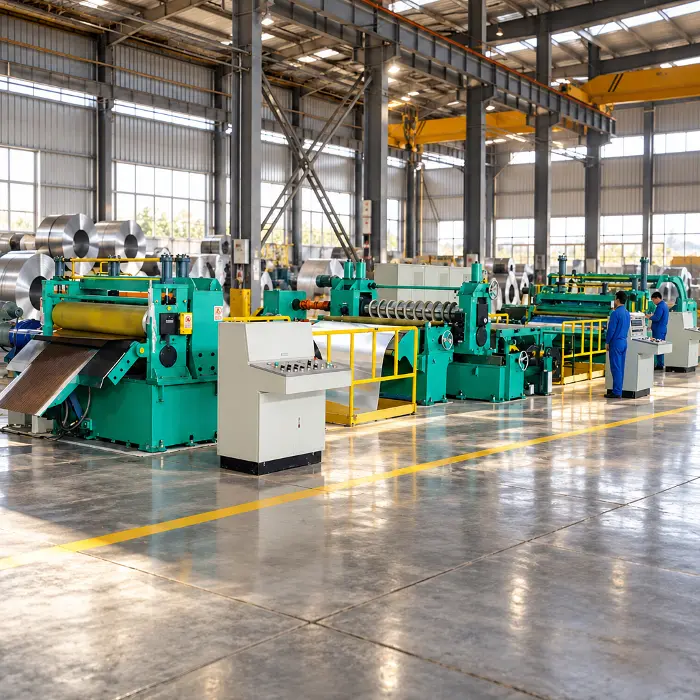
Steel Strip Cutting Machine: Engineering Precision in Modern Metal Processing
2026/10/10
-
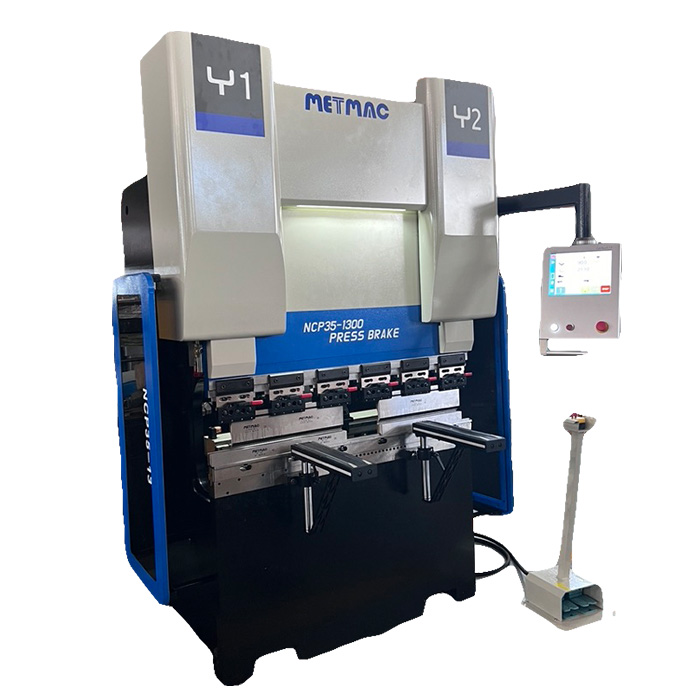
Sheet Metal Press Brake: Ultimate Guide to Precision Bending Technology in 2024
2026/03/13 -
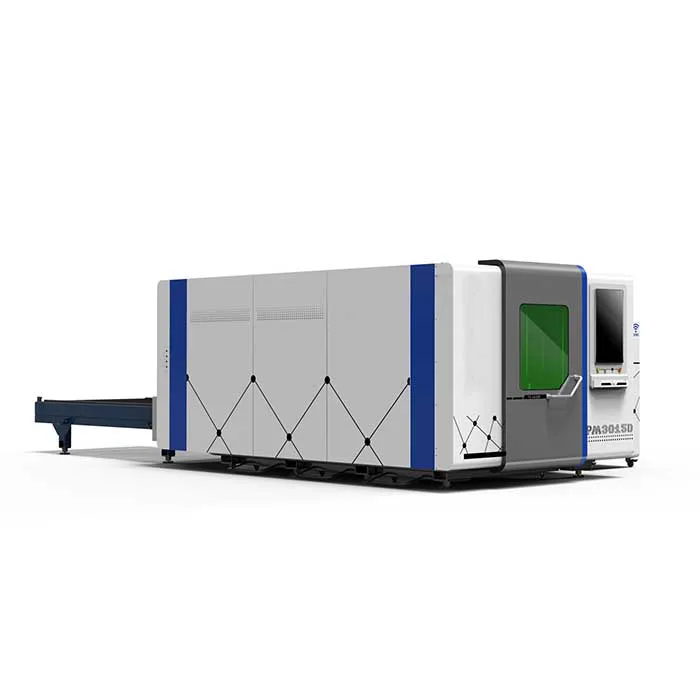
Metal Punching Machine: Ultimate Guide to Precision Manufacturing in 2024
2026/03/11 -
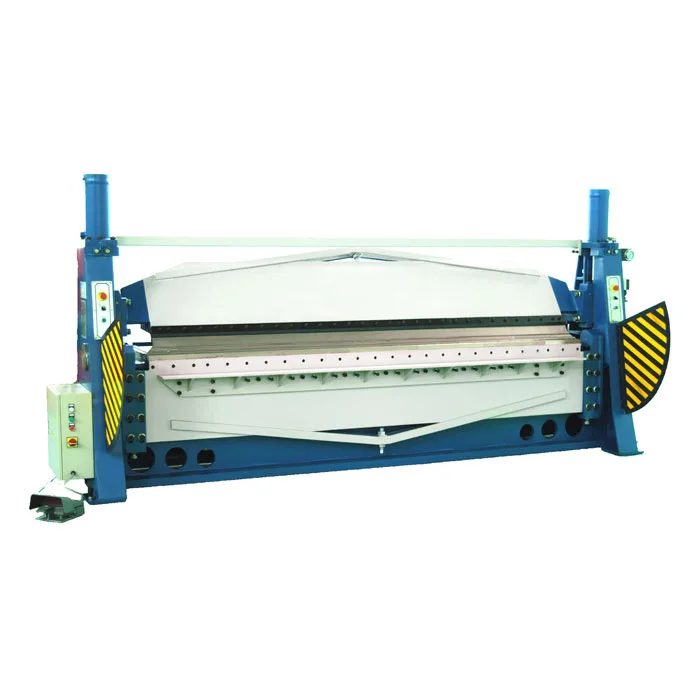
Metal Folding Machine: Comprehensive Guide to Precision Bending in 2024
2026/03/09 -
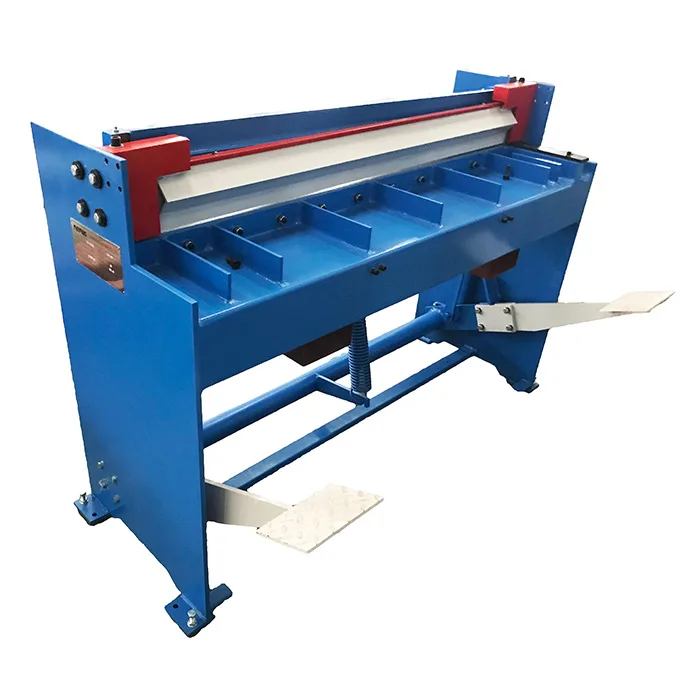
Sheet Metal Equipment: Ultimate Guide to Industrial Fabrication Solutions in 2026
2026/03/06
-
Latest Technological Advancements in Rectangular Duct Machines
2024/05/11 -
Integrating Automation with Rectangular Duct Machines for Enhanced Productivity
2024/05/11 -
Metal Shear Machines- Essential Tools for Precision Metal Cutting
2024/05/11 -
Understanding the Role and Function of Steel Strip Slitting Machines
2024/05/11
-
A Guide to the Latest Innovations in Sheet Metal Folding Machines
2024/11/29 -
Key Features to Consider When Investing in a Sheet Metal Folding Machine
2024/11/28 -
Enhancing Precision with Advanced Sheet Metal Folding Machines
2024/11/27 -
How to Choose the Right Sheet Metal Folding Machine for Your Workshop
2024/11/26
