


Exploring Different Materials and Thicknesses for Steel Strip Cutting Machines
The steel strip cutting machine is an essential tool in various industries, including metalworking, automotive, and construction. It is used to cut steel strips of different materials and thicknesses accurately and efficiently. The choice of material and thickness of the steel strip can significantly impact the performance and lifespan of the cutting machine. This article explores the different materials and thicknesses of steel strips suitable for cutting machines to help users make informed decisions.
Factors to Consider
Selecting the appropriate material and thickness for a steel strip cutting machine depends on several factors:
– Application: The intended use of the cut steel strips determines the required material properties, such as strength, durability, and corrosion resistance.
– Cutting Precision: The desired accuracy and precision of the cut edges influence the choice of material hardness and thickness.
– Machine Compatibility: The cutting machine’s capabilities and limitations, such as maximum cutting force and thickness capacity, must be considered.
Suitable Materials for Steel Strip Cutting
Low-Carbon Steel
Low-carbon steel is the most common material for steel strip cutting machines due to its affordability, good strength, and ease of cutting. It is suitable for applications where high precision is not critical, such as cutting reinforcement bars or structural beams.
Medium-Carbon Steel
Medium-carbon steel offers higher strength than low-carbon steel, making it ideal for cutting harder materials like springs or automotive components. Its increased hardness also necessitates more cutting force, which may require higher-powered cutting machines.
High-Carbon Steel
High-carbon steel provides the highest strength and hardness, making it suitable for cutting extremely tough materials like tool steels or armor plates. However, its brittleness requires careful handling to avoid breakage during cutting.
Stainless Steel
Stainless steel is a corrosion-resistant material suitable for cutting in environments where exposure to moisture or chemicals is a concern. It is harder than low-carbon steel but offers lower cutting precision due to its tendency to work-harden.
Optimal Strip Thicknesses
The optimal thickness of a steel strip for cutting depends on the specific application and the machine’s capabilities. Here are some general guidelines:
Thin Strips (0.5 mm – 2 mm)
Thin strips are highly flexible and suitable for applications that require intricate cuts or sharp bends. They are often used in electronics, medical devices, and jewelry making.
Medium Strips (2 mm – 5 mm)
Medium strips offer a balance of strength and flexibility, making them ideal for cutting components for machinery, automotive, and construction industries.
Thick Strips (> 5 mm)
Thick strips provide maximum strength but require more cutting force and specialized machines. They are commonly used in heavy-duty applications like shipbuilding, bridge construction, and armor plating.
Conclusion
Exploring the different materials and thicknesses of steel strips for cutting machines allows users to make informed choices based on their specific requirements. Low-carbon steel is a versatile and cost-effective option, while medium- and high-carbon steels offer increased strength and hardness. Stainless steel is suitable for corrosion-resistant applications. The optimal strip thickness depends on the flexibility, strength, and precision needed for the intended use. By considering these factors, users can select the most appropriate material and thickness for their steel strip cutting machine, ensuring optimal performance and longevity.
-
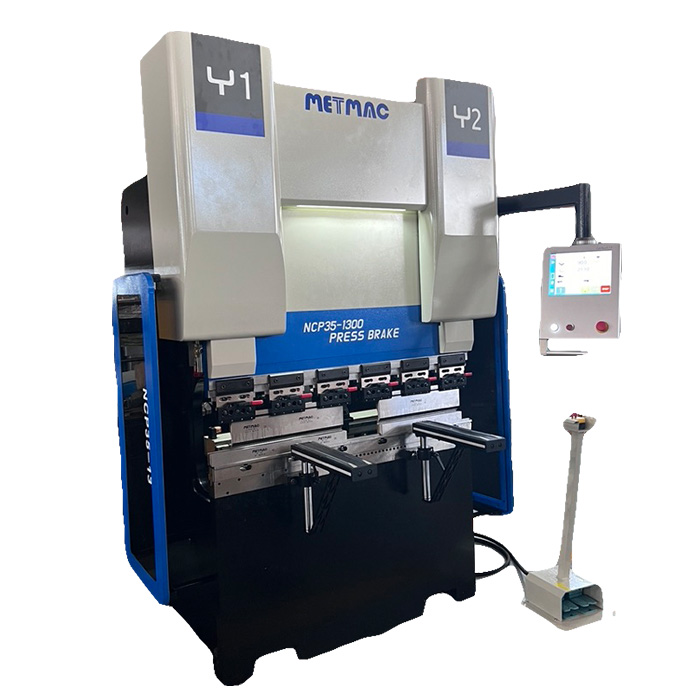
Press Metal Machine: The Definitive Guide to Precision Metal Forming
2026/03/12 -
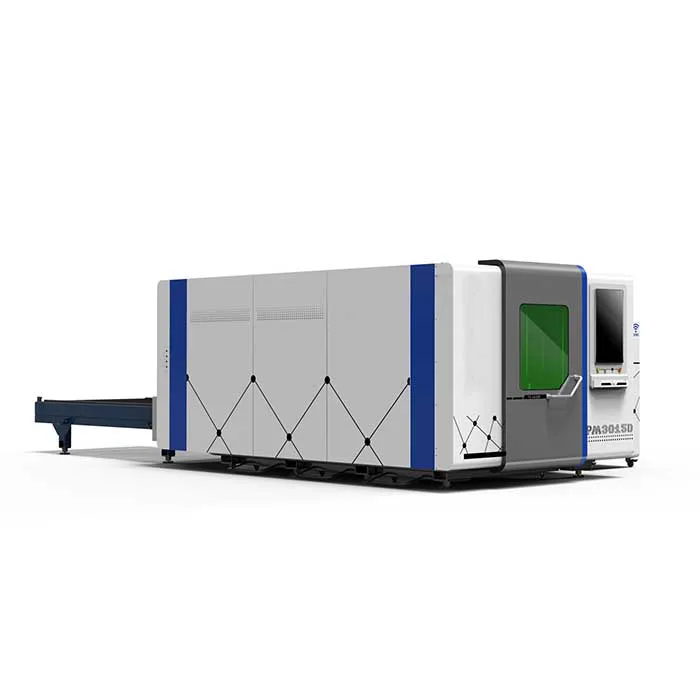
Metal Punching Machine: The Ultimate Guide to Precision Hole Punching
2026/03/10 -
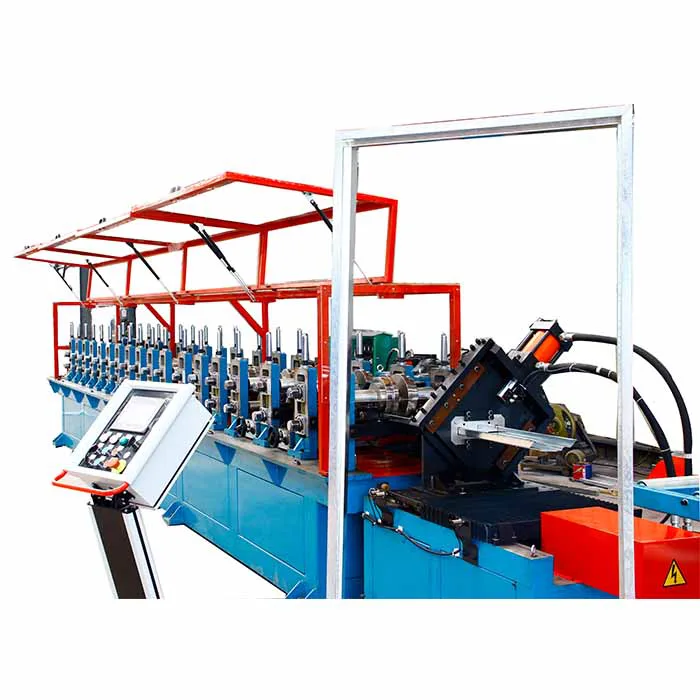
Sheet Metal Machinery: The Ultimate Guide to Industrial Fabrication Excellence
2026/03/04 -
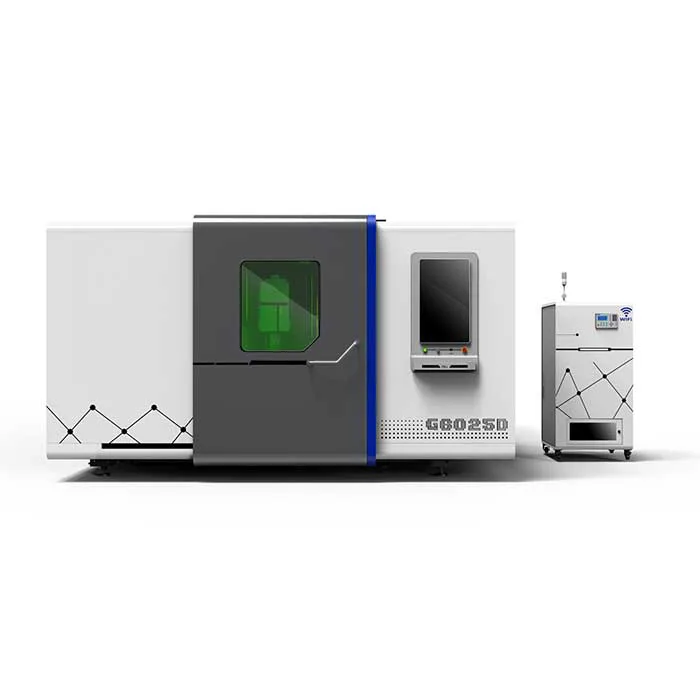
Iron Sheet Laser Cutting Machine: Unmatched Precision for Demanding Fabrication with METMAC
2026/01/06
-
Sheet Metal Press Brake: Ultimate Guide to Precision Bending Technology in 2024
2026/03/13 -
Metal Punching Machine: Ultimate Guide to Precision Manufacturing in 2024
2026/03/11 -
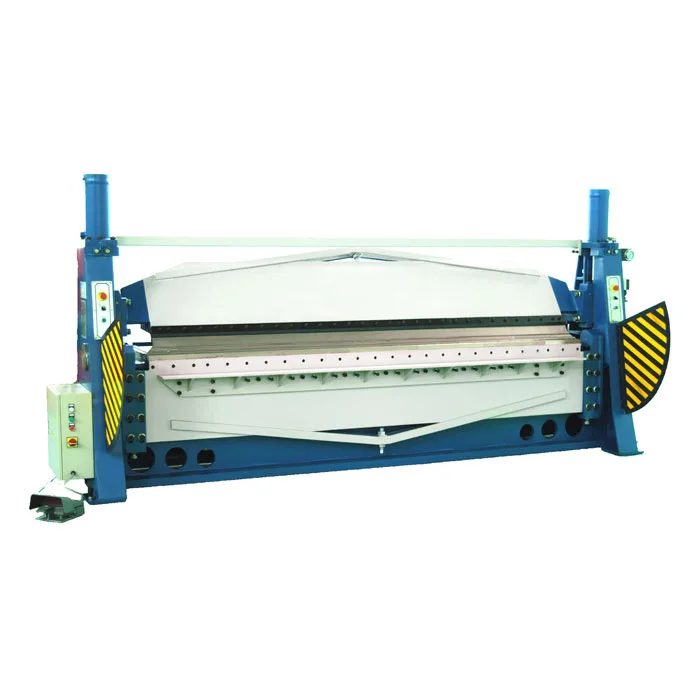
Metal Folding Machine: Comprehensive Guide to Precision Bending in 2024
2026/03/09 -
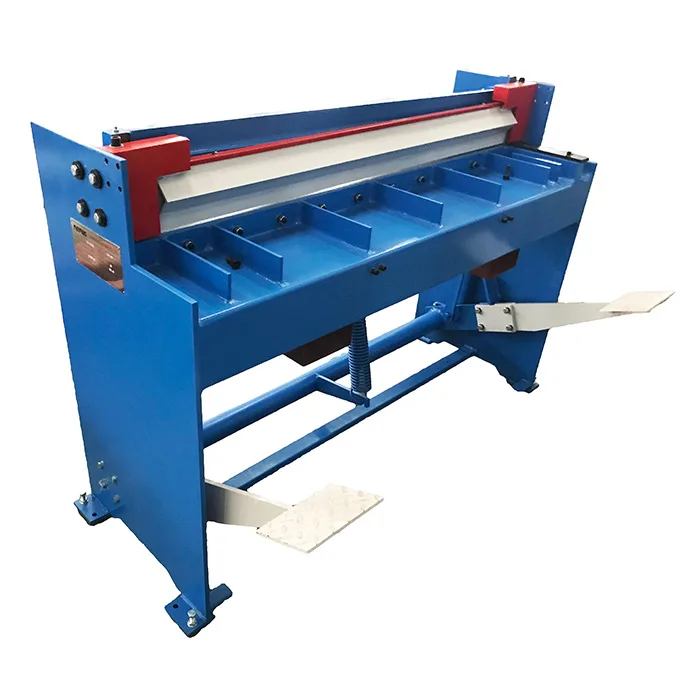
Sheet Metal Equipment: Ultimate Guide to Industrial Fabrication Solutions in 2026
2026/03/06
-
A Guide to the Latest Innovations in Sheet Metal Folding Machines
2024/11/29 -
Key Features to Consider When Investing in a Sheet Metal Folding Machine
2024/11/28 -
Enhancing Precision with Advanced Sheet Metal Folding Machines
2024/11/27 -
How to Choose the Right Sheet Metal Folding Machine for Your Workshop
2024/11/26
