

Exploring Advanced Techniques in Metal Plate Rolling
Metal plate rolling is an industrial process that involves shaping and forming metal plates by passing them through a series of rollers. It is widely used in various manufacturing industries to create a wide range of products, from automotive parts to structural components for construction. Exploring Advanced Techniques in Metal Plate Rolling delves into the intricacies of this process, shedding light on the latest advancements and innovative approaches that enhance its efficiency, precision, and versatility.
Precision Control and Automation
Modern metal plate rolling machines are equipped with advanced sensors, computer-aided design (CAD) systems, and programmable logic controllers (PLCs). These technologies enable precise control over the plate’s thickness, shape, and curvature. By automating the rolling process, manufacturers can achieve consistent and repeatable results, minimizing the need for manual adjustments and reducing the risk of errors.
Roll Forming and Profile Rolling
Advanced metal plate rolling techniques include roll forming and profile rolling. Roll forming involves passing the plate through a series of consecutive rolls that progressively shape it into complex cross-sectional profiles. On the other hand, profile rolling utilizes specialized rolls designed to create specific patterns or profiles on the plate’s surface, such as corrugations or ribs. These techniques offer greater design flexibility and allow for the production of intricate components with enhanced strength and durability.
Incremental Forming and Hydroforming
Incremental forming is an innovative approach that gradually shapes metal plates into complex geometries by applying incremental pressure. By dividing the forming process into a series of small steps, it enables the creation of shapes that were previously impossible to achieve using traditional methods. Hydroforming, another advanced technique, involves filling the metal plate with a pressurized fluid that expands it into a mold, resulting in complex contours and three-dimensional shapes.
Hybrid Processes and Multi-Pass Rolling
Hybrid processes combine different rolling techniques to achieve optimal results. For instance, laser cutting can be integrated into the rolling process to create precise cuts and reduce material waste. Multi-pass rolling involves passing the plate through the rolling mill multiple times, each with different roll configurations and settings. This approach allows for gradual shaping and minimizes the risk of cracks or distortions, especially when working with thick or high-strength materials.
Conclusion
Exploring Advanced Techniques in Metal Plate Rolling provides a comprehensive insight into the latest advancements and innovative approaches that are revolutionizing this industrial process. From precision control and automation to hybrid processes and multi-pass rolling, these techniques enable manufacturers to produce complex and high-quality metal plate components with greater efficiency, precision, and versatility. By embracing these advanced techniques, industries can enhance their productivity, reduce costs, and stay at the forefront of innovation.
-
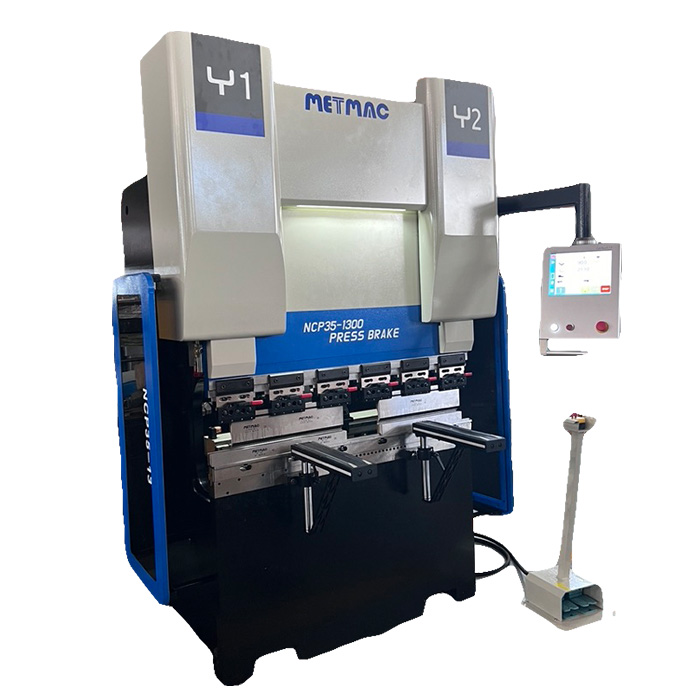
Press Metal Machine: The Definitive Guide to Precision Metal Forming
2026/03/12 -
Metal Punching Machine: The Ultimate Guide to Precision Hole Punching
2026/03/10 -
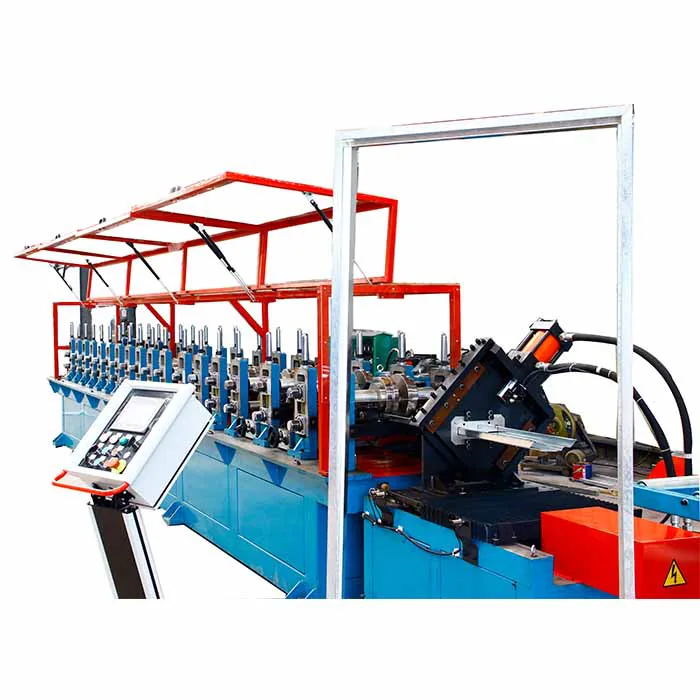
Sheet Metal Machinery: The Ultimate Guide to Industrial Fabrication Excellence
2026/03/04 -
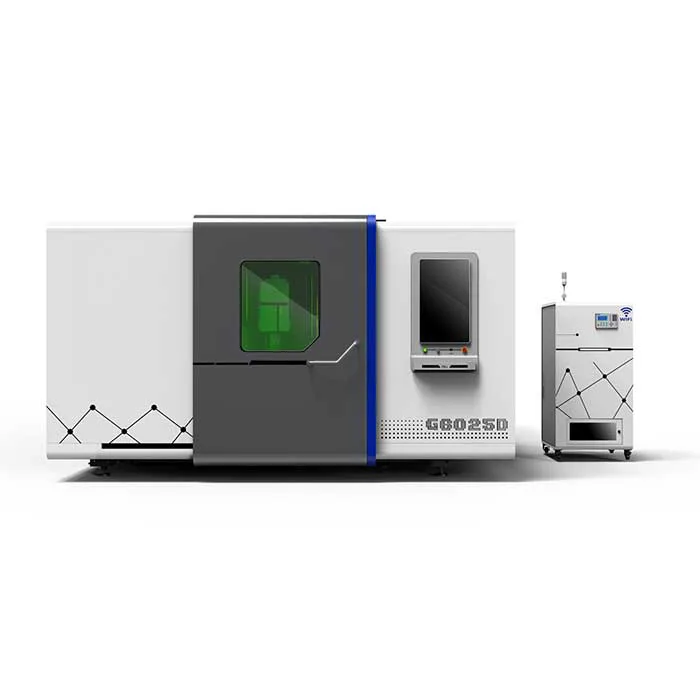
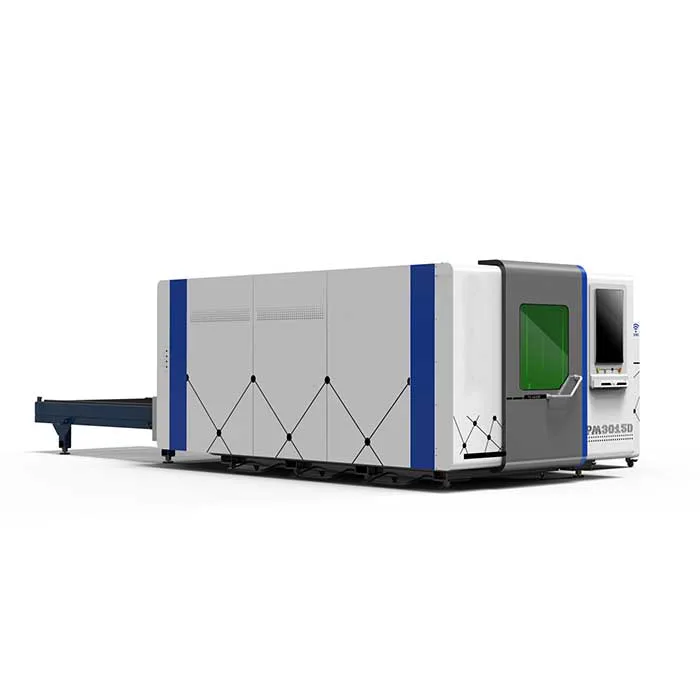
Iron Sheet Laser Cutting Machine: Unmatched Precision for Demanding Fabrication with METMAC
2026/01/06
-
Sheet Metal Press Brake: Ultimate Guide to Precision Bending Technology in 2024
2026/03/13 -
Metal Punching Machine: Ultimate Guide to Precision Manufacturing in 2024
2026/03/11 -
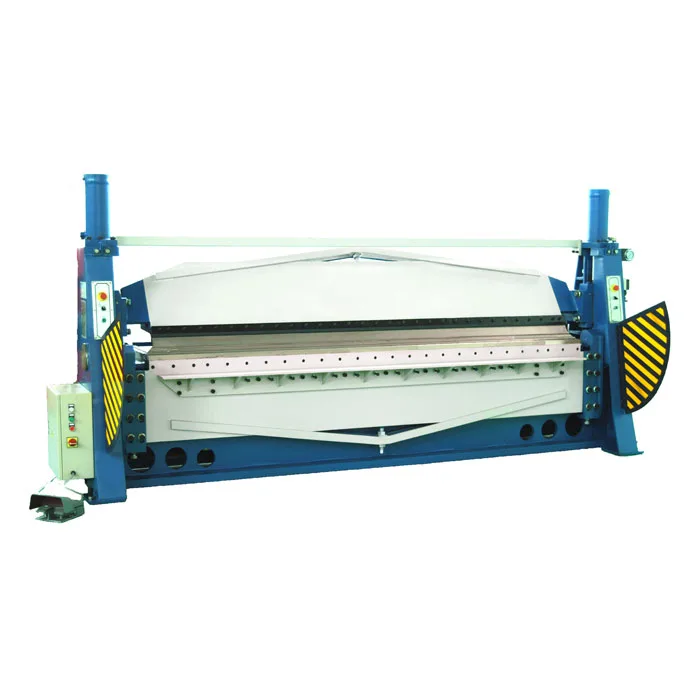
Metal Folding Machine: Comprehensive Guide to Precision Bending in 2024
2026/03/09 -
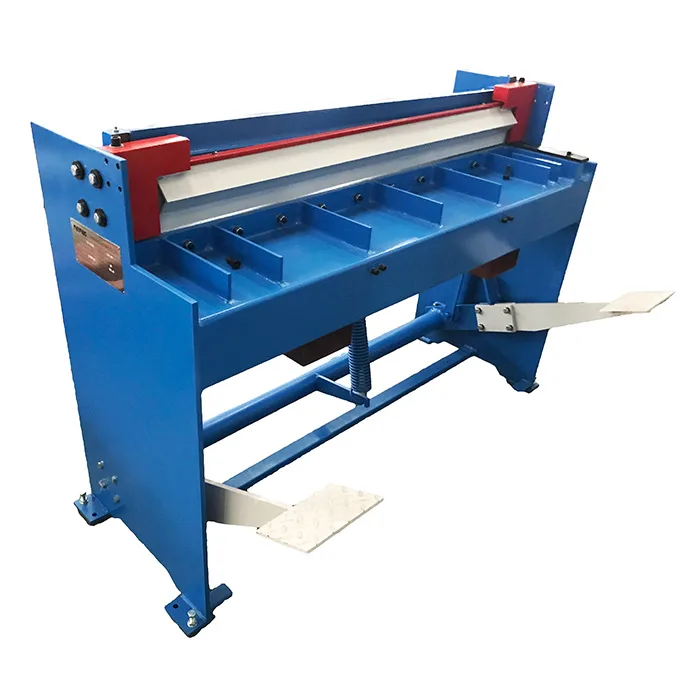
Sheet Metal Equipment: Ultimate Guide to Industrial Fabrication Solutions in 2026
2026/03/06
-
Latest Technological Advancements in Rectangular Duct Machines
2024/05/11 -
Integrating Automation with Rectangular Duct Machines for Enhanced Productivity
2024/05/11 -
Metal Shear Machines- Essential Tools for Precision Metal Cutting
2024/05/11 -
Understanding the Role and Function of Steel Strip Slitting Machines
2024/05/11
-
A Guide to the Latest Innovations in Sheet Metal Folding Machines
2024/11/29 -
Key Features to Consider When Investing in a Sheet Metal Folding Machine
2024/11/28 -
Enhancing Precision with Advanced Sheet Metal Folding Machines
2024/11/27 -
How to Choose the Right Sheet Metal Folding Machine for Your Workshop
2024/11/26
