


Expert Tips for Metal Plate Bending Success
Metal plate bending is a crucial process in various industries, including automotive, construction, and shipbuilding. Achieving accurate and efficient bends requires careful planning and execution. “Expert Tips for Metal Plate Bending Success” provides comprehensive guidance to help professionals maximize their bending operations.
Material Selection
The type of metal and its properties significantly impact bending success.
Tensile Strength: Materials with higher tensile strength are more difficult to bend, requiring higher bending forces.
Yield Strength: The yield strength determines the point at which the material begins to deform permanently. Bending beyond this point may result in cracking.
Elasticity: Elastic materials can return to their original shape after bending. Consider the springback factor to compensate for this effect.
Preparation and Setup
Proper preparation ensures accurate and trouble-free bending.
Material Inspection: Examine the metal for any imperfections or blemishes that could affect bending.
Lubrication: Applying lubricants to the bending area reduces friction and prevents damage to the material.
Machine Setup: Calibrate the bending machine and ensure that the tooling is sharp and in good condition.
Bending Techniques
The choice of bending technique depends on the metal properties and desired results.
Air Bending: A common method that uses a single bending die to form a V-shaped bend.
Bottom Bending: Involves the use of a punch and die to create a U-shaped bend. This technique provides better control over the bending angle.
Roll Bending: Suitable for bending large or long plates. The metal is rolled between three or more rollers to achieve a cylindrical or conical shape.
Tooling Selection
The choice of tooling influences the efficiency and accuracy of the bend.
Bending Dies: Select the appropriate die radius to produce the desired bend angle. Sharper radii result in sharper bends.
Punches: Use punches with the correct shape and size to ensure proper fit with the dies.
Tooling Materials: The materials used for tooling should be wear-resistant and hardened to withstand high bending forces.
Quality Control
Verify the quality of the bends to ensure they meet the required specifications.
Dimensional Accuracy: Check the bending angle and dimensions against the design drawings.
Surface Finish: Inspect the bent area for any blemishes, cracks, or other surface defects.
Strength Testing: Perform strength tests to ensure that the bends meet the load-bearing requirements.
-
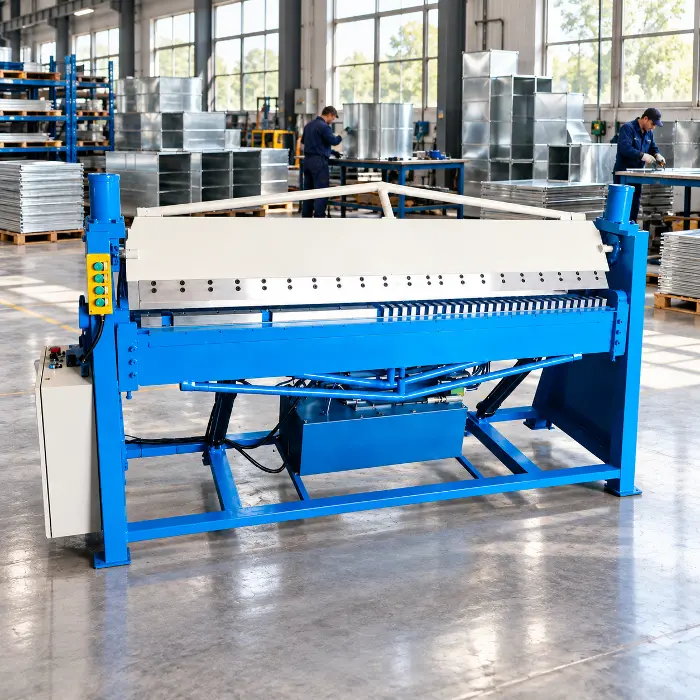
Choosing HVAC Duct Folding Machines for Flange-Safe Bending
2026/10/13 -
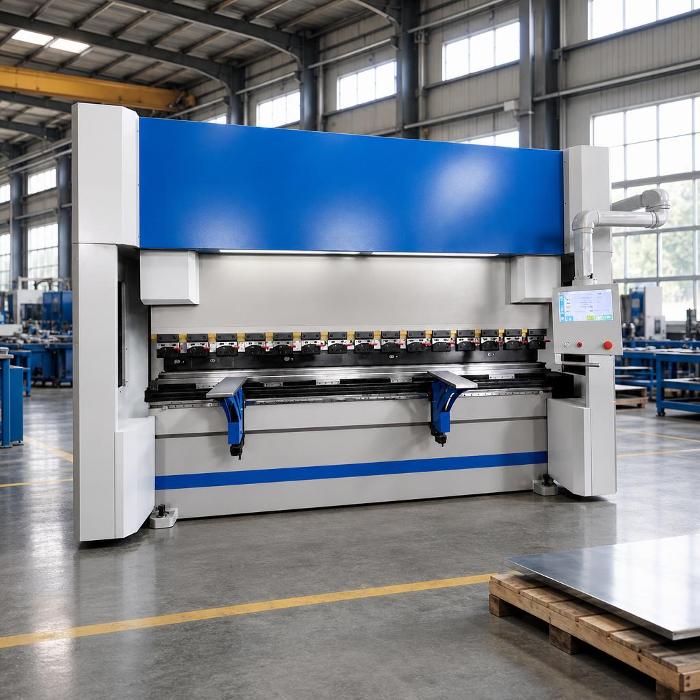
Precision Metal Forming Machines: What Separates Accurate Bends From Scrapped Sheet
2026/10/12 -
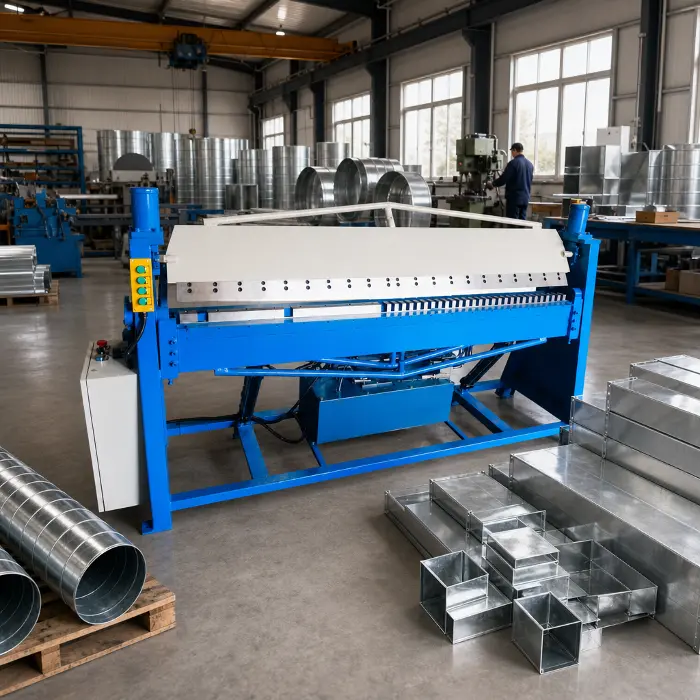
What to Look for in an HVAC Folding Machine Manufacturer
2026/10/11 -
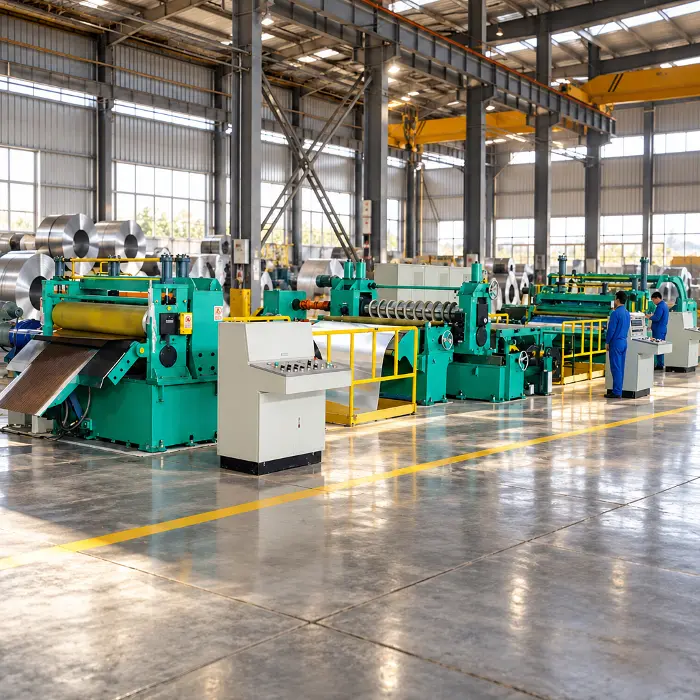
Steel Strip Cutting Machine: Engineering Precision in Modern Metal Processing
2026/10/10
-
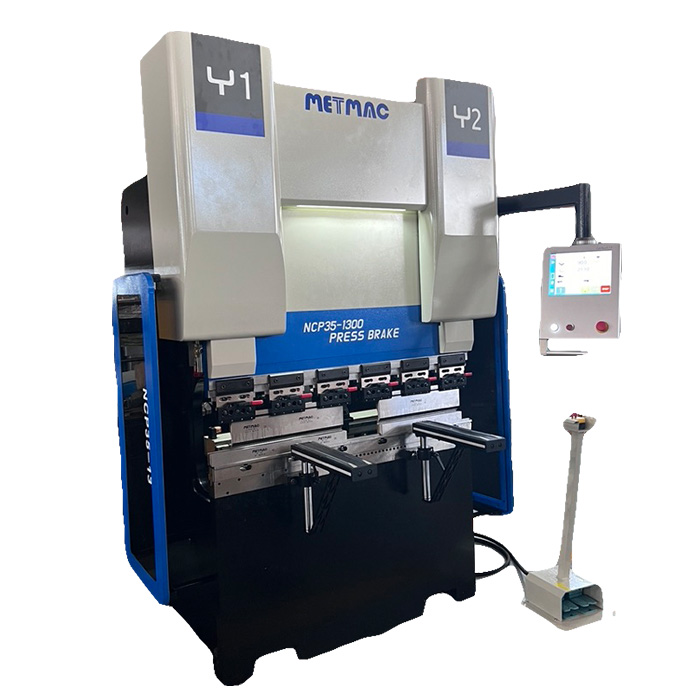
Sheet Metal Press Brake: Ultimate Guide to Precision Bending Technology in 2024
2026/03/13 -
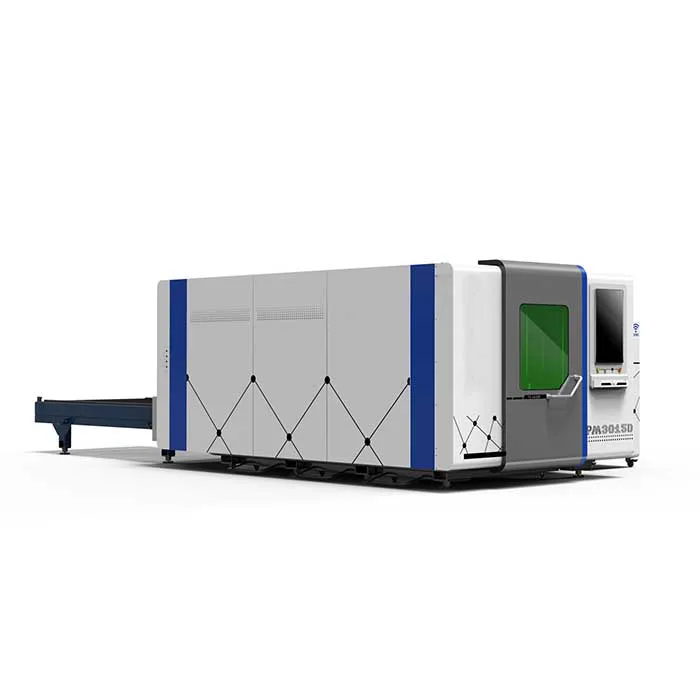
Metal Punching Machine: Ultimate Guide to Precision Manufacturing in 2024
2026/03/11 -
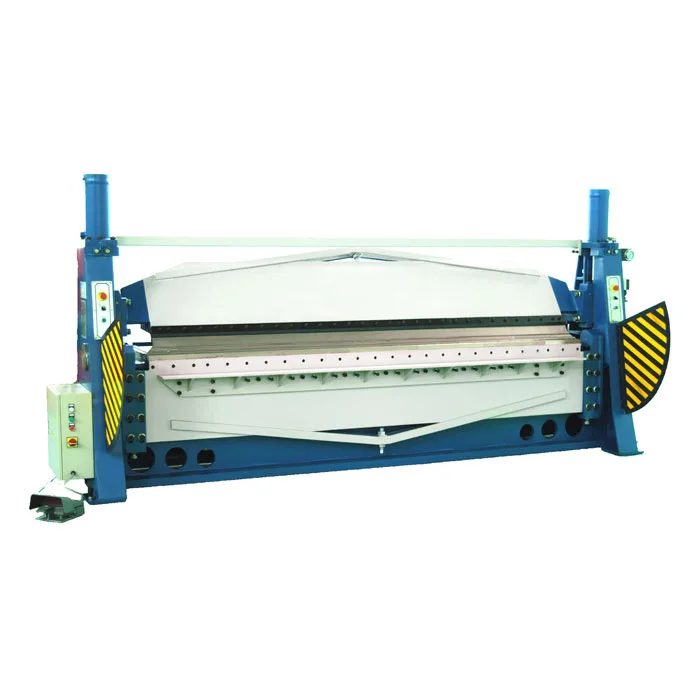
Metal Folding Machine: Comprehensive Guide to Precision Bending in 2024
2026/03/09 -
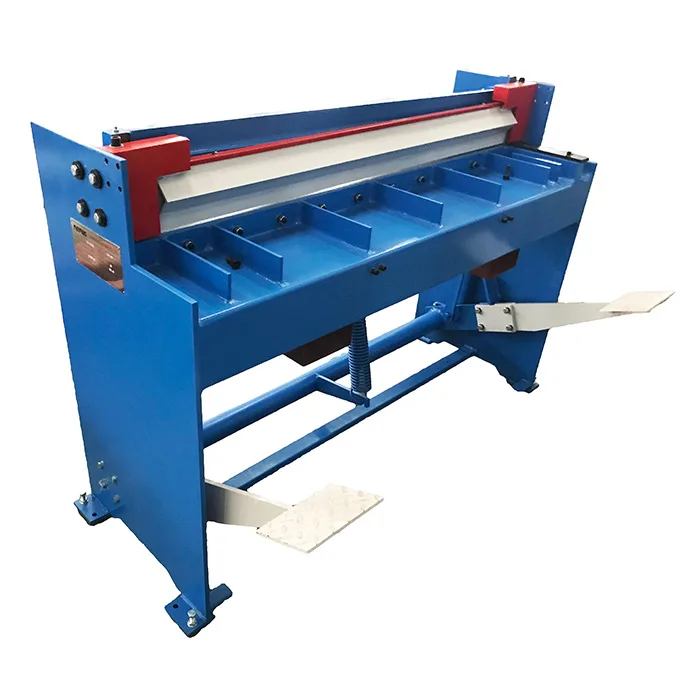
Sheet Metal Equipment: Ultimate Guide to Industrial Fabrication Solutions in 2026
2026/03/06
-
A Guide to the Latest Innovations in Sheet Metal Folding Machines
2024/11/29 -
Key Features to Consider When Investing in a Sheet Metal Folding Machine
2024/11/28 -
Enhancing Precision with Advanced Sheet Metal Folding Machines
2024/11/27 -
How to Choose the Right Sheet Metal Folding Machine for Your Workshop
2024/11/26
