


Expert Tips for Duct Beading Success
Expert Tips for Duct Beading Success: A Comprehensive Guide
Duct beading is a crucial technique in HVAC (Heating, Ventilation, and Air Conditioning) for creating airtight and leak-proof connections between air ducts. Mastering this skill requires attention to detail and a systematic approach. This article presents expert tips and tricks to guide you through the duct beading process, ensuring a successful outcome.
Proper Tools: The Foundation of Success
Investing in the right tools is paramount. A sturdy bead roller with adjustable settings allows for precise beading of different duct sizes and materials. Additionally, a measuring tape, chalk line, and aviation snips are essential for accurate measurements and clean cuts.
Precise Measurements: Ensuring a Perfect Fit
Accurately measuring the duct dimensions is vital. Use a measuring tape to determine the length, width, and height of the duct section. Mark the beading locations with a chalk line, ensuring parallel lines for a symmetrical bead.
Careful Cutting: Clean Edges for a Strong Bond
Precise cutting is crucial for ensuring a tight fit. Use aviation snips to make clean, straight cuts along the marked lines. Avoid burrs or jagged edges, as they can compromise the sealant’s adhesion.
Bending and Beading: Shaping the Duct
Bend the duct along the marked lines using a duct bending machine or pliers. Ensure sharp bends for a secure connection. Insert the duct into the bead roller and adjust the settings to create a bead around the edges. Guide the duct through the roller, applying constant pressure for a uniform bead.
Sealing and Finishing: Securing the Connection
Apply an appropriate sealant around the beaded edges. Use a sealant gun or brush to ensure even distribution and coverage. Smooth the sealant using a putty knife or sponge, removing any excess. Allow the sealant to cure completely before installing the duct system.
Tips for Flawless Beads
Use a well-maintained bead roller with sharp dies.
Lubricate the bead roller dies to prevent material sticking.
Apply consistent pressure throughout the beading process.
Check the bead regularly for proper sizing and symmetry.
Use a seam closer tool to further reinforce the bead.
Protect the bead from damage by wrapping it in tape or sealant.
Conclusion
Following these expert tips, you can achieve successful duct beading, ensuring a reliable and efficient HVAC system. By investing in the right tools, taking precise measurements, making careful cuts, bending and beading accurately, and sealing thoroughly, you can create airtight connections that will stand the test of time.
-
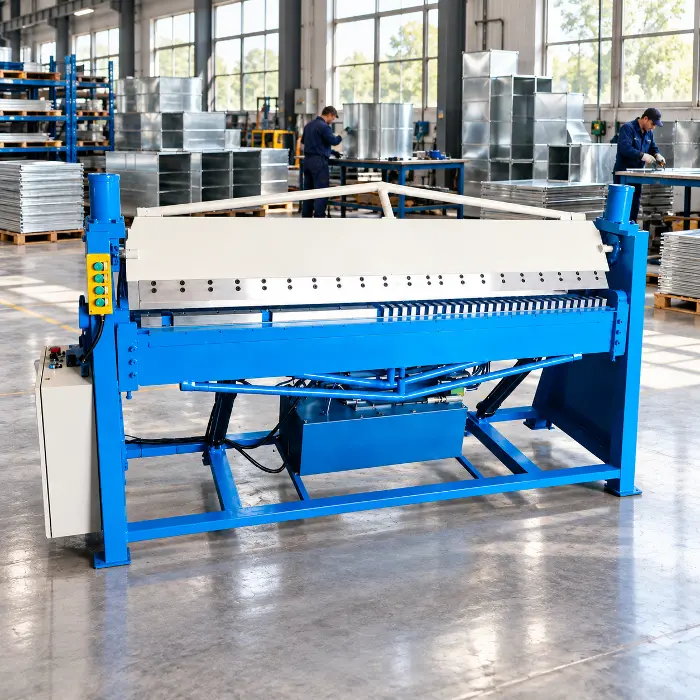
Choosing HVAC Duct Folding Machines for Flange-Safe Bending
2026/10/13 -
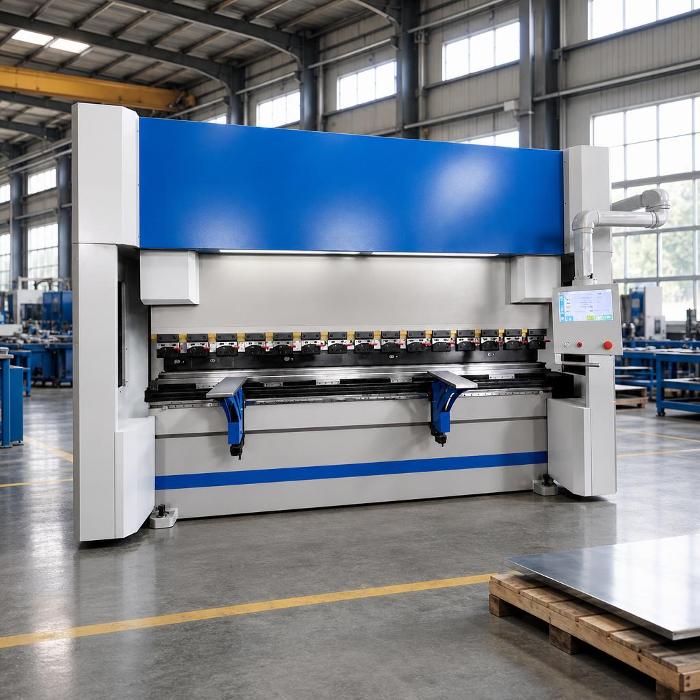
Precision Metal Forming Machines: What Separates Accurate Bends From Scrapped Sheet
2026/10/12 -
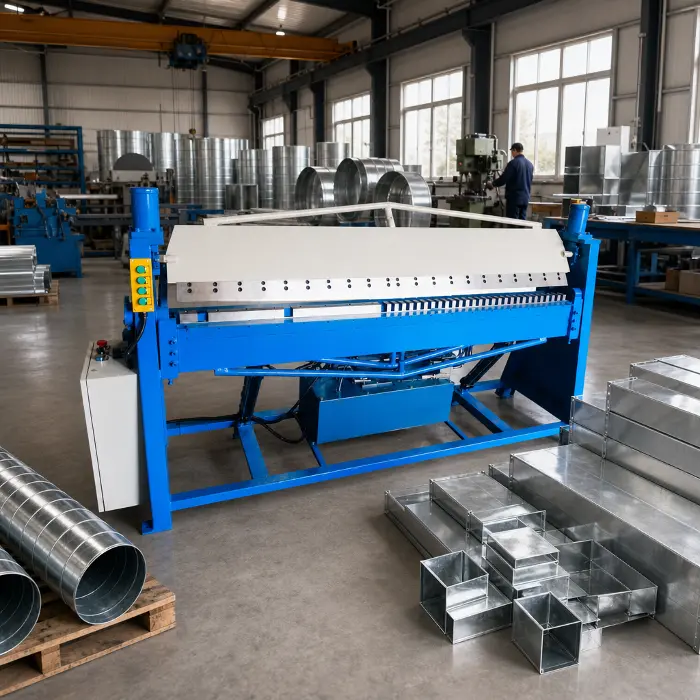
What to Look for in an HVAC Folding Machine Manufacturer
2026/10/11 -
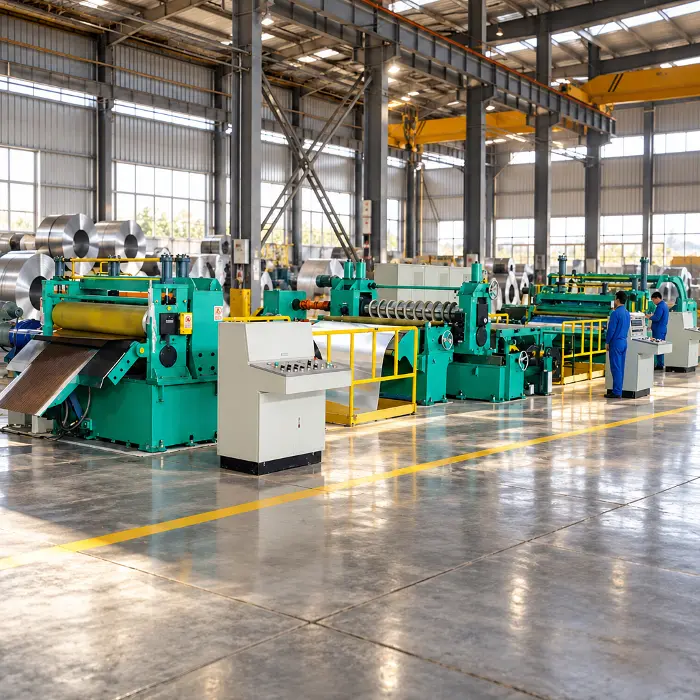
Steel Strip Cutting Machine: Engineering Precision in Modern Metal Processing
2026/10/10
-
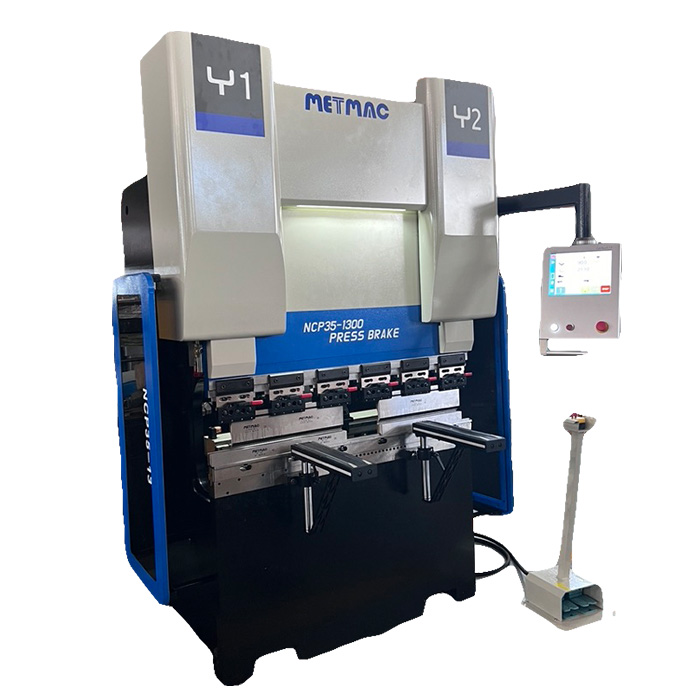
Sheet Metal Press Brake: Ultimate Guide to Precision Bending Technology in 2024
2026/03/13 -
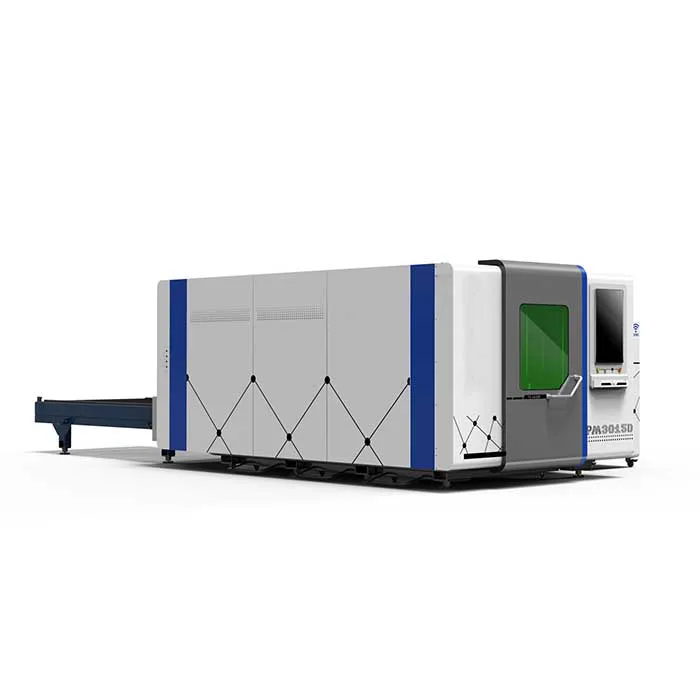
Metal Punching Machine: Ultimate Guide to Precision Manufacturing in 2024
2026/03/11 -
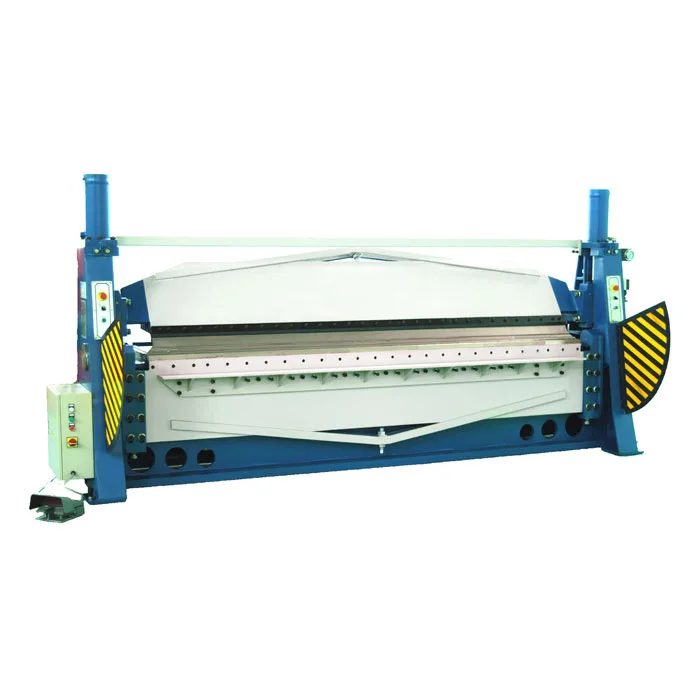
Metal Folding Machine: Comprehensive Guide to Precision Bending in 2024
2026/03/09 -
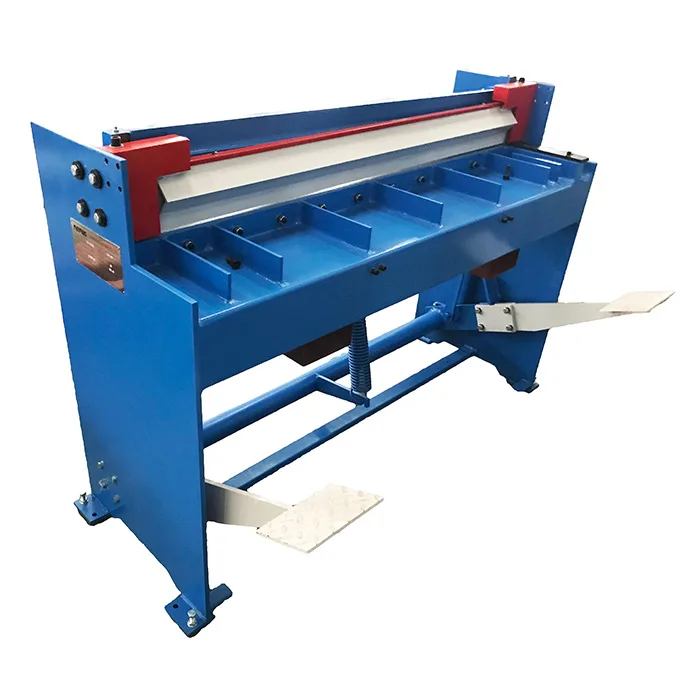
Sheet Metal Equipment: Ultimate Guide to Industrial Fabrication Solutions in 2026
2026/03/06
-
Latest Technological Advancements in Rectangular Duct Machines
2024/05/11 -
Integrating Automation with Rectangular Duct Machines for Enhanced Productivity
2024/05/11 -
Metal Shear Machines- Essential Tools for Precision Metal Cutting
2024/05/11 -
Understanding the Role and Function of Steel Strip Slitting Machines
2024/05/11
-
A Guide to the Latest Innovations in Sheet Metal Folding Machines
2024/11/29 -
Key Features to Consider When Investing in a Sheet Metal Folding Machine
2024/11/28 -
Enhancing Precision with Advanced Sheet Metal Folding Machines
2024/11/27 -
How to Choose the Right Sheet Metal Folding Machine for Your Workshop
2024/11/26
