


Evaluating Cost vs. Performance of Metal Plate Rolling Machines
The evaluation of metal plate rolling machines involves a careful assessment of costs and performance to determine the optimal machine for specific manufacturing needs. Evaluating these factors is crucial for businesses seeking to maximize efficiency, quality, and return on investment.
Machine Specifications
The specifications of a metal plate rolling machine are fundamental to its performance. Consider factors such as:
– Maximum Plate Thickness: Determines the range of plate thicknesses the machine can handle.
– Roll Diameter: Larger diameters provide greater rolling force but require more space.
– Roll Length: Determines the length of plates that can be rolled.
– Pre-Bending Capacity: Indicates the machine’s ability to pre-bend plates prior to rolling.
Productivity and Efficiency
Productivity and efficiency are vital for maximizing output. Evaluate aspects such as:
– Rolling Speed: Determines the rate at which plates can be rolled, influencing production volume.
– Cycle Time: The time required for a single rolling operation, including loading, rolling, and unloading.
– Automation Features: Advanced machines offer automation, reducing labor costs and improving precision.
Accuracy and Precision
Accuracy and precision are essential for meeting quality standards. Assess factors like:
– Roll Alignment: Precise alignment ensures accurate bending and prevents material defects.
– Pressure Control: Proper pressure control minimizes plate distortion and ensures consistent results.
– Measurement Systems: Integrated measurement systems provide precise control over bending angles and plate dimensions.
Cost Considerations
Machine cost is a significant investment. Factors to consider include:
– Purchase Price: The initial cost of the machine, including ancillary equipment and accessories.
– Maintenance Costs: Regular maintenance is essential to ensure optimal performance and longevity.
– Energy Consumption: Energy-efficient machines reduce operating costs over time.
– Return on Investment (ROI): Calculate the ROI to determine the potential profitability of the machine.
Safety and Ergonomics
Safety and ergonomics contribute to operator well-being and workplace efficiency. Evaluate:
– Safety Features: Protective guards, emergency stops, and ergonomic controls ensure operator safety.
– Ease of Use: Intuitive controls and ergonomic design minimize fatigue and improve productivity.
– Noise and Vibration Levels: Excessive noise and vibration can affect operator comfort and create a less desirable work environment.
Evaluating the cost vs. performance of metal plate rolling machines is a comprehensive process that considers technical specifications, productivity, accuracy, costs, and safety. By carefully assessing these factors, businesses can make informed decisions that align with their manufacturing needs and optimize their return on investment.
-
Press Metal Machine: The Definitive Guide to Precision Metal Forming
2026/03/12 -
Metal Punching Machine: The Ultimate Guide to Precision Hole Punching
2026/03/10 -
Sheet Metal Machinery: The Ultimate Guide to Industrial Fabrication Excellence
2026/03/04 -
Iron Sheet Laser Cutting Machine: Unmatched Precision for Demanding Fabrication with METMAC
2026/01/06
-
Sheet Metal Press Brake: Ultimate Guide to Precision Bending Technology in 2024
2026/03/13 -
Metal Punching Machine: Ultimate Guide to Precision Manufacturing in 2024
2026/03/11 -
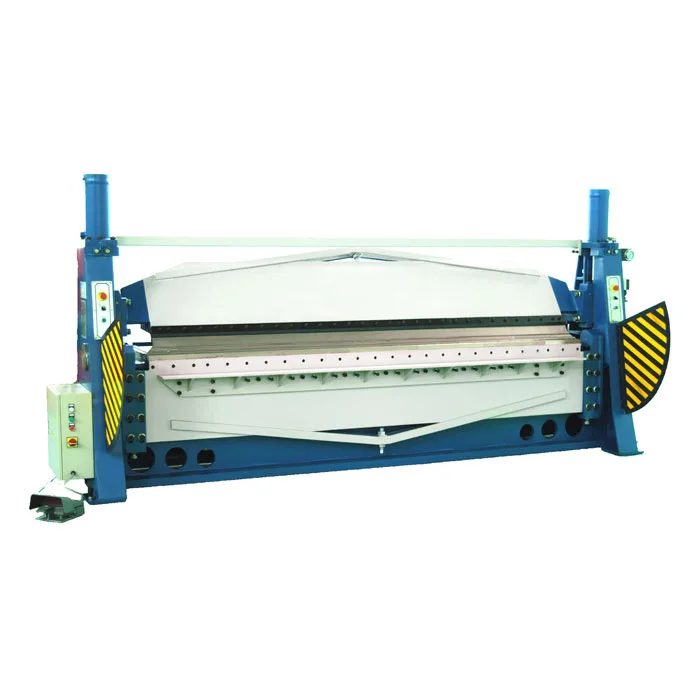
Metal Folding Machine: Comprehensive Guide to Precision Bending in 2024
2026/03/09 -
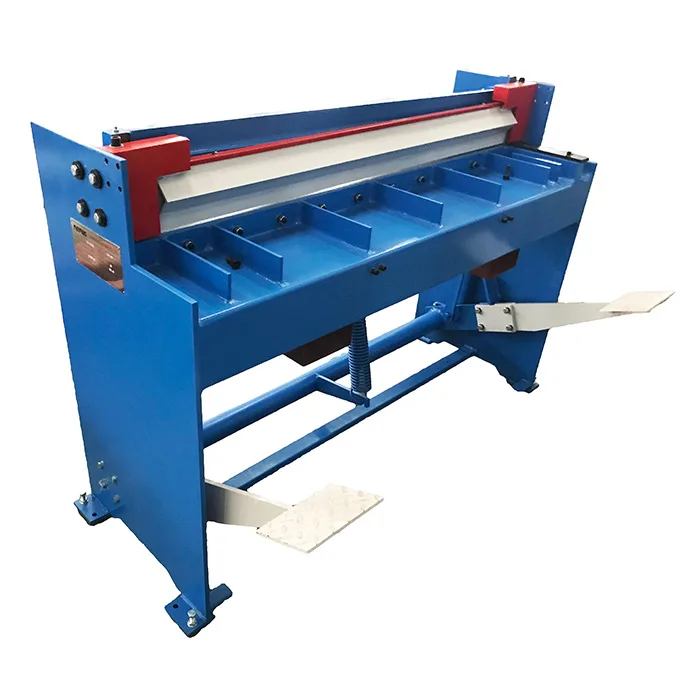
Sheet Metal Equipment: Ultimate Guide to Industrial Fabrication Solutions in 2026
2026/03/06
-
A Guide to the Latest Innovations in Sheet Metal Folding Machines
2024/11/29 -
Key Features to Consider When Investing in a Sheet Metal Folding Machine
2024/11/28 -
Enhancing Precision with Advanced Sheet Metal Folding Machines
2024/11/27 -
How to Choose the Right Sheet Metal Folding Machine for Your Workshop
2024/11/26
