


Environmental Impact of Metal Punching Machines
Metal punching machines are widely used in various industries for cutting and shaping metal sheets. However, the operation of these machines can have significant environmental consequences that need to be addressed to ensure sustainable practices.
Air Pollution
Metal punching machines release various air pollutants into the atmosphere, including:
– Particulate Matter (PM): Fine dust particles emitted during punching operations can contribute to air pollution and respiratory issues.
– Volatile Organic Compounds (VOCs): Solvents and lubricants used in the process release VOCs, which contribute to ozone depletion and smog formation.
Noise Pollution
The operation of metal punching machines generates high noise levels that can impact both workers and the surrounding environment.
– Workplace Noise: Prolonged exposure to loud noise can lead to hearing loss, tinnitus, and other health problems for workers.
– Environmental Noise: Noise pollution from metal punching machines can be a nuisance for nearby communities, affecting sleep and quality of life.
Waste Generation
Metal punching operations produce substantial amounts of waste:
– Metal Scrap: Punched metal sheets generate large quantities of scrap metal that require proper disposal or recycling.
– Oil and Lubricants: Waste oil and lubricants from the machines require responsible handling and disposal to prevent soil and water contamination.
Energy Consumption
Metal punching machines consume a significant amount of energy during operation:
– Electrical Power: Electrically powered machines require substantial amounts of electricity, contributing to greenhouse gas emissions if generated from fossil fuels.
– Compressed Air: Pneumatic machines rely on compressed air, which requires energy-intensive compressors and can contribute to energy consumption.
Water Consumption
Some metal punching machines use cutting fluids or coolants during operation:
– Water Consumption: The use of cutting fluids involves water consumption, which can strain water resources, especially in regions with water scarcity.
– Wastewater Generation: Wastewater from metal punching operations may contain hazardous substances that require proper treatment before disposal.
Mitigation Measures
To minimize the environmental impact of metal punching machines, various mitigation measures can be implemented:
– Air Pollution Control: Filtration systems can capture particulate matter and VOCs, reducing air pollution.
– Noise Reduction: Soundproofing enclosures and vibration damping materials can mitigate noise levels.
– Waste Management: Efficient scrap metal recycling and responsible disposal of oil and lubricants reduce waste generation.
– Energy Efficiency: Energy-efficient machines, variable speed drives, and optimized cutting processes minimize energy consumption.
– Water Conservation: Water-based cutting fluids can be recycled and cutting fluids can be used sparingly to minimize water consumption.
-
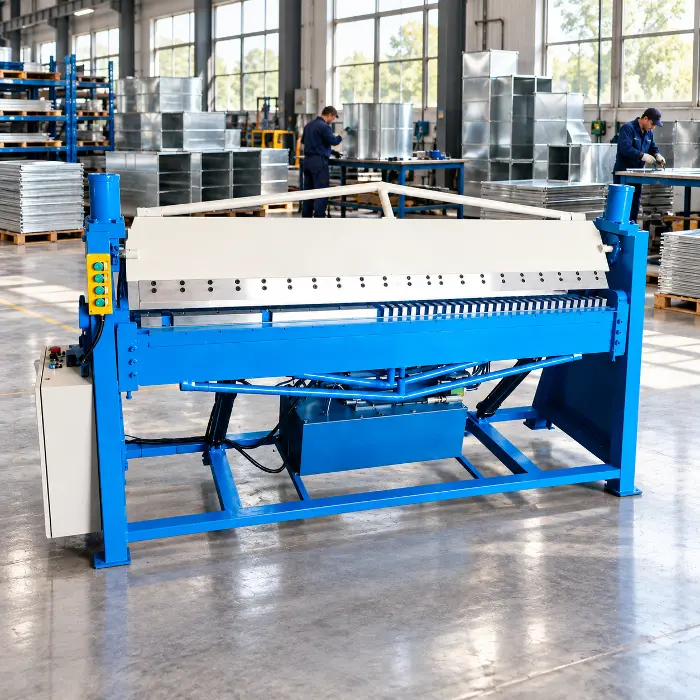
Choosing HVAC Duct Folding Machines for Flange-Safe Bending
2026/10/13 -
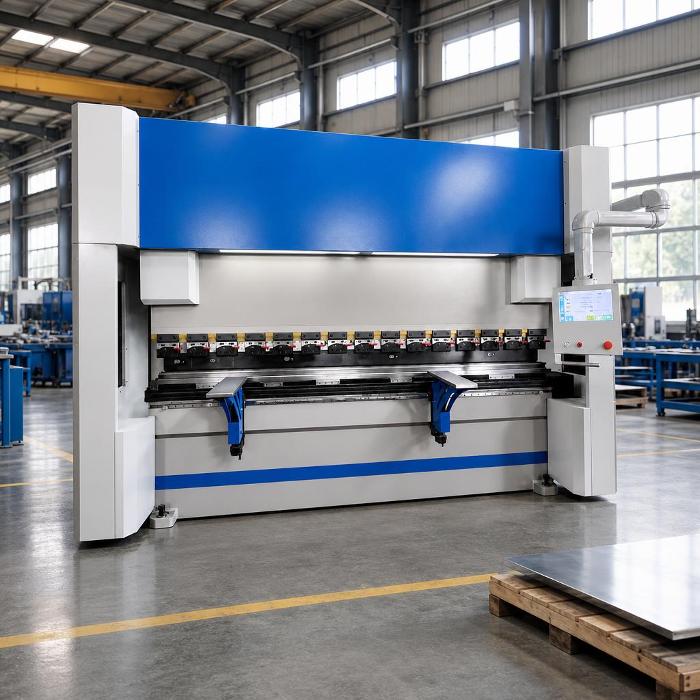
Precision Metal Forming Machines: What Separates Accurate Bends From Scrapped Sheet
2026/10/12 -
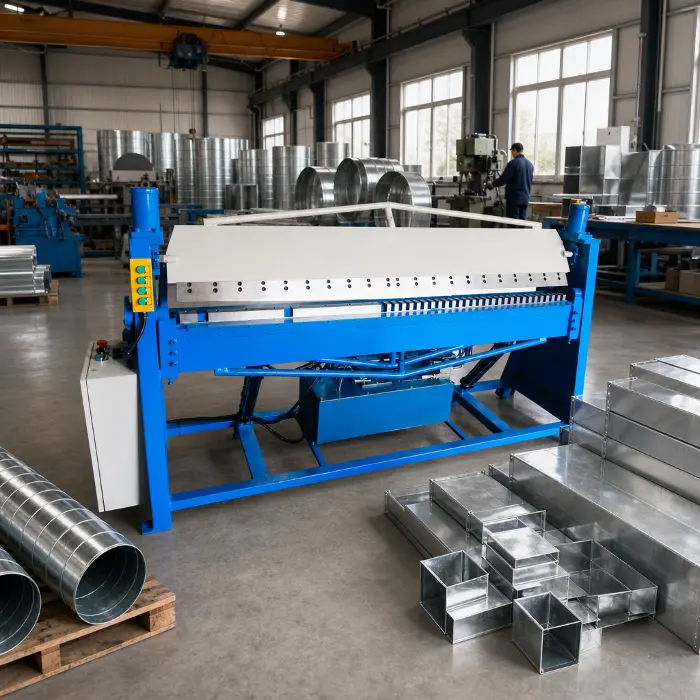
What to Look for in an HVAC Folding Machine Manufacturer
2026/10/11 -
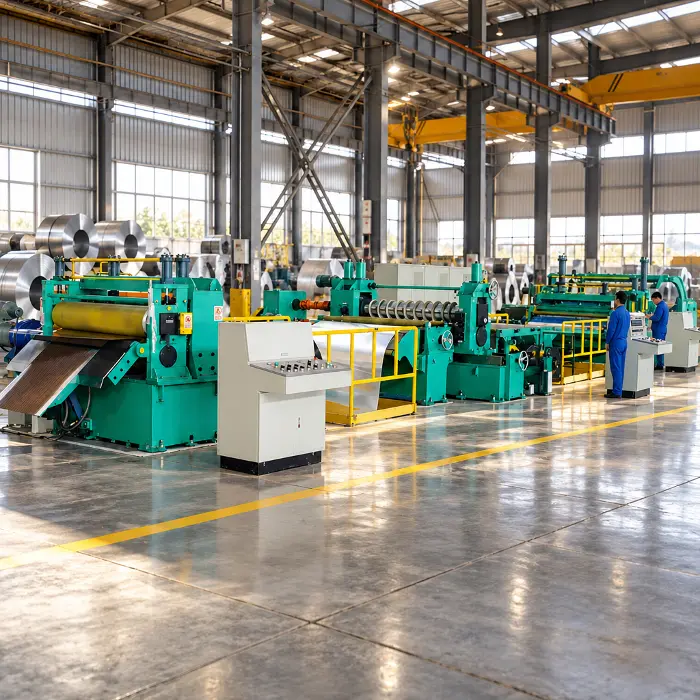
Steel Strip Cutting Machine: Engineering Precision in Modern Metal Processing
2026/10/10
-
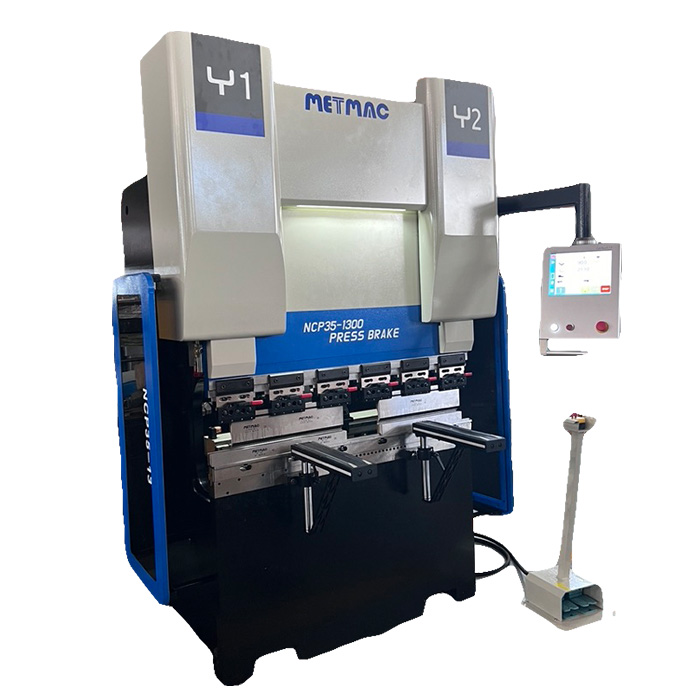
Sheet Metal Press Brake: Ultimate Guide to Precision Bending Technology in 2024
2026/03/13 -
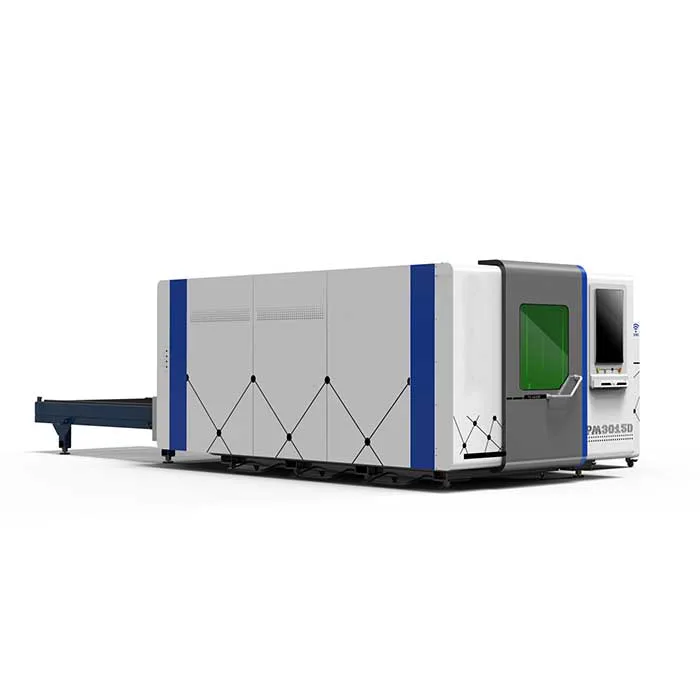
Metal Punching Machine: Ultimate Guide to Precision Manufacturing in 2024
2026/03/11 -
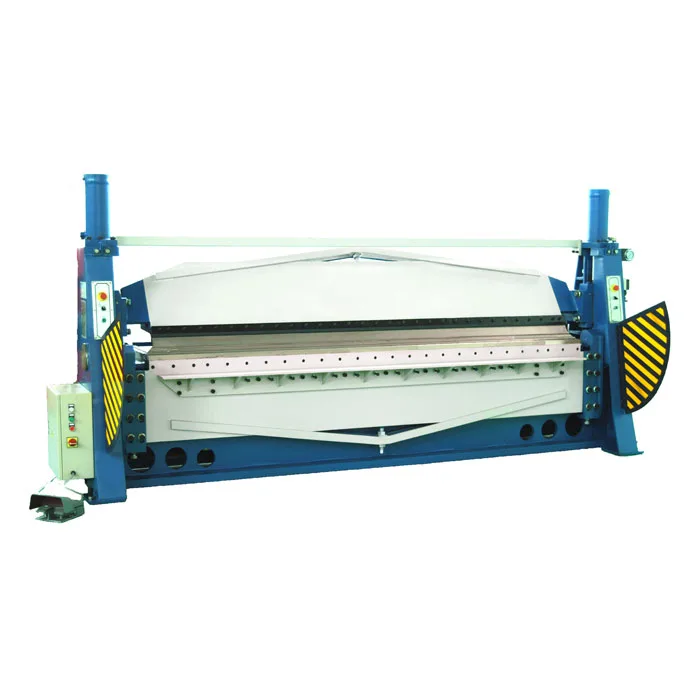
Metal Folding Machine: Comprehensive Guide to Precision Bending in 2024
2026/03/09 -
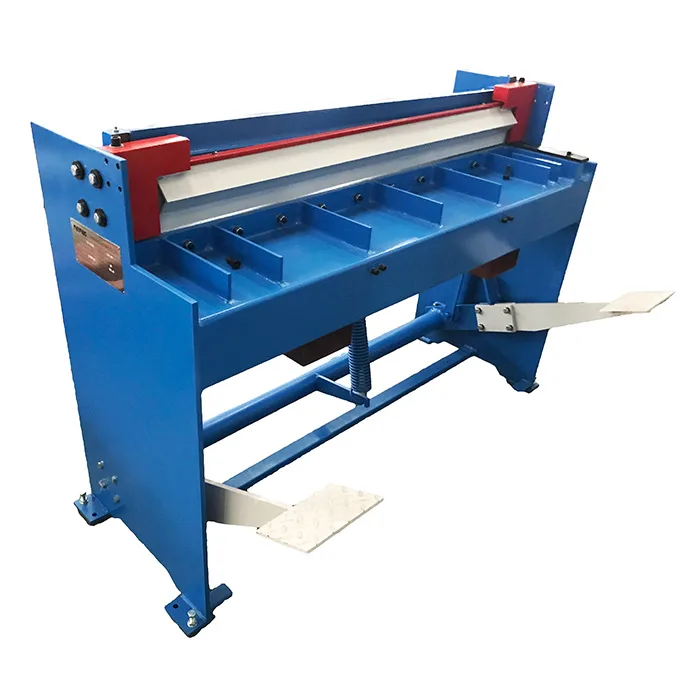
Sheet Metal Equipment: Ultimate Guide to Industrial Fabrication Solutions in 2026
2026/03/06
-
A Guide to the Latest Innovations in Sheet Metal Folding Machines
2024/11/29 -
Key Features to Consider When Investing in a Sheet Metal Folding Machine
2024/11/28 -
Enhancing Precision with Advanced Sheet Metal Folding Machines
2024/11/27 -
How to Choose the Right Sheet Metal Folding Machine for Your Workshop
2024/11/26
