

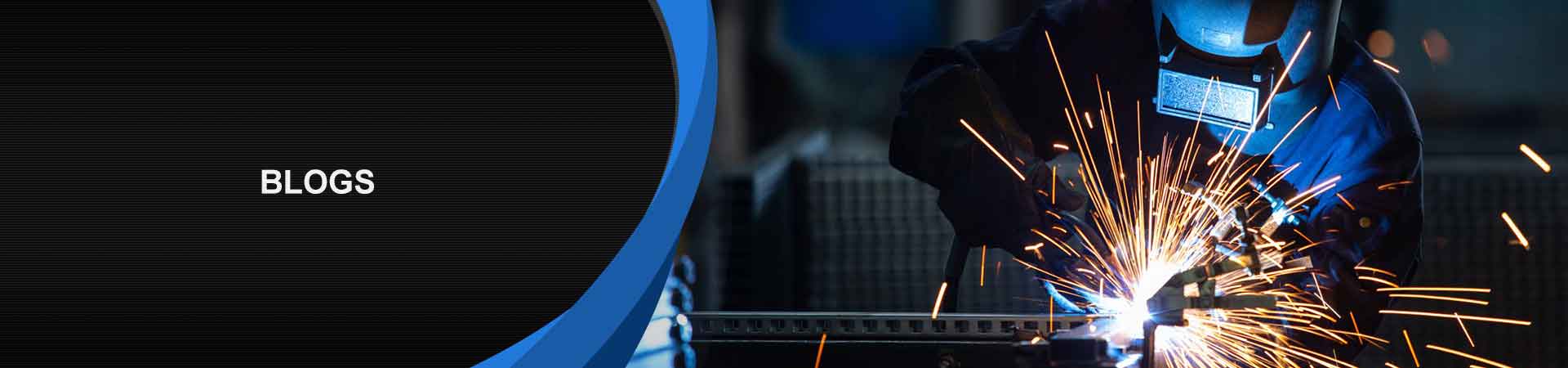
Environmental Impact of Metal Plate Rolling Machines
Environmental Impact of Metal Plate Rolling Machines: An Unseen Threat to Our Ecosystem
In the realm of industrial manufacturing, the thunderous roar of metal plate rolling machines echoes through factories, transforming raw materials into intricate shapes. While their ability to manipulate metal with precision is undeniable, these machines also leave an insidious environmental footprint that often goes unnoticed.
Pollution of Air, Water, and Soil
The rolling process generates substantial waste in the form of metal chips, dust, and oily coolants. These pollutants can become airborne, contaminating the air and posing respiratory hazards to workers and nearby communities. Water used to cool the machines often contains heavy metals and other toxic substances, which can leach into groundwater or be discharged into waterways, harming aquatic ecosystems. Additionally, metal scraps and cutting fluids can accumulate on the ground, polluting soil and potentially contaminating food crops.
Climate Change and Ozone Depletion
The energy consumption of metal plate rolling machines is immense, contributing to greenhouse gas emissions that fuel climate change. Many of these machines also rely on hydrofluorocarbons (HFCs) as refrigerants, which are potent greenhouse gases that deplete the ozone layer.
Health Risks to Humans and Wildlife
Exposure to the various pollutants released by metal plate rolling machines can have adverse effects on human health, including respiratory, skin, and eye irritation. Long-term exposure can increase the risk of chronic conditions such as cancer and cardiovascular disease. Wildlife is also vulnerable to these pollutants, as they can accumulate in animals’ bodies and interfere with their reproductive and immune systems.
Mitigating the Environmental Impact
Recognizing the environmental concerns associated with metal plate rolling machines, manufacturers and industries are taking steps to mitigate their impact. These measures include:
Installing pollution control devices to capture and treat emissions
Using environmentally friendly coolants and lubricants
Implementing waste management programs to recycle scrap metal and dispose of hazardous materials responsibly
Switching to energy-efficient technologies and renewable energy sources
Conclusion
While metal plate rolling machines are essential tools in manufacturing, their environmental impact cannot be ignored. The pollution they generate, their contribution to climate change, and the health risks they pose demand urgent attention. By adopting sustainable practices and embracing innovation, we can ensure that these machines continue to serve industry while minimizing their environmental footprint and protecting our planet for future generations.
-
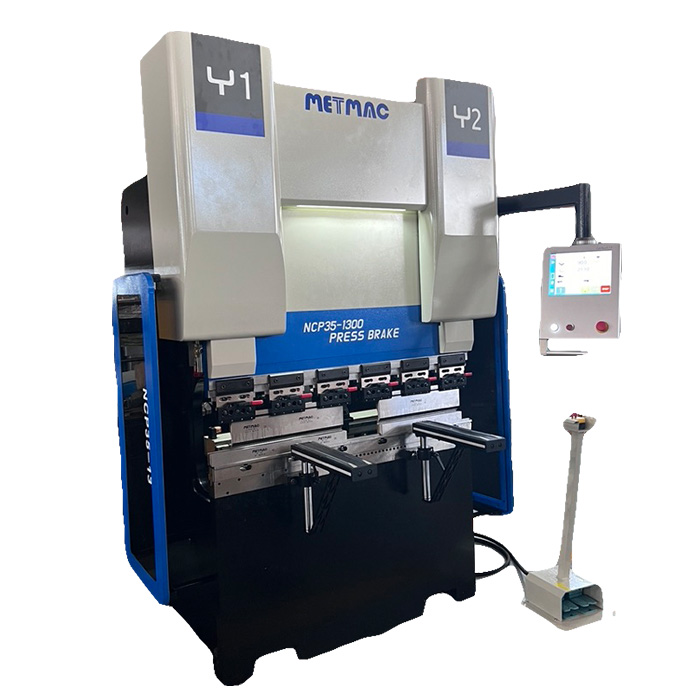
Press Metal Machine: The Definitive Guide to Precision Metal Forming
2026/03/12 -
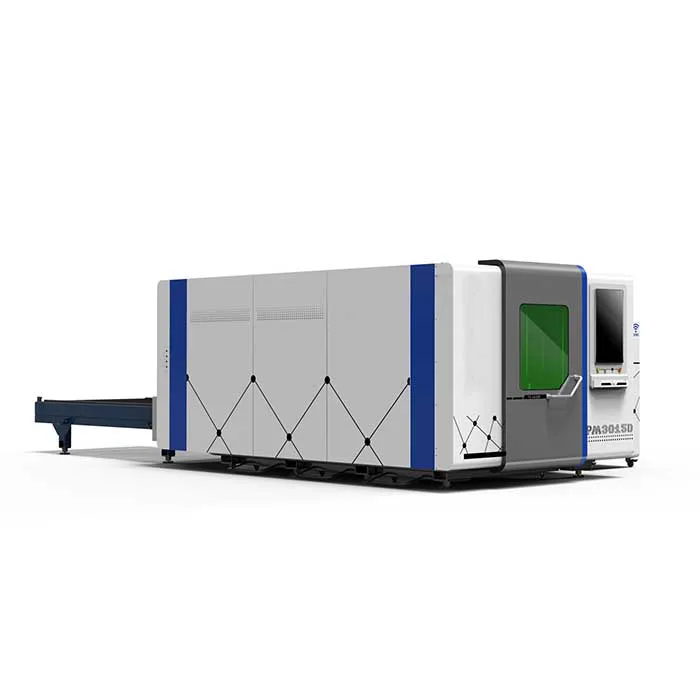
Metal Punching Machine: The Ultimate Guide to Precision Hole Punching
2026/03/10 -
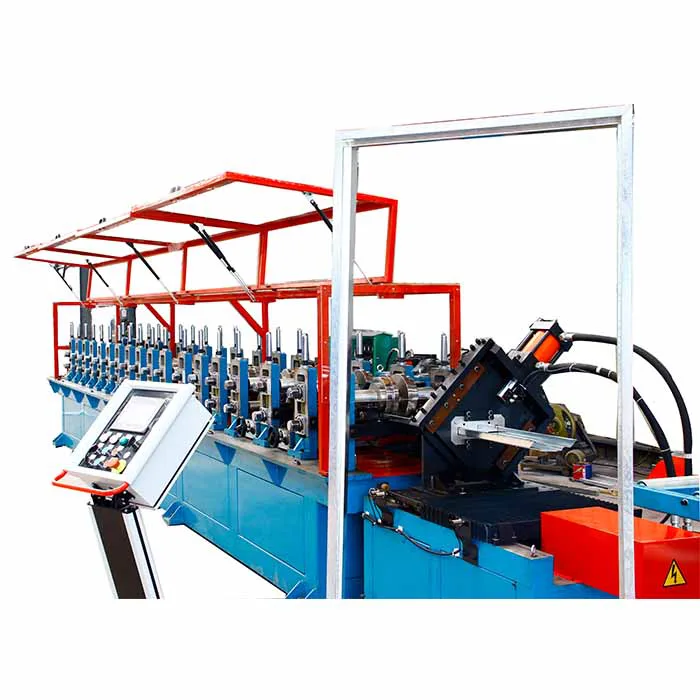
Sheet Metal Machinery: The Ultimate Guide to Industrial Fabrication Excellence
2026/03/04 -
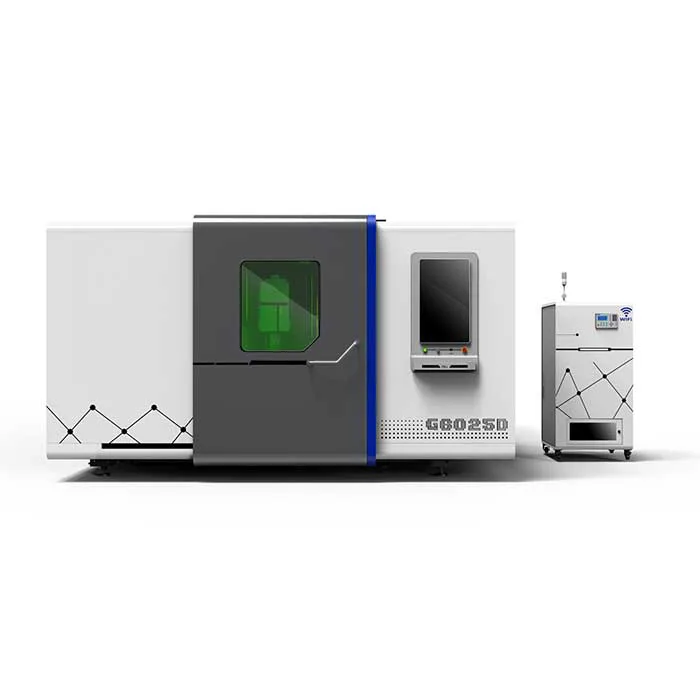
Iron Sheet Laser Cutting Machine: Unmatched Precision for Demanding Fabrication with METMAC
2026/01/06
-
Sheet Metal Press Brake: Ultimate Guide to Precision Bending Technology in 2024
2026/03/13 -
Metal Punching Machine: Ultimate Guide to Precision Manufacturing in 2024
2026/03/11 -
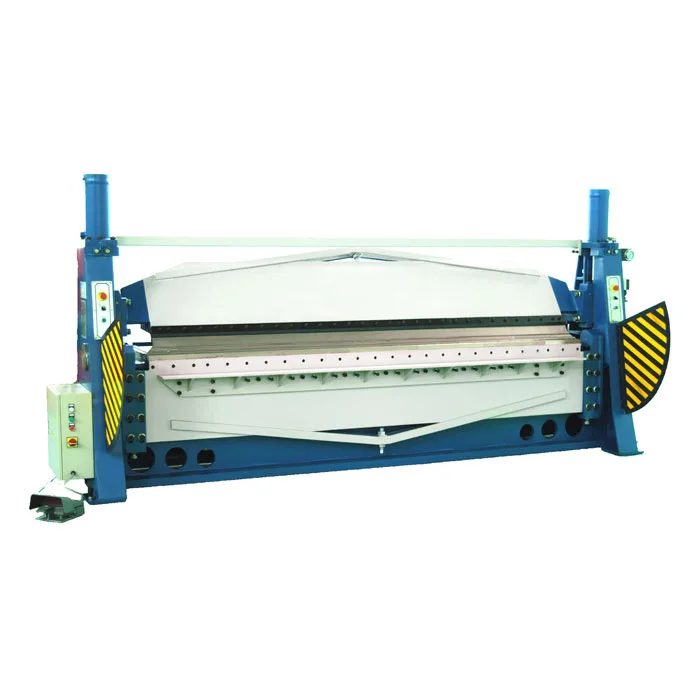
Metal Folding Machine: Comprehensive Guide to Precision Bending in 2024
2026/03/09 -
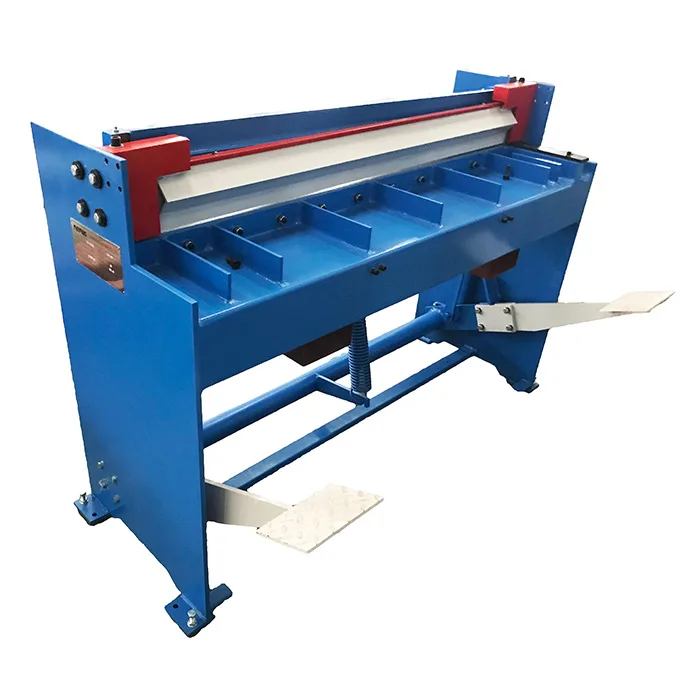
Sheet Metal Equipment: Ultimate Guide to Industrial Fabrication Solutions in 2026
2026/03/06
-
A Guide to the Latest Innovations in Sheet Metal Folding Machines
2024/11/29 -
Key Features to Consider When Investing in a Sheet Metal Folding Machine
2024/11/28 -
Enhancing Precision with Advanced Sheet Metal Folding Machines
2024/11/27 -
How to Choose the Right Sheet Metal Folding Machine for Your Workshop
2024/11/26
