


Environmental Considerations in Operating Sheet Metal Press Brakes
Introduction
In the realm of sheet metal fabrication, where precision and efficiency reign supreme, environmental stewardship often takes a backseat. However, the tides are changing as businesses and industries become increasingly aware of their impact on the planet. This article delves into the critical environmental considerations that must be addressed when operating sheet metal press brakes.
Resource Consumption
Press brakes consume significant amounts of energy, primarily through their hydraulic or mechanical systems. To reduce energy consumption, consider investing in machines equipped with energy-saving features, such as variable frequency drives and regenerative braking systems. Additionally, proper maintenance and regular servicing can enhance energy efficiency.
Waste Generation
The bending process inevitably generates metal waste in the form of cut-offs and scrap. Responsible disposal practices are paramount. Implementing a comprehensive recycling program can divert these materials from landfills and reduce their environmental footprint. Furthermore, exploring opportunities to utilize waste as secondary raw materials can minimize waste generation.
Chemical Emissions
Some press brakes employ coolants and lubricants during operation. These chemicals can emit harmful vapors and contribute to air pollution. Careful selection of environmentally friendly coolants and lubricants, as well as effective ventilation systems, are crucial to mitigate these emissions.
Noise and Vibration
Press brakes produce significant noise and vibration, which can impact the surrounding environment and workforce. Implementing noise mitigation measures, such as acoustic enclosures, vibration dampers, and proper machine foundations, can minimize these effects and protect both human health and equipment longevity.
Machine Choice and Operation
Selecting press brakes that meet environmental standards is essential. Look for machines that prioritize energy efficiency, utilize environmentally friendly materials, and offer low noise and vibration levels. Additionally, operators must be trained to follow proper operating procedures that minimize energy consumption and waste generation.
Conclusion
Operating sheet metal press brakes responsibly requires a holistic approach that balances productivity with environmental sustainability. By implementing energy-saving measures, reducing waste generation, controlling chemical emissions, mitigating noise and vibration, and selecting eco-friendly machines and operations, manufacturers can contribute positively to the environment while maintaining their competitive edge. It is a journey of continuous improvement that protects both our planet and our future generations.
-
Press Metal Machine: The Definitive Guide to Precision Metal Forming
2026/03/12 -
Metal Punching Machine: The Ultimate Guide to Precision Hole Punching
2026/03/10 -
Sheet Metal Machinery: The Ultimate Guide to Industrial Fabrication Excellence
2026/03/04 -
Iron Sheet Laser Cutting Machine: Unmatched Precision for Demanding Fabrication with METMAC
2026/01/06
-
Sheet Metal Press Brake: Ultimate Guide to Precision Bending Technology in 2024
2026/03/13 -
Metal Punching Machine: Ultimate Guide to Precision Manufacturing in 2024
2026/03/11 -
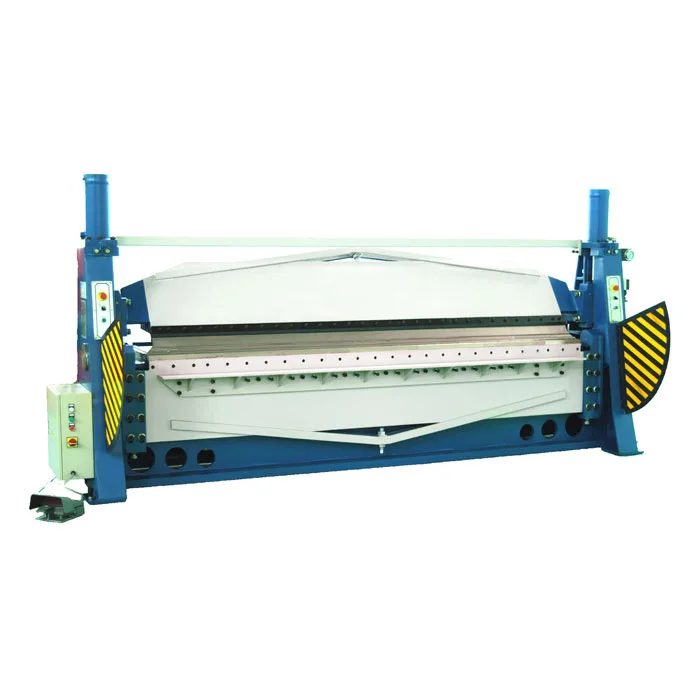
Metal Folding Machine: Comprehensive Guide to Precision Bending in 2024
2026/03/09 -
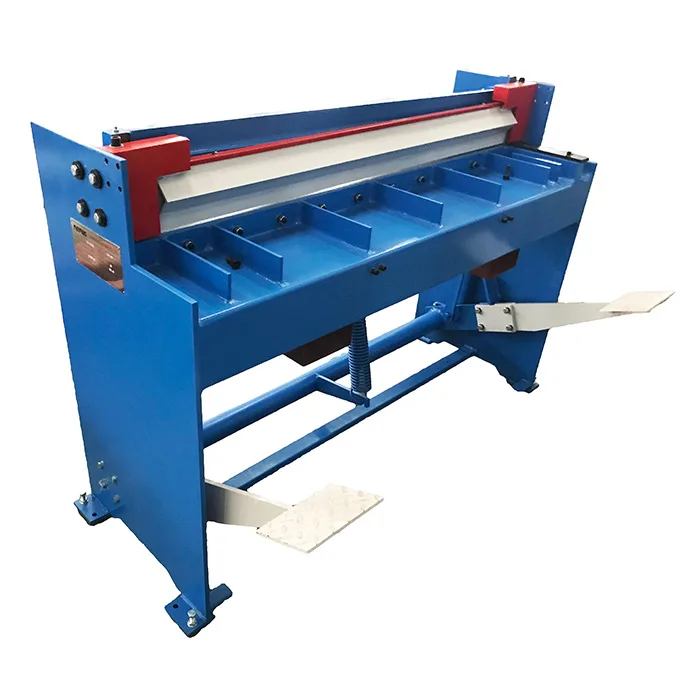
Sheet Metal Equipment: Ultimate Guide to Industrial Fabrication Solutions in 2026
2026/03/06
-
A Guide to the Latest Innovations in Sheet Metal Folding Machines
2024/11/29 -
Key Features to Consider When Investing in a Sheet Metal Folding Machine
2024/11/28 -
Enhancing Precision with Advanced Sheet Metal Folding Machines
2024/11/27 -
How to Choose the Right Sheet Metal Folding Machine for Your Workshop
2024/11/26
