


Environmental Considerations in Metal Plate Rolling Operations
Environmental Considerations in Metal Plate Rolling Operations: Balancing Industry with Sustainability
Introduction
In the industrial symphony of metal fabrication, the thunderous roar of plate rolling operations reverberates through workshops. Yet, amidst this heavy rhythm, whispers of environmental stewardship are gaining volume, prompting manufacturers to re-evaluate their practices. Striking a harmonious balance between industry and sustainability is the imperative of our time.
The Environmental Footprint
Metal plate rolling, a crucial step in shaping steel, aluminum, and other metals, carries an inherent environmental footprint. The process requires substantial energy consumption, and the lubrication and cooling fluids employed can pose potential contamination risks. Furthermore, the disposal of scrap and waste materials adds to landfills and depletes natural resources.
Sustainability Initiatives
Recognizing the urgent need for environmental stewardship, the metal rolling industry is implementing a range of sustainability initiatives. These include:
Energy Optimization: Advanced technologies, such as variable-frequency drives and regenerative braking, minimize energy consumption during rolling operations.
Responsible Lubrication: Biodegradable and eco-friendly lubricants are replacing traditional hazardous oils, reducing environmental contamination.
Waste Management: Closed-loop systems for coolant filtration and recycling limit the disposal of waste fluids. Scrap metal is segregated and recycled to conserve resources.
CO2 Emissions Reduction: Electric motors and alternative fuels are being explored to reduce greenhouse gas emissions associated with plate rolling.
Benefits of Sustainability
Adopting environmentally conscious practices brings tangible benefits to metal plate rolling operations:
Operational Cost Savings: Energy optimization and waste reduction translate into significant cost savings for manufacturers.
Enhanced Regulatory Compliance: Meeting environmental regulations becomes easier, eliminating potential fines and penalties.
Improved Brand Reputation: Consumers and businesses are increasingly demanding products from eco-conscious companies.
Resource Preservation: Sustainable practices conserve natural resources, ensuring their availability for future generations.
Conclusion
The metal plate rolling industry is undergoing a profound transformation, as it embraces environmental stewardship while continuing to meet the demands of industry. By balancing the need for production with the imperative for sustainability, manufacturers are crafting a new era of metal fabrication that harmonizes with the Earth’s symphony. The thunderous roar of rolling operations will forever resonate, but now accompanied by the gentle whispers of environmental responsibility.
-
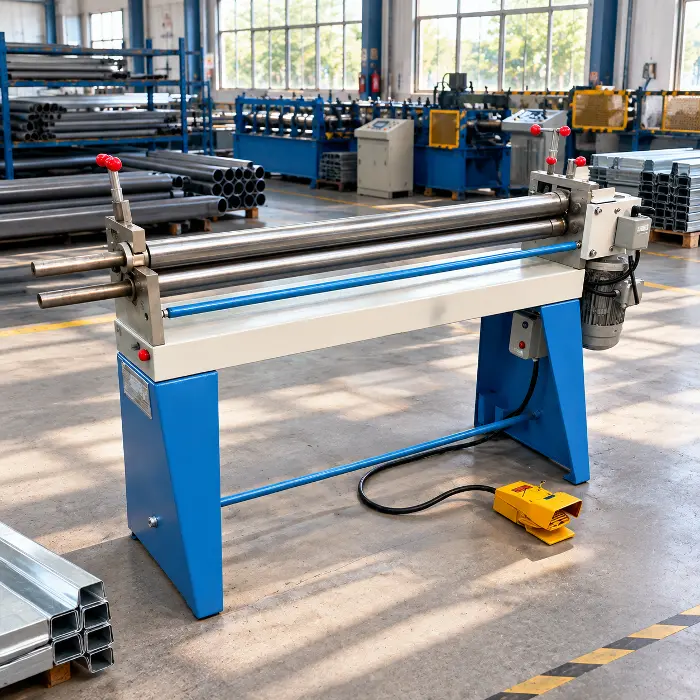
Roll Forming Machines: How Sheet Metal Becomes Structural Shapes
2026/10/08 -
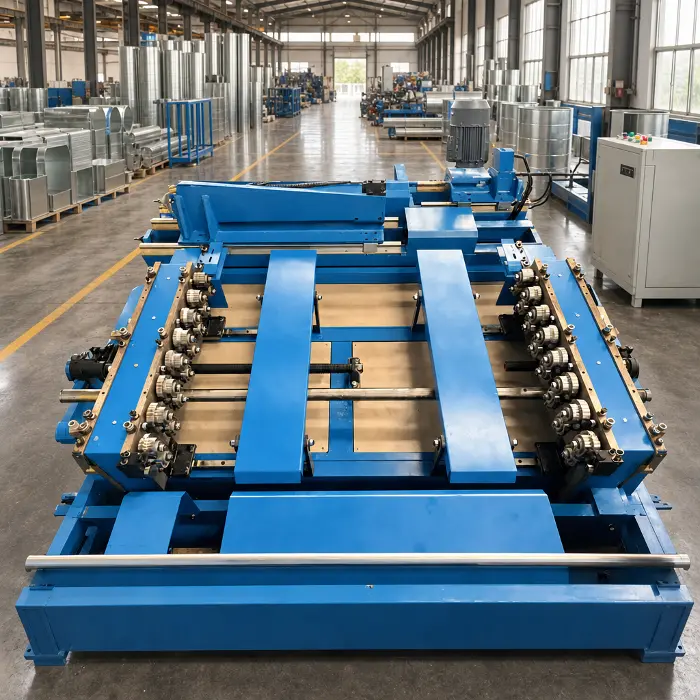
Duct Making Machines for High-Output Rectangular Duct Fabrication
2026/10/08 -
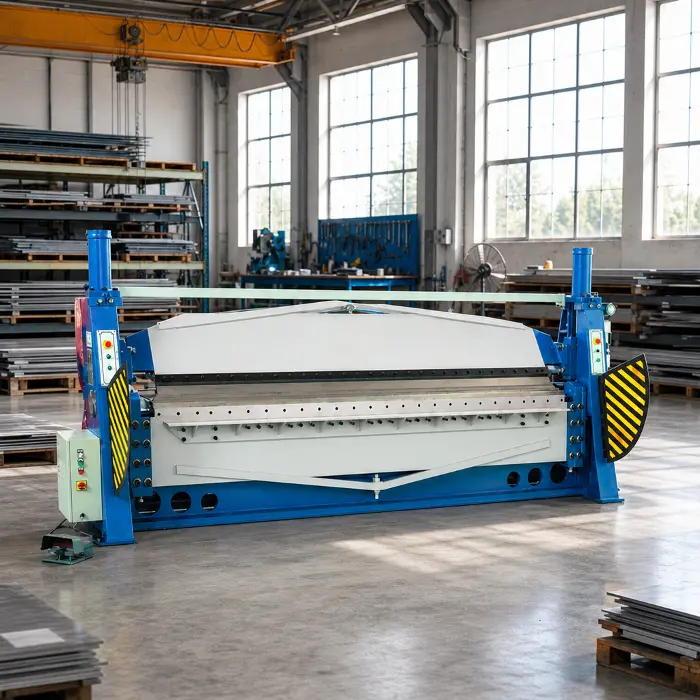
Sheet Metal Machine Selection for Precise Bending and Folding
2026/10/08 -
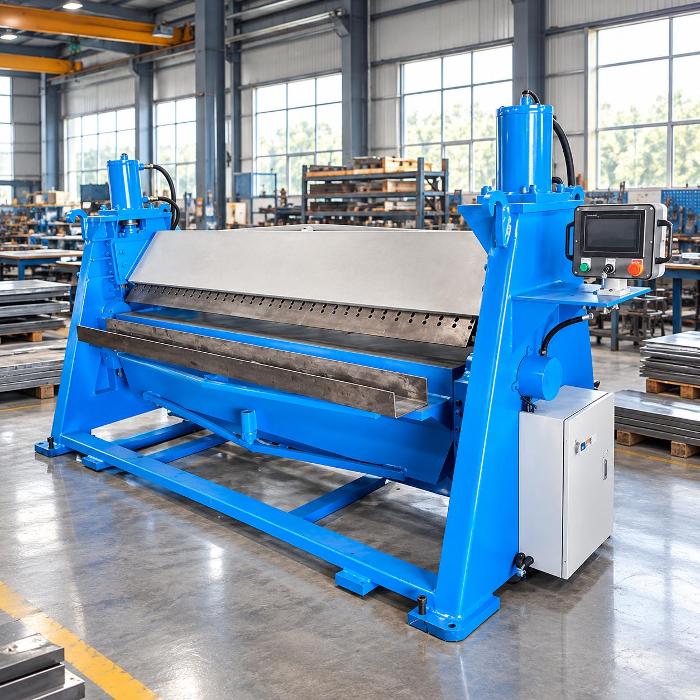
Metalworking Equipment: Choosing the Right Machinery for Modern Fabrication
2026/10/08
-
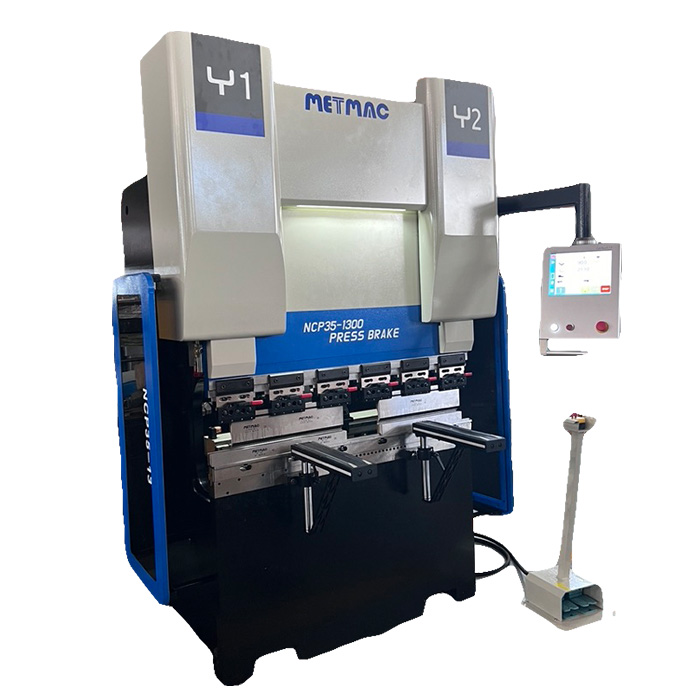
Sheet Metal Press Brake: Ultimate Guide to Precision Bending Technology in 2024
2026/03/13 -
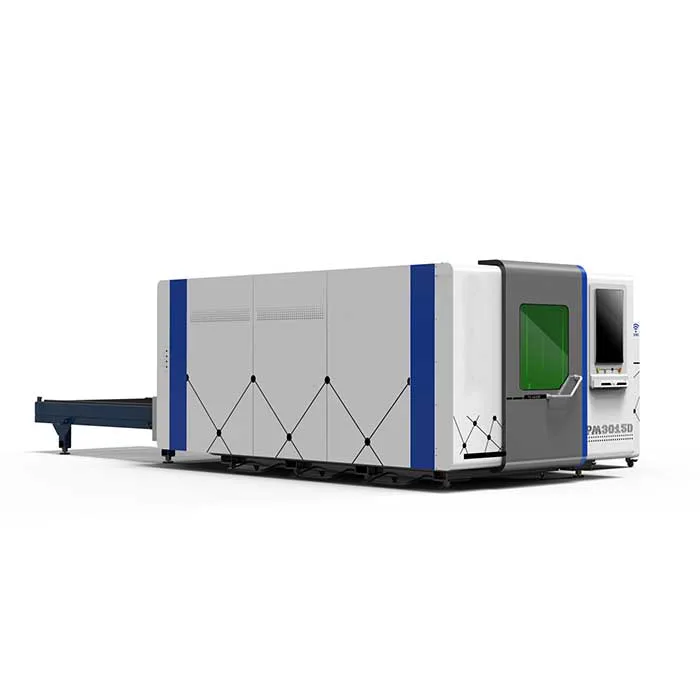
Metal Punching Machine: Ultimate Guide to Precision Manufacturing in 2024
2026/03/11 -
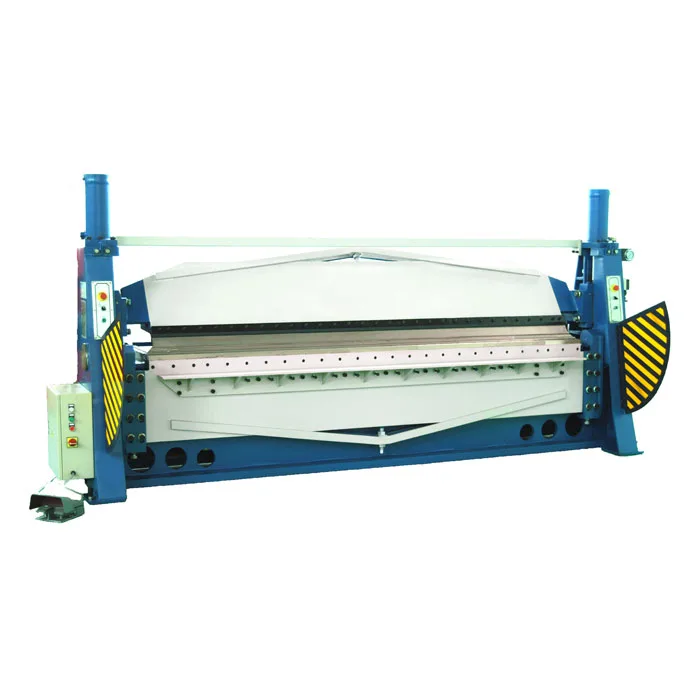
Metal Folding Machine: Comprehensive Guide to Precision Bending in 2024
2026/03/09 -
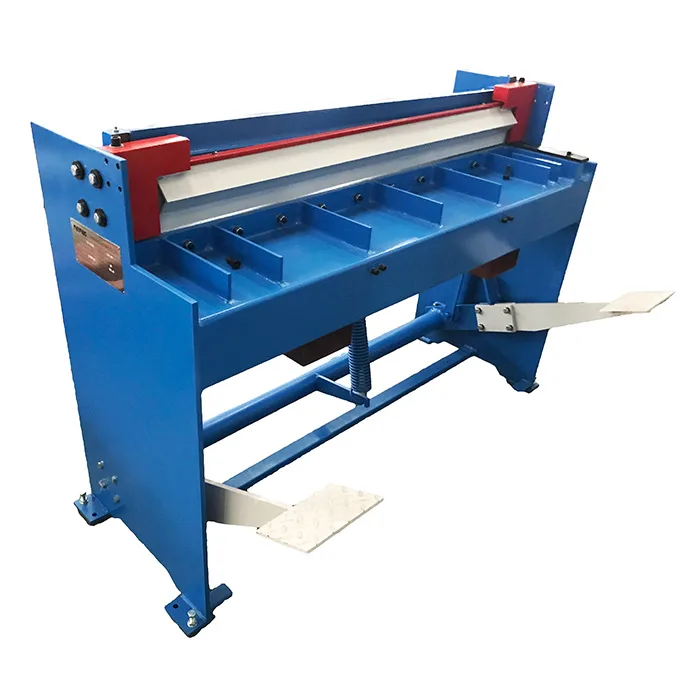
Sheet Metal Equipment: Ultimate Guide to Industrial Fabrication Solutions in 2026
2026/03/06
-
A Guide to the Latest Innovations in Sheet Metal Folding Machines
2024/11/29 -
Key Features to Consider When Investing in a Sheet Metal Folding Machine
2024/11/28 -
Enhancing Precision with Advanced Sheet Metal Folding Machines
2024/11/27 -
How to Choose the Right Sheet Metal Folding Machine for Your Workshop
2024/11/26
