


Environmental Aspects of Using Press Brake Bending Machines
Environmental Aspects of Using Press Brake Bending Machines: Striking a Balance
In the realm of metal fabrication, press brake bending machines play a pivotal role, transforming flat metal sheets into intricate shapes that lay the foundation for countless products. While their prowess in precision bending is undeniable, their environmental footprint cannot be overlooked. By delving into the environmental aspects of press brake bending machines, we can forge a path towards sustainable metalworking practices.
Energy Consumption and Greenhouse Gas Emissions
Press brake bending machines are energy-intensive, consuming substantial amounts of electricity to power their hydraulics or electric motors. This energy usage translates into greenhouse gas emissions, contributing to climate change. To mitigate this impact, manufacturers should prioritize energy-efficient technologies, such as servo-electric drives and regenerative braking systems.
Hydraulic Fluids and Leaks
Hydraulic press brake bending machines rely on hydraulic fluids to transfer power and lubricate moving parts. These fluids can leak from hoses, fittings, or seals, posing significant environmental hazards. Leaks contaminate soil and groundwater, harming aquatic ecosystems and potentially entering the human food chain. Implementing rigorous leak detection and prevention measures is crucial to minimize the environmental risks associated with hydraulic fluids.
Waste Generation
The bending process often generates metal scraps and offcuts. While recycling scrap metal is a common practice, it requires energy and resources. To minimize waste, manufacturers can explore innovative techniques such as nesting software that optimizes material utilization. Additionally, using environmentally friendly lubricants can reduce the environmental impact of bending operations.
Noise Pollution
Press brake bending machines produce significant noise levels during operation. Prolonged exposure to excessive noise can cause hearing damage, sleep disturbances, and other health issues. By installing sound-absorbing panels or enclosing the bending area, manufacturers can effectively reduce noise pollution and create a healthier working environment for employees and neighboring communities.
Conclusion
As the world becomes increasingly aware of the importance of sustainability, it is imperative for manufacturers to address the environmental aspects of using press brake bending machines. By embracing energy-efficient technologies, minimizing leaks, reducing waste generation, and controlling noise pollution, we can strike a delicate balance between productivity and environmental stewardship. By taking these steps, we ensure that the marvels of metalworking continue to shape our world without compromising its future well-being.
-
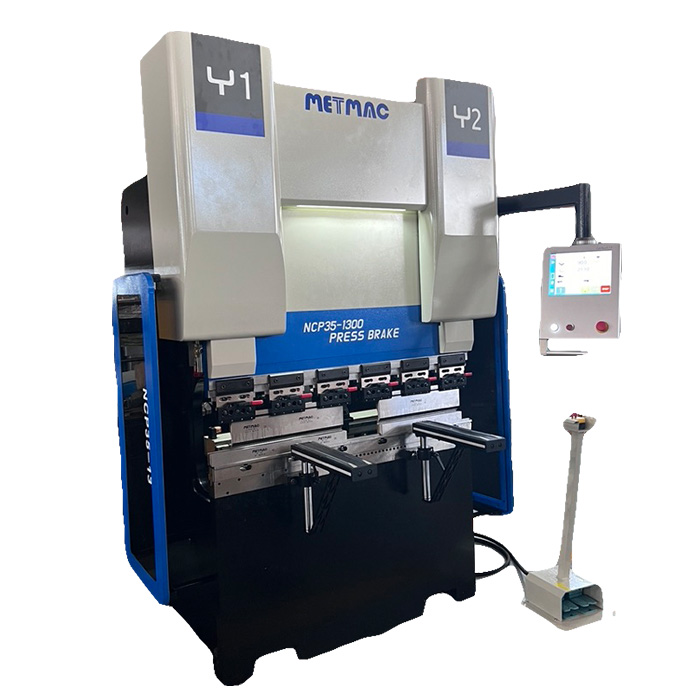
Press Metal Machine: The Definitive Guide to Precision Metal Forming
2026/03/12 -
Metal Punching Machine: The Ultimate Guide to Precision Hole Punching
2026/03/10 -
Sheet Metal Machinery: The Ultimate Guide to Industrial Fabrication Excellence
2026/03/04 -
Iron Sheet Laser Cutting Machine: Unmatched Precision for Demanding Fabrication with METMAC
2026/01/06
-
Sheet Metal Press Brake: Ultimate Guide to Precision Bending Technology in 2024
2026/03/13 -
Metal Punching Machine: Ultimate Guide to Precision Manufacturing in 2024
2026/03/11 -
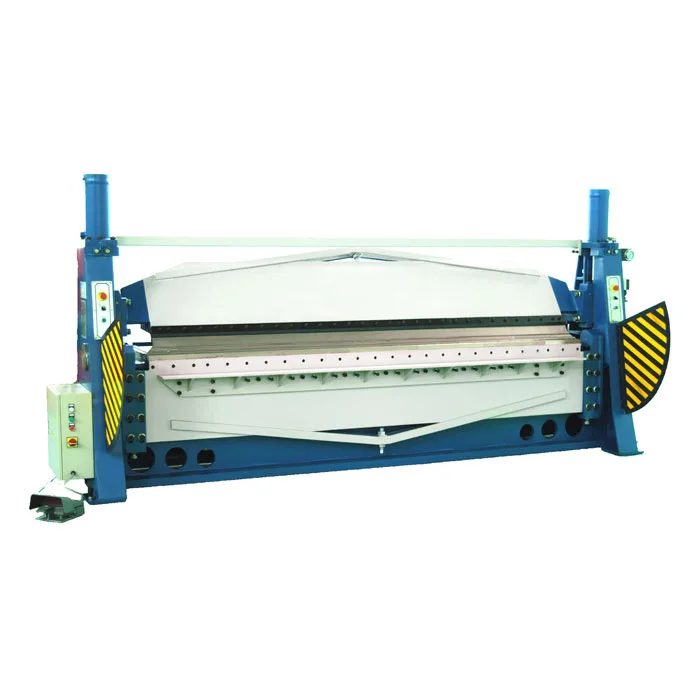
Metal Folding Machine: Comprehensive Guide to Precision Bending in 2024
2026/03/09 -
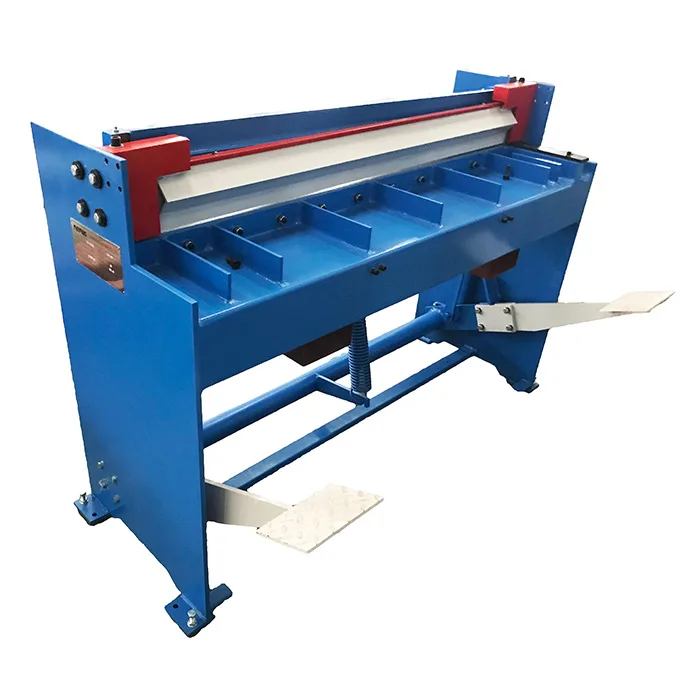
Sheet Metal Equipment: Ultimate Guide to Industrial Fabrication Solutions in 2026
2026/03/06
-
A Guide to the Latest Innovations in Sheet Metal Folding Machines
2024/11/29 -
Key Features to Consider When Investing in a Sheet Metal Folding Machine
2024/11/28 -
Enhancing Precision with Advanced Sheet Metal Folding Machines
2024/11/27 -
How to Choose the Right Sheet Metal Folding Machine for Your Workshop
2024/11/26
