


Ensuring Quality Control with Your Sheet Metal Cutting Machine
Sheet metal cutting is a critical process in various industries, such as fabrication, automotive, and aerospace. Ensuring the quality of your cut parts is paramount for both the aesthetics and functionality of your products. This article provides a comprehensive guide to implementing effective quality control measures for your sheet metal cutting machine to achieve optimal results.
Machine Calibration and Maintenance
Regular machine calibration and maintenance are crucial for maintaining accurate cutting. Perform periodic checks to ensure that the cutting head, laser beam, or plasma torch is aligned correctly. Check for wear and tear on consumables such as nozzles, electrodes, and optics, and replace them as necessary. Proper lubrication and cleaning of machine components will also prevent malfunctions and extend the life of your equipment.
Material Selection and Preparation
The type of material used for sheet metal cutting can significantly impact the quality of the cut. Choose materials that are appropriate for the intended application and thickness. Properly prepare the material by removing any surface contaminants, such as rust or oil, to avoid defects in the cut edge. Additionally, ensure that the material is flat and free of bends or warps, as these can affect the accuracy of the cut.
Cutting Parameters Optimization
Optimizing cutting parameters is essential for achieving high-quality cuts. Factors such as cutting speed, feed rate, and power output should be carefully adjusted based on the material type, thickness, and desired edge quality. Use test cuts to determine the ideal settings and ensure consistency across production runs.
Operator Training and Proficiency
Skilled and well-trained operators play a significant role in ensuring quality control. Provide comprehensive training on machine operation, maintenance, and safety procedures. Operators should also be proficient in programming the cutting machine, understanding different cut paths, and monitoring the cutting process to identify any issues promptly.
Inspection and Documentation
Thorough inspection of cut parts is essential for identifying and rectifying any defects. Develop a systematic inspection process that involves visual checks, dimensional measurements, and nondestructive testing techniques, if necessary. Record inspection results to track quality trends and provide evidence of compliance with specifications.
Continuous Improvement
Quality control is an ongoing process that requires continuous improvement. Regularly review your quality control procedures and identify areas for enhancement. Consider implementing automated inspection systems, investing in advanced cutting technologies, and training programs to improve operator skills. By embracing a culture of continuous improvement, you can consistently deliver high-quality sheet metal cuts and enhance customer satisfaction.
Conclusion
Ensuring quality control in sheet metal cutting is multifaceted and requires attention to various aspects of the process. By implementing effective machine calibration and maintenance, selecting and preparing materials properly, optimizing cutting parameters, training operators, and conducting thorough inspections, you can achieve consistent, high-quality results that meet customer specifications. Remember that continuous improvement is key to maintaining and enhancing quality control standards over time.
-
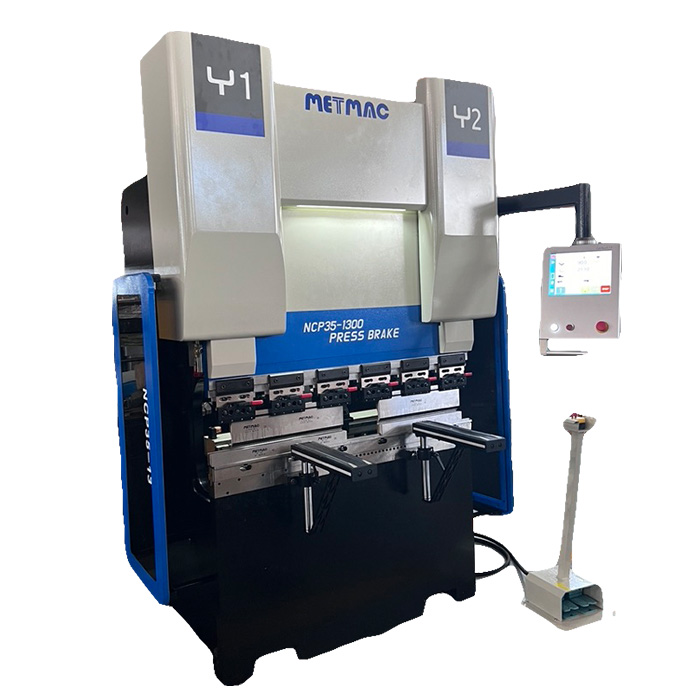
Press Metal Machine: The Definitive Guide to Precision Metal Forming
2026/03/12 -
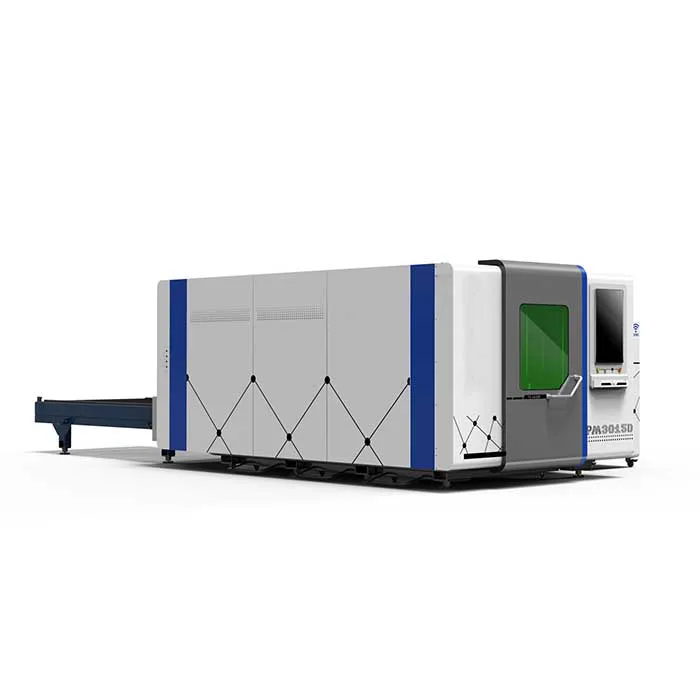
Metal Punching Machine: The Ultimate Guide to Precision Hole Punching
2026/03/10 -
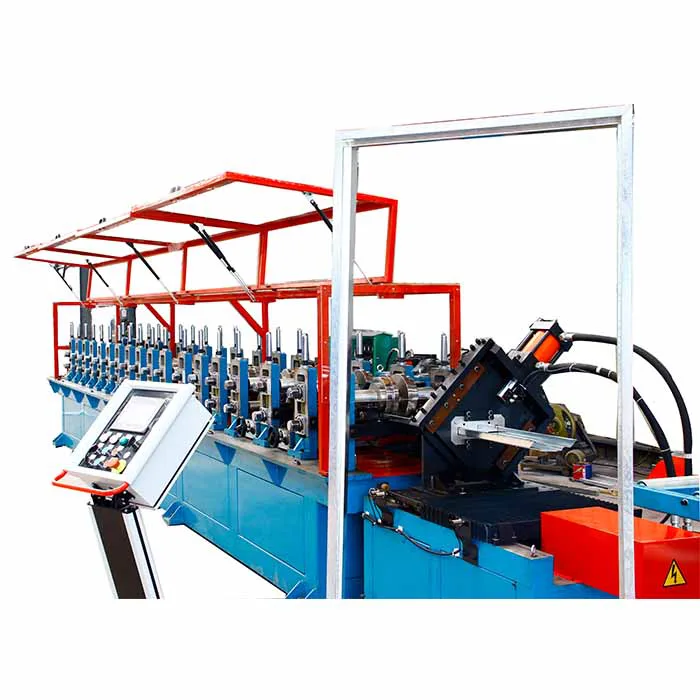
Sheet Metal Machinery: The Ultimate Guide to Industrial Fabrication Excellence
2026/03/04 -
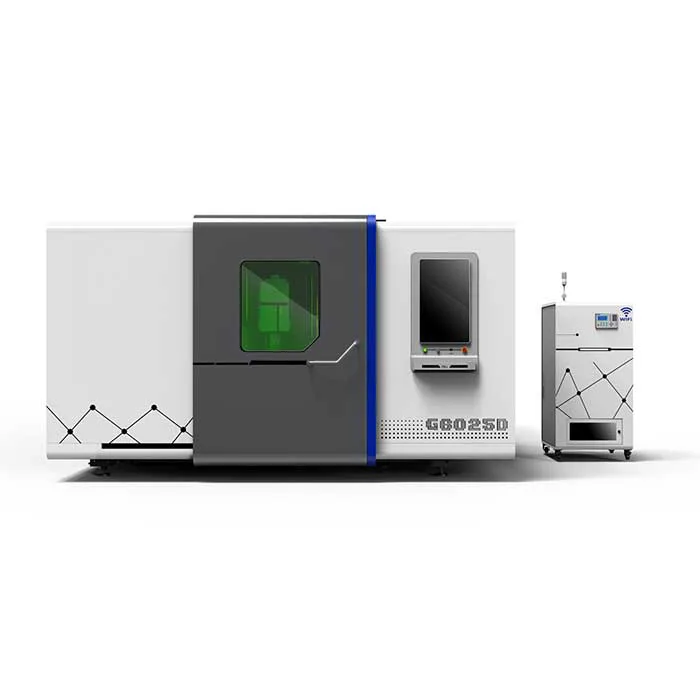
Iron Sheet Laser Cutting Machine: Unmatched Precision for Demanding Fabrication with METMAC
2026/01/06
-
Sheet Metal Press Brake: Ultimate Guide to Precision Bending Technology in 2024
2026/03/13 -
Metal Punching Machine: Ultimate Guide to Precision Manufacturing in 2024
2026/03/11 -
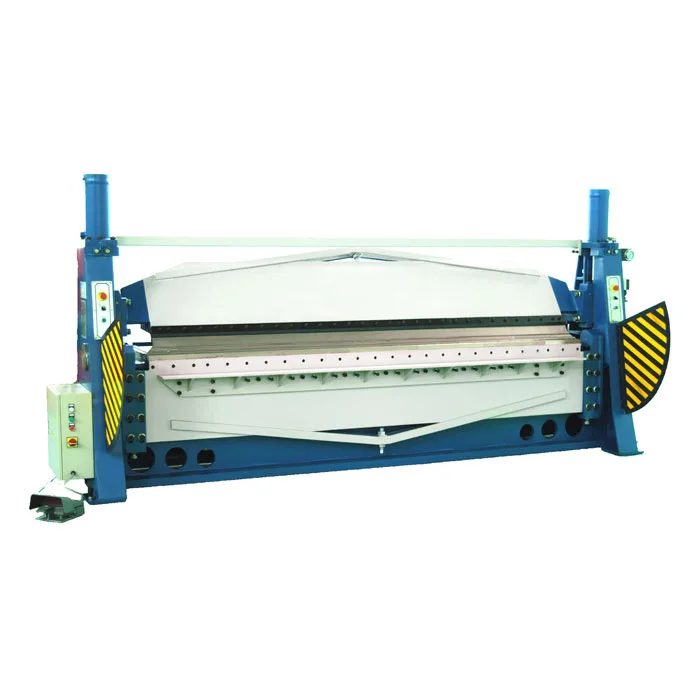
Metal Folding Machine: Comprehensive Guide to Precision Bending in 2024
2026/03/09 -
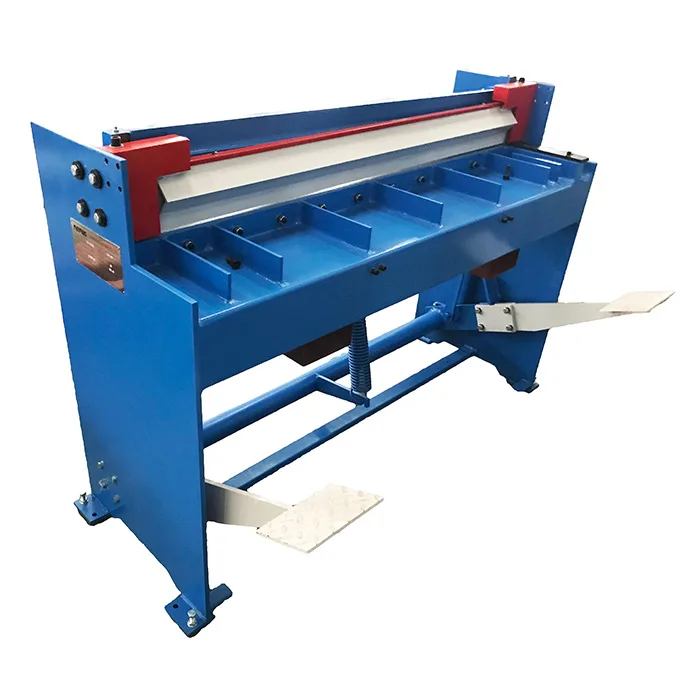
Sheet Metal Equipment: Ultimate Guide to Industrial Fabrication Solutions in 2026
2026/03/06
-
A Guide to the Latest Innovations in Sheet Metal Folding Machines
2024/11/29 -
Key Features to Consider When Investing in a Sheet Metal Folding Machine
2024/11/28 -
Enhancing Precision with Advanced Sheet Metal Folding Machines
2024/11/27 -
How to Choose the Right Sheet Metal Folding Machine for Your Workshop
2024/11/26
