

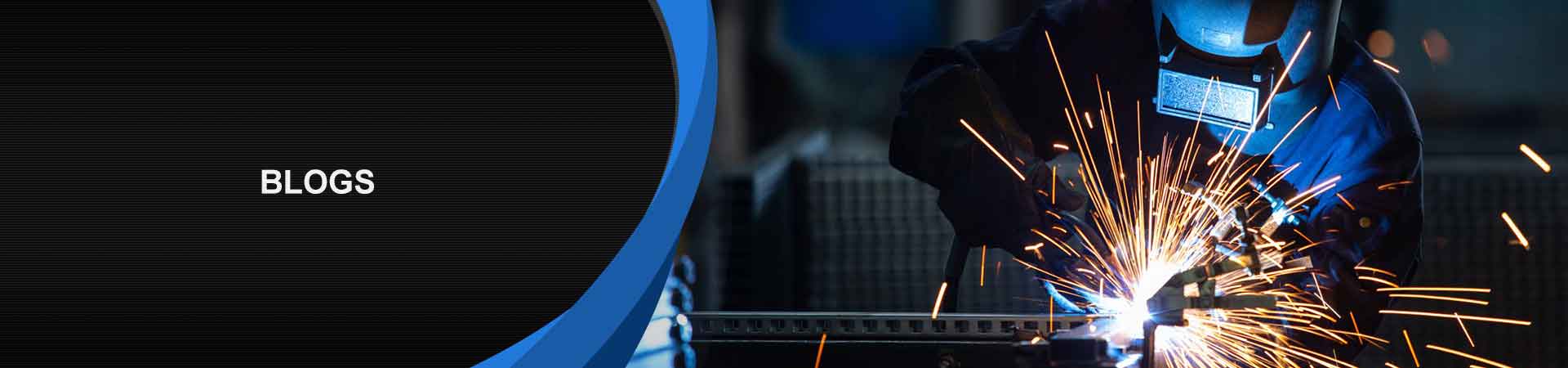
Enhancing Precision with Metal Plate Rolling Machines
In the realm of metal fabrication, precision is paramount. Metal plate rolling machines, indispensable tools for shaping metal plates, play a pivotal role in achieving intricate contours and tight tolerances. This article delves into the various advancements that have enhanced the precision of these machines, empowering manufacturers to produce highly accurate and complex metal components.
Advanced Control Systems
Sophisticated control systems have revolutionized metal plate rolling machines by providing real-time monitoring and precise adjustments. These systems employ sensors that continuously measure the position and shape of the workpiece, ensuring that it aligns perfectly with the rollers. This precision control minimizes deviations and eliminates the need for manual adjustments, resulting in consistent and accurate results.
Finite Element Analysis (FEA)
FEA software simulations are increasingly integrated into the design and operation of metal plate rolling machines. By simulating the rolling process, engineers can optimize machine parameters to achieve the desired workpiece shape and minimize residual stresses. FEA also enables the prediction of potential defects, allowing manufacturers to identify and address them proactively, enhancing overall precision.
Roller Geometry Optimization
The geometry of the rollers plays a crucial role in determining the accuracy of the rolling process. Advanced metal plate rolling machines feature precisely engineered rollers with optimized profiles and surface textures. These rollers minimize friction and ensure uniform distribution of forces, preventing the formation of imperfections and maintaining the shape integrity of the workpiece.
Hybrid Rolling Technologies
Hybrid rolling technologies combine the principles of three-roll and four-roll rolling machines to achieve exceptional precision. In three-roll rolling, a third roller provides additional support and control, while in four-roll rolling, a pair of counter-rotating rollers stabilizes the workpiece. These hybrid machines offer increased accuracy and reduced distortion, making them ideal for thin or large-diameter plates.
Preloading and Compensating Mechanisms
Preloading mechanisms apply a controlled force to the rollers prior to rolling, ensuring that the rollers are in optimal contact with the workpiece from the outset. Compensating mechanisms monitor the thickness of the workpiece during rolling and adjust the force accordingly, preventing uneven deformation and ensuring consistent accuracy throughout the entire process.
Conclusion
Enhancing the precision of metal plate rolling machines has empowered manufacturers with the ability to produce highly intricate and accurate metal components. Advanced control systems, FEA simulations, optimized roller geometry, hybrid technologies, and preloading/compensating mechanisms have transformed these machines into powerful tools that meet the most demanding precision requirements. As technology continues to advance, the future holds even greater promise for enhanced accuracy, enabling manufacturers to achieve unparalleled levels of precision in their metalworking operations.
-
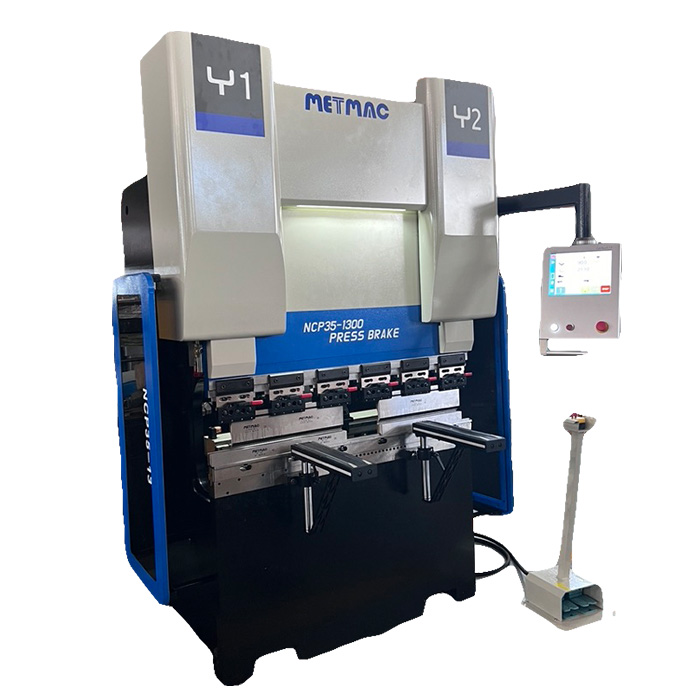
Press Metal Machine: The Definitive Guide to Precision Metal Forming
2026/03/12 -
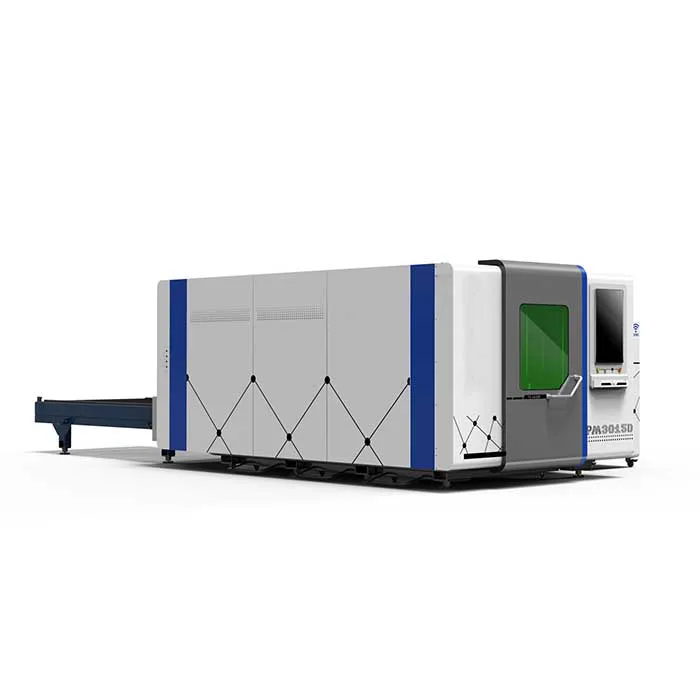
Metal Punching Machine: The Ultimate Guide to Precision Hole Punching
2026/03/10 -
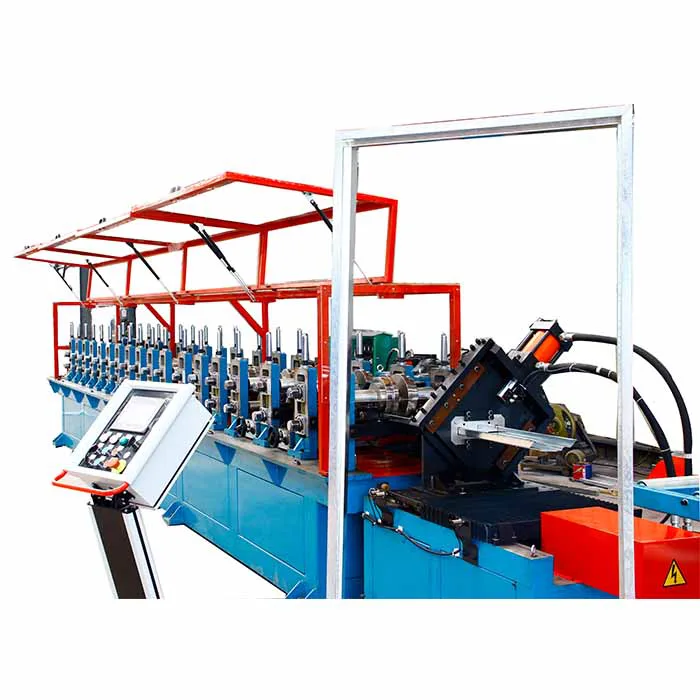
Sheet Metal Machinery: The Ultimate Guide to Industrial Fabrication Excellence
2026/03/04 -
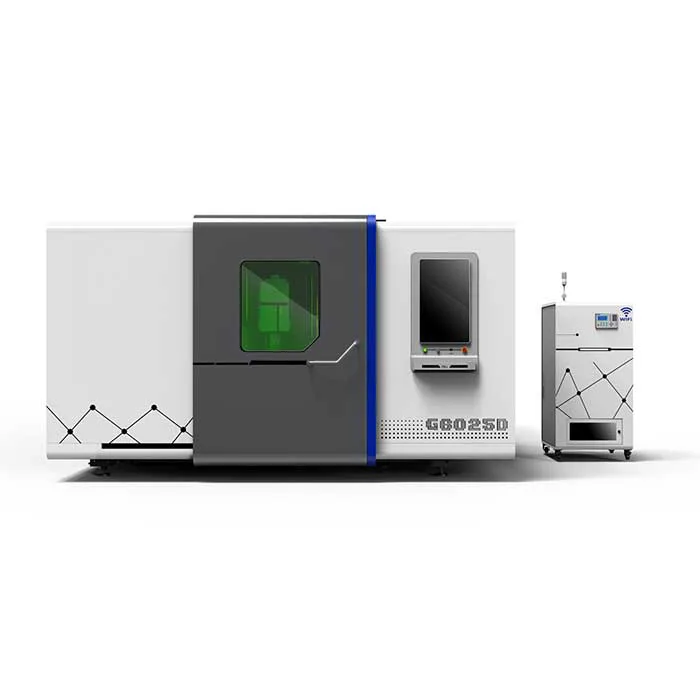
Iron Sheet Laser Cutting Machine: Unmatched Precision for Demanding Fabrication with METMAC
2026/01/06
-
Sheet Metal Press Brake: Ultimate Guide to Precision Bending Technology in 2024
2026/03/13 -
Metal Punching Machine: Ultimate Guide to Precision Manufacturing in 2024
2026/03/11 -
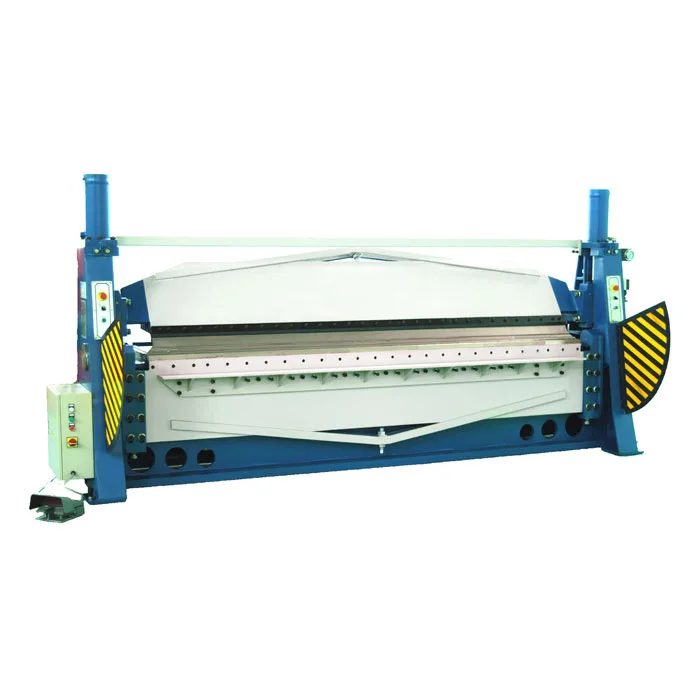
Metal Folding Machine: Comprehensive Guide to Precision Bending in 2024
2026/03/09 -
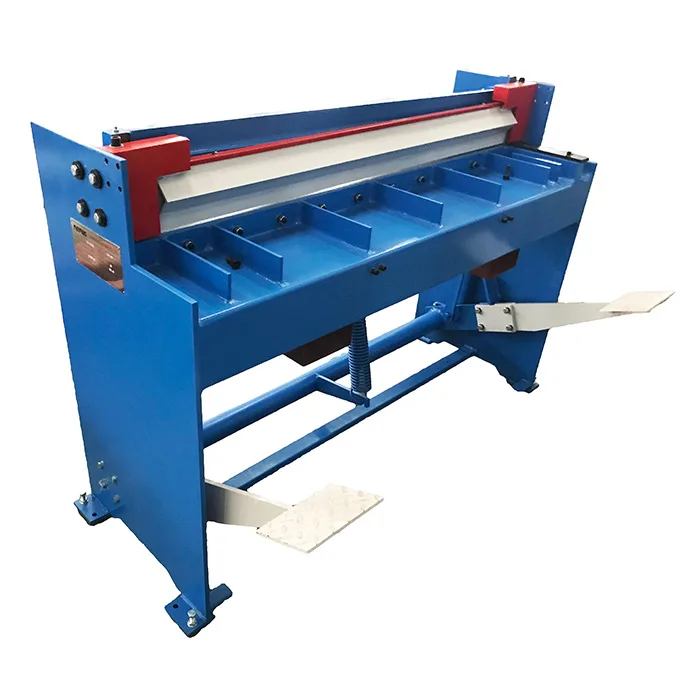
Sheet Metal Equipment: Ultimate Guide to Industrial Fabrication Solutions in 2026
2026/03/06
-
Latest Technological Advancements in Rectangular Duct Machines
2024/05/11 -
Integrating Automation with Rectangular Duct Machines for Enhanced Productivity
2024/05/11 -
Metal Shear Machines- Essential Tools for Precision Metal Cutting
2024/05/11 -
Understanding the Role and Function of Steel Strip Slitting Machines
2024/05/11
-
A Guide to the Latest Innovations in Sheet Metal Folding Machines
2024/11/29 -
Key Features to Consider When Investing in a Sheet Metal Folding Machine
2024/11/28 -
Enhancing Precision with Advanced Sheet Metal Folding Machines
2024/11/27 -
How to Choose the Right Sheet Metal Folding Machine for Your Workshop
2024/11/26
