


Enhancing Bending Accuracy with Plate Bender Machines
Plate bending machines are vital equipment in metal fabrication, enabling the precise shaping of metal plates into various forms. To ensure optimal performance and achieve the desired bending accuracy, several key factors must be considered. This article explores the essential aspects of enhancing bending accuracy with plate bender machines.
Precise machine parameters and accurate calibration play a crucial role in achieving bending accuracy. Factors such as ram speed, bend angle, and material thickness should be precisely set and calibrated according to the specific material properties and desired bend profile. Regular calibration and maintenance of the machine ensure that these parameters remain consistent and within tolerance.
Understanding the characteristics of the material being bent is essential. Different materials exhibit varying bending properties, such as yield strength, tensile strength, and elongation. Proper selection of bending tools, such as dies and punches, and the correct bend angle are crucial to achieving the desired shape without compromising material integrity.
Choosing the appropriate bending tools and maintaining their condition are essential for accuracy. Dies and punches should be precisely ground and matched to the material thickness and bend radius. Regular inspection and replacement of worn-out tools prevent inconsistencies in bending accuracy and ensure optimal performance.
Precise control over the bending process is vital. Operator training and adherence to established procedures are crucial. Factors such as the bending sequence, clamping pressure, and dwell time should be carefully monitored and adjusted to suit the specific material and bend requirements. Automation and feedback control systems can further enhance accuracy and consistency.
Environmental factors, such as temperature and humidity, can affect bending accuracy. Temperature fluctuations can cause variations in material properties, while humidity can impact the performance of electronic control systems. Maintaining a controlled environment minimizes external influences and ensures consistent bending results.
Enhancing bending accuracy with plate bender machines requires a comprehensive approach. Careful consideration of machine parameters, material properties, tooling selection, process control, and environmental factors is essential. By adhering to these guidelines and implementing best practices, manufacturers can achieve precise and efficient bending operations, ensuring the quality and reliability of their products.
Precise machine parameters and accurate calibration play a crucial role in achieving bending accuracy. Factors such as ram speed, bend angle, and material thickness should be precisely set and calibrated according to the specific material properties and desired bend profile. Regular calibration and maintenance of the machine ensure that these parameters remain consistent and within tolerance.
Understanding the characteristics of the material being bent is essential. Different materials exhibit varying bending properties, such as yield strength, tensile strength, and elongation. Proper selection of bending tools, such as dies and punches, and the correct bend angle are crucial to achieving the desired shape without compromising material integrity.
Choosing the appropriate bending tools and maintaining their condition are essential for accuracy. Dies and punches should be precisely ground and matched to the material thickness and bend radius. Regular inspection and replacement of worn-out tools prevent inconsistencies in bending accuracy and ensure optimal performance.
Precise control over the bending process is vital. Operator training and adherence to established procedures are crucial. Factors such as the bending sequence, clamping pressure, and dwell time should be carefully monitored and adjusted to suit the specific material and bend requirements. Automation and feedback control systems can further enhance accuracy and consistency.
Environmental factors, such as temperature and humidity, can affect bending accuracy. Temperature fluctuations can cause variations in material properties, while humidity can impact the performance of electronic control systems. Maintaining a controlled environment minimizes external influences and ensures consistent bending results.
Enhancing bending accuracy with plate bender machines requires a comprehensive approach. Careful consideration of machine parameters, material properties, tooling selection, process control, and environmental factors is essential. By adhering to these guidelines and implementing best practices, manufacturers can achieve precise and efficient bending operations, ensuring the quality and reliability of their products.
Understanding the characteristics of the material being bent is essential. Different materials exhibit varying bending properties, such as yield strength, tensile strength, and elongation. Proper selection of bending tools, such as dies and punches, and the correct bend angle are crucial to achieving the desired shape without compromising material integrity.
Choosing the appropriate bending tools and maintaining their condition are essential for accuracy. Dies and punches should be precisely ground and matched to the material thickness and bend radius. Regular inspection and replacement of worn-out tools prevent inconsistencies in bending accuracy and ensure optimal performance.
Precise control over the bending process is vital. Operator training and adherence to established procedures are crucial. Factors such as the bending sequence, clamping pressure, and dwell time should be carefully monitored and adjusted to suit the specific material and bend requirements. Automation and feedback control systems can further enhance accuracy and consistency.
Environmental factors, such as temperature and humidity, can affect bending accuracy. Temperature fluctuations can cause variations in material properties, while humidity can impact the performance of electronic control systems. Maintaining a controlled environment minimizes external influences and ensures consistent bending results.
Enhancing bending accuracy with plate bender machines requires a comprehensive approach. Careful consideration of machine parameters, material properties, tooling selection, process control, and environmental factors is essential. By adhering to these guidelines and implementing best practices, manufacturers can achieve precise and efficient bending operations, ensuring the quality and reliability of their products.
Choosing the appropriate bending tools and maintaining their condition are essential for accuracy. Dies and punches should be precisely ground and matched to the material thickness and bend radius. Regular inspection and replacement of worn-out tools prevent inconsistencies in bending accuracy and ensure optimal performance.
Precise control over the bending process is vital. Operator training and adherence to established procedures are crucial. Factors such as the bending sequence, clamping pressure, and dwell time should be carefully monitored and adjusted to suit the specific material and bend requirements. Automation and feedback control systems can further enhance accuracy and consistency.
Environmental factors, such as temperature and humidity, can affect bending accuracy. Temperature fluctuations can cause variations in material properties, while humidity can impact the performance of electronic control systems. Maintaining a controlled environment minimizes external influences and ensures consistent bending results.
Enhancing bending accuracy with plate bender machines requires a comprehensive approach. Careful consideration of machine parameters, material properties, tooling selection, process control, and environmental factors is essential. By adhering to these guidelines and implementing best practices, manufacturers can achieve precise and efficient bending operations, ensuring the quality and reliability of their products.
Precise control over the bending process is vital. Operator training and adherence to established procedures are crucial. Factors such as the bending sequence, clamping pressure, and dwell time should be carefully monitored and adjusted to suit the specific material and bend requirements. Automation and feedback control systems can further enhance accuracy and consistency.
Environmental factors, such as temperature and humidity, can affect bending accuracy. Temperature fluctuations can cause variations in material properties, while humidity can impact the performance of electronic control systems. Maintaining a controlled environment minimizes external influences and ensures consistent bending results.
Enhancing bending accuracy with plate bender machines requires a comprehensive approach. Careful consideration of machine parameters, material properties, tooling selection, process control, and environmental factors is essential. By adhering to these guidelines and implementing best practices, manufacturers can achieve precise and efficient bending operations, ensuring the quality and reliability of their products.
Environmental factors, such as temperature and humidity, can affect bending accuracy. Temperature fluctuations can cause variations in material properties, while humidity can impact the performance of electronic control systems. Maintaining a controlled environment minimizes external influences and ensures consistent bending results.
Enhancing bending accuracy with plate bender machines requires a comprehensive approach. Careful consideration of machine parameters, material properties, tooling selection, process control, and environmental factors is essential. By adhering to these guidelines and implementing best practices, manufacturers can achieve precise and efficient bending operations, ensuring the quality and reliability of their products.
Enhancing bending accuracy with plate bender machines requires a comprehensive approach. Careful consideration of machine parameters, material properties, tooling selection, process control, and environmental factors is essential. By adhering to these guidelines and implementing best practices, manufacturers can achieve precise and efficient bending operations, ensuring the quality and reliability of their products.
-
Press Metal Machine: The Definitive Guide to Precision Metal Forming
2026/03/12 -
Metal Punching Machine: The Ultimate Guide to Precision Hole Punching
2026/03/10 -
Sheet Metal Machinery: The Ultimate Guide to Industrial Fabrication Excellence
2026/03/04 -
Iron Sheet Laser Cutting Machine: Unmatched Precision for Demanding Fabrication with METMAC
2026/01/06
-
Sheet Metal Press Brake: Ultimate Guide to Precision Bending Technology in 2024
2026/03/13 -
Metal Punching Machine: Ultimate Guide to Precision Manufacturing in 2024
2026/03/11 -
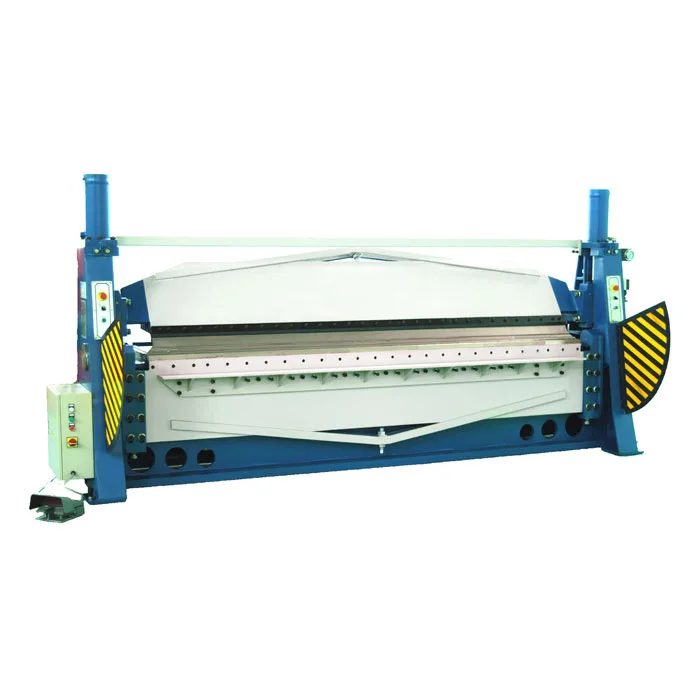
Metal Folding Machine: Comprehensive Guide to Precision Bending in 2024
2026/03/09 -
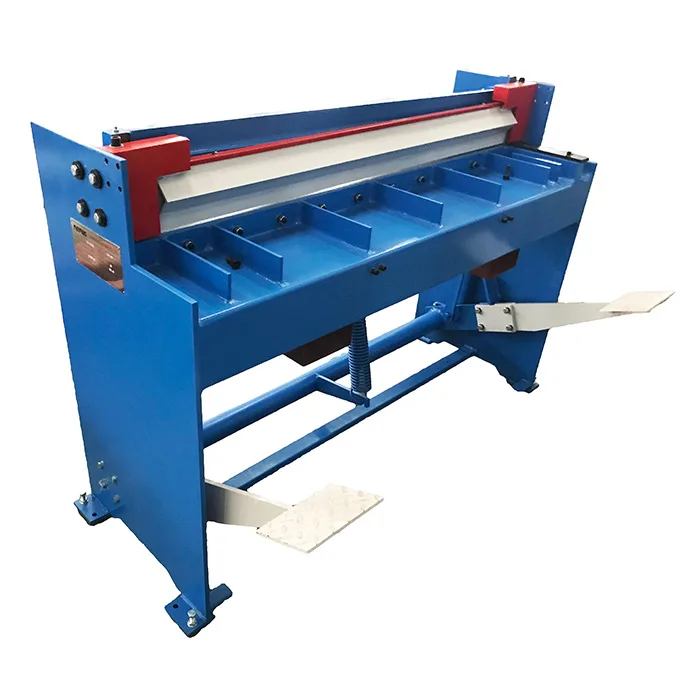
Sheet Metal Equipment: Ultimate Guide to Industrial Fabrication Solutions in 2026
2026/03/06
-
A Guide to the Latest Innovations in Sheet Metal Folding Machines
2024/11/29 -
Key Features to Consider When Investing in a Sheet Metal Folding Machine
2024/11/28 -
Enhancing Precision with Advanced Sheet Metal Folding Machines
2024/11/27 -
How to Choose the Right Sheet Metal Folding Machine for Your Workshop
2024/11/26
