


Duct Folding Machines vs. Manual Folding- Key Differences
In the realm of HVAC fabrication, the debate between duct folding machines and manual folding rages on, each method wielding its own advantages and drawbacks. Embark on a riveting exploration of these contrasting techniques, deciphering their fundamental distinctions to guide informed decisions in your sheet metal endeavors.
Precision and Accuracy
Duct folding machines, with their automated mechanisms and precise measurements, eclipse manual folding in terms of accuracy and consistency. They seamlessly execute intricate bends, ensuring uniform ductwork that meets exacting specifications. Manual folding, on the other hand, relies on the skill and experience of the operator, introducing a greater margin for human error.
Speed and Efficiency
When time is of the essence, duct folding machines reign supreme. Their rapid folding capabilities outpace manual folding significantly, reducing production time and maximizing efficiency. Automated machines can produce hundreds of feet of ductwork per hour, while manual folding requires a considerably slower and more labor-intensive process.
Labor Costs
Manual folding is a labor-intensive task that demands skilled and experienced workers. This can translate to higher labor costs compared to duct folding machines, which require minimal operator intervention. By investing in a duct folding machine, fabricators can streamline their operations and lower labor expenses over time.
Material Handling
Manual folding involves frequent handling of sheet metal, increasing the risk of damage or deformation. Duct folding machines, with their automated material handling systems, minimize handling and reduce the potential for material damage.
Complexity of Ductwork
For complex ductwork designs with intricate bends and angles, duct folding machines offer unparalleled versatility. They can effortlessly produce custom ductwork to precise specifications, catering to challenging architectural or engineering requirements. Manual folding, while suitable for simpler designs, may struggle with highly intricate ductwork.
Conclusion
The choice between duct folding machines and manual folding hinges on specific project requirements, fabrication capabilities, and budget. For applications demanding precision, speed, and efficiency, duct folding machines hold a clear advantage. However, for smaller projects or less complex ductwork, manual folding may still be a viable option. Regardless of the chosen method, the path forward in HVAC fabrication lies in embracing technological advancements that enhance accuracy, productivity, and cost-effectiveness.
-
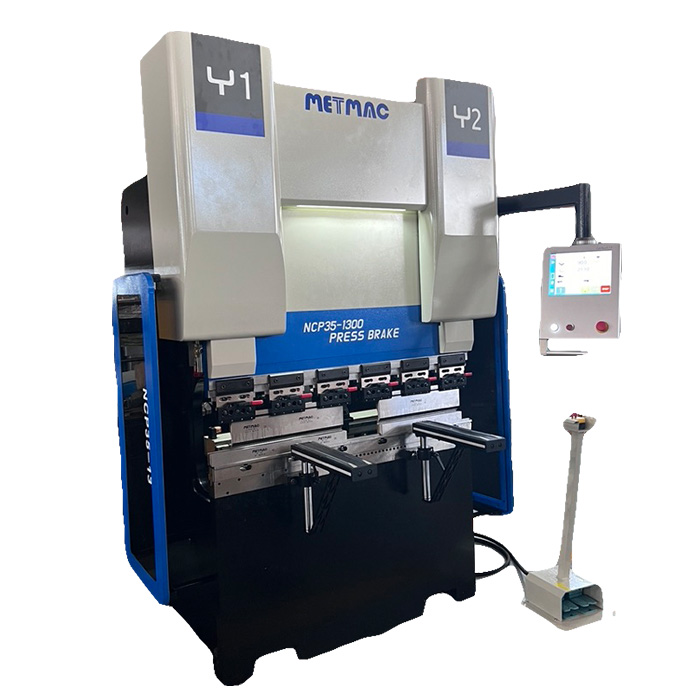
Press Metal Machine: The Definitive Guide to Precision Metal Forming
2026/03/12 -
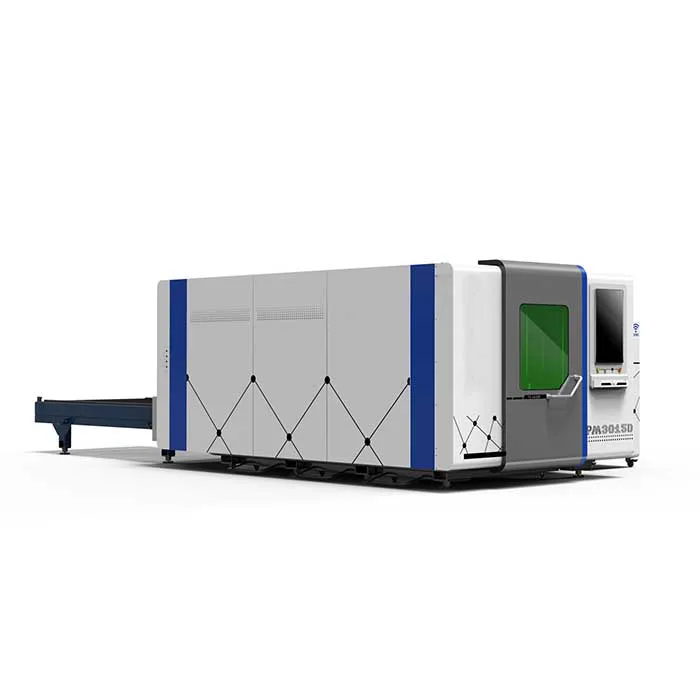
Metal Punching Machine: The Ultimate Guide to Precision Hole Punching
2026/03/10 -
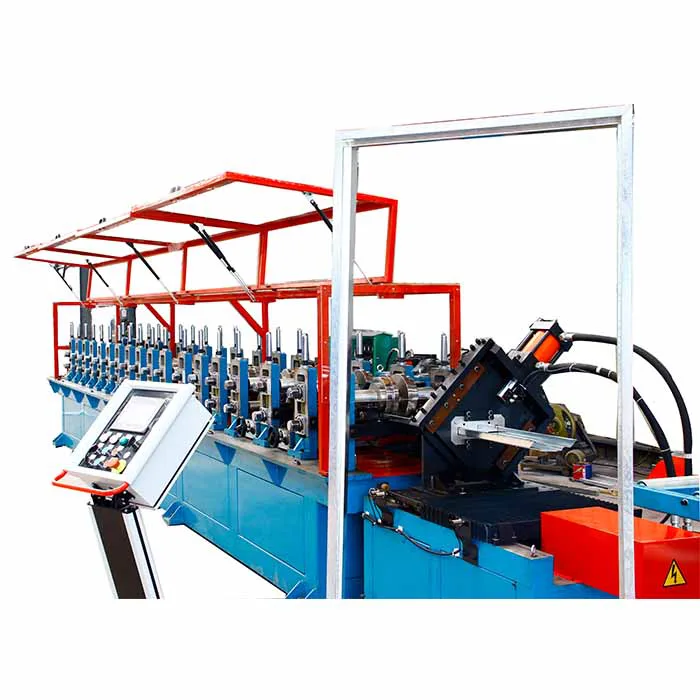
Sheet Metal Machinery: The Ultimate Guide to Industrial Fabrication Excellence
2026/03/04 -
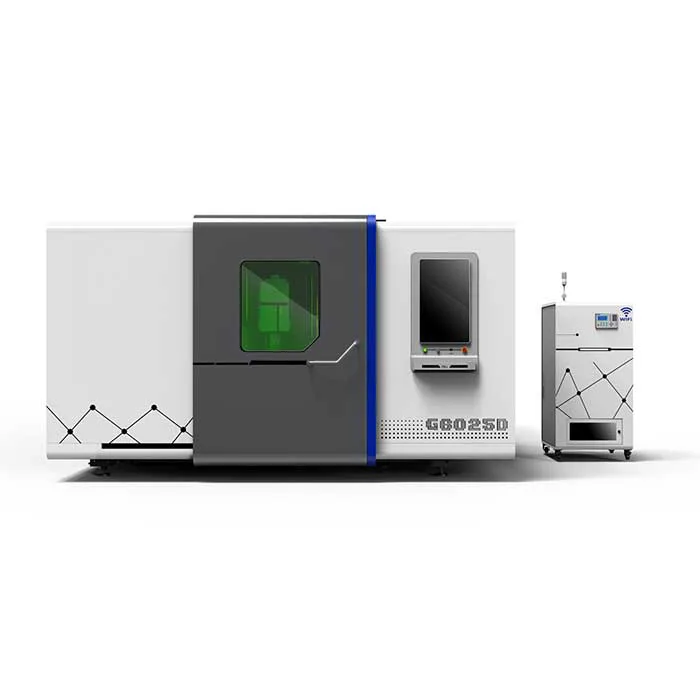
Iron Sheet Laser Cutting Machine: Unmatched Precision for Demanding Fabrication with METMAC
2026/01/06
-
Sheet Metal Press Brake: Ultimate Guide to Precision Bending Technology in 2024
2026/03/13 -
Metal Punching Machine: Ultimate Guide to Precision Manufacturing in 2024
2026/03/11 -
Metal Folding Machine: Comprehensive Guide to Precision Bending in 2024
2026/03/09 -
Sheet Metal Equipment: Ultimate Guide to Industrial Fabrication Solutions in 2026
2026/03/06
-
A Guide to the Latest Innovations in Sheet Metal Folding Machines
2024/11/29 -
Key Features to Consider When Investing in a Sheet Metal Folding Machine
2024/11/28 -
Enhancing Precision with Advanced Sheet Metal Folding Machines
2024/11/27 -
How to Choose the Right Sheet Metal Folding Machine for Your Workshop
2024/11/26
