


Duct Folding Machines- Automatic vs. Manual Systems
Duct folding machines are essential equipment in the HVAC industry, used for shaping and fabricating sheet metal ducts. These machines are available in both automatic and manual systems, each with its own advantages and disadvantages. Understanding the differences between the two types can help you choose the right machine for your specific needs.
Automation Level
Automatic Duct Folding Machines:
Operate with minimal human intervention, utilizing CNC (Computer Numerical Control) systems.
Automatically follow pre-programmed designs and perform precise folds and bends.
Reduce labor costs and increase productivity by eliminating manual labor.
Manual Duct Folding Machines:
Require skilled operators to manually perform each fold and bend.
More labor-intensive, but offer greater flexibility in design changes.
Speed and Accuracy
Automatic Duct Folding Machines:
Offer high speeds and accuracy due to their automated operation.
Can produce consistent, high-quality ducts with minimal errors.
Suitable for high-volume production environments where speed is crucial.
Manual Duct Folding Machines:
Have lower speeds compared to automatic machines.
Accuracy depends on the operator’s skill and experience.
More suited for small-scale production or custom duct designs.
Flexibility and Customization
Automatic Duct Folding Machines:
Limited in terms of customization due to their reliance on pre-programmed designs.
Can only produce ducts within the specified parameters of the CNC program.
Manual Duct Folding Machines:
Offer greater flexibility and customization.
Operators can manually adjust folds and bends to create unique duct designs.
Ideal for projects requiring custom or complex duct configurations.
Machine Size and Installation
Automatic Duct Folding Machines:
Typically larger in size due to their automated components.
Require more space for installation and operation.
Manual Duct Folding Machines:
More compact and portable, requiring less space.
Easier to install and move around within the workshop.
Maintenance and Operating Costs
Automatic Duct Folding Machines:
Require regular maintenance and calibration to maintain optimal performance.
Can have higher operating costs due to the need for trained technicians.
Manual Duct Folding Machines:
Generally easier to maintain and repair.
Lower operating costs as they do not require specialized technicians.
Conclusion
Choosing between an automatic or manual duct folding machine depends on various factors such as production volume, desired accuracy, flexibility, machine size, and operating costs. Automatic machines offer high speed, accuracy, and cost-effectiveness for high-volume production. Manual machines provide greater flexibility, customization, and lower maintenance costs for small-scale or custom ductwork. By carefully considering the differences between these two systems, you can make an informed decision that meets your specific needs and workflow.
-
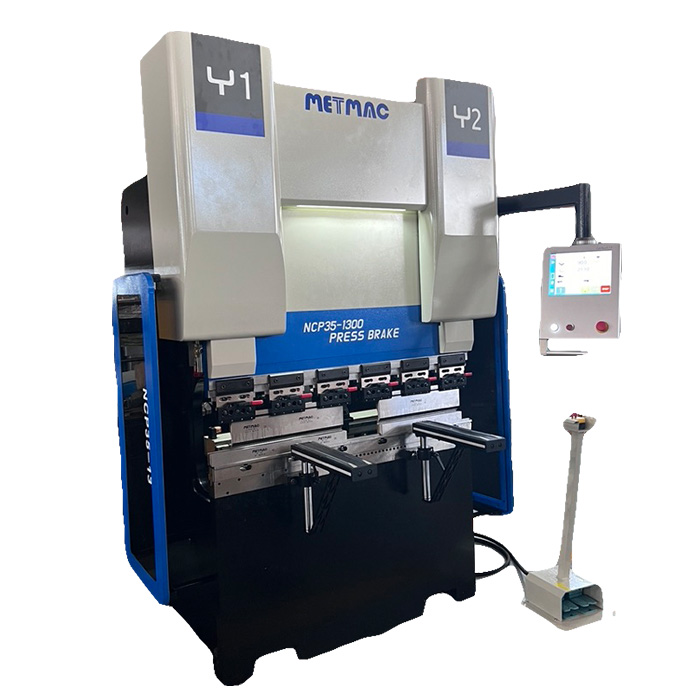
Press Metal Machine: The Definitive Guide to Precision Metal Forming
2026/03/12 -
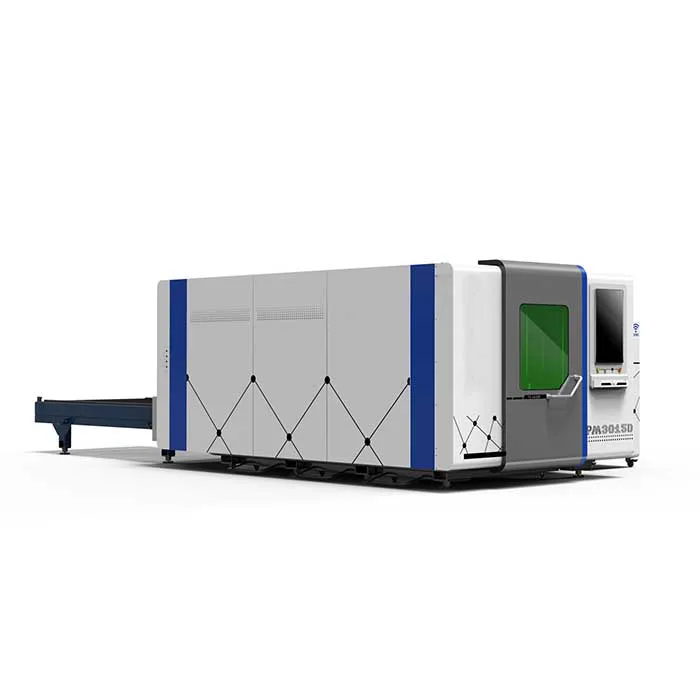
Metal Punching Machine: The Ultimate Guide to Precision Hole Punching
2026/03/10 -
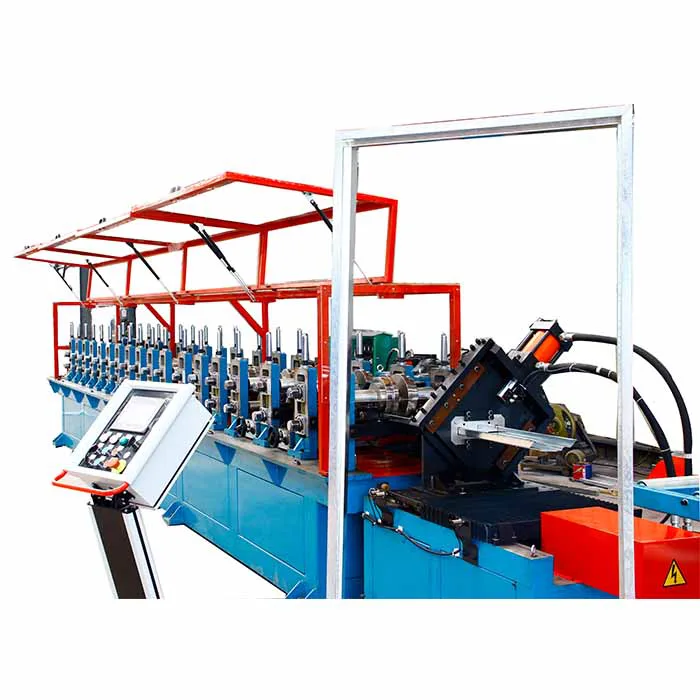
Sheet Metal Machinery: The Ultimate Guide to Industrial Fabrication Excellence
2026/03/04 -
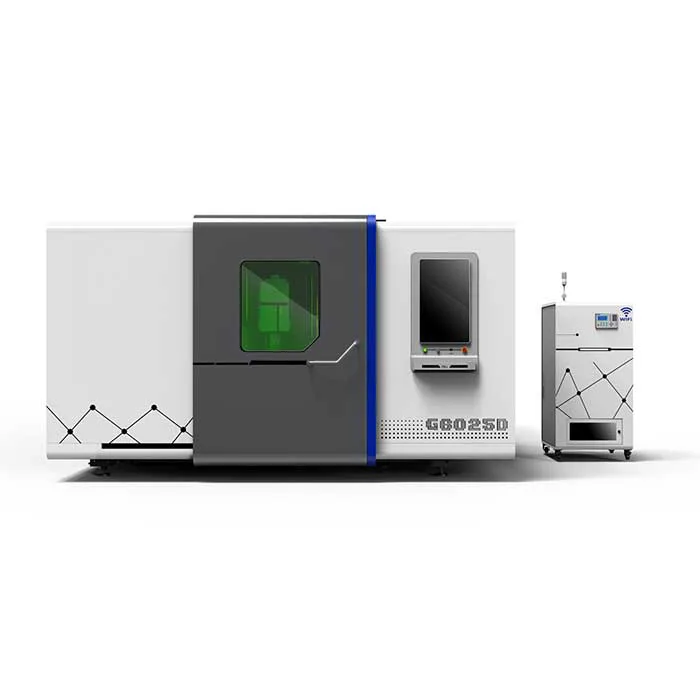
Iron Sheet Laser Cutting Machine: Unmatched Precision for Demanding Fabrication with METMAC
2026/01/06
-
Sheet Metal Press Brake: Ultimate Guide to Precision Bending Technology in 2024
2026/03/13 -
Metal Punching Machine: Ultimate Guide to Precision Manufacturing in 2024
2026/03/11 -
Metal Folding Machine: Comprehensive Guide to Precision Bending in 2024
2026/03/09 -
Sheet Metal Equipment: Ultimate Guide to Industrial Fabrication Solutions in 2026
2026/03/06
-
Understanding the Role and Function of Steel Strip Slitting Machines
2024/05/11 -
Maintenance Tips for Longevity of HVAC Duct Machines
2024/05/11 -
Innovations in Steel Strip Slitting Machine Design and Technology
2024/05/11 -
Improving Accuracy in Metal Fabrication with Laser Metal Shear Machines
2024/05/11
-
A Guide to the Latest Innovations in Sheet Metal Folding Machines
2024/11/29 -
Key Features to Consider When Investing in a Sheet Metal Folding Machine
2024/11/28 -
Enhancing Precision with Advanced Sheet Metal Folding Machines
2024/11/27 -
How to Choose the Right Sheet Metal Folding Machine for Your Workshop
2024/11/26
