


DIY- Setting Up and Operating Your Metal Punching Machine
If you’re looking for a way to add precision and efficiency to your metalworking projects, a metal punching machine is a valuable tool. These machines allow you to create clean, precise holes in metal sheets, making them ideal for a wide range of applications, from automotive repair to jewelry making. While metal punching machines can be expensive to purchase, it’s possible to build your own DIY version using readily available materials. This article will guide you through the steps involved in setting up and operating your metal punching machine.
Before you begin working with your metal punching machine, it’s essential to take safety precautions. Wear proper safety gear, including gloves, safety glasses, and earplugs. Ensure that the machine is stable and secure before operating it. Keep your hands and fingers away from the punching area, and never attempt to operate the machine while under the influence of alcohol or drugs.
The first step is to set up your metal punching machine. This involves assembling the frame, mounting the motor, and installing the punch and die. Make sure that all the components are properly aligned and tightened before operating the machine. If you’re unsure about any aspect of the setup process, consult the manufacturer’s instructions or seek assistance from a qualified professional.
Once your metal punching machine is set up, you can begin operating it. Start by placing the metal sheet on the work surface and securing it in place. Then, select the appropriate punch and die for the size and shape of the hole you want to create. Position the punch over the desired location on the metal sheet and apply pressure to the lever or button that activates the machine. The punch will pierce through the metal sheet, creating a clean, precise hole.
If you encounter any problems while operating your metal punching machine, there are a few troubleshooting steps you can take:
Check the alignment of the punch and die. If the punch and die are misaligned, the holes will be uneven or distorted.
Adjust the pressure. If the pressure is too low, the punch will not pierce through the metal sheet. If the pressure is too high, the punch will damage the metal sheet.
Lubricate the machine. Regular lubrication will help to prevent the machine from seizing up and ensure smooth operation.
Contact the manufacturer. If you are unable to resolve the problem yourself, contact the manufacturer for assistance.
Building and operating a metal punching machine can be a rewarding and practical project for anyone interested in metalworking. By following these instructions and taking the necessary safety precautions, you can create a powerful tool that will help you complete your projects with precision and efficiency.
Before you begin working with your metal punching machine, it’s essential to take safety precautions. Wear proper safety gear, including gloves, safety glasses, and earplugs. Ensure that the machine is stable and secure before operating it. Keep your hands and fingers away from the punching area, and never attempt to operate the machine while under the influence of alcohol or drugs.
The first step is to set up your metal punching machine. This involves assembling the frame, mounting the motor, and installing the punch and die. Make sure that all the components are properly aligned and tightened before operating the machine. If you’re unsure about any aspect of the setup process, consult the manufacturer’s instructions or seek assistance from a qualified professional.
Once your metal punching machine is set up, you can begin operating it. Start by placing the metal sheet on the work surface and securing it in place. Then, select the appropriate punch and die for the size and shape of the hole you want to create. Position the punch over the desired location on the metal sheet and apply pressure to the lever or button that activates the machine. The punch will pierce through the metal sheet, creating a clean, precise hole.
If you encounter any problems while operating your metal punching machine, there are a few troubleshooting steps you can take:
Check the alignment of the punch and die. If the punch and die are misaligned, the holes will be uneven or distorted.
Adjust the pressure. If the pressure is too low, the punch will not pierce through the metal sheet. If the pressure is too high, the punch will damage the metal sheet.
Lubricate the machine. Regular lubrication will help to prevent the machine from seizing up and ensure smooth operation.
Contact the manufacturer. If you are unable to resolve the problem yourself, contact the manufacturer for assistance.
Building and operating a metal punching machine can be a rewarding and practical project for anyone interested in metalworking. By following these instructions and taking the necessary safety precautions, you can create a powerful tool that will help you complete your projects with precision and efficiency.
The first step is to set up your metal punching machine. This involves assembling the frame, mounting the motor, and installing the punch and die. Make sure that all the components are properly aligned and tightened before operating the machine. If you’re unsure about any aspect of the setup process, consult the manufacturer’s instructions or seek assistance from a qualified professional.
Once your metal punching machine is set up, you can begin operating it. Start by placing the metal sheet on the work surface and securing it in place. Then, select the appropriate punch and die for the size and shape of the hole you want to create. Position the punch over the desired location on the metal sheet and apply pressure to the lever or button that activates the machine. The punch will pierce through the metal sheet, creating a clean, precise hole.
If you encounter any problems while operating your metal punching machine, there are a few troubleshooting steps you can take:
Check the alignment of the punch and die. If the punch and die are misaligned, the holes will be uneven or distorted.
Adjust the pressure. If the pressure is too low, the punch will not pierce through the metal sheet. If the pressure is too high, the punch will damage the metal sheet.
Lubricate the machine. Regular lubrication will help to prevent the machine from seizing up and ensure smooth operation.
Contact the manufacturer. If you are unable to resolve the problem yourself, contact the manufacturer for assistance.
Building and operating a metal punching machine can be a rewarding and practical project for anyone interested in metalworking. By following these instructions and taking the necessary safety precautions, you can create a powerful tool that will help you complete your projects with precision and efficiency.
Once your metal punching machine is set up, you can begin operating it. Start by placing the metal sheet on the work surface and securing it in place. Then, select the appropriate punch and die for the size and shape of the hole you want to create. Position the punch over the desired location on the metal sheet and apply pressure to the lever or button that activates the machine. The punch will pierce through the metal sheet, creating a clean, precise hole.
If you encounter any problems while operating your metal punching machine, there are a few troubleshooting steps you can take:
Check the alignment of the punch and die. If the punch and die are misaligned, the holes will be uneven or distorted.
Adjust the pressure. If the pressure is too low, the punch will not pierce through the metal sheet. If the pressure is too high, the punch will damage the metal sheet.
Lubricate the machine. Regular lubrication will help to prevent the machine from seizing up and ensure smooth operation.
Contact the manufacturer. If you are unable to resolve the problem yourself, contact the manufacturer for assistance.
Building and operating a metal punching machine can be a rewarding and practical project for anyone interested in metalworking. By following these instructions and taking the necessary safety precautions, you can create a powerful tool that will help you complete your projects with precision and efficiency.
If you encounter any problems while operating your metal punching machine, there are a few troubleshooting steps you can take:
Check the alignment of the punch and die. If the punch and die are misaligned, the holes will be uneven or distorted.
Adjust the pressure. If the pressure is too low, the punch will not pierce through the metal sheet. If the pressure is too high, the punch will damage the metal sheet.
Lubricate the machine. Regular lubrication will help to prevent the machine from seizing up and ensure smooth operation.
Contact the manufacturer. If you are unable to resolve the problem yourself, contact the manufacturer for assistance.
Building and operating a metal punching machine can be a rewarding and practical project for anyone interested in metalworking. By following these instructions and taking the necessary safety precautions, you can create a powerful tool that will help you complete your projects with precision and efficiency.
Building and operating a metal punching machine can be a rewarding and practical project for anyone interested in metalworking. By following these instructions and taking the necessary safety precautions, you can create a powerful tool that will help you complete your projects with precision and efficiency.
-
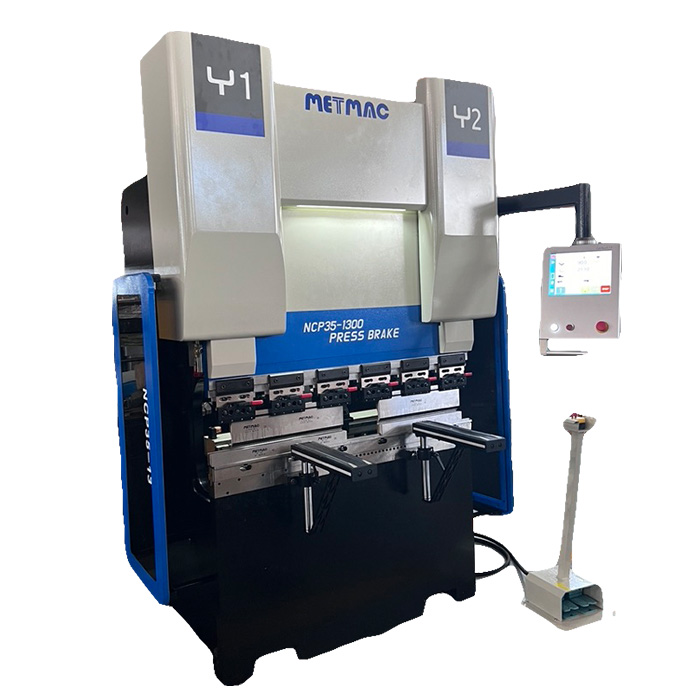
Press Metal Machine: The Definitive Guide to Precision Metal Forming
2026/03/12 -
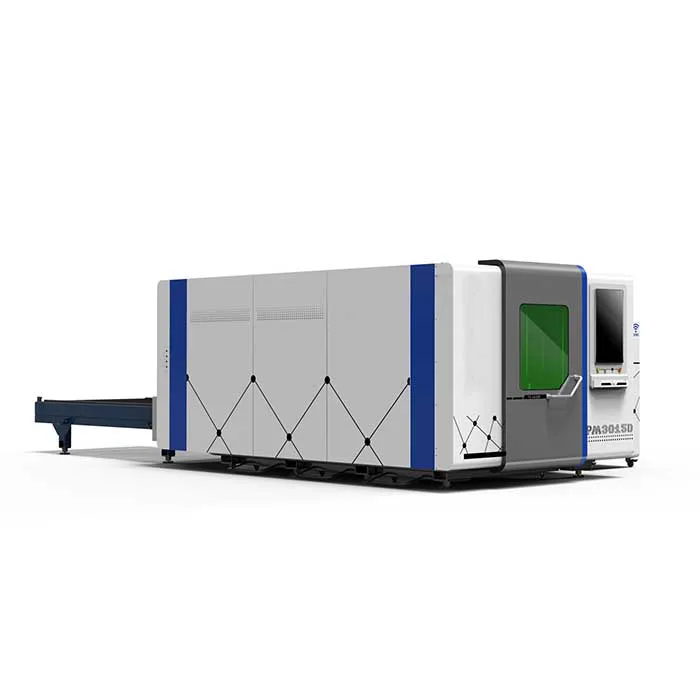
Metal Punching Machine: The Ultimate Guide to Precision Hole Punching
2026/03/10 -
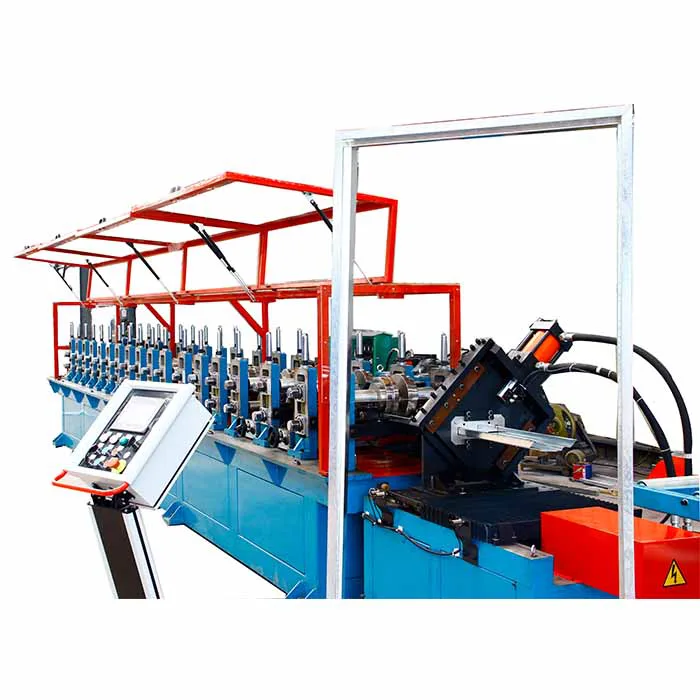
Sheet Metal Machinery: The Ultimate Guide to Industrial Fabrication Excellence
2026/03/04 -

Iron Sheet Laser Cutting Machine: Unmatched Precision for Demanding Fabrication with METMAC
2026/01/06
-
Sheet Metal Press Brake: Ultimate Guide to Precision Bending Technology in 2024
2026/03/13 -
Metal Punching Machine: Ultimate Guide to Precision Manufacturing in 2024
2026/03/11 -
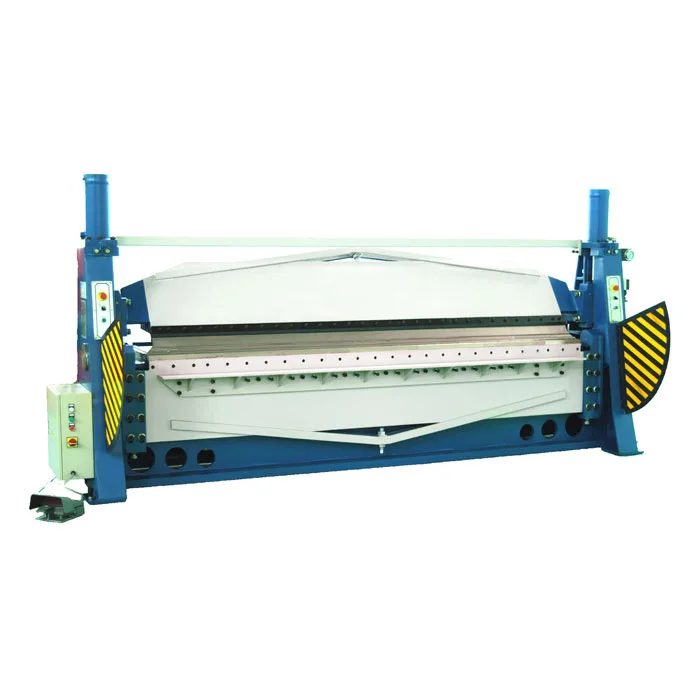
Metal Folding Machine: Comprehensive Guide to Precision Bending in 2024
2026/03/09 -
Sheet Metal Equipment: Ultimate Guide to Industrial Fabrication Solutions in 2026
2026/03/06
-
Latest Technological Advancements in Rectangular Duct Machines
2024/05/11 -
Integrating Automation with Rectangular Duct Machines for Enhanced Productivity
2024/05/11 -
Metal Shear Machines- Essential Tools for Precision Metal Cutting
2024/05/11 -
Understanding the Role and Function of Steel Strip Slitting Machines
2024/05/11
-
A Guide to the Latest Innovations in Sheet Metal Folding Machines
2024/11/29 -
Key Features to Consider When Investing in a Sheet Metal Folding Machine
2024/11/28 -
Enhancing Precision with Advanced Sheet Metal Folding Machines
2024/11/27 -
How to Choose the Right Sheet Metal Folding Machine for Your Workshop
2024/11/26
