


Designing Workshop Layouts for Optimal Steel Folding Efficiency
For businesses involved in steel fabrication, optimizing production efficiency is crucial to maximize profitability and meet customer demands. A well-designed workshop layout plays a significant role in improving the efficiency of steel folding operations, minimizing downtime, and ensuring a safe and productive work environment.
Optimizing Workflow
A thoughtfully designed workshop layout should create a smooth flow of materials and minimize unnecessary movements or delays. Proper placement of folding machines, material storage areas, and workstations allows for uninterrupted material flow, reducing the time spent on material handling and transportation.
Clustering Equipment
Grouping folding machines by their functions or capabilities enables efficient use of space and resources. For instance, machines dedicated to specific folding angles or materials should be placed close together to facilitate quick changeovers and minimize the need for retooling.
Maximizing Machine Utilization
The layout should aim to maximize the utilization of folding machines. Adequate spacing between machines allows for efficient loading and unloading of materials, reduces the risk of collisions, and enables operators to work comfortably. Provision of ample working space around machines ensures unobstructed access for maintenance and repairs.
Material Storage and Handling
Proper material storage is essential for efficient material flow. Designating dedicated areas for storing raw materials and finished products minimizes clutter and reduces the time spent searching for materials. Utilizing automated material handling systems, such as cranes or conveyors, can further enhance efficiency.
Safety Considerations
A well-designed workshop layout should prioritize safety and ergonomics. Ample space for movement and clear walkways prevent accidents and injuries. Proper ventilation and lighting create a comfortable and safe working environment. Ergonomically designed workstations reduce operator fatigue and strain.
Monitoring and Continuous Improvement
Regular monitoring of the workshop layout and operational efficiency allows for continuous improvement. Data collection and analysis can identify bottlenecks and areas for optimization. By incorporating feedback from operators and implementing lean principles, businesses can fine-tune the layout to achieve optimal steel folding efficiency.
Conclusion
Designing efficient workshop layouts for steel folding is essential for maximizing productivity, reducing waste, and ensuring a safe work environment. A thoughtfully planned layout optimizes workflow, clusters equipment, maximizes machine utilization, and addresses material storage and handling. By prioritizing safety and ergonomics, and implementing continuous improvement processes, businesses can achieve optimal steel folding efficiency, increase profitability, and meet customer expectations.
-
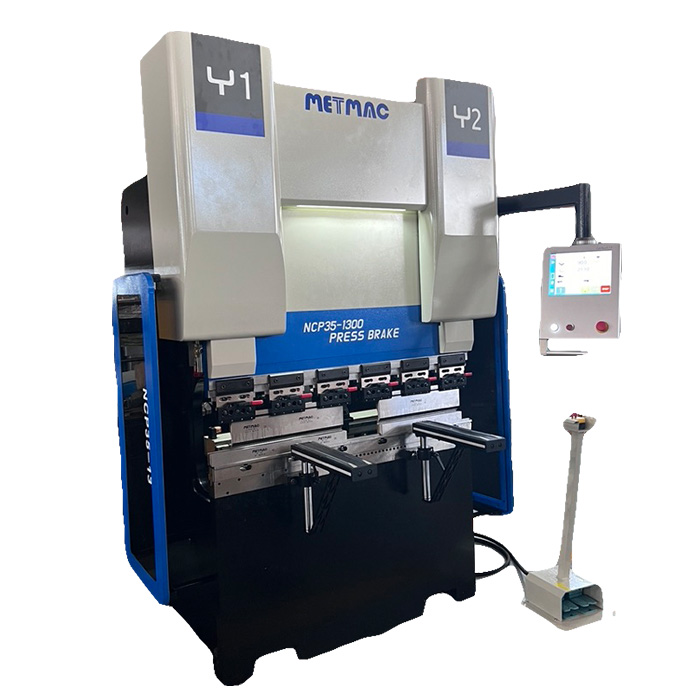
Press Metal Machine: The Definitive Guide to Precision Metal Forming
2026/03/12 -
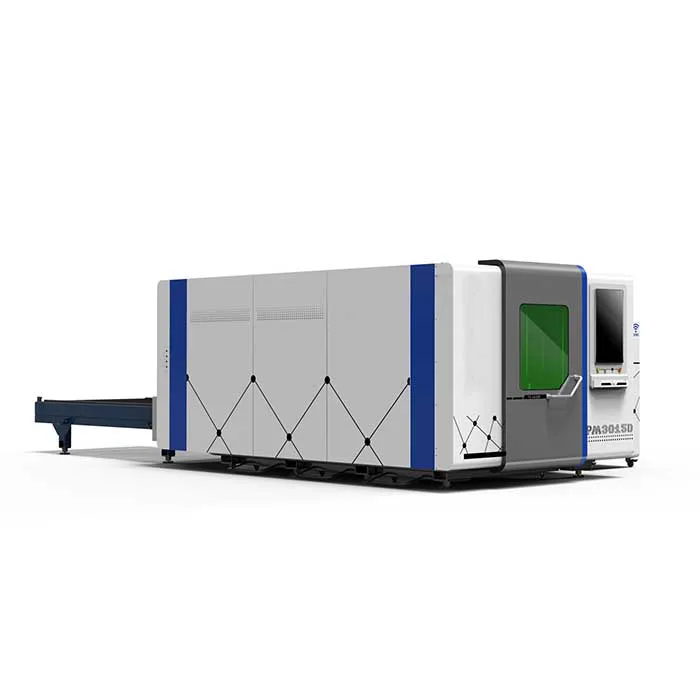
Metal Punching Machine: The Ultimate Guide to Precision Hole Punching
2026/03/10 -
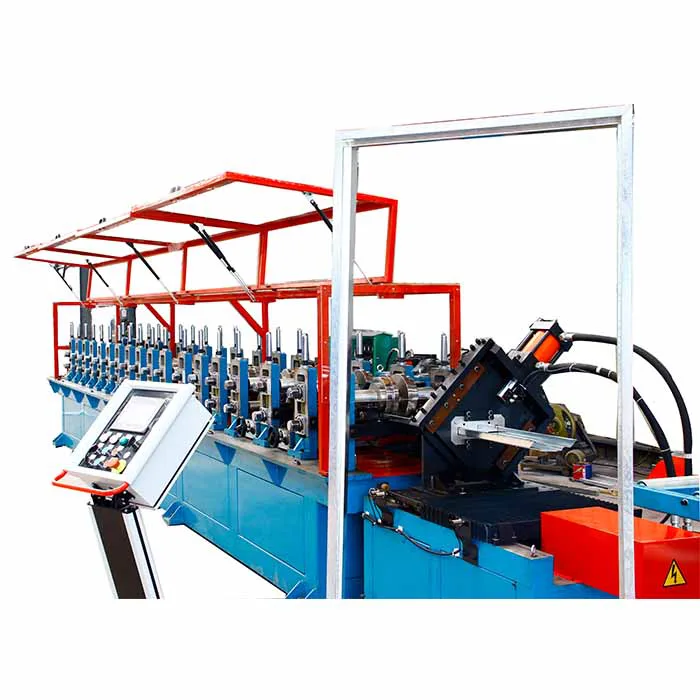
Sheet Metal Machinery: The Ultimate Guide to Industrial Fabrication Excellence
2026/03/04 -
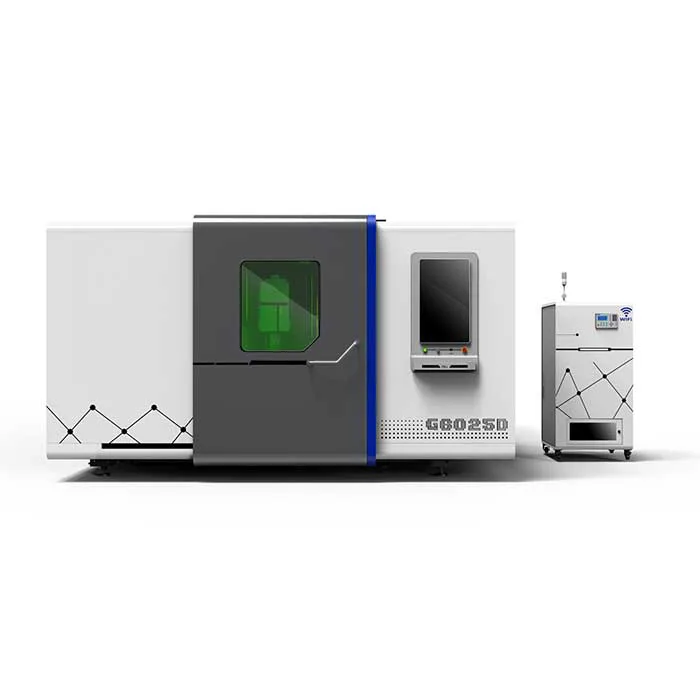
Iron Sheet Laser Cutting Machine: Unmatched Precision for Demanding Fabrication with METMAC
2026/01/06
-
Sheet Metal Press Brake: Ultimate Guide to Precision Bending Technology in 2024
2026/03/13 -
Metal Punching Machine: Ultimate Guide to Precision Manufacturing in 2024
2026/03/11 -
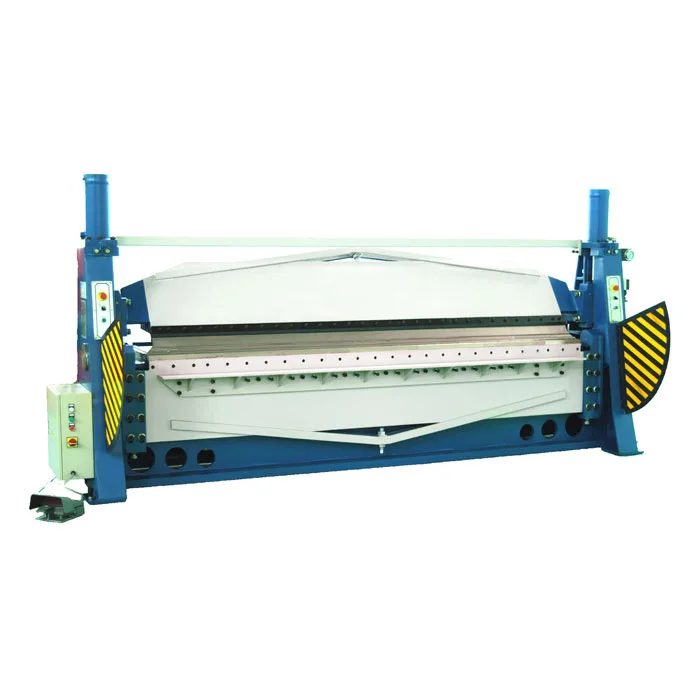
Metal Folding Machine: Comprehensive Guide to Precision Bending in 2024
2026/03/09 -
Sheet Metal Equipment: Ultimate Guide to Industrial Fabrication Solutions in 2026
2026/03/06
-
Latest Technological Advancements in Rectangular Duct Machines
2024/05/11 -
Integrating Automation with Rectangular Duct Machines for Enhanced Productivity
2024/05/11 -
Metal Shear Machines- Essential Tools for Precision Metal Cutting
2024/05/11 -
Understanding the Role and Function of Steel Strip Slitting Machines
2024/05/11
-
A Guide to the Latest Innovations in Sheet Metal Folding Machines
2024/11/29 -
Key Features to Consider When Investing in a Sheet Metal Folding Machine
2024/11/28 -
Enhancing Precision with Advanced Sheet Metal Folding Machines
2024/11/27 -
How to Choose the Right Sheet Metal Folding Machine for Your Workshop
2024/11/26
