

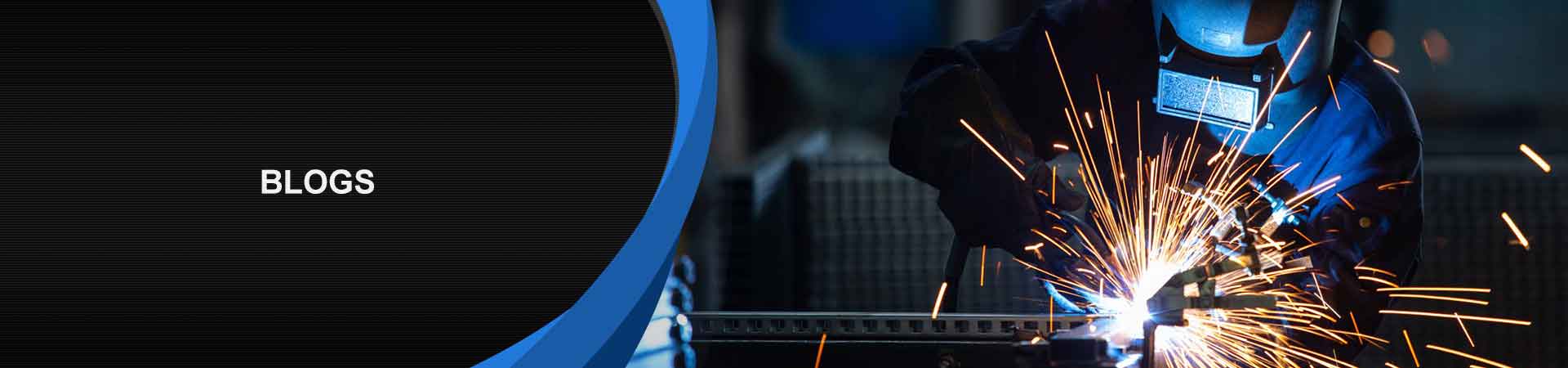
Cutting Through Steel- Your Ultimate Laser Cutter Machine Primer
In an industrial landscape where precision and efficiency reign supreme, the laser cutter machine emerges as a revolutionary tool capable of transforming raw steel into intricate masterpieces with unparalleled accuracy. This primer aims to illuminate the realm of laser cutting, guiding you through the fundamentals of this transformative technology and empowering you to harness its boundless possibilities.
What Is Laser Cutting?
Laser cutting is a high-tech fabrication process that utilizes a focused beam of laser energy to vaporize or melt materials, creating precise and intricate cuts. Unlike traditional cutting methods that use physical tools, laser cutters leverage the power of light to cut through metals, plastics, wood, and even exotic materials.
How Does Laser Cutting Work?
Laser cutters operate by directing a concentrated beam of laser light onto the surface of the material. The intense heat generated by the laser energy melts or vaporizes the material, leaving behind a precise cut. The laser beam is controlled by a computer-aided design (CAD) software, allowing for precise and complex designs to be cut with ease.
Advantages of Laser Cutting
Laser cutting offers numerous advantages over conventional cutting methods, including:
Precision: Laser cutters provide unparalleled precision, enabling the creation of intricate designs and precise cuts.
Speed: Laser cutting is exceptionally fast, minimizing production times and increasing efficiency.
Material versatility: Laser cutters can cut a wide range of materials, including steel, aluminum, plastics, and wood.
Automation: Laser cutters can be integrated into automated manufacturing systems, increasing productivity and reducing labor costs.
Choosing the Right Laser Cutter
Selecting the right laser cutter is crucial for maximizing its potential. Consider factors such as:
Laser power: The laser power determines the depth and speed at which it can cut through materials.
Bed size: The bed size determines the maximum dimensions of the materials that can be cut.
Software capabilities: The software controls the movement of the laser beam and allows for complex designs.
Applications of Laser Cutting
Laser cutters find applications in a vast range of industries, including:
Automotive: Manufacturing of automotive parts
Aerospace: Fabrication of aircraft components
Electronics: Cutting of printed circuit boards (PCBs)
Medical: Production of surgical instruments and medical implants
Conclusion
Laser cutting machines have revolutionized the manufacturing industry, enabling the creation of precision-cut components with unprecedented speed and efficiency. Whether you are a seasoned fabricator or just starting out, this primer has provided a comprehensive overview of the fundamentals of laser cutting. Embark on this transformative journey and harness the power of laser technology to unleash your creativity and elevate your manufacturing prowess.
-
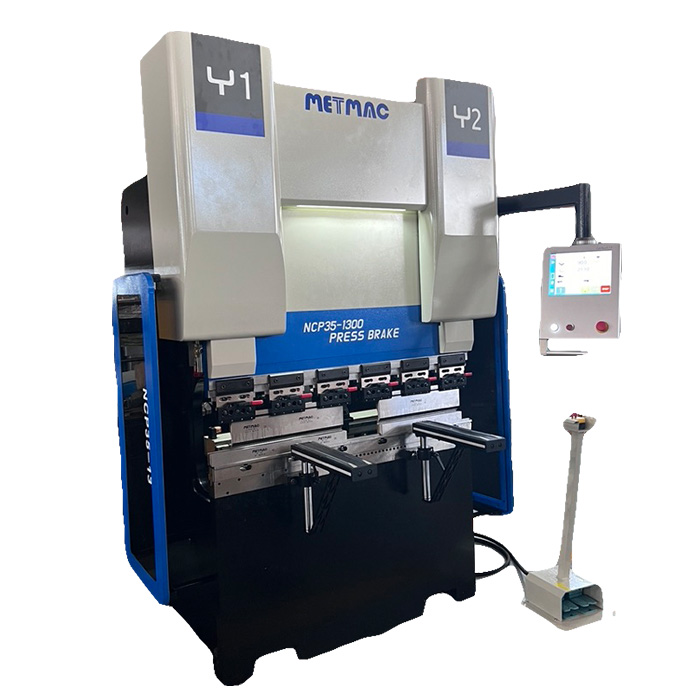
Press Metal Machine: The Definitive Guide to Precision Metal Forming
2026/03/12 -
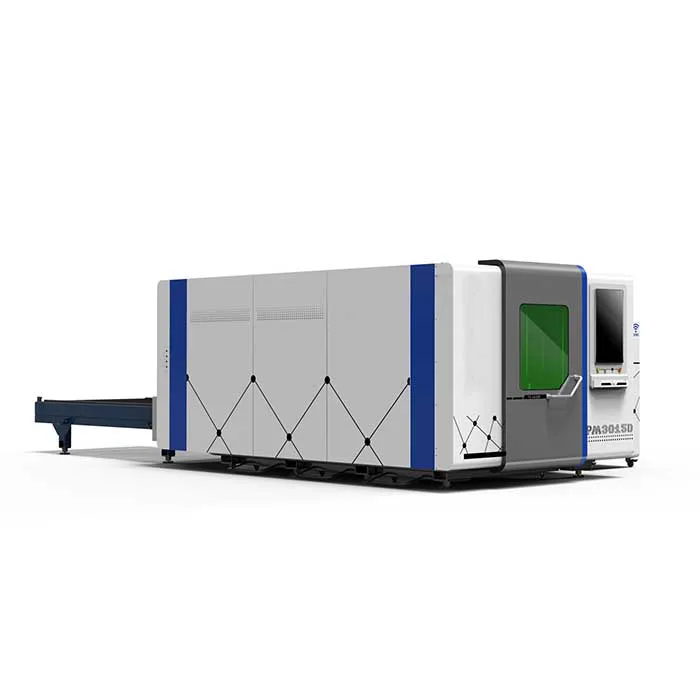
Metal Punching Machine: The Ultimate Guide to Precision Hole Punching
2026/03/10 -
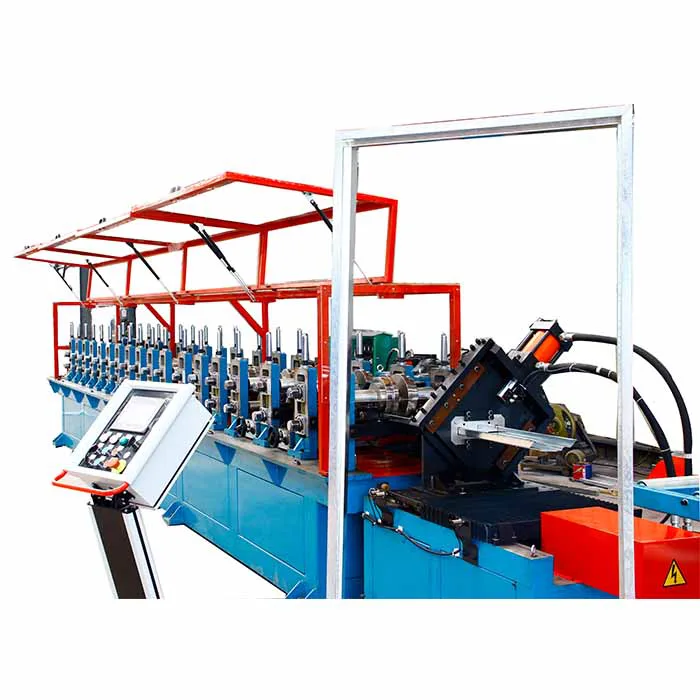
Sheet Metal Machinery: The Ultimate Guide to Industrial Fabrication Excellence
2026/03/04 -
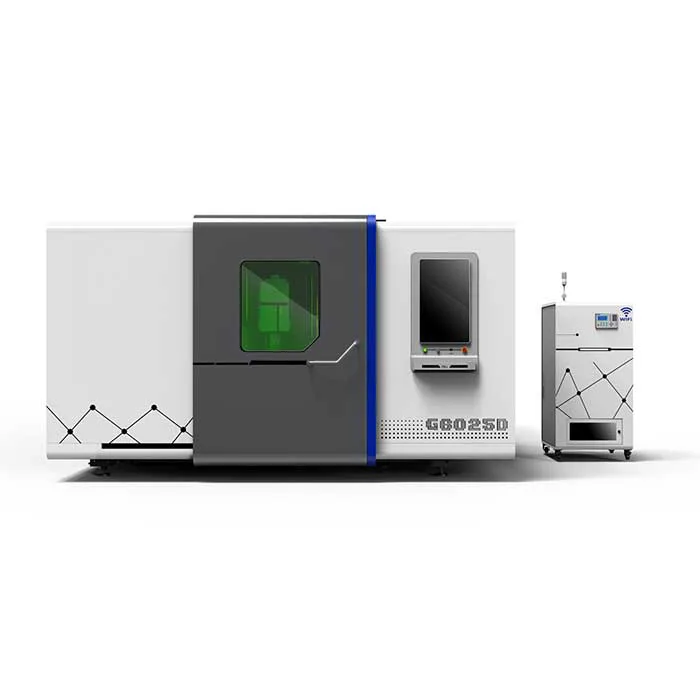
Iron Sheet Laser Cutting Machine: Unmatched Precision for Demanding Fabrication with METMAC
2026/01/06
-
Sheet Metal Press Brake: Ultimate Guide to Precision Bending Technology in 2024
2026/03/13 -
Metal Punching Machine: Ultimate Guide to Precision Manufacturing in 2024
2026/03/11 -
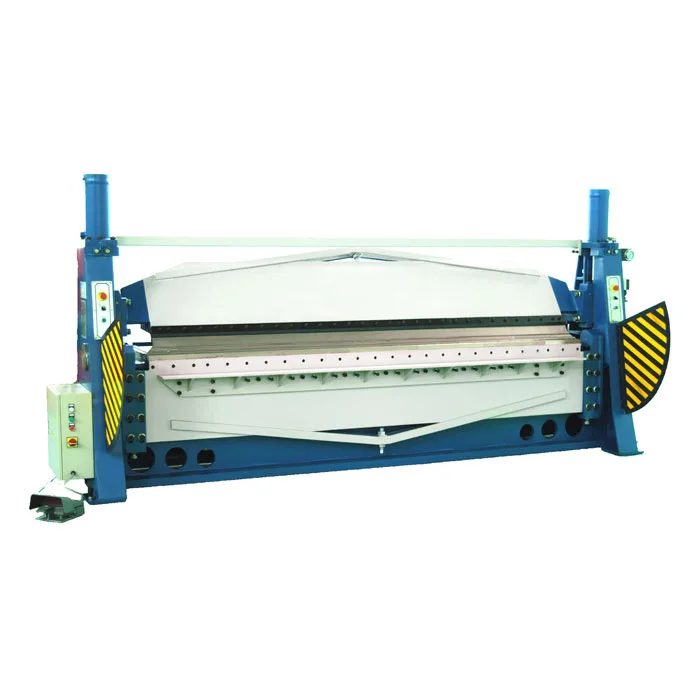
Metal Folding Machine: Comprehensive Guide to Precision Bending in 2024
2026/03/09 -
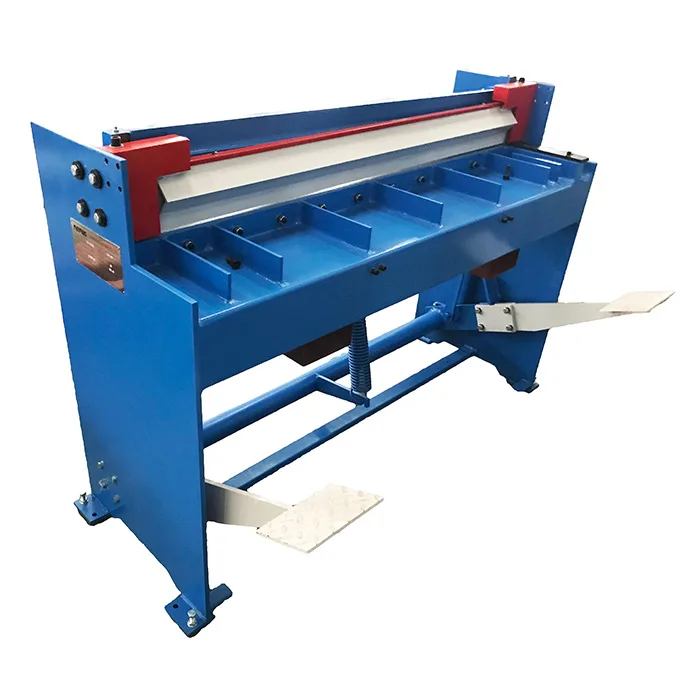
Sheet Metal Equipment: Ultimate Guide to Industrial Fabrication Solutions in 2026
2026/03/06
-
A Guide to the Latest Innovations in Sheet Metal Folding Machines
2024/11/29 -
Key Features to Consider When Investing in a Sheet Metal Folding Machine
2024/11/28 -
Enhancing Precision with Advanced Sheet Metal Folding Machines
2024/11/27 -
How to Choose the Right Sheet Metal Folding Machine for Your Workshop
2024/11/26
