

Customizing Sheet Metal Rolling Machines for Different Materials
In the realm of metal fabrication, sheet metal rolling machines stand as indispensable tools, shaping metallic canvases into intricate forms. However, the versatility of these machines demands customization to accommodate the unique properties of various materials.
Tailoring to Material Thickness
The thickness of sheet metal determines the machine’s capacity. Rolling thin materials, such as 20-gauge aluminum, requires machines with precise adjustments to prevent buckling or tearing. Conversely, heavy-duty machines tackle thick materials like steel, ensuring consistent bends without compromising structural integrity.
Material Strength and Yield
The strength and yield point of different metals dictate the machine’s power requirements. Aluminum, with its lower tensile strength, necessitates machines with lower torque compared to those used for high-strength steels. By understanding the material’s yielding properties, fabricators can optimize the machine’s settings to achieve desired bends without material failure.
Surface Texture and Finish
Materials with delicate surfaces, such as copper or brass, require specialized bending rollers that minimize scratching or marring. Conversely, rough-textured materials like galvanized steel demand rollers with coarser finishes to prevent slippage during the bending process.
Temperature Sensitivity
Some materials, such as certain alloys, are sensitive to heat generated during the rolling process. To prevent material degradation or loss of temper, specialized machines employ liquid or air cooling systems to dissipate heat effectively.
Special Considerations for Exotic Materials
Exotic materials, such as titanium or tungsten, pose unique challenges that require specialized machine modifications. These materials often exhibit high tensile strength, low ductility, and susceptibility to cracking. Rolling machines for such materials incorporate advanced features, such as segmented rollers, controlled bending angles, and temperature monitoring systems, to ensure optimal results.
Conclusion
Customizing sheet metal rolling machines for different materials is a crucial aspect of successful metal fabrication. By understanding the specific properties of each material, fabricators can configure machines to maximize efficiency, ensure material integrity, and achieve desired bending outcomes. Whether it’s delicate aluminum or robust steel, tailoring rolling machines unlocks the full potential of these versatile tools, enabling unparalleled precision and productivity in the art of metal shaping.
-
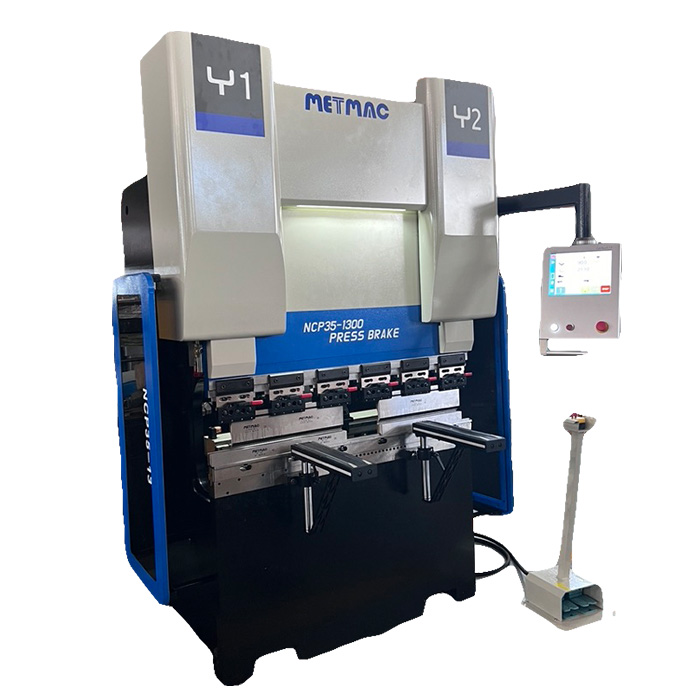
Press Metal Machine: The Definitive Guide to Precision Metal Forming
2026/03/12 -
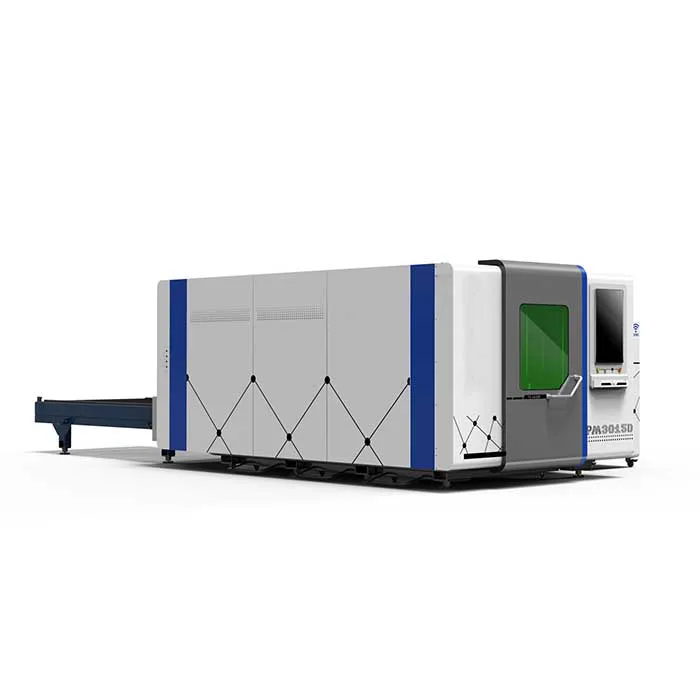
Metal Punching Machine: The Ultimate Guide to Precision Hole Punching
2026/03/10 -
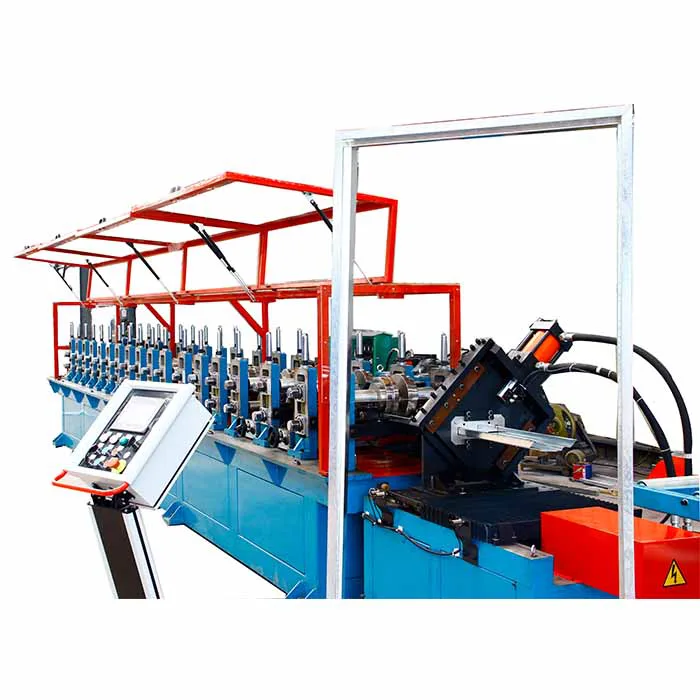
Sheet Metal Machinery: The Ultimate Guide to Industrial Fabrication Excellence
2026/03/04 -
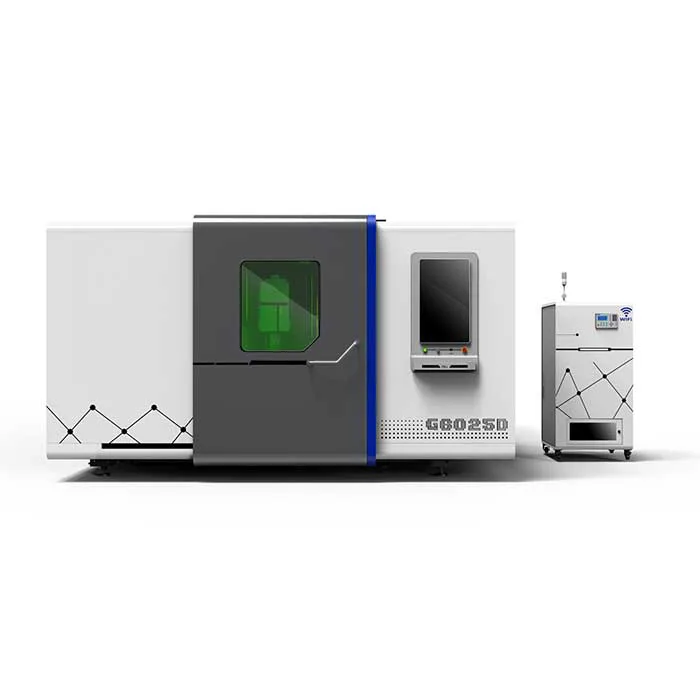
Iron Sheet Laser Cutting Machine: Unmatched Precision for Demanding Fabrication with METMAC
2026/01/06
-
Sheet Metal Press Brake: Ultimate Guide to Precision Bending Technology in 2024
2026/03/13 -
Metal Punching Machine: Ultimate Guide to Precision Manufacturing in 2024
2026/03/11 -
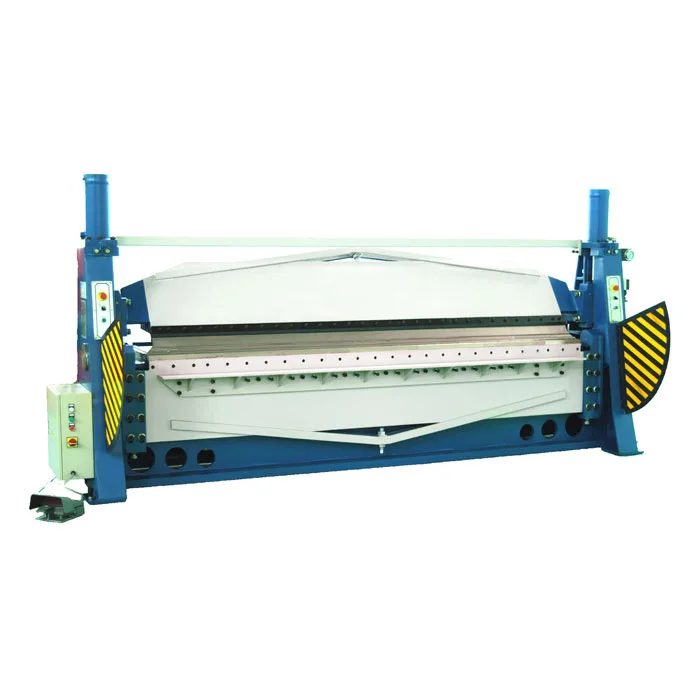
Metal Folding Machine: Comprehensive Guide to Precision Bending in 2024
2026/03/09 -
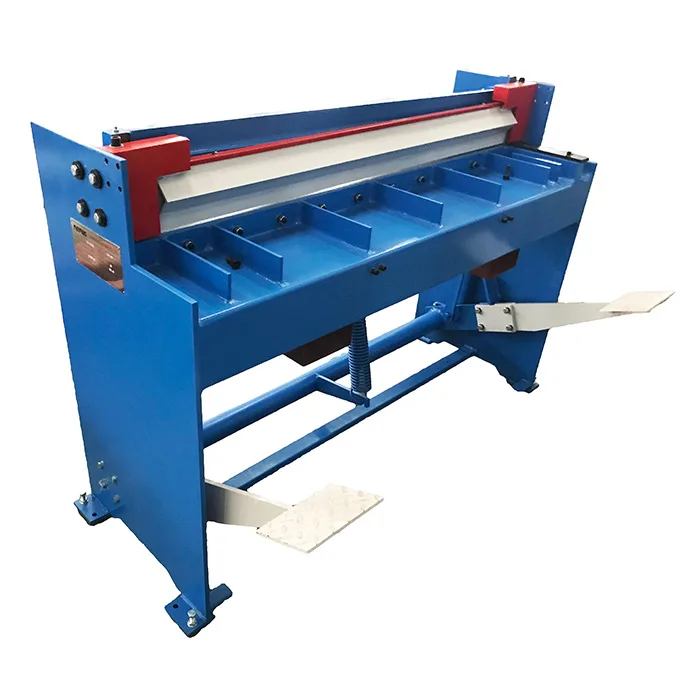
Sheet Metal Equipment: Ultimate Guide to Industrial Fabrication Solutions in 2026
2026/03/06
-
Latest Technological Advancements in Rectangular Duct Machines
2024/05/11 -
Integrating Automation with Rectangular Duct Machines for Enhanced Productivity
2024/05/11 -
Metal Shear Machines- Essential Tools for Precision Metal Cutting
2024/05/11 -
Understanding the Role and Function of Steel Strip Slitting Machines
2024/05/11
-
A Guide to the Latest Innovations in Sheet Metal Folding Machines
2024/11/29 -
Key Features to Consider When Investing in a Sheet Metal Folding Machine
2024/11/28 -
Enhancing Precision with Advanced Sheet Metal Folding Machines
2024/11/27 -
How to Choose the Right Sheet Metal Folding Machine for Your Workshop
2024/11/26
