

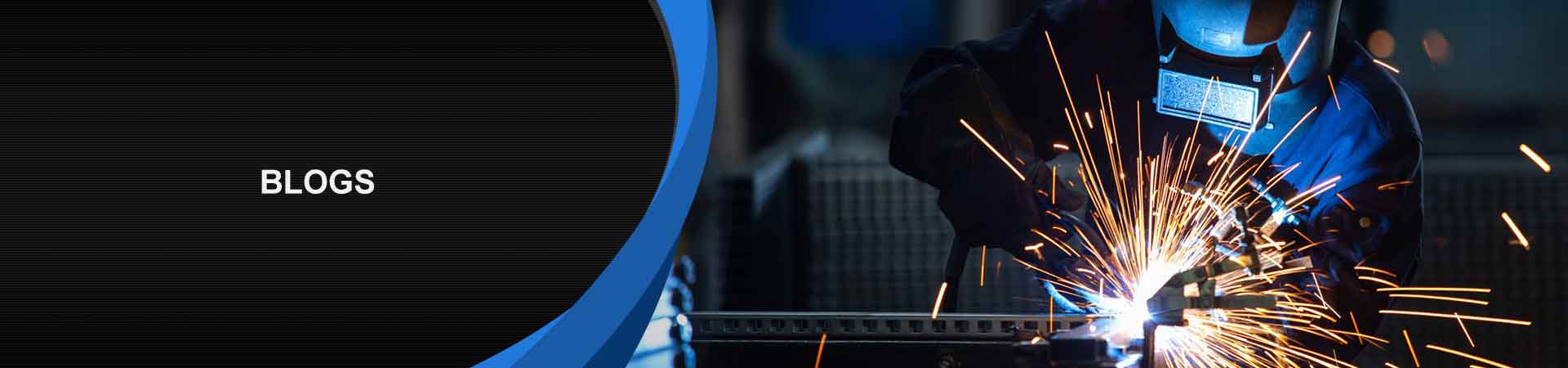
Customizing Sheet Forming Machines for Different Materials
As the demand for customized and high-quality sheet metal products continues to grow, sheet forming machines play a crucial role in transforming raw materials into complex shapes. However, with the increasing diversity of materials used in sheet metal fabrication, customizing these machines has become essential to meet specific material requirements and achieve optimal results.
Tailoring to Mechanical Properties
The mechanical properties of different materials greatly influence the forming process. For materials that exhibit high strength, such as stainless steel and titanium, machines must be equipped with robust forming tools and high-pressure systems to overcome their resistance to deformation. Conversely, softer materials like aluminum and copper require less force and can be processed with lower-pressure machines. By customizing the machine’s forming capabilities to match the material’s yield strength and workability, manufacturers can ensure precise forming without material damage or tearing.
Accounting for Thermal Characteristics
Thermal characteristics, such as melting point and thermal conductivity, are critical considerations when customizing sheet forming machines. For materials with high melting points, such as superalloys, specialized heating systems are required to achieve the necessary temperatures without damaging the material. On the other hand, materials with high thermal conductivity, such as copper, dissipate heat rapidly, requiring machines with efficient cooling systems to prevent overheating and subsequent material distortion. By tailoring the machine’s thermal capabilities to the material’s thermal properties, manufacturers can minimize thermal stress and ensure dimensional accuracy.
Adapting to Surface Properties
The surface properties of different materials also affect the forming process. Materials with smooth surfaces, such as cold-rolled steel, exhibit lower friction and require less lubrication during forming. Conversely, materials with rough or textured surfaces, such as galvanized steel, require higher lubrication levels to reduce friction and prevent surface damage. By customizing the machine’s lubrication system, manufacturers can ensure adequate lubrication for each material type, reducing wear on the tooling and improving forming quality.
Addressing Corrosion Potential
Corrosion potential is a crucial factor to consider when customizing sheet forming machines for different materials. Materials that are susceptible to corrosion, such as galvanized steel and aluminum, require special precautions to prevent damage during the forming process. By incorporating corrosion-resistant materials in the machine’s construction, such as stainless steel or zinc-coated components, manufacturers can minimize the risk of corrosion and extend the equipment’s lifespan.
Integrating Advanced Technologies
Recent advancements in technology have opened up new possibilities for customizing sheet forming machines. Sensors and feedback systems can be integrated to monitor material properties in real-time and adjust the forming parameters accordingly, ensuring optimal forming conditions. Additionally, computer numerical control (CNC) technology allows for precise control of the forming process, reducing errors and improving repeatability. By leveraging these technologies, manufacturers can enhance the machine’s versatility and adaptability to a wide range of materials.
Conclusion
Customizing sheet forming machines for different materials is essential to meet the diverse demands of modern sheet metal fabrication. By tailoring the machine’s capabilities to the mechanical properties, thermal characteristics, surface properties, corrosion potential, and advanced technologies, manufacturers can optimize the forming process for each specific material. This customization not only improves forming quality and accuracy but also extends machine lifespan, reduces production costs, and enables the production of highly customized and innovative sheet metal products.
-
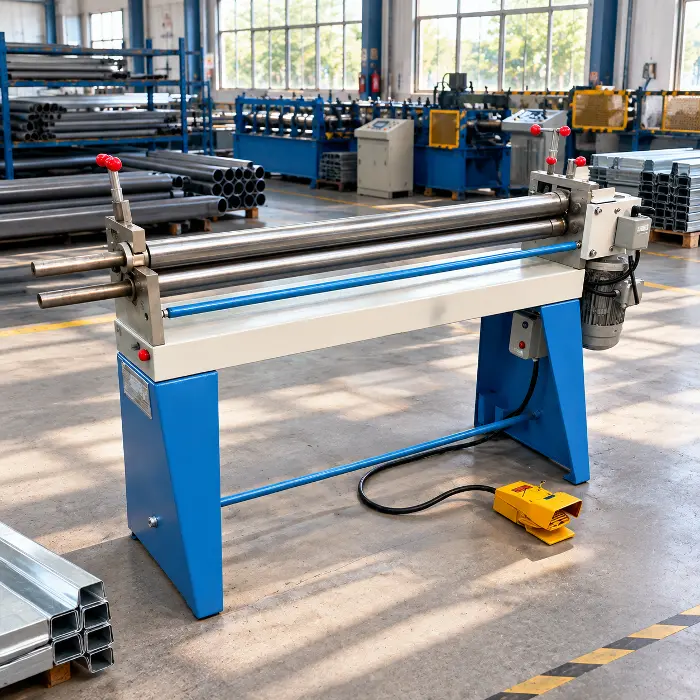
Roll Forming Machines: How Sheet Metal Becomes Structural Shapes
2026/10/08 -
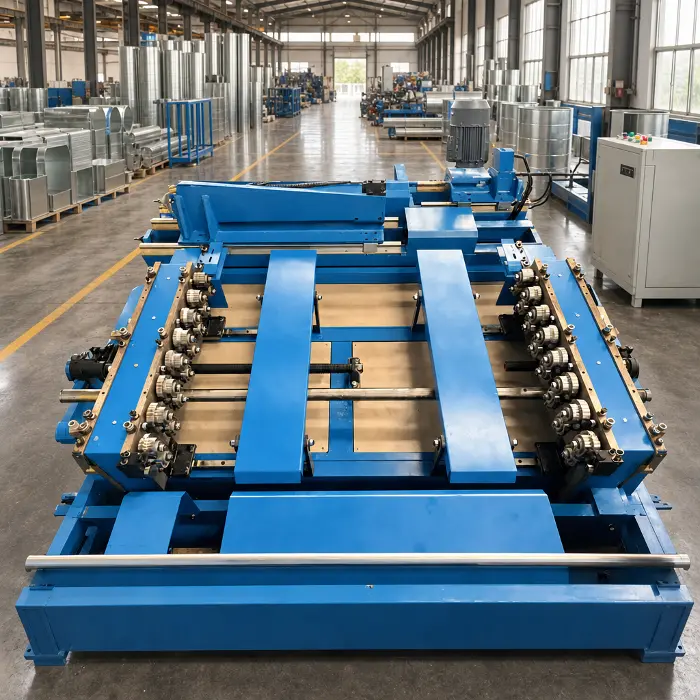
Duct Making Machines for High-Output Rectangular Duct Fabrication
2026/10/08 -
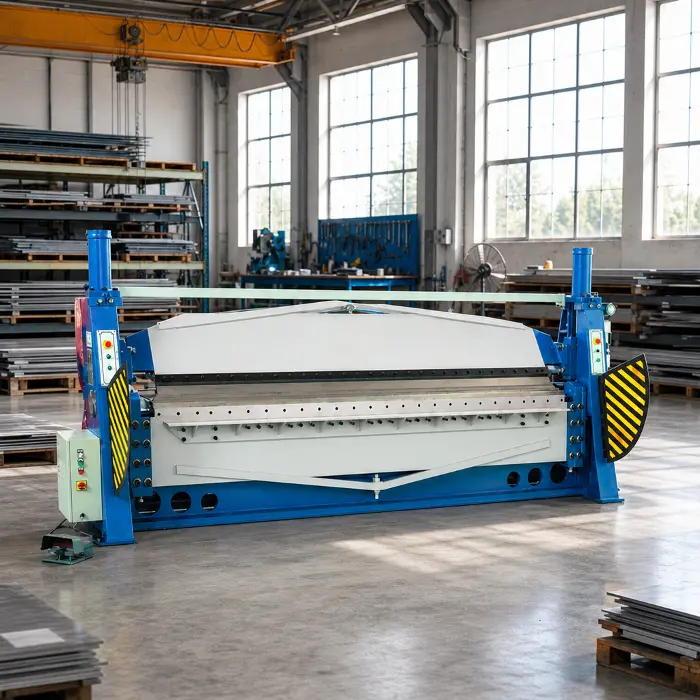
Sheet Metal Machine Selection for Precise Bending and Folding
2026/10/08 -
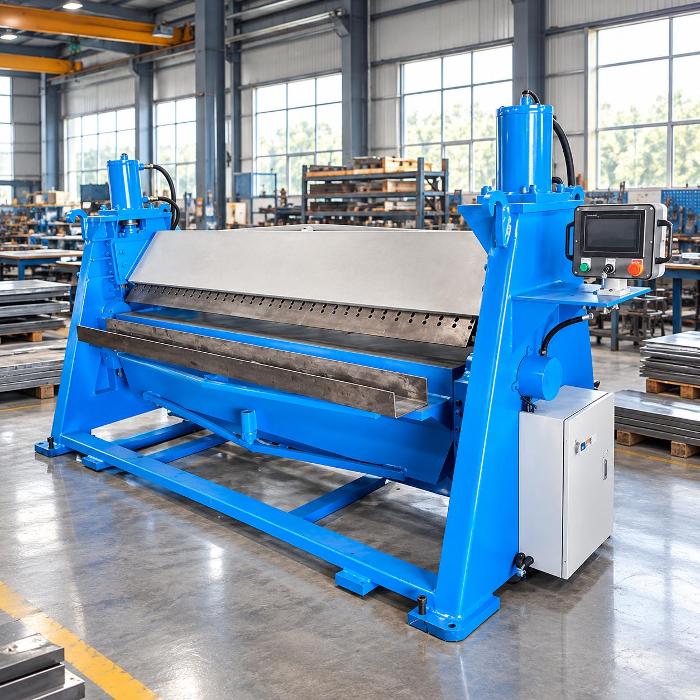
Metalworking Equipment: Choosing the Right Machinery for Modern Fabrication
2026/10/08
-
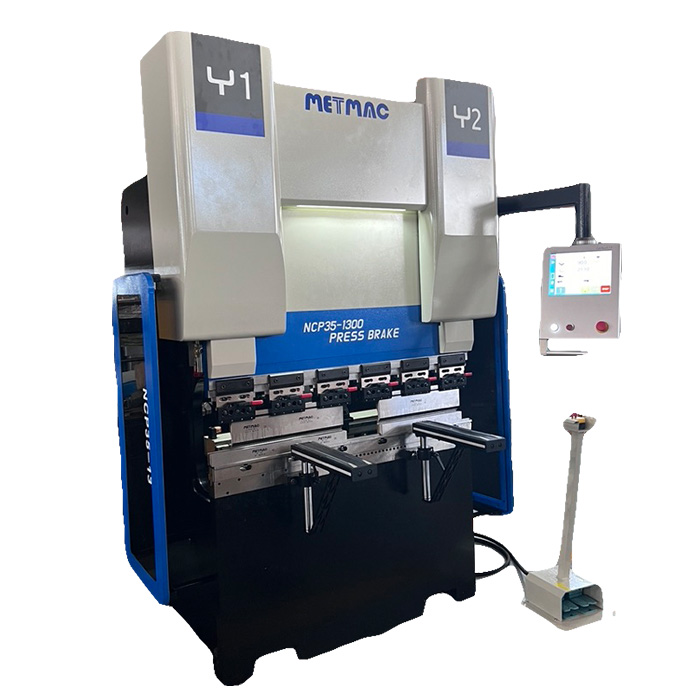
Sheet Metal Press Brake: Ultimate Guide to Precision Bending Technology in 2024
2026/03/13 -
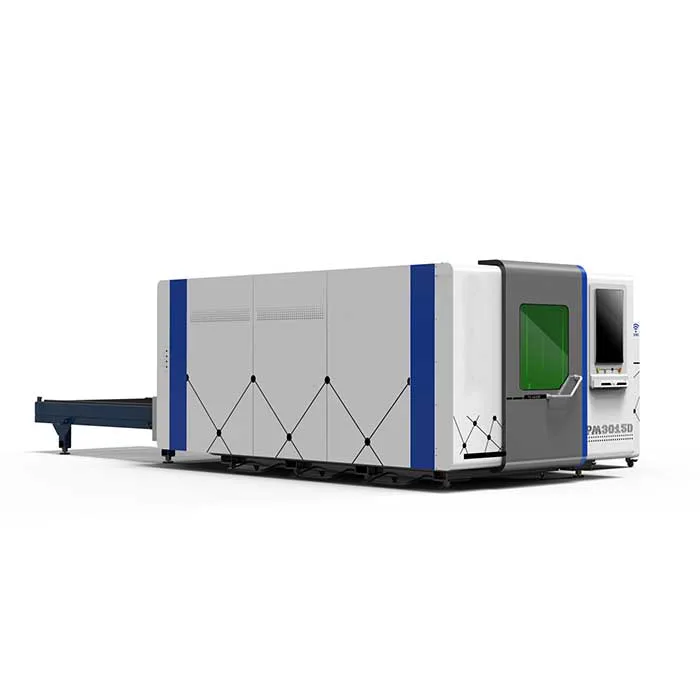
Metal Punching Machine: Ultimate Guide to Precision Manufacturing in 2024
2026/03/11 -
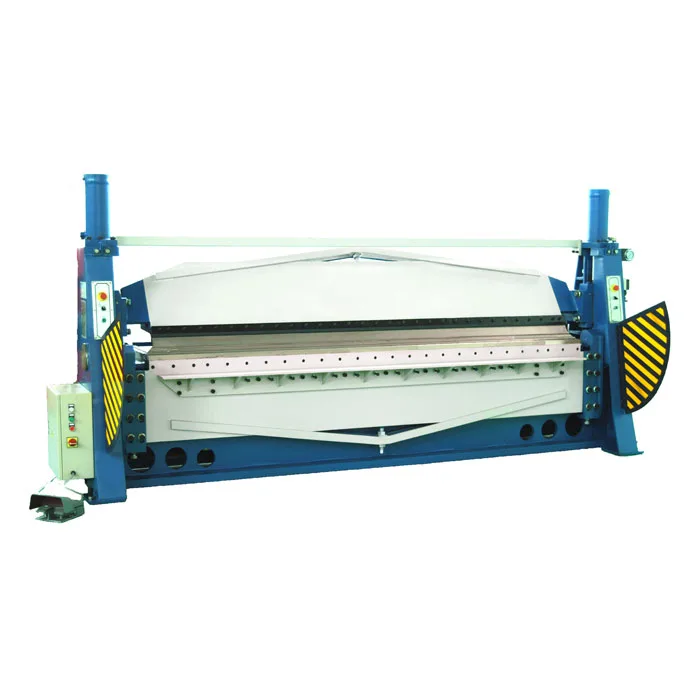
Metal Folding Machine: Comprehensive Guide to Precision Bending in 2024
2026/03/09 -
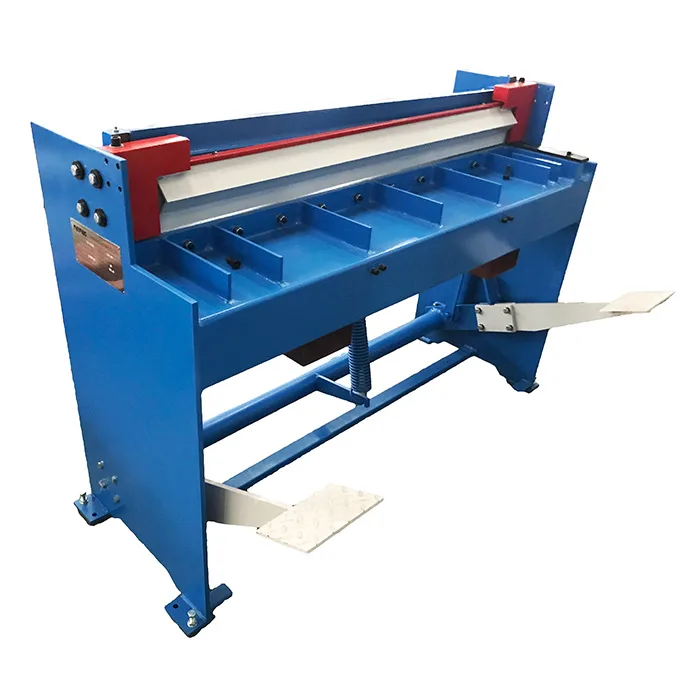
Sheet Metal Equipment: Ultimate Guide to Industrial Fabrication Solutions in 2026
2026/03/06
-
A Guide to the Latest Innovations in Sheet Metal Folding Machines
2024/11/29 -
Key Features to Consider When Investing in a Sheet Metal Folding Machine
2024/11/28 -
Enhancing Precision with Advanced Sheet Metal Folding Machines
2024/11/27 -
How to Choose the Right Sheet Metal Folding Machine for Your Workshop
2024/11/26
