

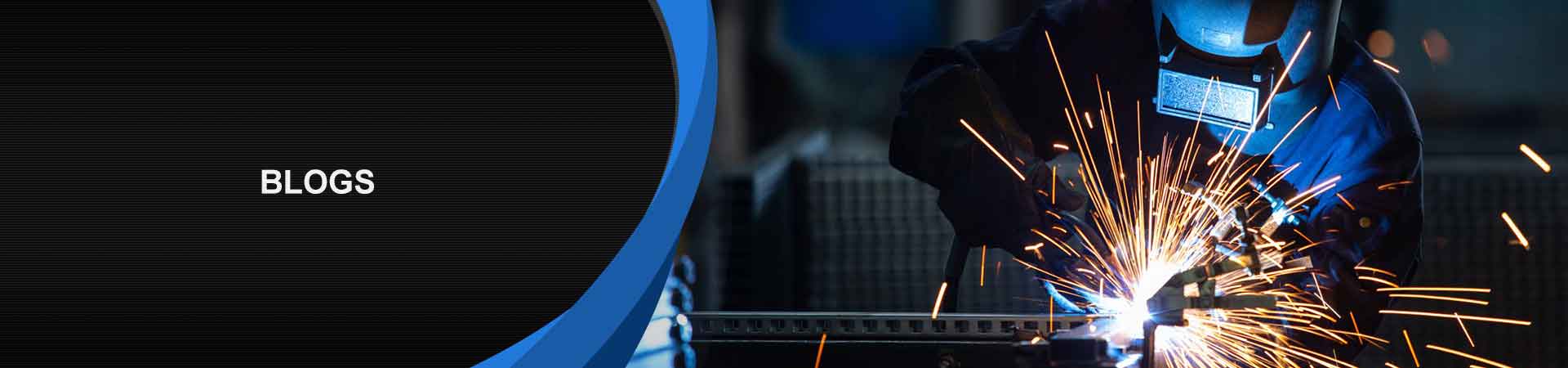
Customizing Metal Plate Rolling Machines for Specific Applications
In the realm of metalworking, precision and efficiency are paramount. Metal plate rolling machines are indispensable tools for shaping and bending metal plates, but their versatility can be further enhanced through customization to meet specific application requirements. This article delves into the multifaceted aspects of customizing metal plate rolling machines for optimal performance.
Materials and Properties
Customizing metal plate rolling machines begins with selecting appropriate materials and properties. The type of metal to be rolled, its thickness, and the desired curvature all factor into the machine’s construction. High-strength steels, such as alloy steel or stainless steel, ensure durability and precision. The machine’s bed, rolls, and bearings must withstand the rigors of rolling operations, while advanced coatings and treatments provide protection against corrosion and wear.
Roll Configuration
The configuration of the rolling rolls plays a crucial role in the end result. Machines can be equipped with varying numbers of rolls, allowing for multiple passes or simultaneous forming. Roll diameters, shapes, and surface finishes can be customized to achieve specific bending radii, minimizing thinning and surface defects. Automatic roll adjustments, such as CNC-controlled systems, ensure consistent and precise bending throughout the process.
Drive System
The drive system of a metal plate rolling machine determines its power and efficiency. Hydraulic, electric, or mechanical drives can be selected based on the application requirements. Hydraulic drives offer high torque and smooth operation, while electric drives provide energy efficiency and precision control. The gear ratio and motor capacity must be carefully balanced to ensure optimal performance and productivity.
Work Supports and Accessories
Work supports and accessories enhance the functionality of metal plate rolling machines. Side guides prevent lateral movement during rolling, while tapered or tilting supports facilitate the bending of conical or curved shapes. Specialized tooling, such as bending dies or forming attachments, can be integrated to create intricate profiles or reduce setup time for complex bends.
Automation and Control
Automation and control systems streamline the metal plate rolling process. CNC (Computer Numerical Control) systems allow for precise programming and automatic operation, reducing the need for manual intervention. Sophisticated software interfaces provide user-friendly control over machine parameters, ensuring repeatability and consistent quality. Advanced sensors and feedback loops monitor the rolling process in real-time, optimizing performance and preventing defects.
Conclusion
Customizing metal plate rolling machines for specific applications is essential for achieving optimal performance and efficiency in metalworking operations. By carefully considering materials, roll configuration, drive system, work supports, and automation, machines can be tailored to meet the precise requirements of each project. This comprehensive approach ensures that metal plate rolling machines become invaluable tools for manufacturers seeking precision, versatility, and cost-effectiveness in their metalworking processes.
-
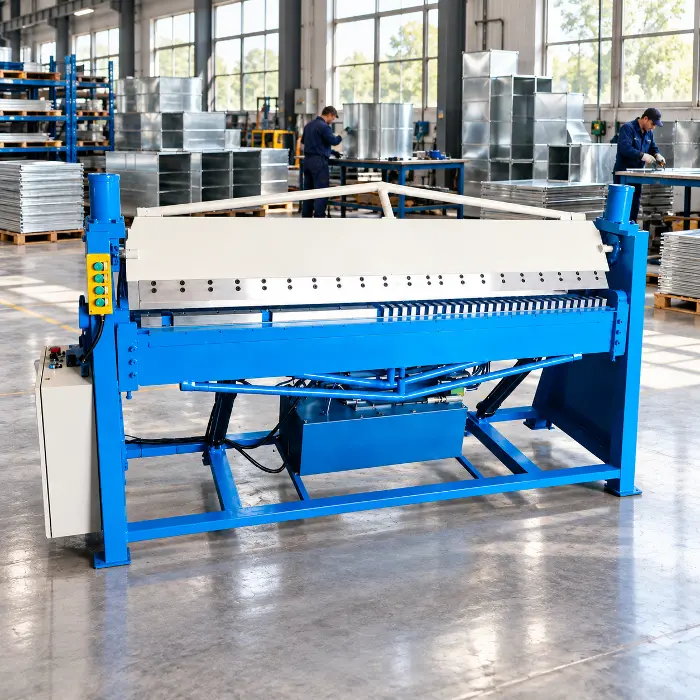
Choosing HVAC Duct Folding Machines for Flange-Safe Bending
2026/10/13 -
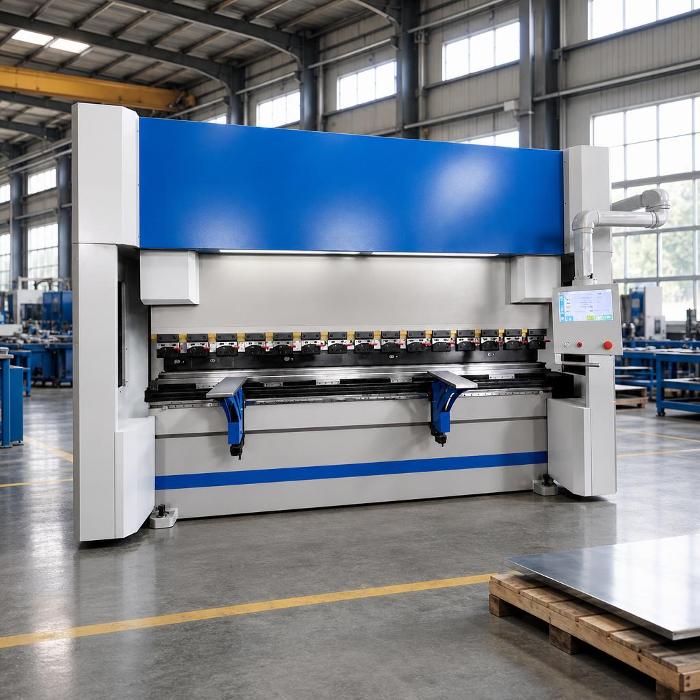
Precision Metal Forming Machines: What Separates Accurate Bends From Scrapped Sheet
2026/10/12 -
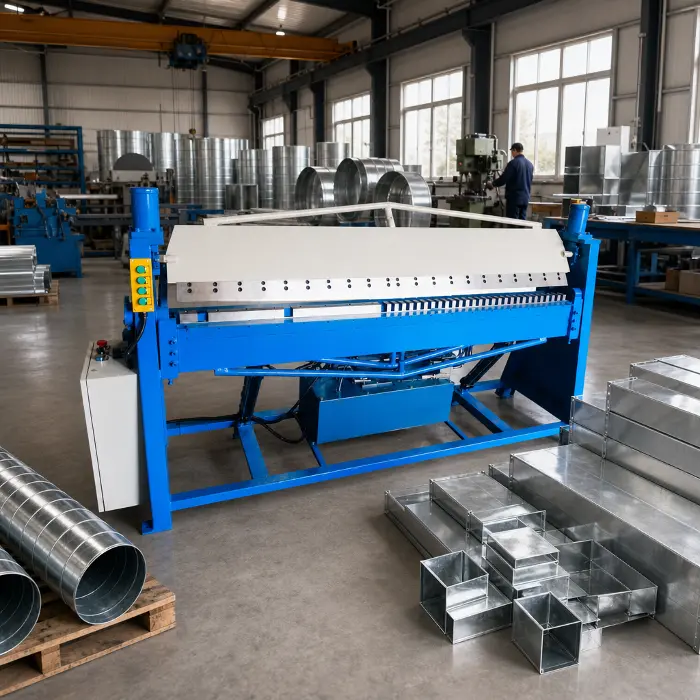
What to Look for in an HVAC Folding Machine Manufacturer
2026/10/11 -
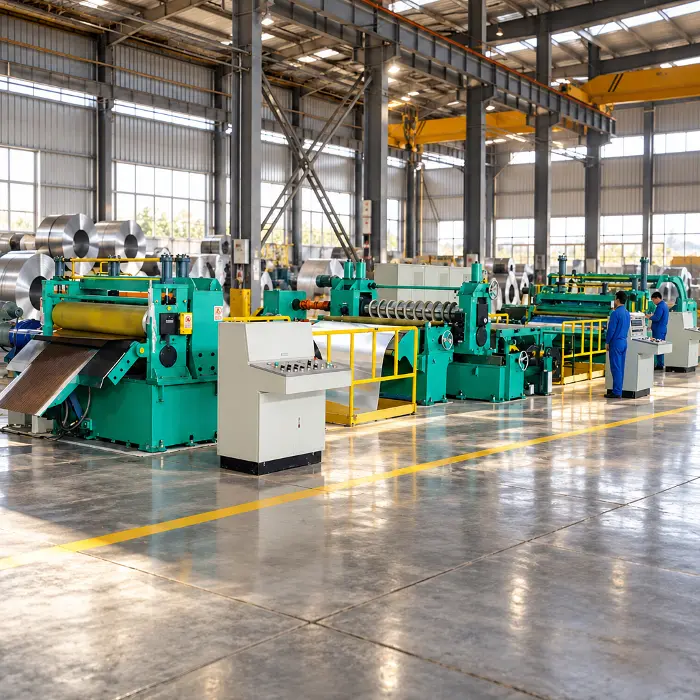
Steel Strip Cutting Machine: Engineering Precision in Modern Metal Processing
2026/10/10
-
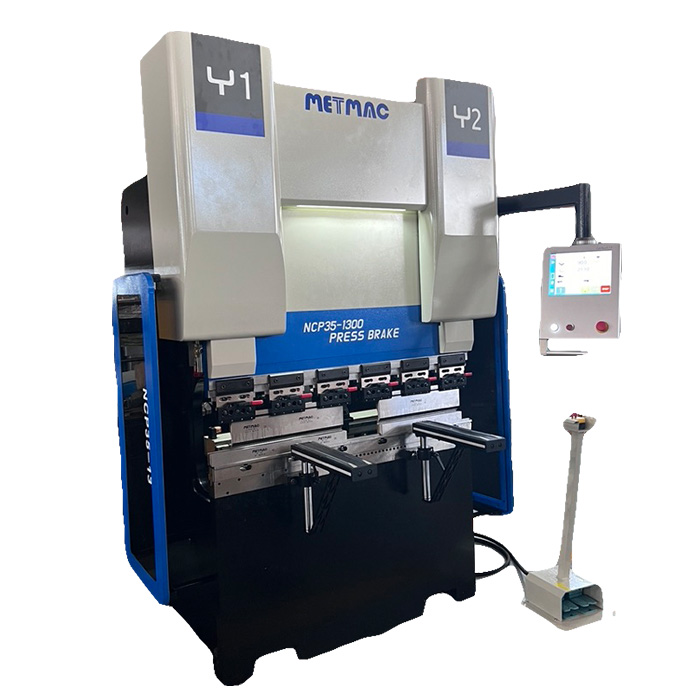
Sheet Metal Press Brake: Ultimate Guide to Precision Bending Technology in 2024
2026/03/13 -
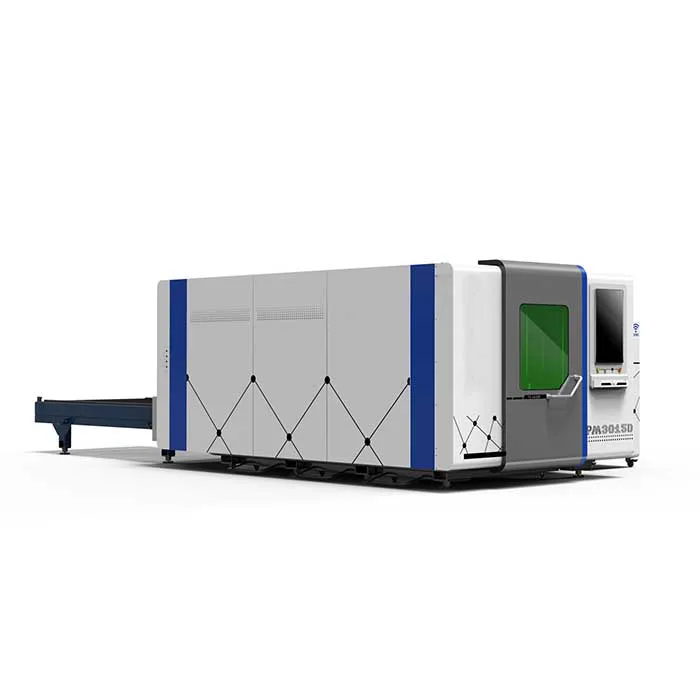
Metal Punching Machine: Ultimate Guide to Precision Manufacturing in 2024
2026/03/11 -
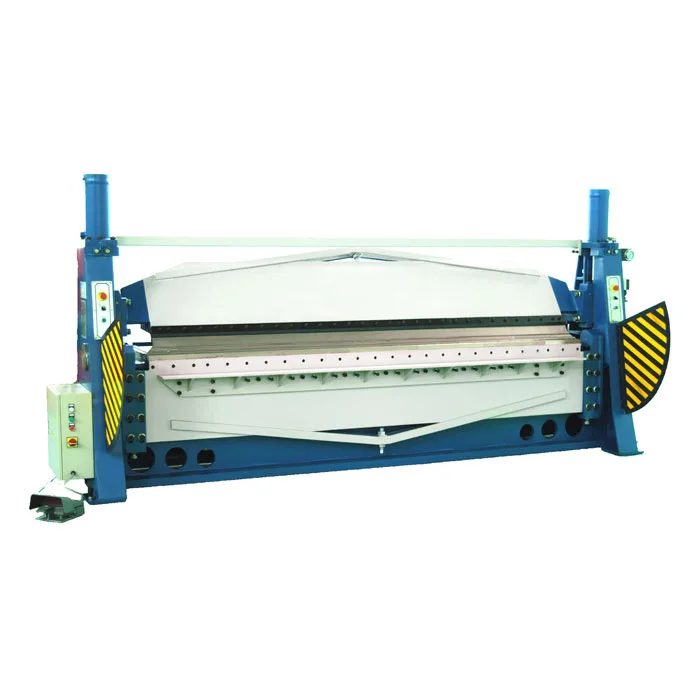
Metal Folding Machine: Comprehensive Guide to Precision Bending in 2024
2026/03/09 -
Sheet Metal Equipment: Ultimate Guide to Industrial Fabrication Solutions in 2026
2026/03/06
-
A Guide to the Latest Innovations in Sheet Metal Folding Machines
2024/11/29 -
Key Features to Consider When Investing in a Sheet Metal Folding Machine
2024/11/28 -
Enhancing Precision with Advanced Sheet Metal Folding Machines
2024/11/27 -
How to Choose the Right Sheet Metal Folding Machine for Your Workshop
2024/11/26
