

Considerations for Space and Power Requirements When Selecting a Metal Plate Bending Machine
Selecting the appropriate metal plate bending machine is crucial for metal fabrication processes. Two critical aspects to consider are space and power requirements. This article explores the considerations for space and power when choosing a metal plate bending machine to ensure optimal performance and maximize productivity.
Space Requirements
Floor Space: The size and layout of the machine determine the floor space it occupies. Consider the available space in your workshop and the accessibility to the machine.
Headroom: The height of the machine is essential for taller workpieces or overhead clearance. Ensure sufficient headroom for the operator to move around and handle large plates comfortably.
Accessibility: The machine’s location should allow for easy access to the workpiece, controls, and maintenance areas. Ensure there is ample space for loading, unloading, and maneuvering around the bender.
Power Requirements
Power Source: Bending machines typically operate on either electrical or hydraulic power. Electrical machines are convenient but require a stable and adequate power supply. Hydraulic machines offer more power but may require additional maintenance.
Voltage and Amperage: Determine the voltage and amperage requirements of the machine based on its power rating. Ensure your electrical system can handle the machine’s power consumption to avoid overloading or interruptions.
Phase Requirement: Some machines require a specific number of power phases (e.g., single-phase or three-phase). Check the machine’s specifications and ensure your electrical system meets these requirements.
Hydraulic Pressure: For hydraulic machines, consider the hydraulic pressure generated by the pump. Higher pressure machines can handle thicker materials, but they require more power and maintenance.
Energy Efficiency: Modern machines incorporate energy-saving features such as variable-speed drives and sleep modes. Consider these features to reduce operating costs and enhance sustainability.
How to Determine Space and Power Requirements
1. Evaluate Workpiece Dimensions: Determine the maximum plate thickness, width, and length you need to bend. This will dictate the machine’s capacity.
2. Assess Available Space: Measure the available floor space and headroom in your workshop. Consider the machine’s size and the clearances required for operation and maintenance.
3. Check Electrical System: Determine the available voltage, amperage, and phase requirements for your electrical system. Ensure it can handle the machine’s power consumption.
4. Consult with the Manufacturer: Contact the machine manufacturer to confirm the exact space and power requirements. They can provide detailed specifications and guidance.
By carefully considering the space and power requirements when selecting a metal plate bending machine, you can optimize your workflow, maximize efficiency, and ensure the machine meets your specific application needs.
-
Press Metal Machine: The Definitive Guide to Precision Metal Forming
2026/03/12 -
Metal Punching Machine: The Ultimate Guide to Precision Hole Punching
2026/03/10 -
Sheet Metal Machinery: The Ultimate Guide to Industrial Fabrication Excellence
2026/03/04 -
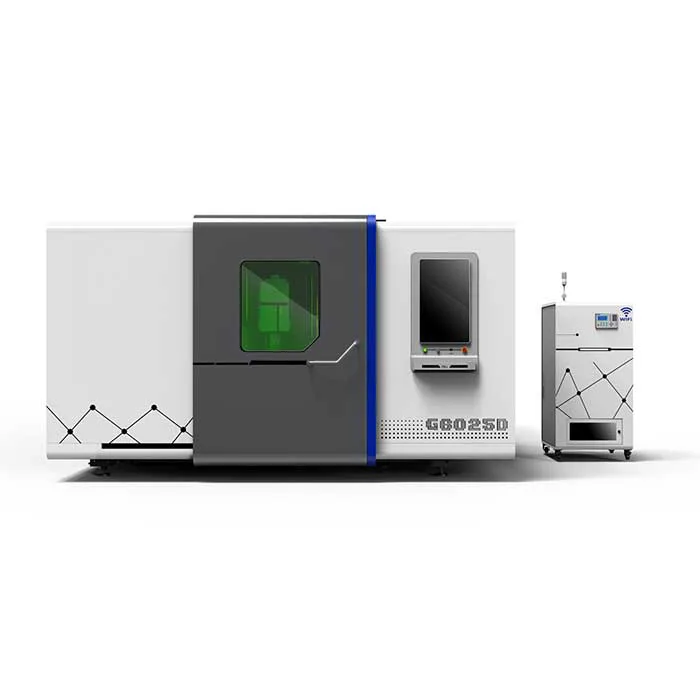
Iron Sheet Laser Cutting Machine: Unmatched Precision for Demanding Fabrication with METMAC
2026/01/06
-
Sheet Metal Press Brake: Ultimate Guide to Precision Bending Technology in 2024
2026/03/13 -
Metal Punching Machine: Ultimate Guide to Precision Manufacturing in 2024
2026/03/11 -
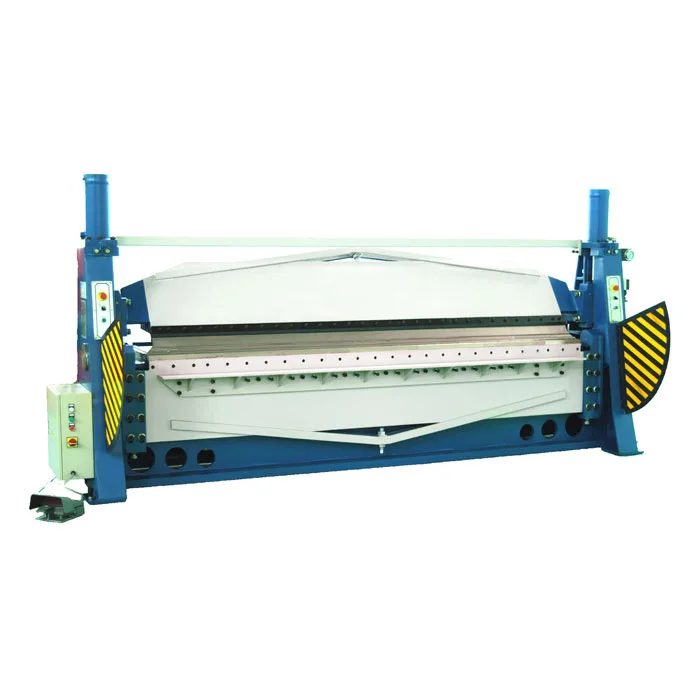
Metal Folding Machine: Comprehensive Guide to Precision Bending in 2024
2026/03/09 -
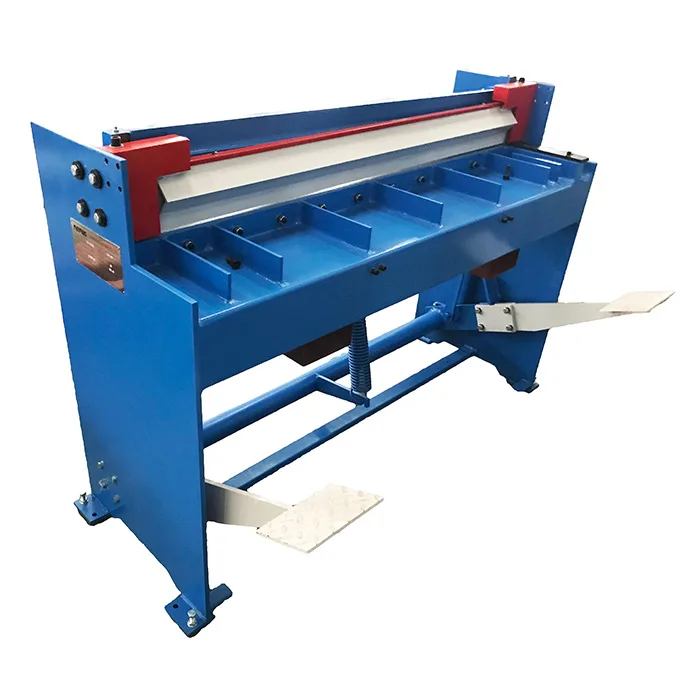
Sheet Metal Equipment: Ultimate Guide to Industrial Fabrication Solutions in 2026
2026/03/06
-
A Guide to the Latest Innovations in Sheet Metal Folding Machines
2024/11/29 -
Key Features to Consider When Investing in a Sheet Metal Folding Machine
2024/11/28 -
Enhancing Precision with Advanced Sheet Metal Folding Machines
2024/11/27 -
How to Choose the Right Sheet Metal Folding Machine for Your Workshop
2024/11/26
