


Comparing Press Brake Bending Machines to Other Metal Bending Technologies
Comparing Press Brake Bending Machines to Other Metal Bending Technologies: A Revolutionary Shift in Metal Fabrication
In the ever-evolving realm of metalworking, the choice of metal bending technology is paramount. Among the myriad of options, press brake bending machines stand out as the epitome of precision and efficiency. But how do they compare to other metal bending technologies? Let’s delve into the intricacies of each to unearth their distinct capabilities.
Roll Bending
Roll bending employs a series of rotating rolls to gradually curvature metal sheets. While it offers continuous bending, it is limited by the thickness and width of the material. Additionally, roll bending may result in surface imperfections due to the sliding motion of the rolls.
Four-Roll Bending
Four-roll bending, an advanced variation of roll bending, utilizes four rolls to form more complex bends. It provides greater precision and can handle thicker materials. However, its setup is more complex and requires skilled operators.
Rotary Draw Bending
Rotary draw bending employs a rotating mandrel and a forming tool to draw the metal into the desired shape. This technique excels in producing tight bends with minimal material thinning. However, it is not suitable for all materials and may require complex tooling.
Manual Bending
Manual bending involves the use of a hammer or hand-operated bending machine. While it offers simplicity and affordability, it is labor-intensive, time-consuming, and can lead to uneven bends.
Press Brake Bending
Press brake bending, the subject of our focus, utilizes a hydraulic or mechanical press to apply force to a punch and die, which forms the desired bend in the metal sheet. It offers several advantages:
– Precision: Press brake bends are highly accurate and repeatable, ensuring consistent results.
– Efficiency: Automated machines can perform rapid bending cycles, significantly increasing productivity.
– Versatility: Press brakes can handle a wide range of materials, thicknesses, and bend angles.
– Tooling Flexibility: Interchangeable tooling allows for the bending of various shapes and geometries.
Applications
Press brake bending machines find widespread application in industries such as:
– Aerospace and Automotive: Producing complex structural components, panels, and chassis.
– Construction: Fabricating roofing, siding, and beams.
– HVAC: Forming ductwork, vents, and air conditioning units.
– Electronics: Bending sheet metal for enclosures, chassis, and heat sinks.
In the quest for efficient and precise metal bending, press brake bending machines have emerged as the preferred choice. Their superior accuracy, efficiency, versatility, and tooling flexibility set them apart from other metal bending technologies. By embracing these technological advancements, industries can unlock new possibilities in metal fabrication and elevate their manufacturing capabilities to unprecedented heights.
-
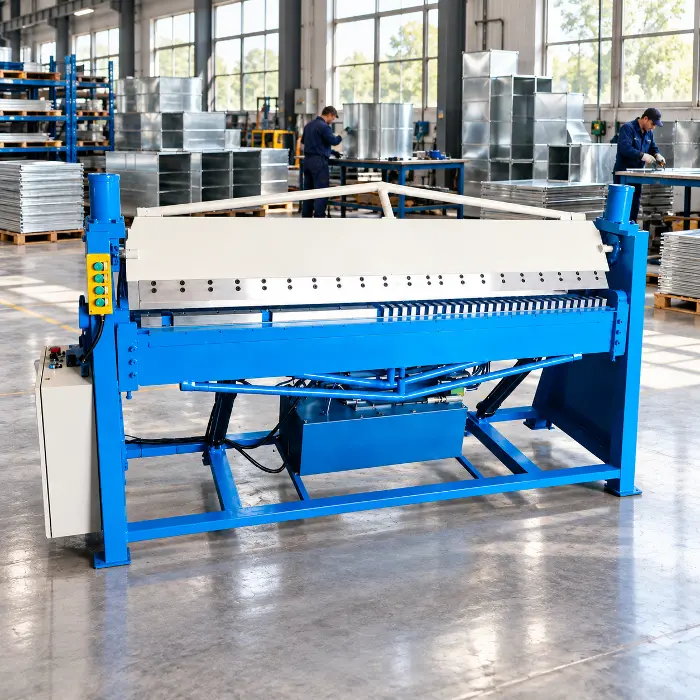
Choosing HVAC Duct Folding Machines for Flange-Safe Bending
2026/10/13 -
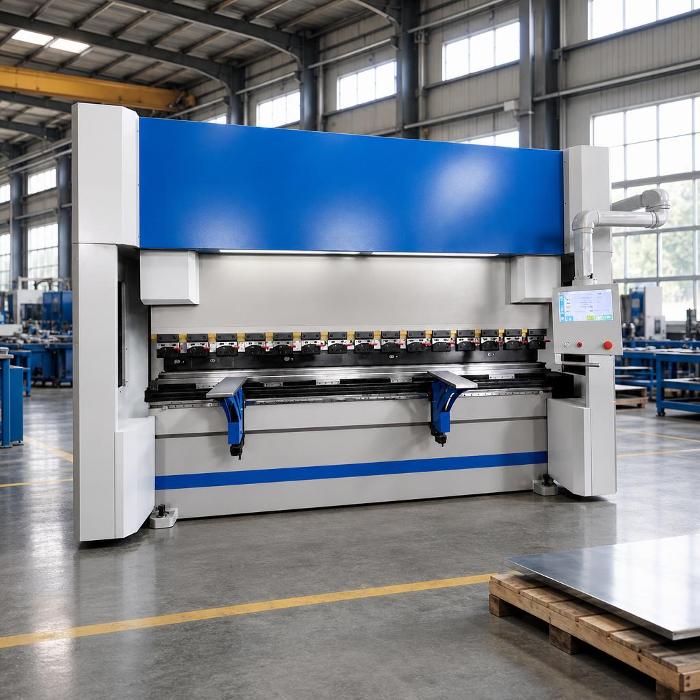
Precision Metal Forming Machines: What Separates Accurate Bends From Scrapped Sheet
2026/10/12 -
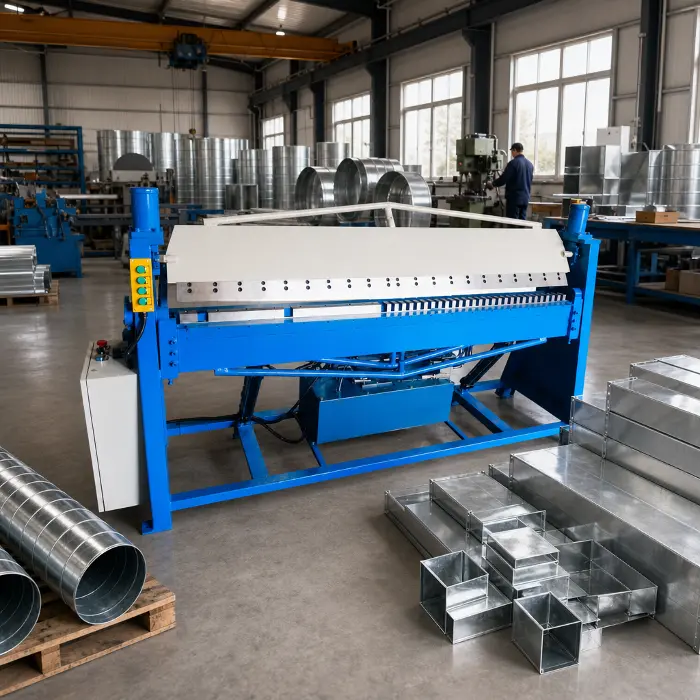
What to Look for in an HVAC Folding Machine Manufacturer
2026/10/11 -
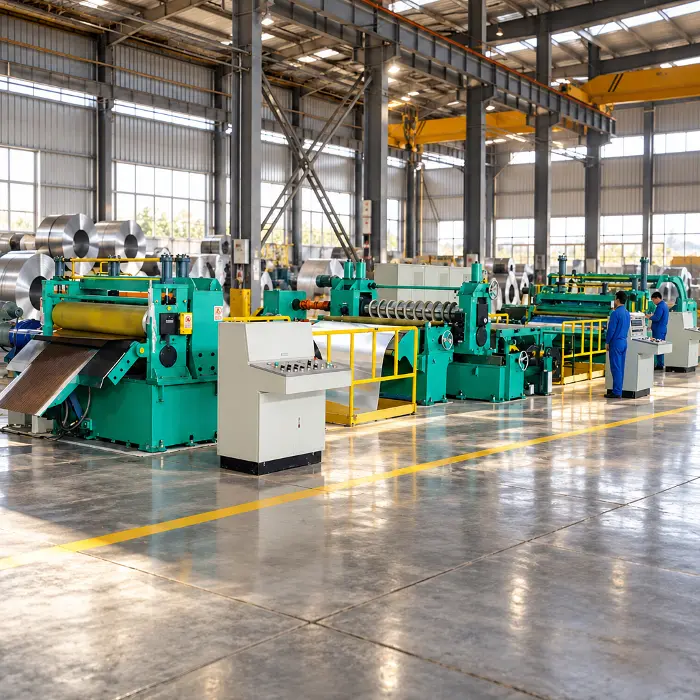
Steel Strip Cutting Machine: Engineering Precision in Modern Metal Processing
2026/10/10
-
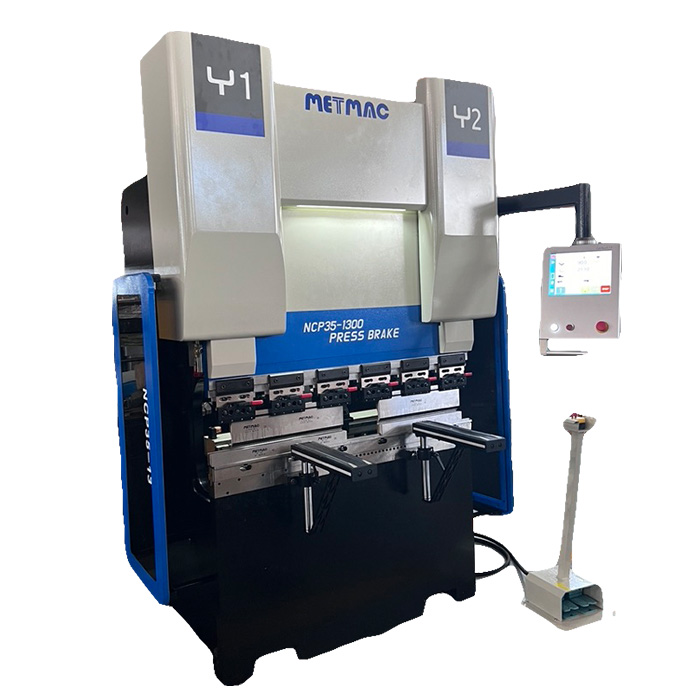
Sheet Metal Press Brake: Ultimate Guide to Precision Bending Technology in 2024
2026/03/13 -
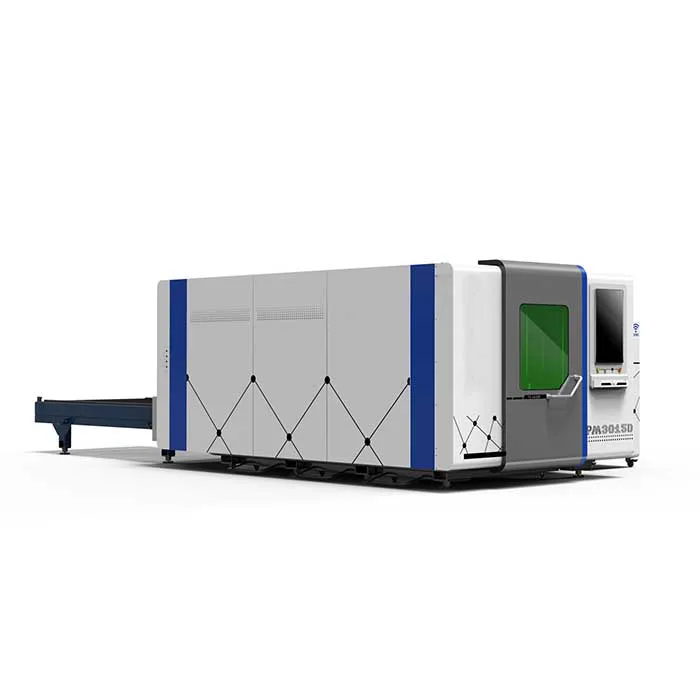
Metal Punching Machine: Ultimate Guide to Precision Manufacturing in 2024
2026/03/11 -
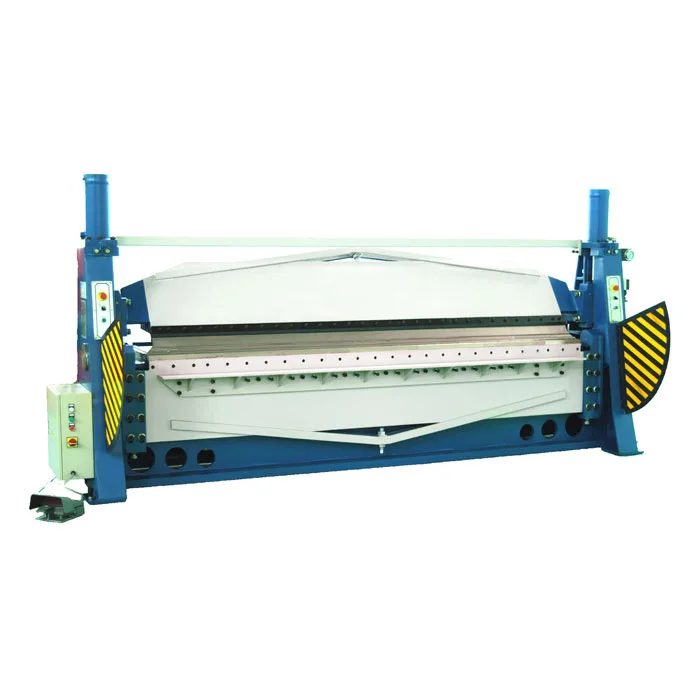
Metal Folding Machine: Comprehensive Guide to Precision Bending in 2024
2026/03/09 -
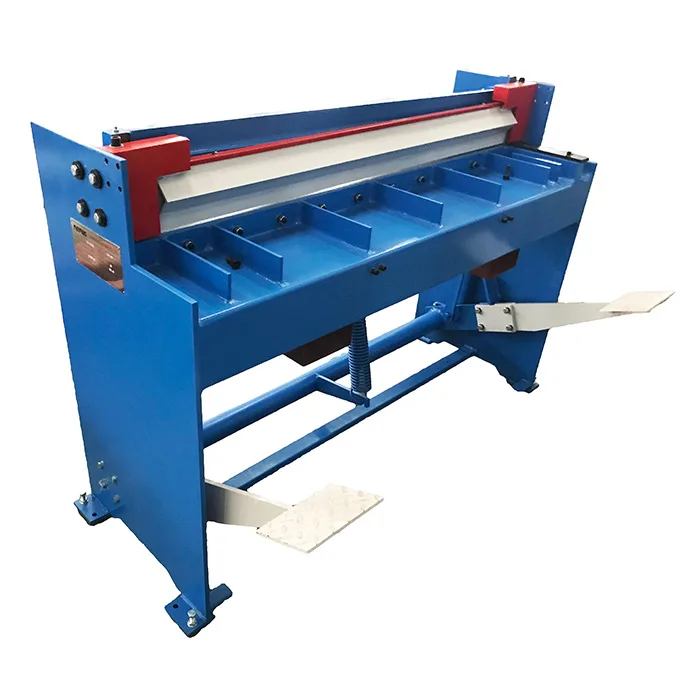
Sheet Metal Equipment: Ultimate Guide to Industrial Fabrication Solutions in 2026
2026/03/06
-
A Guide to the Latest Innovations in Sheet Metal Folding Machines
2024/11/29 -
Key Features to Consider When Investing in a Sheet Metal Folding Machine
2024/11/28 -
Enhancing Precision with Advanced Sheet Metal Folding Machines
2024/11/27 -
How to Choose the Right Sheet Metal Folding Machine for Your Workshop
2024/11/26
