

Comparing Manual and Hydraulic Steel Folding Machines
Steel folding machines are essential tools used in various industries for bending and shaping steel sheets into desired angles and forms. Understanding the differences between manual and hydraulic steel folding machines is crucial for selecting the most suitable equipment for specific applications. This article aims to provide a comprehensive comparison between these two types of folding machines, highlighting their advantages, disadvantages, and critical considerations for making an informed decision.
Operation and Power
Manual folding machines are operated by applying physical force through a lever or foot pedal to bend the metal sheet. They require a significant amount of manual labor, making them more suitable for small-scale or infrequent operations. Hydraulic folding machines, on the other hand, utilize hydraulic pressure to bend the sheet. They are powered by an electric motor or manual pump and offer a much higher force capacity than manual machines. This makes them ideal for large-scale and heavy-duty applications.
Accuracy and Precision
Manual folding machines provide a good level of accuracy for basic bending operations, but the results can vary depending on the operator’s skill and consistency. Hydraulic folding machines offer significantly higher accuracy and precision due to the precise control of the hydraulic pressure. They utilize digital readouts and electronic angle gauges, ensuring consistent and repeatable bends. This is especially critical for applications where accuracy and precision are paramount.
Capacity and Thickness
The bending capacity of a folding machine is determined by the thickness and width of the steel sheet it can handle. Manual folding machines have a limited capacity and are generally suitable for thinner sheets. Hydraulic folding machines, on the other hand, can accommodate thicker sheets and offer a wider range of bending capacities. They are ideal for applications requiring the bending of heavy-duty or thick metal sheets.
Versatility and Flexibility
Manual folding machines are relatively simple in design and offer limited versatility. They are primarily used for basic bending operations and cannot perform complex bends or specialized shapes. Hydraulic folding machines, however, are highly versatile and can be equipped with various attachments and tooling to perform a wide range of bending operations. They can handle complex bends, curves, and intricate shapes, making them suitable for a diverse range of applications.
Cost and Maintenance
Manual folding machines are typically less expensive than hydraulic folding machines, making them a more economical option for small-scale operations. However, they require more manual labor and have higher maintenance costs due to the wear and tear on the mechanical components. Hydraulic folding machines have a higher initial investment cost but offer lower maintenance costs and increased productivity.
Conclusion
The choice between manual and hydraulic steel folding machines depends on the specific requirements and applications. Manual folding machines are suitable for small-scale, low-volume operations, while hydraulic folding machines are preferred for large-scale, high-volume, and heavy-duty applications. Understanding the key differences between these two types of folding machines enables informed decision-making and ensures the selection of the most appropriate equipment for the intended purpose.
-
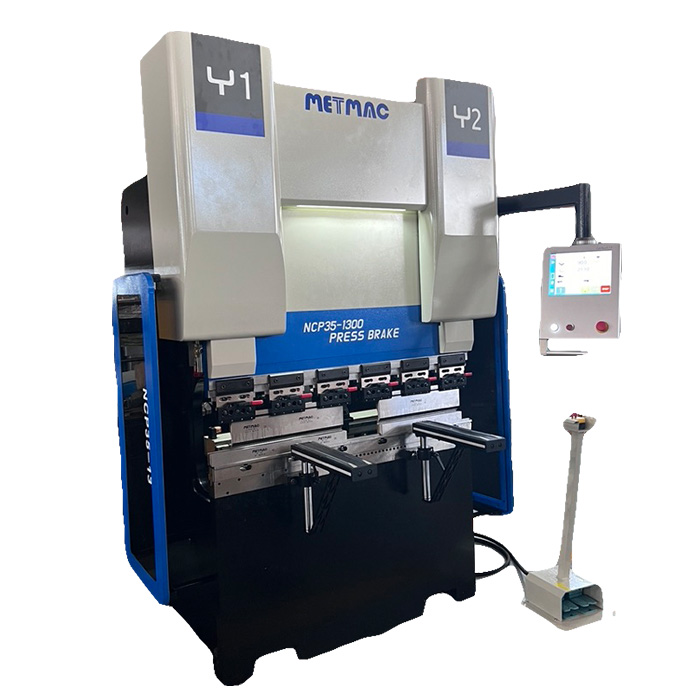
Press Metal Machine: The Definitive Guide to Precision Metal Forming
2026/03/12 -
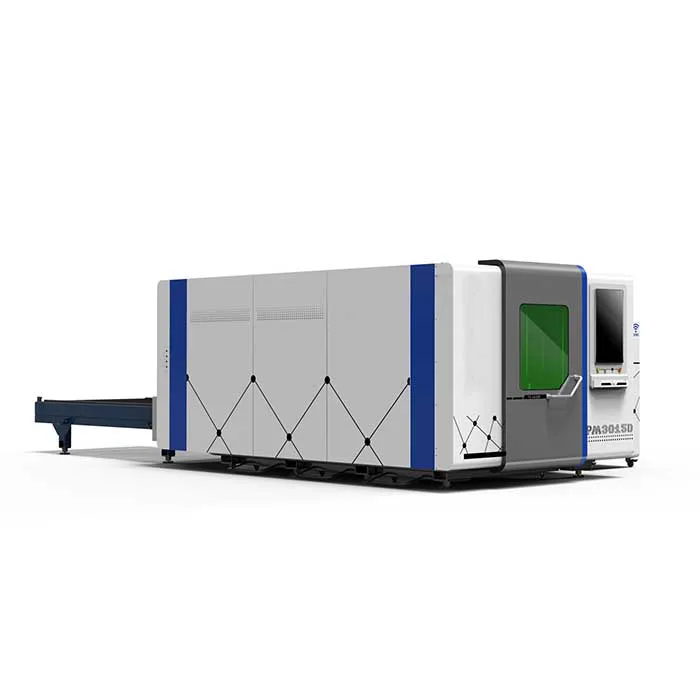
Metal Punching Machine: The Ultimate Guide to Precision Hole Punching
2026/03/10 -
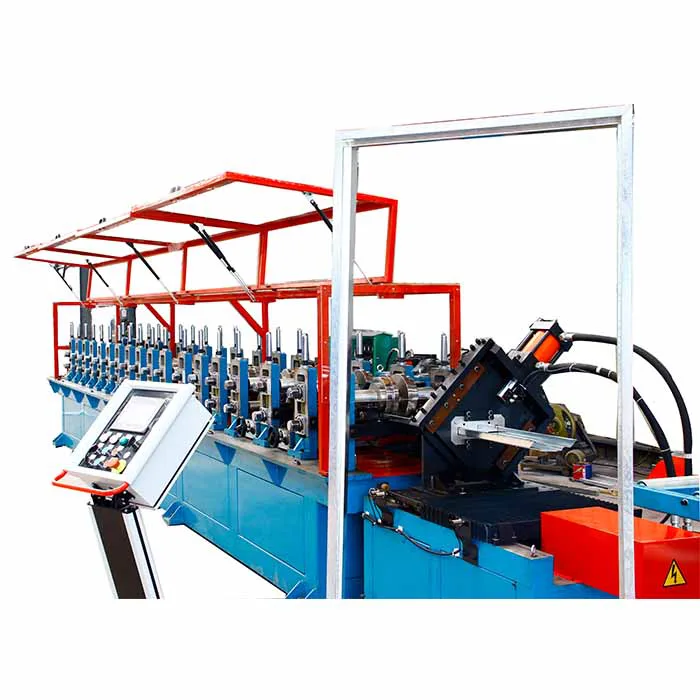
Sheet Metal Machinery: The Ultimate Guide to Industrial Fabrication Excellence
2026/03/04 -
Iron Sheet Laser Cutting Machine: Unmatched Precision for Demanding Fabrication with METMAC
2026/01/06
-
Sheet Metal Press Brake: Ultimate Guide to Precision Bending Technology in 2024
2026/03/13 -
Metal Punching Machine: Ultimate Guide to Precision Manufacturing in 2024
2026/03/11 -
Metal Folding Machine: Comprehensive Guide to Precision Bending in 2024
2026/03/09 -
Sheet Metal Equipment: Ultimate Guide to Industrial Fabrication Solutions in 2026
2026/03/06
-
Latest Technological Advancements in Rectangular Duct Machines
2024/05/11 -
Integrating Automation with Rectangular Duct Machines for Enhanced Productivity
2024/05/11 -
Metal Shear Machines- Essential Tools for Precision Metal Cutting
2024/05/11 -
Understanding the Role and Function of Steel Strip Slitting Machines
2024/05/11
-
A Guide to the Latest Innovations in Sheet Metal Folding Machines
2024/11/29 -
Key Features to Consider When Investing in a Sheet Metal Folding Machine
2024/11/28 -
Enhancing Precision with Advanced Sheet Metal Folding Machines
2024/11/27 -
How to Choose the Right Sheet Metal Folding Machine for Your Workshop
2024/11/26
